Accolade elm
Ulmus 'Morton'. Family Ulmaceae. Tree.
Also called Ulmus 'Morton', Accolade hybrid elm.
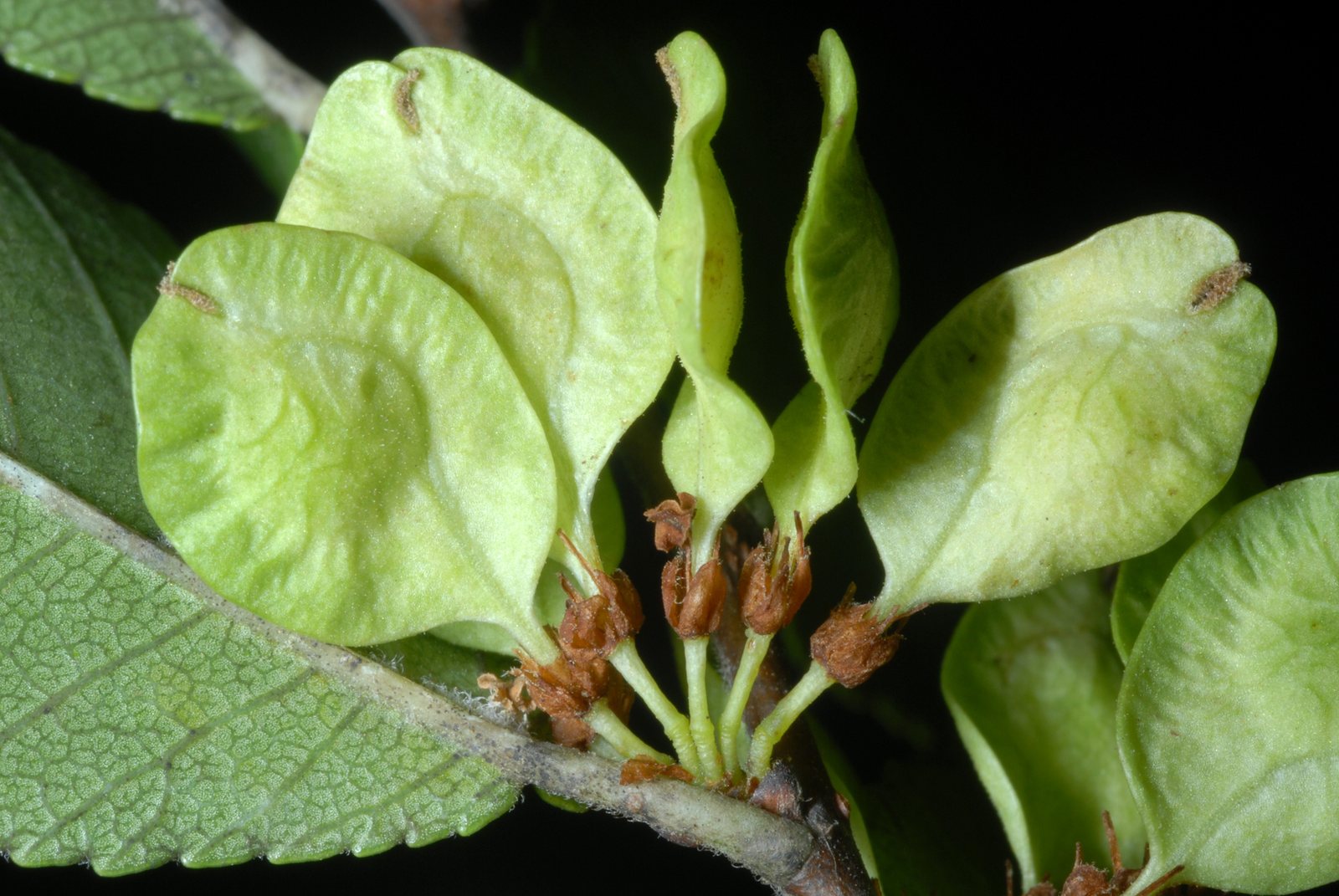
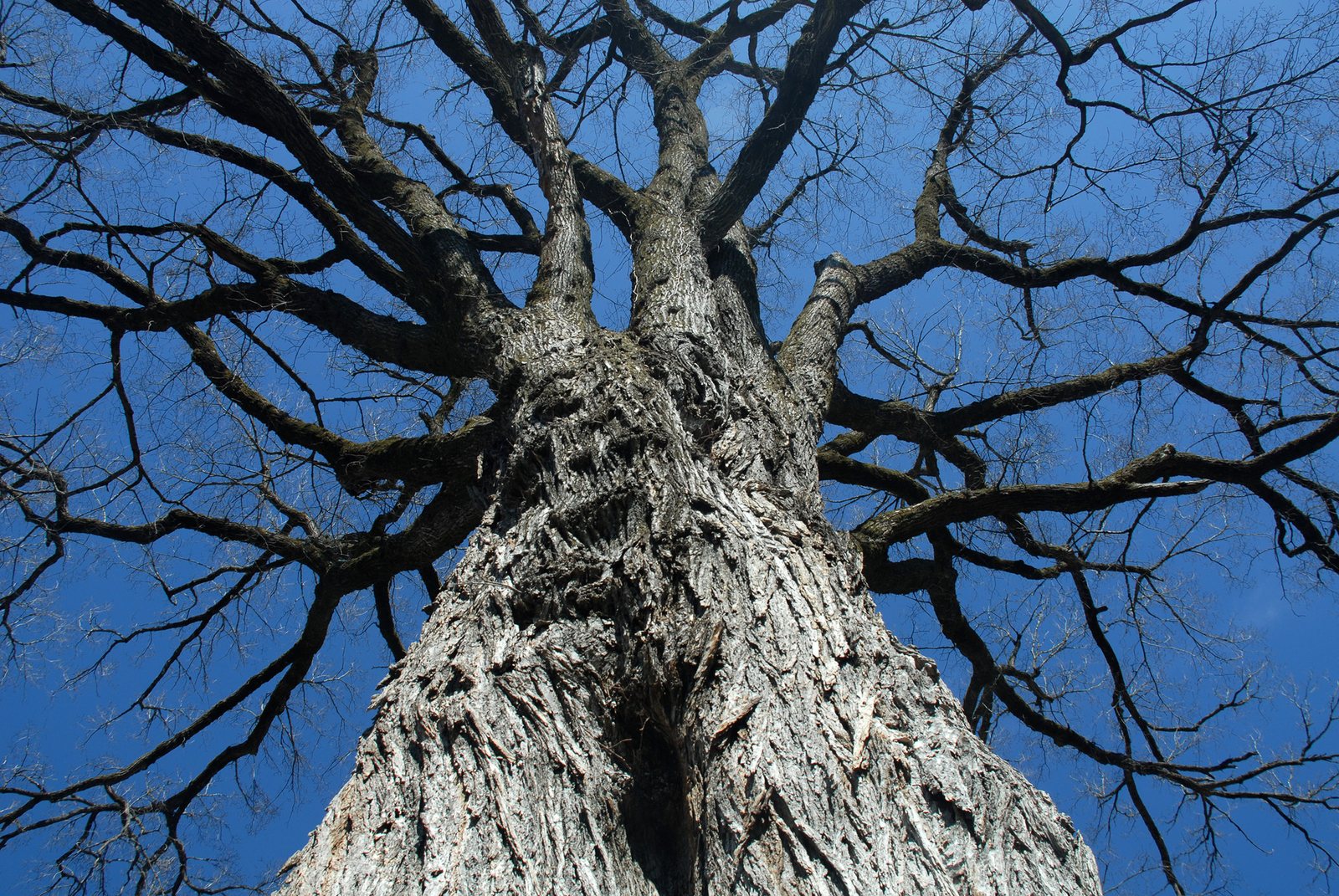
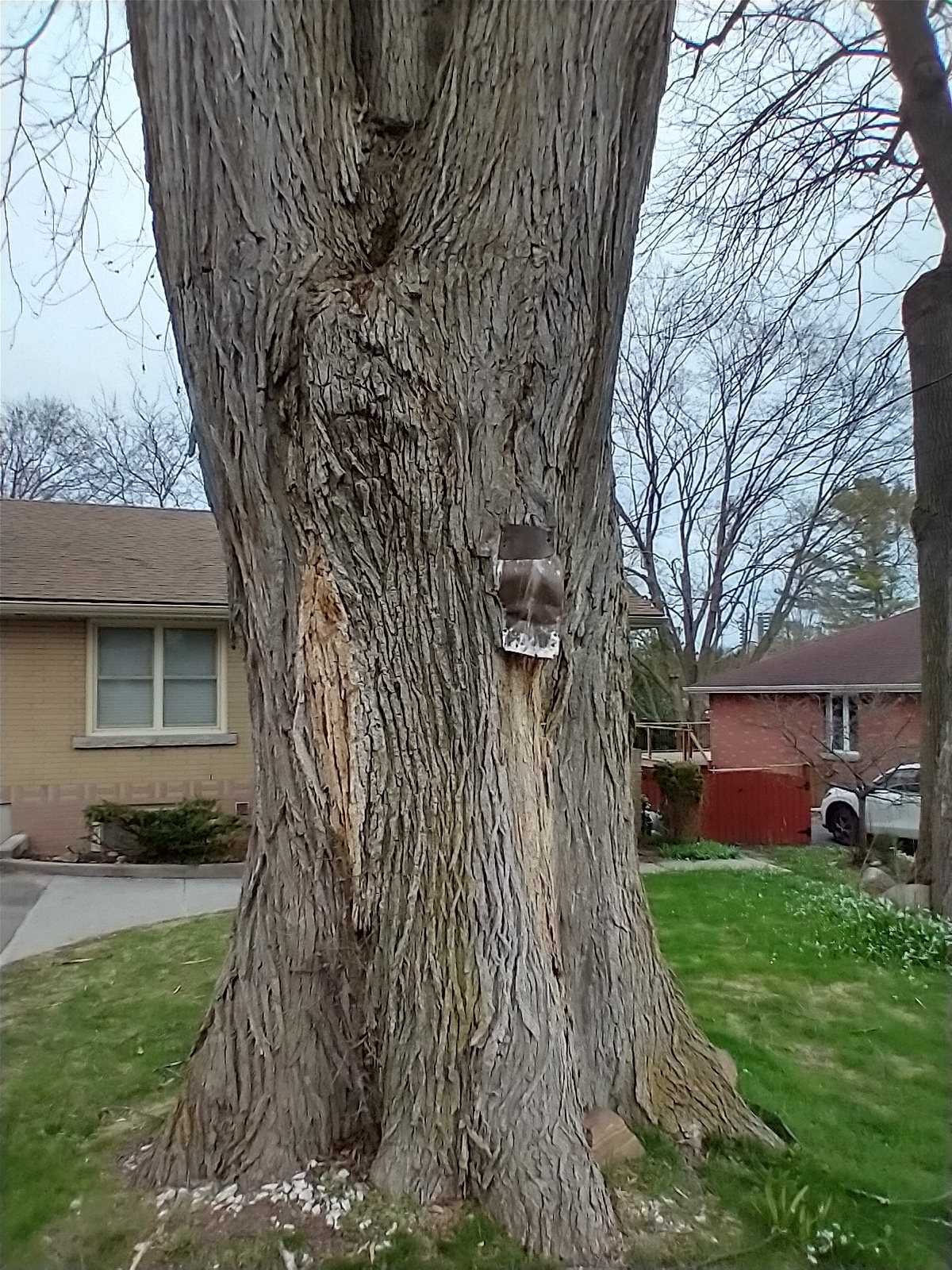
Accolade elm is a large, deciduous shade tree with an upright, vase-shaped crown, glossy green leaves and yellow autumn colour. This Asian hybrid offers the graceful outline of an American elm with strong resistance to Dutch elm disease, but it needs room for its spreading canopy and roots.
At a glance
- Sun
- Full sun; tolerates light partial shade.
- Water
- Water regularly while establishing; moderately drought-tolerant once established, but benefits from deep watering during prolonged dry weather.
- Soil
- Adaptable to clay, loam and sandy soils, including alkaline soil, provided drainage is reasonable. Avoid persistently waterlogged ground.
- Height
- 50-60 ft (15-18 m)
- Spread
- 30-40 ft (9-12 m)
- Foliage
- Glossy, dark green, oval leaves with toothed edges and uneven bases; usually turns yellow in autumn.
- Growth
- Moderate to fast once established.
- Care needed
- Medium
The year at a glance
- Drought tolerant
- Cold hardy
- Heat tolerant
- Disease resistant
- Wildlife
| J | F | M | A | M | J | J | A | S | O | N | D | |
|---|---|---|---|---|---|---|---|---|---|---|---|---|
| Fruit | ||||||||||||
| Plant |
Northern hemisphere months. In Australia, shift them by six.
- Difficulty
- Moderate
- Toughness
- Very tough
Will it suit your garden?
Pick your zone, country, light and whether you have pets.
Full sun is 6 or more hours of direct sun a day, part shade 3 to 6 hours, shade under 3.
How it grows
Planting day
7 ft (2 m)
After 1 year
10 ft (2.9 m)
After 2 years
13 ft (3.8 m)
After 3 years
15 ft (4.7 m)
After 5 years
21 ft (6.5 m)
About 16 years to full size.
From a typical nursery size, at an average rate for this kind of plant. A rule of thumb, not a forecast.
Good to know
- Cats and dogs
- Safe
- Growth rate
- Fast
Care
Jobs through the year
- WaterApr–May, Sep–Oct, every 14 days
- Deep-water established trees only during extended dry weather; young trees need more frequent checks.
- WaterJun–Aug, every 14 days
- Soak established trees during prolonged drought; water young trees whenever the root zone dries.
- MulchMar–Apr
- Refresh organic mulch to 5–8 cm deep, keeping the trunk and root flare clear.
- PruneJan–Feb
- Follow local elm-pruning rules; train young leaders and use an arborist for large limbs.
- Plant with the root flare at ground level, well away from buildings, overhead wires and confined paving.
- Water deeply through the first two or three growing seasons whenever the root zone becomes dry.
- Spread 2-3 in (5-8 cm) of mulch over the root zone, keeping it clear of the trunk.
- Stake only if the root ball moves in the wind; remove supports after the first growing season.
- Avoid routine feeding; use a soil test if growth or leaf colour suggests a nutrient shortage.
- Have young trees checked for competing leaders and weak branch unions before the branches become large.
Pruning. Prune in winter dormancy, following local elm-pruning restrictions intended to limit Dutch elm disease transmission. Develop one main leader and well-spaced branches while young; use a qualified arborist for large limbs and never top the tree.
Through the year
- Autumn
- Plant when soil is workable in mild climates; allow ample space for the mature crown.
- Winter
- Inspect branch structure and carry out permitted dormant-season pruning.
- Early spring
- Plant in colder regions once the soil is workable, and refresh mulch without covering the root flare.
- Late spring
- Check new foliage for chewing damage and watch for shoots rubbing against one another.
- Summer
- Deep-water young trees during dry spells and investigate sudden wilting or branch dieback promptly.
- Late autumn
- Check soil moisture before freezing weather and remove any remaining establishment ties.
In the garden
- Use as a specimen shade tree in a large lawn, leaving its vase-shaped crown unobstructed.
- Plant in widely spaced avenues where there is generous rooting space and no overhead wires.
- Place on the sunny side of a large garden to provide summer shade while admitting winter light.
- Underplant an established tree with shade-tolerant perennials, keeping cultivation shallow to protect roots.
Garden styles it suits: Traditional, Grand estate, English country, Urban city garden, Family-friendly and Autumn colour.
Plant it with: Hosta, Epimedium, Japanese painted fern, Solomon's seal, Siberian bugloss and Lenten rose.
Wildlife: The broad crown provides shelter and nesting places for birds. Seeds may be eaten by birds and small mammals, and the foliage supports some leaf-feeding insects.
Problems to watch for
- Dutch elm disease: resistance is strong, not immunity. Have sudden wilting, yellowing or dying branches assessed promptly by an arborist, and follow local rules for handling elm wood.
- Elm leaf beetles and other leaf-chewing insects: inspect damaged foliage and identify the pest before treating; established trees usually tolerate light feeding damage.
- Competing leaders and weak branch unions: arrange formative pruning while branches are small rather than removing large limbs later.
- Drought stress or poor establishment: check soil moisture beneath the mulch, water deeply and make sure the root flare is not buried.
Safety
Not known to be toxic to people, cats, dogs or horses. No part is recognised as a significant poisoning hazard, although cultivar-specific toxicity information is limited and it should not be treated as an edible plant.
Easily confused with
American elm (Ulmus americana)
Both can develop a vase-shaped crown, but American elm usually has larger, less glossy leaves. Young trees can be difficult to distinguish reliably without a nursery label.
Chinese elm (Ulmus parvifolia)
Usually has smaller leaves and conspicuously mottled, peeling bark on mature trunks; it flowers in late summer or autumn rather than spring.
Japanese zelkova (Zelkova serrata)
Has a similar vase-shaped habit, but its leaves usually have more even bases and single, prominent teeth rather than the elm's double-toothed margins.
The name
Ulmus is the Latin name for elm, and the cultivar name 'Morton' refers to the Morton Arboretum in Illinois, where this selection originated.
Propagation. Named plants must be propagated vegetatively, usually by nursery grafting, budding or cuttings. Seedlings will not reliably retain the cultivar's characteristics.
Checked against open data
- Accepted botanical name
- Ulmus
Sources: GBIF (CC BY 4.0). The care and design notes are LandscapeGPT's own.
See it in your own yard.
Upload a photo of your yard and see it redesigned with plants that suit your climate, each checked against your zone.