Alpine clematis
Clematis alpina. Family Ranunculaceae. Climber.
Also called Alpine virgin's bower.
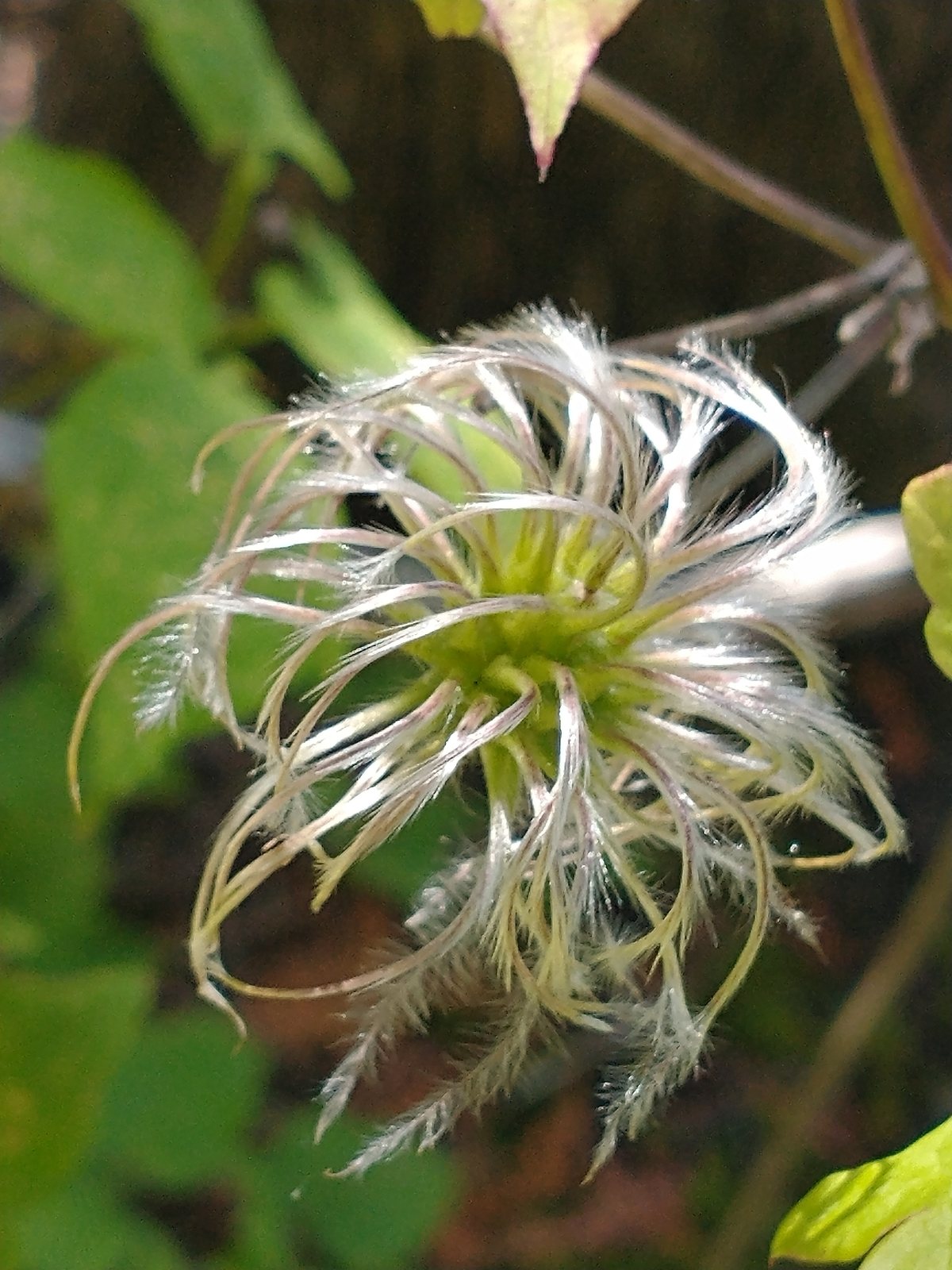
Alpine clematis is a deciduous, woody climber grown for its nodding, blue-violet spring flowers and fluffy seedheads. It flowers on the previous year's stems and suits a trellis, an open fence or a small shrub in a cool garden.
At a glance
- Sun
- Full sun to partial shade; afternoon shade is helpful where summers are hot.
- Water
- Keep evenly moist while establishing. Once established, water deeply during dry spells, allowing the surface soil to dry slightly between waterings.
- Soil
- Humus-rich, well-drained soil, from slightly acidic to alkaline. Avoid waterlogged ground, especially in winter.
- Height
- 6-10 ft (1.8-3 m)
- Spread
- 3-5 ft (0.9-1.5 m)
- Flowers
- Early to mid-spring; nodding, bell-shaped blue-violet flowers with pale centres. Some selections have pink or white flowers.
- Foliage
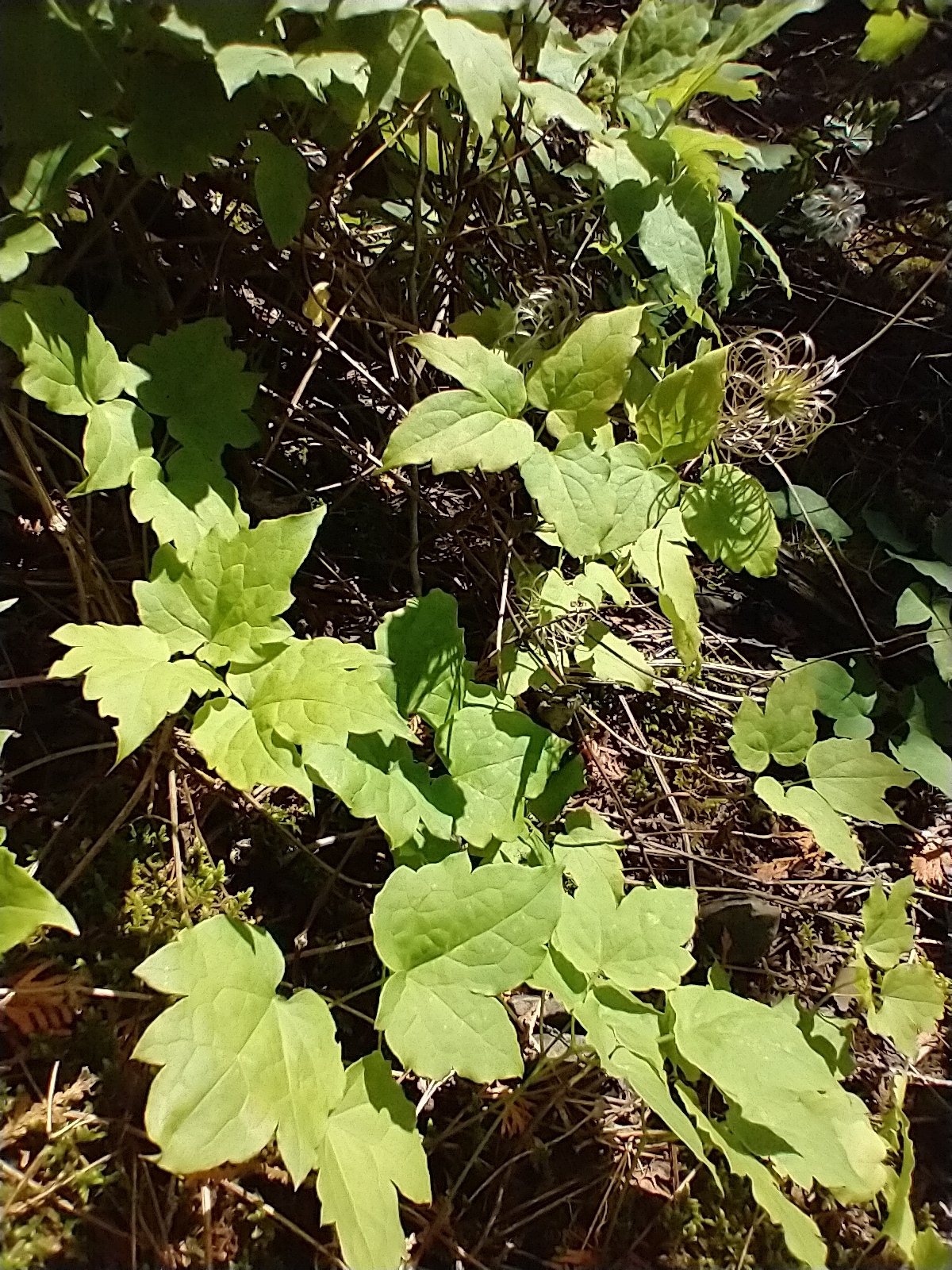
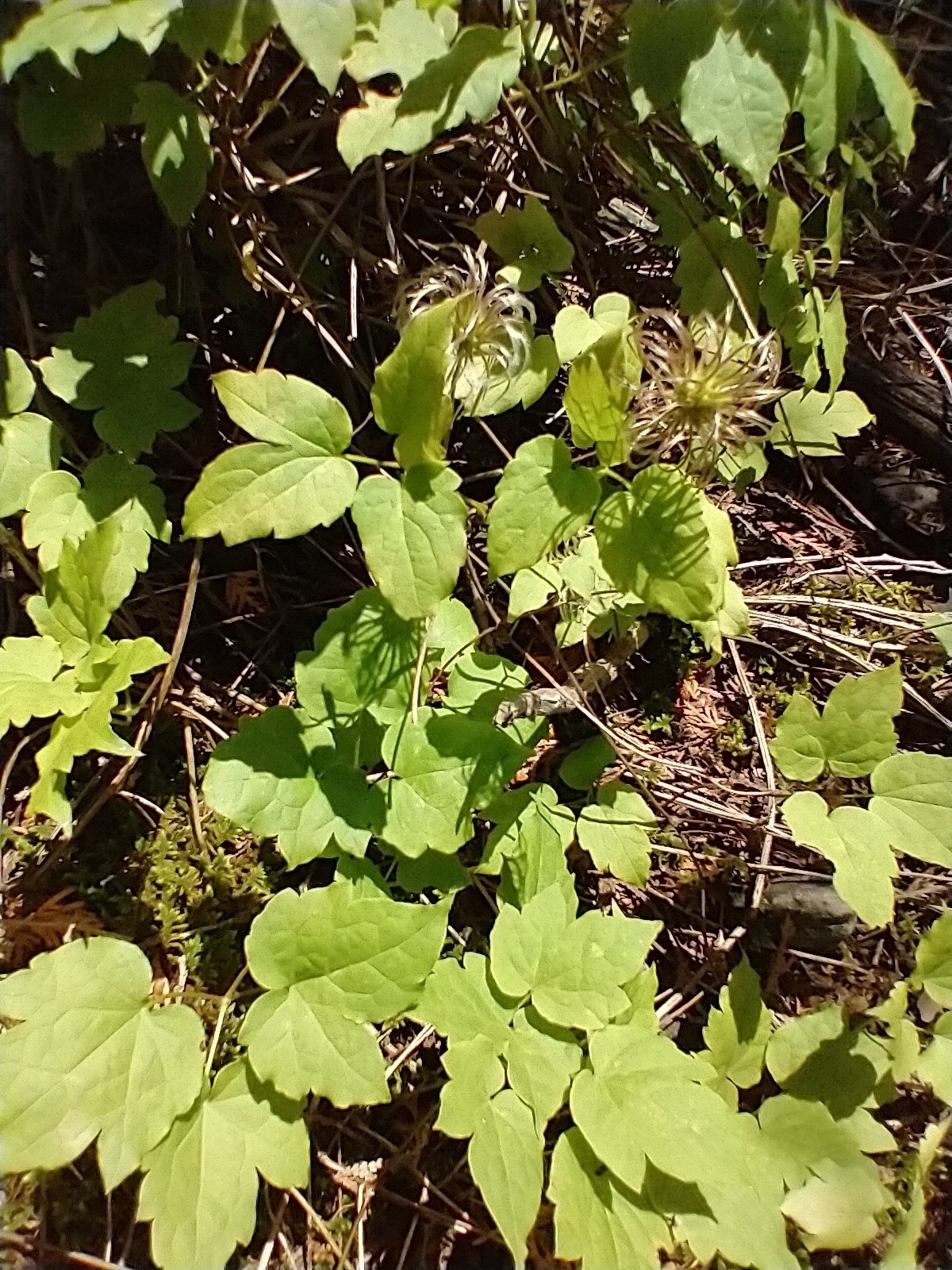
- Green, divided leaves with toothed leaflets; deciduous.
- Growth
- Moderate
- Care needed
- Low
The year at a glance
- Pollinators
- Cold hardy
- Low allergen
| J | F | M | A | M | J | J | A | S | O | N | D | |
|---|---|---|---|---|---|---|---|---|---|---|---|---|
| Flowers | ||||||||||||
| Fruit | ||||||||||||
| Plant |
Northern hemisphere months. In Australia, shift them by six.
- Difficulty
- Easy
- Toughness
- Very tough
Will it suit your garden?
Pick your zone, country, light and whether you have pets.
Full sun is 6 or more hours of direct sun a day, part shade 3 to 6 hours, shade under 3.
How it grows
Planting day
2 ft (0.6 m)
After 1 year
3 ft (0.9 m)
After 2 years
4 ft (1.2 m)
After 3 years
5 ft (1.5 m)
After 5 years
6 ft (1.8 m)
full size
About 4 years to full size.
From a typical nursery size, at an average rate for this kind of plant. A rule of thumb, not a forecast.
Good to know
- Cats and dogs
- Toxic
- Growth rate
- Moderate
Care
Jobs through the year
- WaterApr–May, Sep–Oct, every 14 days
- Water established plants only during dry spells; keep new plants evenly moist through their first season.
- WaterJun–Aug, every 7 days
- During prolonged dry weather, water established roots deeply and let the surface dry slightly between soakings.
- MulchMar–Apr
- Apply 5 cm of compost or leaf mould, keeping it away from the crown.
- FeedMar–Apr
- Feed lightly with balanced fertiliser only if growth is weak or soil is poor.
- PruneMay–Jun
- After flowering, remove damaged stems and shorten selected shoots only if necessary; retain healthy flowering wood.
- ProtectMar–Apr
- Check emerging shoots for slugs and protect vulnerable young growth.
- ProtectOct–Nov
- Clear fallen leaves from the crown and maintain free winter drainage.
- Plant with the crown at soil level; unlike many large-flowered clematis, it does not need deep planting.
- Provide thin wires, mesh or twiggy supports that its leaf stalks can grip.
- Water deeply during the first growing season and during prolonged dry weather.
- Apply a balanced fertiliser in spring if growth is weak or the soil is poor.
- Mulch with 2 in (5 cm) of compost or leaf mould in spring, keeping it away from the stems.
Pruning. Pruning group 1: normally prune only to remove dead or damaged stems after spring flowering. If it outgrows its space, shorten selected stems immediately after flowering rather than cutting it back in winter and losing the next spring's flowers.
Through the year
- Early spring
- Check supports and gently tie in loose stems without removing healthy flowering wood.
- Spring
- Apply compost mulch and feed if needed; keep mulch clear of the crown.
- Late spring
- After flowering, remove damaged growth and shorten stems only where space requires it.
- Summer
- Water during dry spells and guide new shoots onto their support.
- Late summer
- Layer a low-growing shoot into a pot or nearby soil to produce another plant.
- Autumn
- Clear fallen leaves from the crown and check that winter rain can drain freely.
In the garden
- Train over a narrow trellis beside a path where the downward-facing flowers can be seen at eye level.
- Let it climb through a sturdy, open-branched shrub for an extra layer of spring flowers.
- Use on an open fence at the edge of a woodland garden, with hellebores and ferns below.
- Grow over a modest arch or obelisk, retaining the seedheads for interest after flowering.
Garden styles it suits: Cottage garden, Woodland, Romantic rose garden, English country, Alpine rock garden and Small-space.
Plant it with: Hellebores, Snowdrops, Brunnera, Hardy geraniums, Lady fern and Lilac.
Wildlife: Flowers provide pollen and nectar for early insects, including bees. Established stems can offer shelter for small garden animals.
Problems to watch for
- Slugs and snails can eat emerging shoots: check young plants at dusk and use barriers or iron-phosphate bait according to the label.
- Aphids may cluster on soft growth: wash them off with water and encourage ladybirds and other predators.
- Root rot can kill plants in wet soil: improve drainage or move the plant to a raised position; avoid repeated watering of already wet ground.
- Few flowers often follow winter pruning or very deep shade: retain last year's stems and provide a brighter position.
Safety
Toxic to people, cats, dogs and horses if chewed or eaten. All parts contain irritant compounds, especially in fresh sap, and can cause mouth irritation, drooling, vomiting or diarrhoea; substantial ingestion can be serious. Sap may also irritate skin, so wear gloves when pruning.
Easily confused with
Downy clematis (Clematis macropetala)
Its flowers usually have numerous long, petal-like inner segments, giving a fuller, double-looking bell. Typical alpine clematis has four prominent outer sepals surrounding a much shorter pale centre;
Anemone clematis (Clematis montana)
It is usually much more vigorous and bears open, flat, white or pink flowers rather than nodding blue-violet bells.
The name
Clematis comes from the Greek for a climbing shoot or vine, while alpina means alpine, referring to its mountain habitat.
Propagation. Layer a low stem in summer, or take softwood to semi-ripe cuttings from late spring into summer. Species plants can be raised from seed, which may need a period of cold and can germinate slowly; named cultivars do not reliably come true from seed.
Checked against open data
- Accepted botanical name
- Clematis alpina
- Native range
- Altay, Amur, Austria, Bulgaria, Buryatiya, Central European Rus, China North-Central, Chita, Czechoslovakia, East European Russia, Finland and France.
- Measured
- Soil pH 5.5 to 6.5. Average height 150 cm.
Sources: GBIF (CC BY 4.0) and Trefle (CC BY 4.0). The care and design notes are LandscapeGPT's own.
See it in your own yard.
Upload a photo of your yard and see it redesigned with plants that suit your climate, each checked against your zone.