Aphrodite rose of Sharon
Hibiscus syriacus 'Aphrodite'. Family Malvaceae. Shrub.
Also called Hibiscus syriacus 'Aphrodite', Aphrodite shrub althea.
A deciduous, upright shrub grown for large, single pink flowers with a dark red eye from midsummer into autumn. 'Aphrodite' is a triploid selection that produces little or no seed, making it less prone to self-sowing than ordinary rose of Sharon.
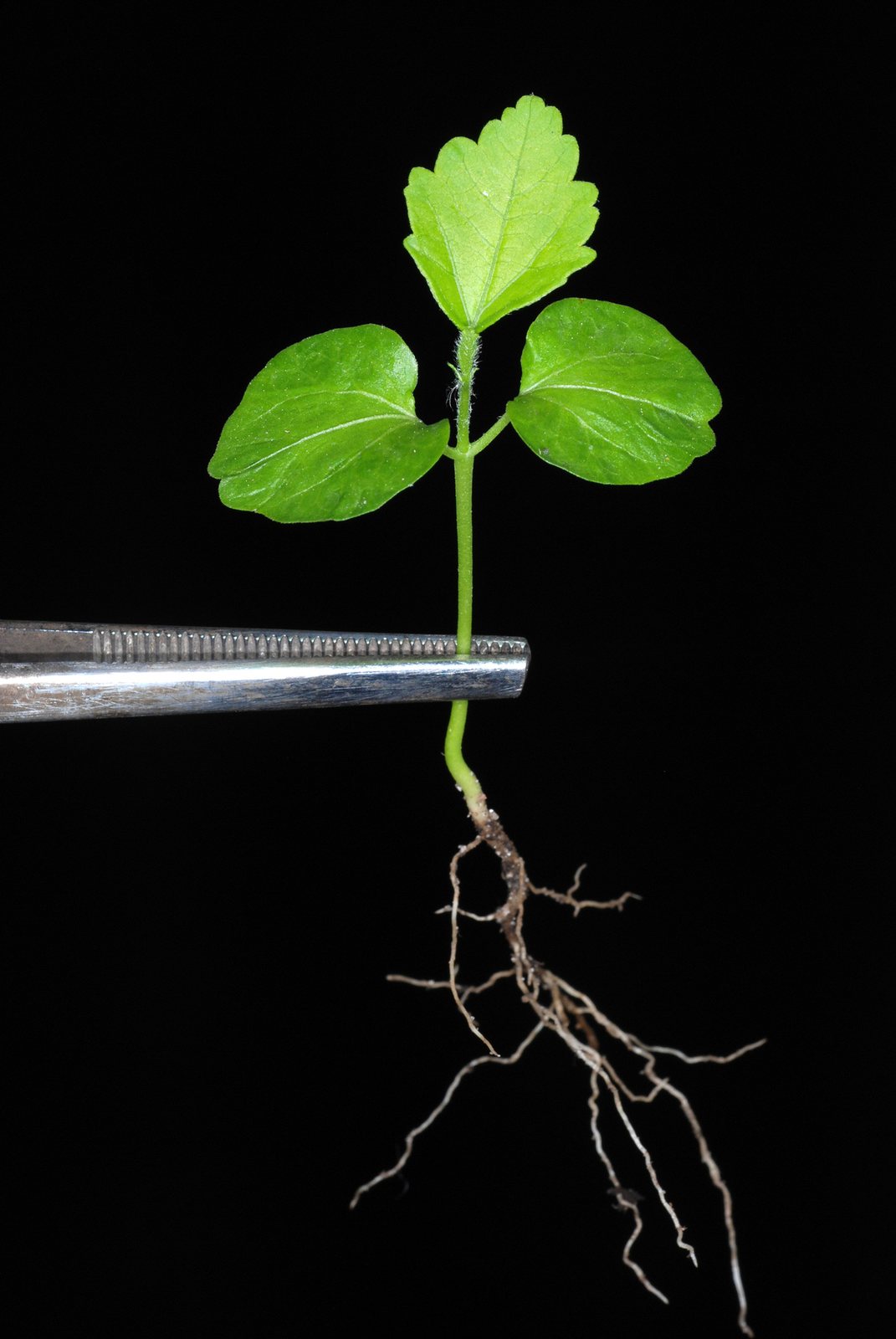
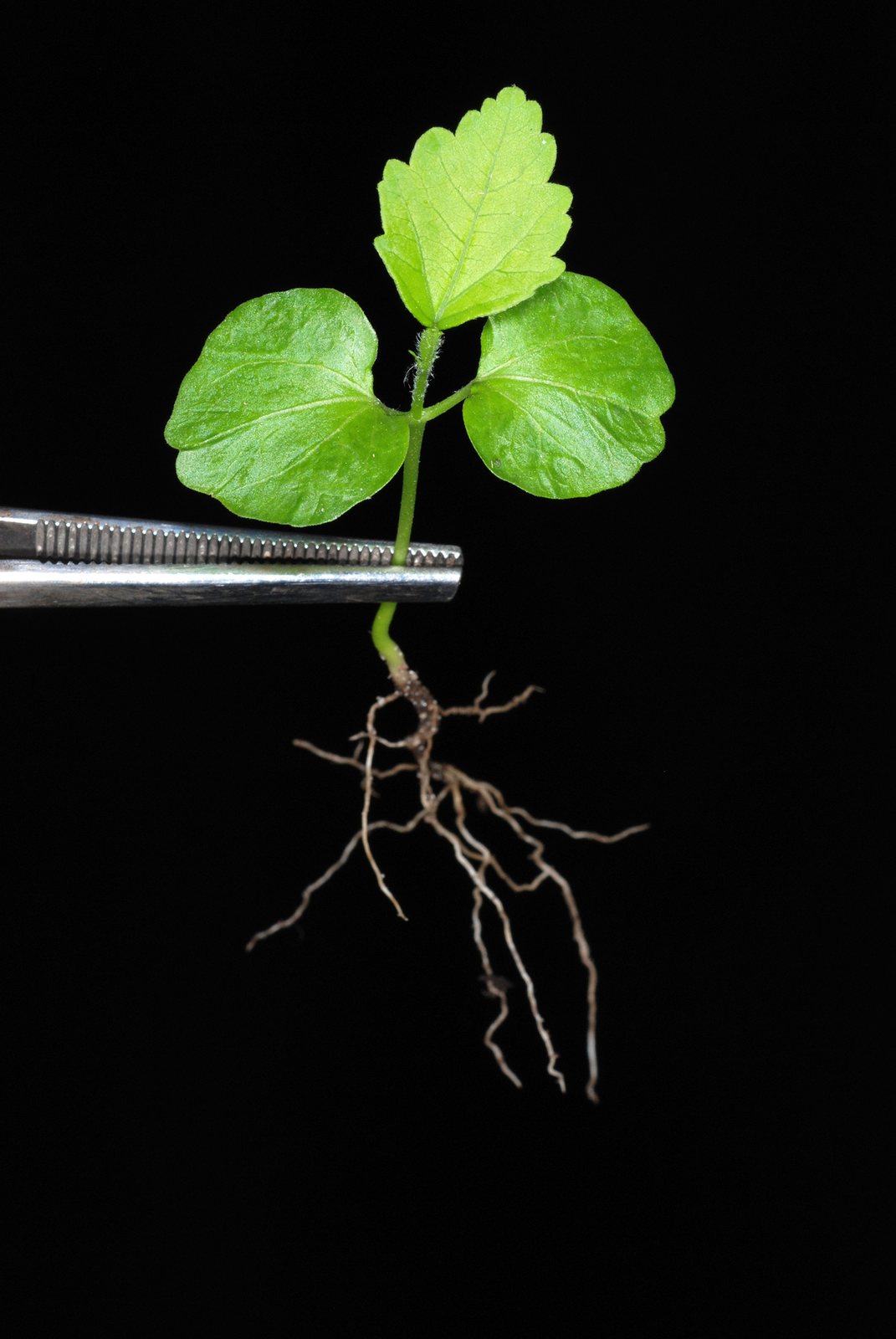
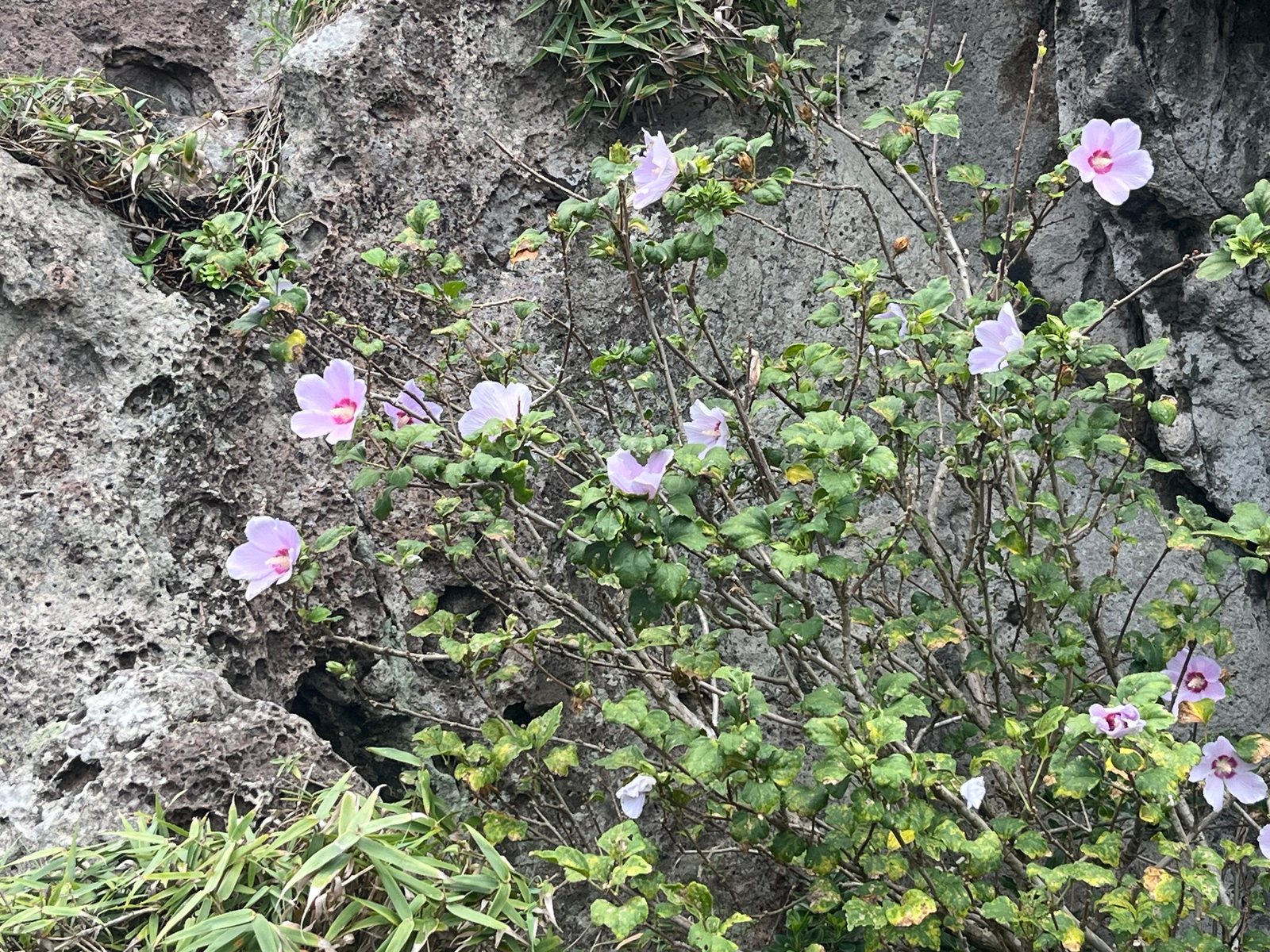
At a glance
- Sun
- Full sun gives the best flowering; tolerates partial shade but flowers less freely.
- Water
- Water regularly during establishment. Once established, water deeply during prolonged dry spells, especially while flowering; avoid persistently wet soil.
- Soil
- Well-drained loam, clay or sandy soil, preferably moderately fertile. Tolerates a fairly wide pH range.
- Height
- 8-10 ft (2.4-3 m)
- Spread
- 6-8 ft (1.8-2.4 m)
- Flowers
- Midsummer to early autumn; large, single, ruffled pink flowers with a deep red eye.
- Foliage
- Medium to dark green, toothed, often three-lobed leaves; emerges late in spring and may turn yellow in autumn.
- Growth
- Moderate
- Care needed
- Low
The year at a glance
- Pollinators
- Drought tolerant
- Heat tolerant
- Low allergen
| J | F | M | A | M | J | J | A | S | O | N | D | |
|---|---|---|---|---|---|---|---|---|---|---|---|---|
| Flowers | ||||||||||||
| Plant |
Northern hemisphere months. In Australia, shift them by six.
- Difficulty
- Easy
- Toughness
- Very tough
Will it suit your garden?
Pick your zone, country, light and whether you have pets.
Full sun is 6 or more hours of direct sun a day, part shade 3 to 6 hours, shade under 3.
How it grows
Planting day
1.6 ft (0.5 m)
After 1 year
3 ft (0.94 m)
After 2 years
5 ft (1.4 m)
After 3 years
6 ft (1.8 m)
After 5 years
9 ft (2.7 m)
full size
About 5 years to full size.
From a typical nursery size, at an average rate for this kind of plant. A rule of thumb, not a forecast.
Good to know
- Cats and dogs
- Safe
- Growth rate
- Moderate
Care
Jobs through the year
- WaterApr–May, Sep–Oct, every 14 days
- Water established shrubs deeply only during dry spells; new shrubs need more frequent moisture checks.
- WaterJun–Aug, every 7 days
- During prolonged drought, water established shrubs deeply to reduce bud drop; water new shrubs more often as needed.
- PruneFeb–Mar
- Remove dead, damaged and crossing branches and lightly shorten overlong shoots before new growth.
- MulchMar, Oct
- Maintain 5–8 cm of organic mulch over roots, keeping it clear of stems.
- FeedMar–Apr
- Apply a balanced slow-release feed only if growth is weak or soil is poor.
- ProtectMay–Aug
- Wash aphids from shoots; hand-pick Japanese beetles where present.
- Water deeply during the first growing season whenever the root zone begins to dry.
- Apply 2-3 in (5-8 cm) of organic mulch over the roots, keeping it clear of the stems.
- In spring, add compost; use a balanced slow-release fertiliser only if growth is weak or the soil is poor.
- Water established plants during extended drought to reduce bud drop.
- In cool districts, choose a sunny, sheltered position to help the wood ripen and improve flowering.
Pruning. Prune in late winter or early spring, removing dead, damaged and crossing branches before shortening any overlong shoots. It flowers on new growth, so moderate spring pruning will not remove the coming season's flower buds.
Through the year
- Late winter
- Remove dead or crossing branches and lightly shape the shrub while dormant.
- Spring
- Plant when the soil is workable and not waterlogged; water thoroughly and mulch.
- Late spring
- Check for new buds before assuming bare branches are dead; this shrub leafs out late.
- Early summer
- Inspect tender shoots for aphids and wash off small colonies with water.
- Summer
- Water deeply during prolonged dry weather, particularly if unopened buds begin dropping.
- Autumn
- Remove any seed capsules if preventing self-sowing is important; renew mulch without covering the stem bases.
In the garden
- Place at the back of a sunny mixed border for flowers after many spring shrubs have finished.
- Plant as an informal flowering screen, allowing room for its mature width.
- Use as a specimen beside a patio, where the large flowers can be seen closely.
- Combine with catmint, ornamental grasses and late-flowering perennials for a long summer display.
Garden styles it suits: Cottage garden, Traditional, Romantic rose garden, Modern courtyard, Pollinator garden and Low-maintenance.
Plant it with: Catmint, Russian sage, Coneflower, Black-eyed Susan, Switchgrass and Hardy geranium.
Wildlife: The open flowers provide pollen and nectar for bees and may attract butterflies and hummingbirds where these occur. It is not a native shrub in the United States, the United Kingdom, Canada or Australia.
Problems to watch for
- Aphids can cluster on soft shoots; wash them off with a firm spray of water and encourage ladybirds and other predators.
- Japanese beetles may chew flowers and leaves in affected parts of North America; hand-pick them into soapy water rather than placing beetle traps beside the shrub.
- Bud drop can follow drought, waterlogging or sudden changes in moisture; maintain even moisture and improve drainage where needed.
- Poor flowering commonly results from shade, excessive nitrogen or insufficient summer warmth; provide more sun, avoid heavy feeding and choose a sheltered site in cool climates.
Safety
Not known to be toxic to cats, dogs, horses or people. No part is generally regarded as poisonous, although eating large quantities of plant material can cause digestive upset.
Where it spreads. The species self-seeds aggressively and is listed as invasive in parts of the eastern United States, including some Mid-Atlantic and southeastern states. 'Aphrodite' produces little or no viable seed and poses a much lower self-seeding risk, but check local guidance before planting.
Easily confused with
Chinese hibiscus (Hibiscus rosa-sinensis)
Usually has glossy, evergreen leaves and needs frost-free conditions; rose of Sharon has duller, often lobed leaves and loses them in winter.
Hardy hibiscus (Hibiscus moscheutos and hybrids)
Has much larger, dinner-plate flowers and herbaceous stems that die back to the ground each winter, rather than a persistent woody framework.
Confederate rose (Hibiscus mutabilis)
Has much larger, softly hairy, maple-like leaves; many forms have flowers that change from white to pink as they age.
The name
The cultivar name 'Aphrodite' refers to the Greek goddess of love and beauty; the species name syriacus means 'Syrian', although the plant is native to eastern Asia.
Propagation. Take softwood cuttings in late spring or early summer, or semi-ripe cuttings later in summer. Seed is rarely produced and will not reliably reproduce the cultivar.
Checked against open data
- Accepted botanical name
- Hibiscus syriacus
- In the US and Canada
- Introduced in the lower 48 states.
- Native range
- China South-Central, China Southeast and Taiwan.
- Measured
- Average height 213 cm.
Sources: GBIF (CC BY 4.0), USDA PLANTS and Trefle (CC BY 4.0). The care and design notes are LandscapeGPT's own.
See it in your own yard.
Upload a photo of your yard and see it redesigned with plants that suit your climate, each checked against your zone.