Arbequina olive
Olea europaea 'Arbequina'. Family Oleaceae. Tree.
Also called Arbequina olive tree.
Arbequina is a relatively compact evergreen olive grown for its silvery foliage and small, oil-rich fruit. It suits sunny, sheltered gardens with dry summers and mild winters, and grows well in a large container. It is self-fertile, although another compatible olive nearby can improve cropping; cool, wet summers often limit fruit ripening.
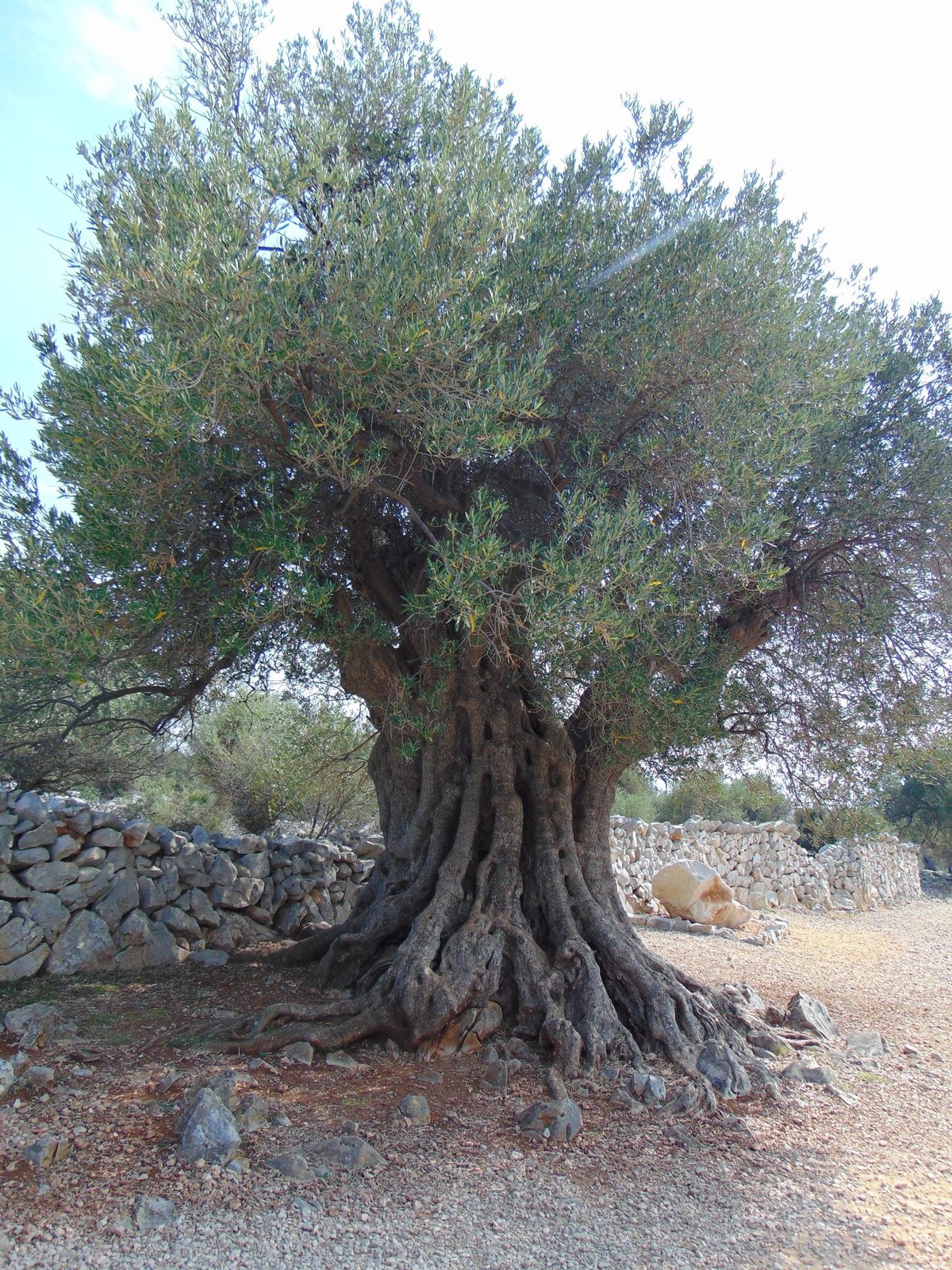
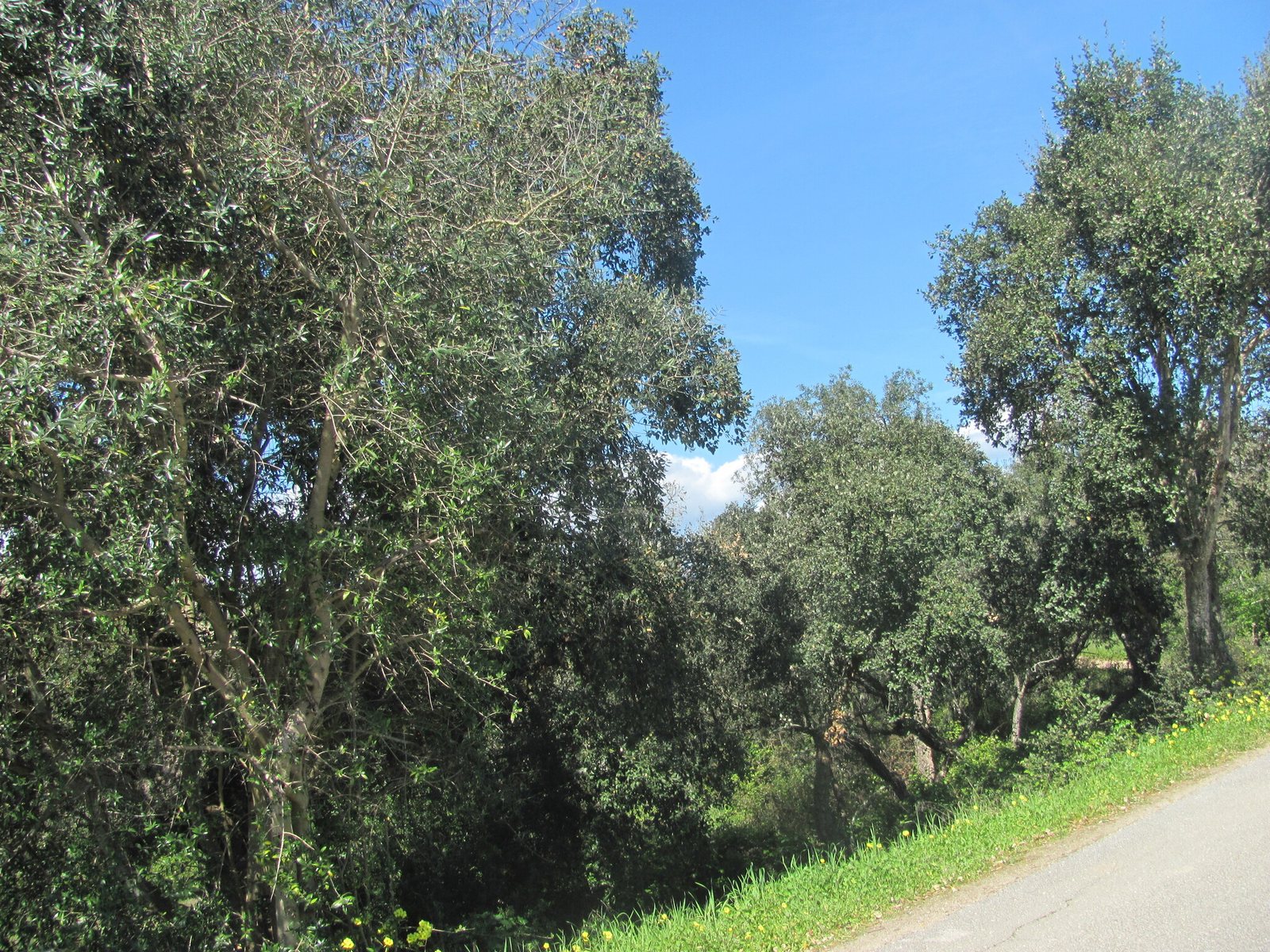
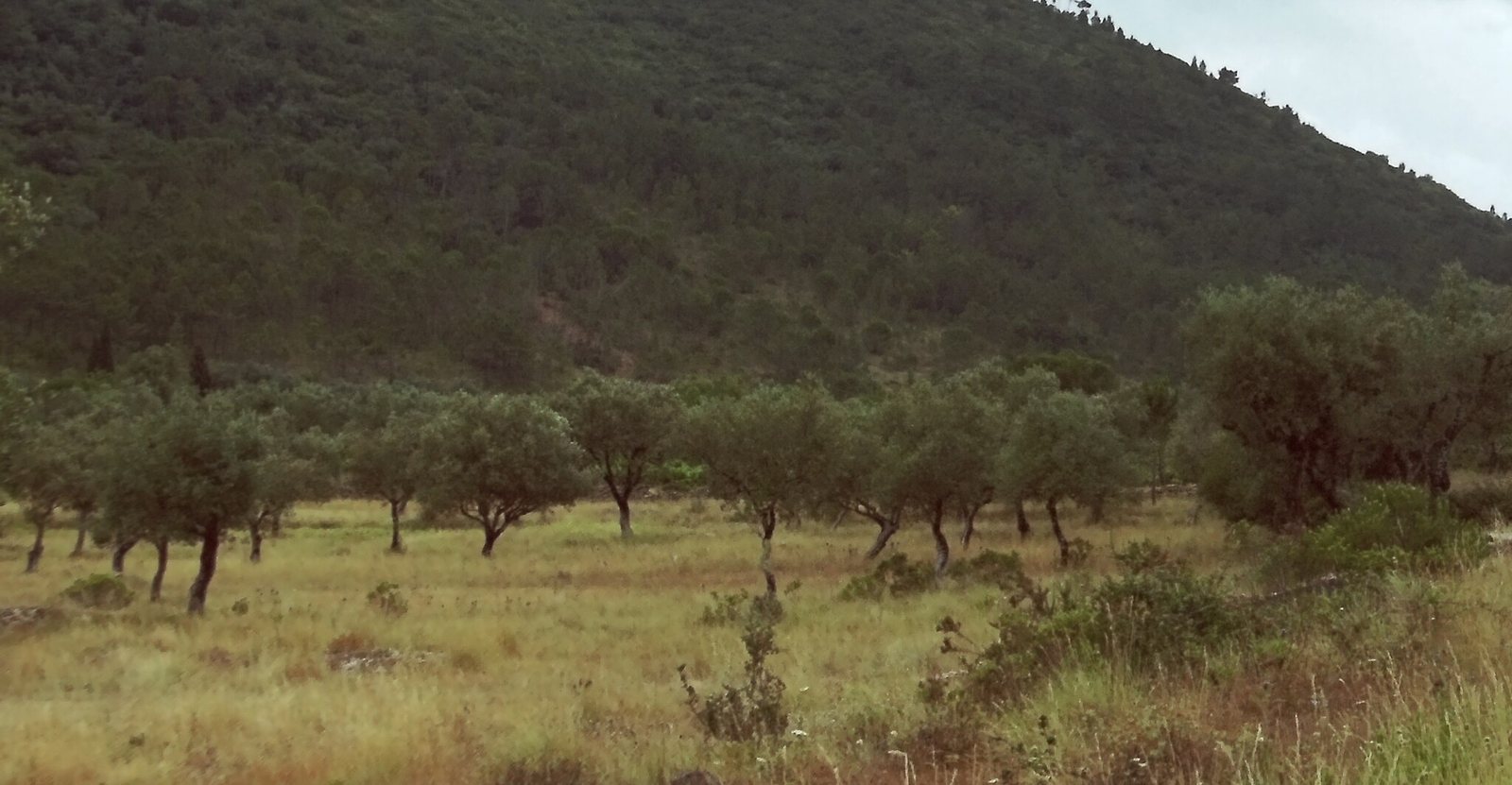
At a glance
- Sun
- Full sun; choose a warm, sheltered position for reliable fruit ripening.
- Water
- Water regularly while establishing and during fruit development; established trees tolerate drought. Let container compost begin to dry between thorough waterings.
- Soil
- Well-drained soil, including sandy, stony or chalky ground; tolerates moderately alkaline conditions. Avoid waterlogged clay and standing winter moisture.
- Height
- 15-20 ft (4.5-6 m), usually smaller in containers
- Spread
- 10-15 ft (3-4.5 m)
- Flowers
- Small creamy-white flowers in late spring to early summer.
- Foliage
- Evergreen. Narrow, leathery grey-green leaves with silvery undersides.
- Growth
- Slow to moderate
- Care needed
- Medium
The year at a glance
- Deer resistant
- Drought tolerant
- Heat tolerant
- Wildlife
- Edible
| J | F | M | A | M | J | J | A | S | O | N | D | |
|---|---|---|---|---|---|---|---|---|---|---|---|---|
| Flowers | ||||||||||||
| Fruit | ||||||||||||
| Plant |
Northern hemisphere months. In Australia, shift them by six.
- Difficulty
- Hard
- Toughness
- Fairly tough
Will it suit your garden?
Pick your zone, country, light and whether you have pets.
Full sun is 6 or more hours of direct sun a day, part shade 3 to 6 hours, shade under 3.
How it grows
Planting day
7 ft (2 m)
After 1 year
7 ft (2.1 m)
After 2 years
7 ft (2.3 m)
After 3 years
8 ft (2.4 m)
After 5 years
9 ft (2.6 m)
About 26 years to full size.
From a typical nursery size, at an average rate for this kind of plant. A rule of thumb, not a forecast.
Good to know
- Cats and dogs
- Safe
- Invasive in
- the US and Australia
- Growth rate
- Slow
Care
Jobs through the year
- WaterApr–May, Sep–Oct, every 14 days
- For established trees in suitable ground, water during dry spells; check pots much more often.
- WaterJun–Aug, every 7 days
- Water in-ground trees during drought and fruit swelling; young trees and pots need more.
- WaterJan–Mar, Nov–Dec, every 21 days
- Check sheltered pots and water lightly only when compost has begun to dry.
- FeedApr–May
- Feed container trees with balanced fertilizer at the label rate; avoid excess nitrogen.
- MulchMay
- Mulch the root area lightly, keeping material clear of the trunk.
- PruneMay–Jun
- After hard-frost risk, remove dead, crossing and basal shoots, retaining last year's growth.
- ProtectJan–Mar, Oct–Dec
- In zones 6–7, keep in a movable pot and overwinter in bright, cool, frost-free shelter.
- ProtectJun–Aug
- Inspect stems and leaf undersides for scale and treat persistent infestations appropriately.
- HarvestSep–Dec
- Pick full-sized green or darkening olives if they ripen; properly cure before eating.
- Plant after severe frost risk has passed, keeping the root flare at soil level.
- Water deeply through the first two growing seasons; avoid frequent light sprinkling.
- Use a container with generous drainage holes and a free-draining, loam-based potting mix.
- Feed container trees with a balanced fertiliser in spring; avoid heavy nitrogen feeding, which encourages leafy growth rather than fruit.
- Keep mulch away from the trunk and remove weeds around young trees.
- Protect young trees from hard freezes; move pots into a bright, cool, frost-free place where winters are severe.
Pruning. Prune lightly in late spring, after the risk of hard frost, removing dead wood, basal shoots and crossing branches. Thin crowded growth rather than shearing the whole crown, because olives flower and fruit on the previous season's shoots.
Harvest
Expect a first worthwhile crop about 3-5 years after planting a young nursery tree, depending on climate and care. Hand-pick olives from autumn into early winter, either green at full size for curing or as they turn purple-black for riper fruit and oil. Fresh olives are intensely bitter and must be properly cured before eating; oil extraction requires suitable equipment.
Through the year
- Late winter
- Check frost protection and container drainage; keep sheltered trees lightly watered rather than completely dry.
- Spring
- Plant once severe frosts are over and begin feeding container-grown trees.
- Late spring
- Prune lightly after frost risk has passed, preserving plenty of last year's growth.
- Summer
- Water during prolonged dry spells, especially in pots and while fruit is swelling; inspect for scale insects.
- Autumn
- Pick full-sized green olives for curing, or leave fruit to darken for a later harvest.
- Late autumn
- Move containers under bright, cool shelter in cold climates and clear fallen fruit.
In the garden
- Use as a small specimen tree in a sunny gravel garden with lavender and rosemary.
- Grow in a large container as a focal point in a courtyard or on a sheltered terrace.
- Train with a clear trunk above low, drought-tolerant planting to show its bark and silver foliage.
- Include in a small edible garden or orchard where summers are warm enough to ripen olives.
Garden styles it suits: Mediterranean, Modern Mediterranean, Modern courtyard, Dry gravel garden, Edible landscape and Tuscan villa.
Plant it with: Lavender, Rosemary, Thyme, Santolina, Rockrose and Society garlic.
Wildlife: Birds may eat ripe olives and spread the seeds. The evergreen crown provides shelter; flowers are mainly wind-pollinated rather than a major nectar source.
Problems to watch for
- Root rot in wet soil: improve drainage before planting, avoid overwatering and never leave a pot standing in water.
- Peacock spot: dark circular leaf spots and leaf fall are encouraged by damp conditions; remove fallen leaves, improve airflow and avoid wetting foliage.
- Scale insects: inspect stems and leaf undersides, prune out badly affected shoots and use a locally approved horticultural oil according to its label.
- Olive fruit fly where present: larvae spoil fruit; collect fallen and infested olives promptly and follow local monitoring and control advice.
Safety
Olive leaves and fruit are not known to be toxic to cats, dogs, horses or people. Raw olives are very bitter, pits are choking and intestinal-obstruction hazards, and salty cured olives are unsuitable treats for pets.
Where it spreads. Olea europaea spreads by bird-carried seed and is invasive in parts of California and southern Australia, particularly South Australia, Victoria and Western Australia. Arbequina is a fruiting cultivar, not a sterile alternative; check local advice before planting near bushland and collect unwanted fruit.
Easily confused with
Russian olive (Elaeagnus angustifolia)
Usually deciduous, with alternate leaves that are silvery on both sides, sometimes thorny branches and pale, mealy fruit; true olive has opposite leaves with greener upper surfaces.
Sweet olive (Osmanthus fragrans)
Has broader, glossy green leaves without silvery undersides and strongly fragrant flowers; it is not the tree grown for culinary olives.
The name
Olea is the Latin name for olive, europaea means European, and Arbequina takes its name from Arbeca in Catalonia, Spain.
Propagation. Propagate from semi-ripe cuttings in summer, usually with rooting hormone and a free-draining medium; rooting can be slow. Seedlings do not reliably retain Arbequina's characteristics.
Checked against open data
- Accepted botanical name
- Olea europaea
- In the US and Canada
- Introduced in Hawaii and the lower 48 states.
- Native range
- Afghanistan, Albania, Algeria, Angola, Baleares, Botswana, Burundi, Canary Is., Cape Provinces, China South-Central, Cyprus and Djibouti.
- Measured
- Soil pH 6.5 to 7. Average height 450 cm.
Sources: GBIF (CC BY 4.0), USDA PLANTS and Trefle (CC BY 4.0). The care and design notes are LandscapeGPT's own.
See it in your own yard.
Upload a photo of your yard and see it redesigned with plants that suit your climate, each checked against your zone.