Arizona cypress
Cupressus arizonica. Family Cupressaceae. Tree.
Also called Rough-barked Arizona cypress, Hesperocyparis arizonica.
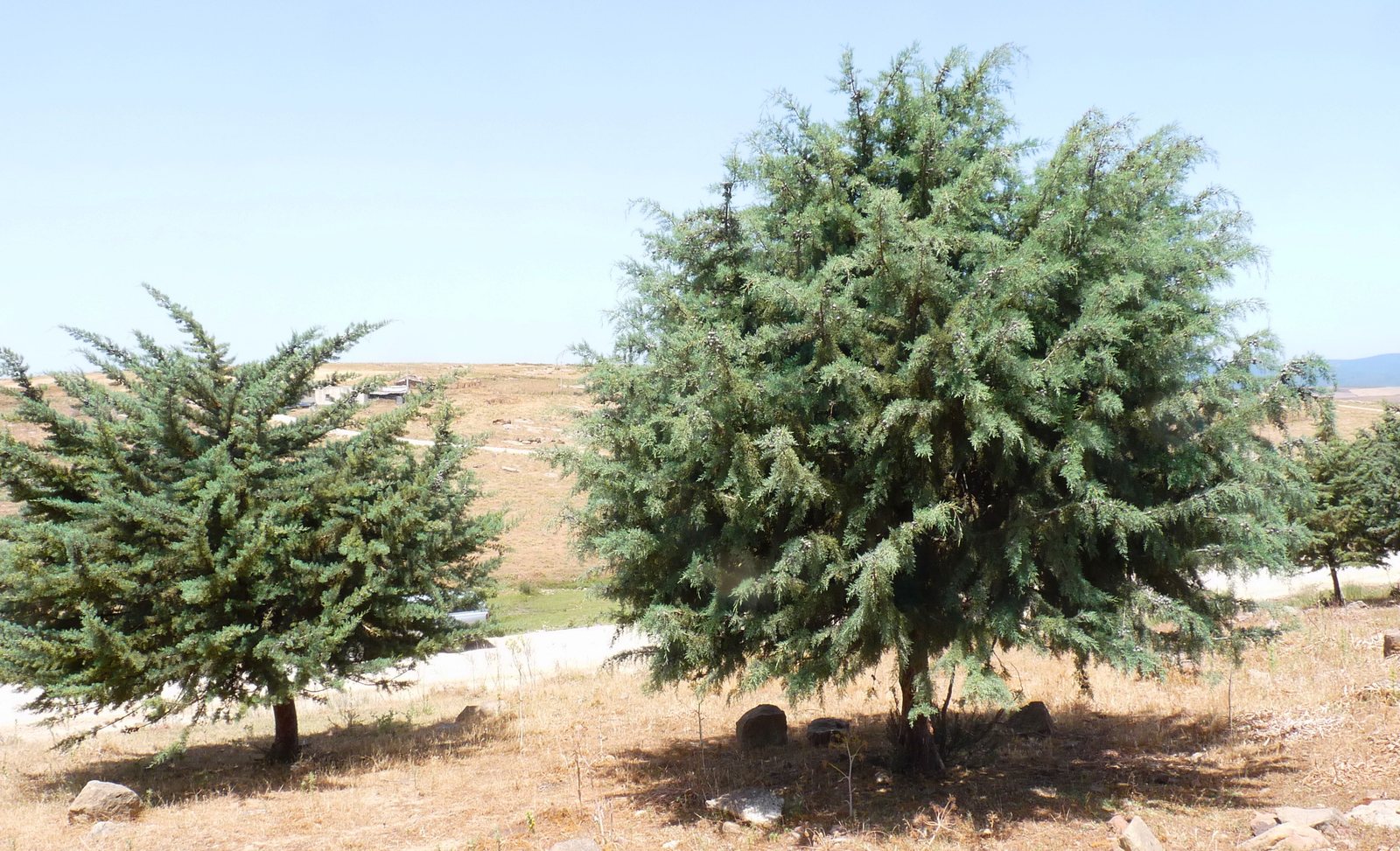
Arizona cypress is a large evergreen conifer native to the southwestern United States and northern Mexico, grown for its dense crown, grey-green foliage and tolerance of dry conditions once established. It makes a substantial screen or specimen in sunny, well-drained gardens, but is less dependable in persistently wet soil or cool, damp sites.
At a glance
- Sun
- Full sun; allow space around the crown for good air circulation.
- Water
- Water regularly while establishing; low water needs once established. Give an occasional deep watering during prolonged drought rather than frequent light watering.
- Soil
- Well-drained sandy, gravelly or loamy soil; tolerates alkaline soil and relatively poor ground. Avoid waterlogged soil and heavy, poorly drained clay.
- Height
- 40-60 ft (12-18 m)
- Spread
- 15-25 ft (4.5-7.5 m)
- Foliage
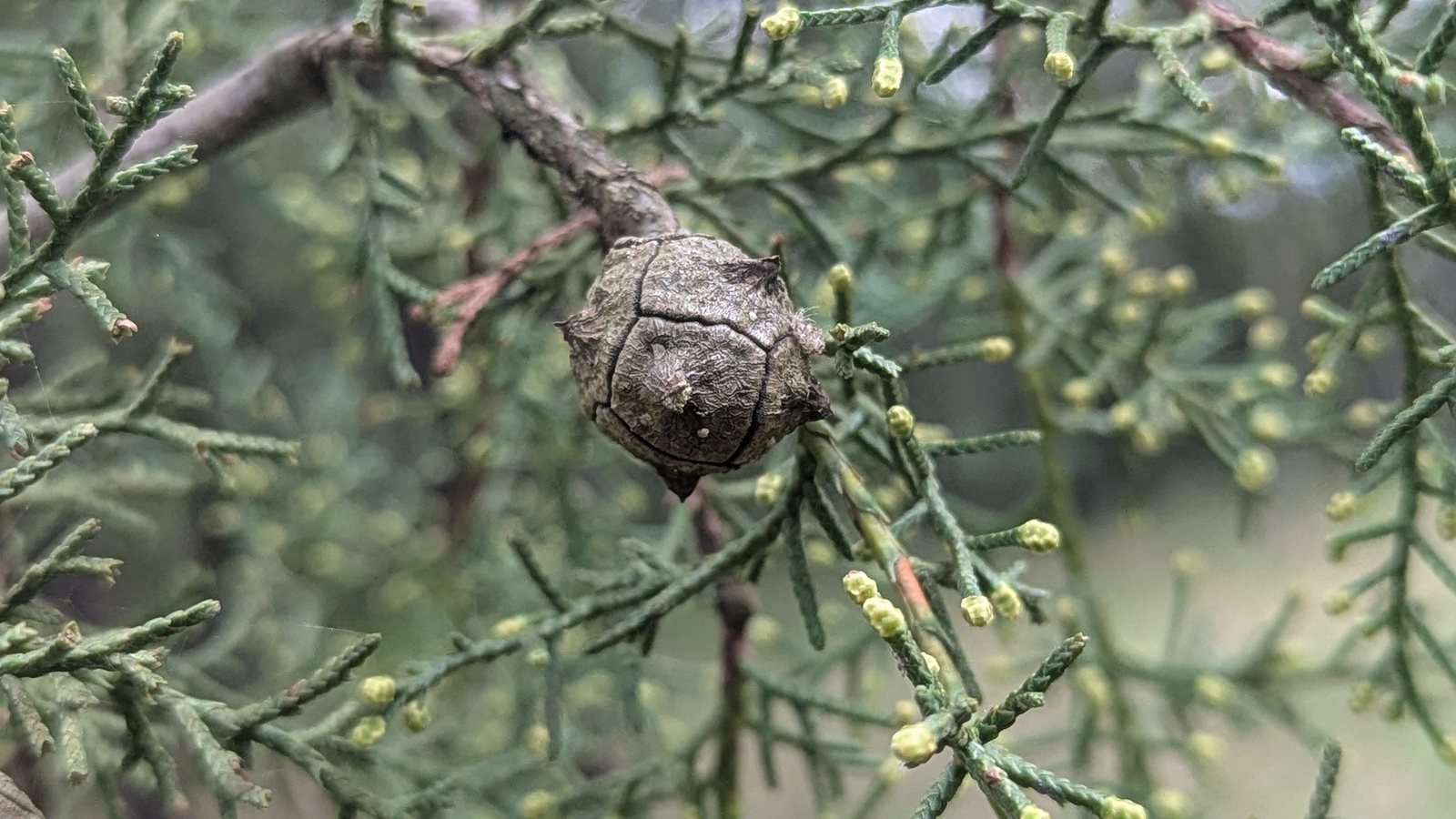
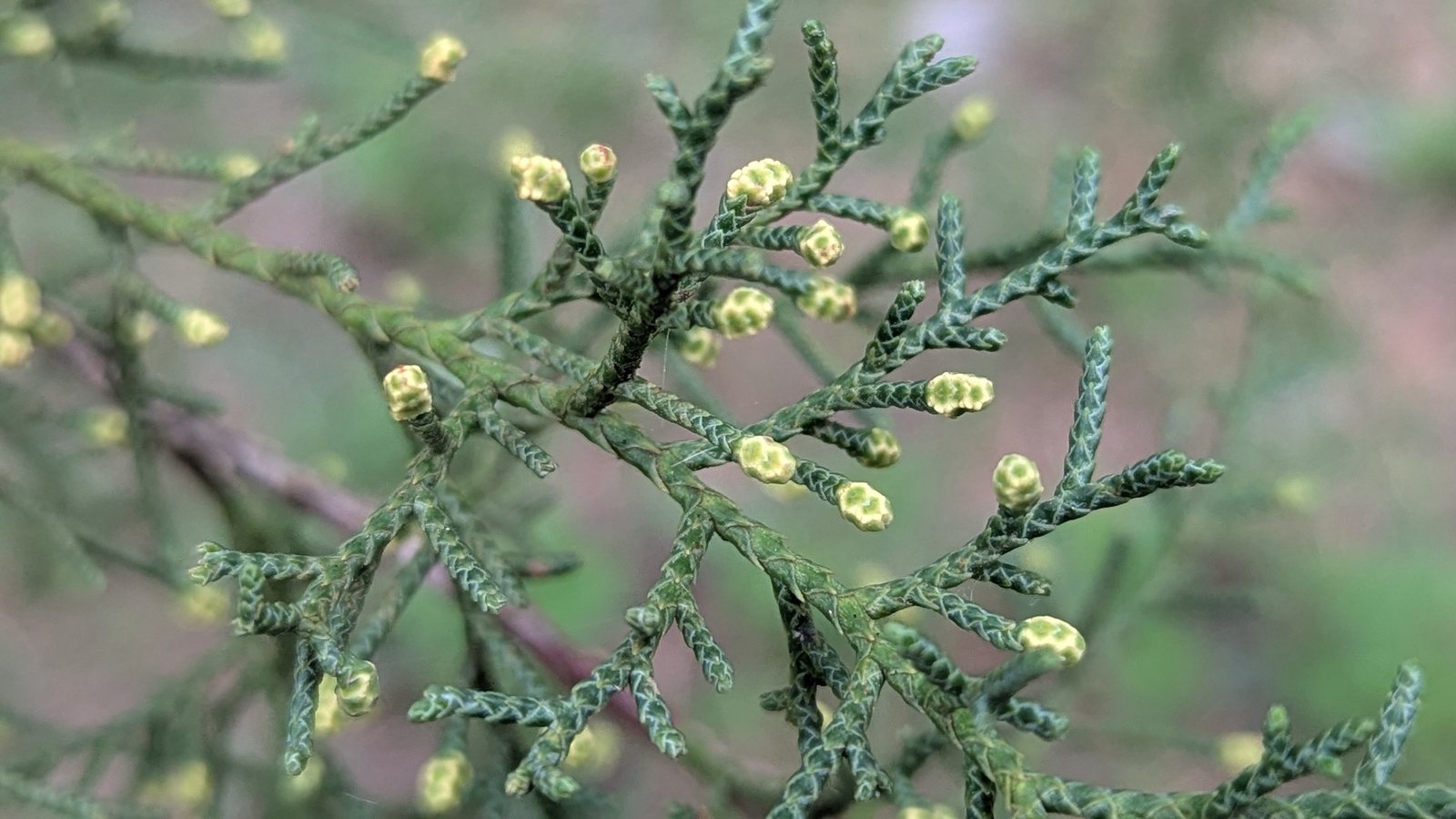
- Evergreen, aromatic, scale-like leaves in rounded sprays, usually grey-green to blue-green. Small woody cones persist on the branches; mature bark is rough and furrowed.
- Growth
- Moderate to fast when young; slower on dry or poor sites.
- Care needed
- Low
The year at a glance
- Deer resistant
- Drought tolerant
- Heat tolerant
- Wildlife
| J | F | M | A | M | J | J | A | S | O | N | D | |
|---|---|---|---|---|---|---|---|---|---|---|---|---|
| Fruit | ||||||||||||
| Plant |
Northern hemisphere months. In Australia, shift them by six.
- Difficulty
- Easy
- Toughness
- Very tough
Will it suit your garden?
Pick your zone, country, light and whether you have pets.
Full sun is 6 or more hours of direct sun a day, part shade 3 to 6 hours, shade under 3.
How it grows
Planting day
7 ft (2 m)
After 1 year
9 ft (2.7 m)
After 2 years
11 ft (3.3 m)
After 3 years
13 ft (4 m)
After 5 years
17 ft (5.3 m)
About 20 years to full size.
From a typical nursery size, at an average rate for this kind of plant. A rule of thumb, not a forecast.
Good to know
- Cats and dogs
- Mildly toxic: may upset a stomach
- Native to
- the US
- Growth rate
- Moderate
Care
Jobs through the year
- WaterApr–May, Sep–Oct, every 28 days
- Established trees need water only in extended drought; water young trees more often.
- WaterJun–Aug, every 21 days
- Give established trees a deep soak during prolonged drought; let surface soil dry between soakings.
- MulchMar–Apr
- Maintain 5–8 cm of mulch over the roots, keeping the trunk clear.
- PruneFeb–Mar
- In dry weather remove damaged or diseased branches; keep shaping within leafy growth.
- ProtectJun–Aug, every 14 days
- Inspect browning foliage for mites or bagworms; remove accessible bagworm cases.
- ProtectJan–Feb, Nov–Dec
- Prevent waterlogging and shelter young trees on exposed sites; zone 6 winters may cause damage.
- Plant with the root flare at soil level, away from wet hollows and frequently irrigated lawns.
- Water deeply through the first two growing seasons, allowing the surface soil to dry between waterings.
- Apply 2-3 in (5-8 cm) of mulch over the root area, keeping it clear of the trunk.
- Do not routinely fertilise established trees; excess nitrogen encourages soft growth.
- Stake only if the root ball moves in wind, and remove supports after the tree is firmly rooted.
Pruning. Remove dead, damaged or crossing branches in late winter or early spring during dry weather. Keep any shaping within leafy growth: bare old wood usually does not regrow, so avoid hard cutting or topping.
Through the year
- Spring
- Plant in colder areas once the soil is workable; water thoroughly and mulch.
- Early spring
- Inspect for dead branches and cankers; prune affected branches during dry weather.
- Late spring
- Check young trees for loose ties and remove stakes once roots hold the tree securely.
- Summer
- Water establishing trees deeply during dry spells; inspect browning foliage for mites or bagworms.
- Autumn
- Plant in mild climates where winter soil drains freely; replenish mulch without covering the trunk.
- Winter
- Check drainage after heavy rain and avoid piling cleared snow against young trees.
In the garden
- Use as a large specimen in a sunny gravel garden, with enough space for its mature crown.
- Plant a loosely spaced screen or windbreak where its evergreen foliage can reach the ground without repeated clipping.
- Set behind lavender, sage and ornamental grasses for a grey-green backdrop.
- Use its upright outline to frame broad views or mark the edge of a large dry garden.
Garden styles it suits: Mediterranean, Desert / xeriscape, Southwestern, Dry gravel garden, Architectural minimal and Winter interest.
Plant it with: English lavender, Russian sage, Yarrow, Blue fescue, Red yucca and Rock rose.
Wildlife: Dense branches provide shelter and nesting sites for birds. Seeds are eaten by some birds and small mammals; the wind-pollinated flowers offer little value to nectar-feeding insects.
Problems to watch for
- Cypress canker: scattered branches turn brown, sometimes with resinous lesions. Prune affected branches back to healthy wood in dry weather, disinfect tools between cuts and reduce drought stress; remove severely affected trees.
- Root rot: yellowing, thinning and decline can follow prolonged waterlogging. Correct drainage and reduce irrigation; badly rotted trees usually need removal.
- Spider mites: fine stippling and bronzing occur during hot, dry weather. Confirm mites by tapping foliage over white paper; rinse accessible foliage and avoid broad-spectrum insecticides that kill predators.
- Bagworms, especially in parts of the United States: larvae strip foliage and leave hanging cases. Hand-pick bags before eggs hatch, or treat small, actively feeding larvae with a locally approved product.
Safety
Not known to be toxic to cats, dogs, horses or people. Foliage and cones are not edible, and chewing them may cause stomach upset; sap and foliage can irritate sensitive skin. Do not allow pets or livestock to browse it.
Easily confused with
Smooth Arizona cypress (Cupressus glabra)
Often sold under Arizona cypress and sometimes treated within the same species. Its bark peels in thin flakes to reveal smooth reddish patches, unlike the persistent rough, furrowed bark of typical Arizona cypress.
Leyland cypress (Cuprocyparis leylandii)
Usually has flatter, more feathery foliage sprays and a faster, denser growth habit; Arizona cypress has more rounded sprays and often greyer foliage.
Monterey cypress (Cupressus macrocarpa)
Usually has greener foliage with a distinct lemon scent when crushed, larger cones and a broad, spreading crown with age.
The name
The epithet arizonica means 'of Arizona', referring to part of the tree's native range.
Propagation. Grow from seed collected from mature cones; cold, moist stratification can improve germination. Named selections need propagation from cuttings or grafting to retain their characteristics, and rooting can be unreliable.
Checked against open data
- Accepted botanical name
- Cupressus arizonica
- In the US and Canada
- Native in the lower 48 states. Introduced in Puerto Rico.
Sources: GBIF (CC BY 4.0) and USDA PLANTS. The care and design notes are LandscapeGPT's own.
See it in your own yard.
Upload a photo of your yard and see it redesigned with plants that suit your climate, each checked against your zone.