Ascot Rainbow spurge
Euphorbia 'Ascot Rainbow'. Family Euphorbiaceae. Perennial.
Also called Euphorbia 'Ascot Rainbow', Euphorbia × martinii 'Ascot Rainbow'.
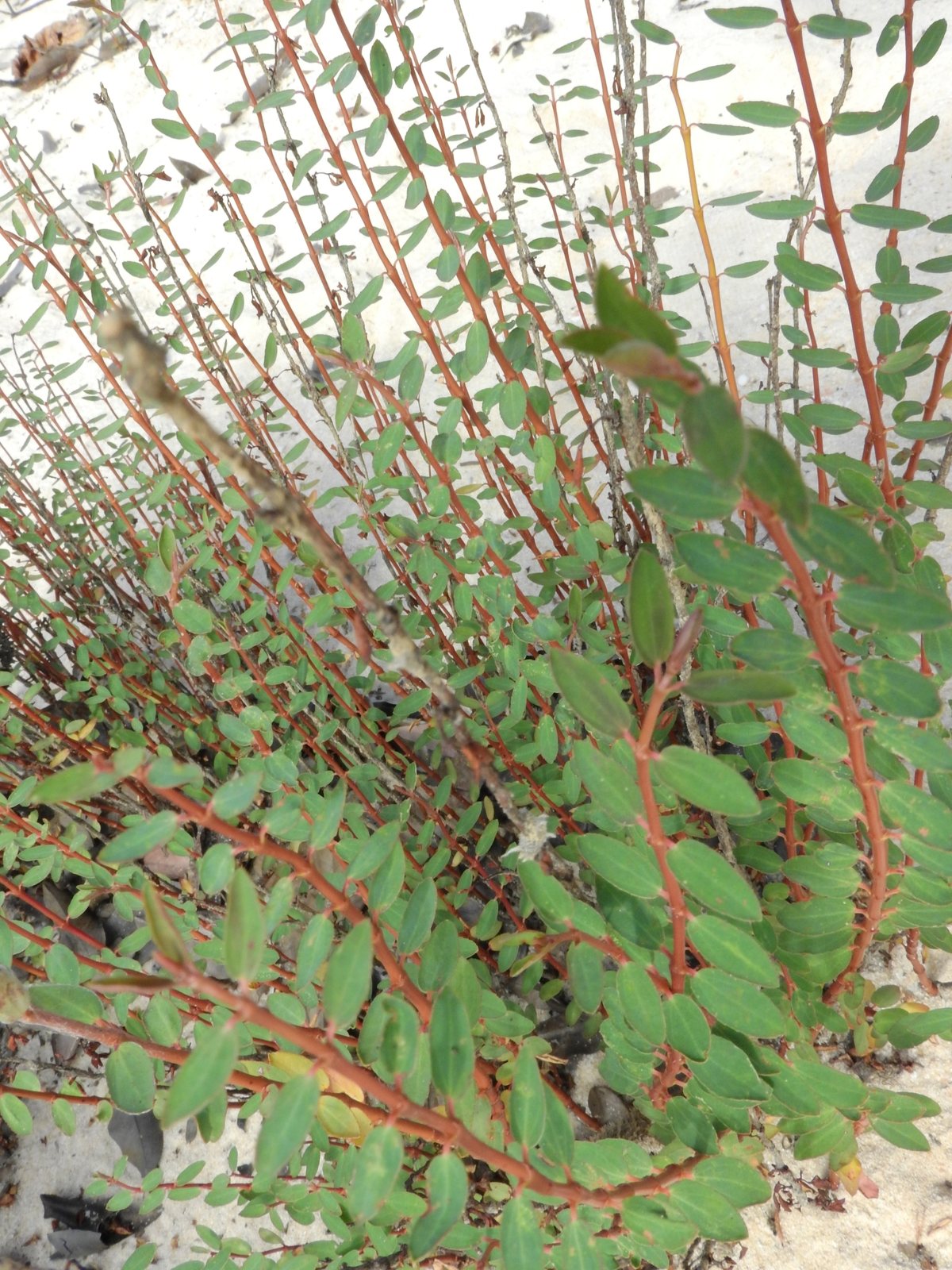
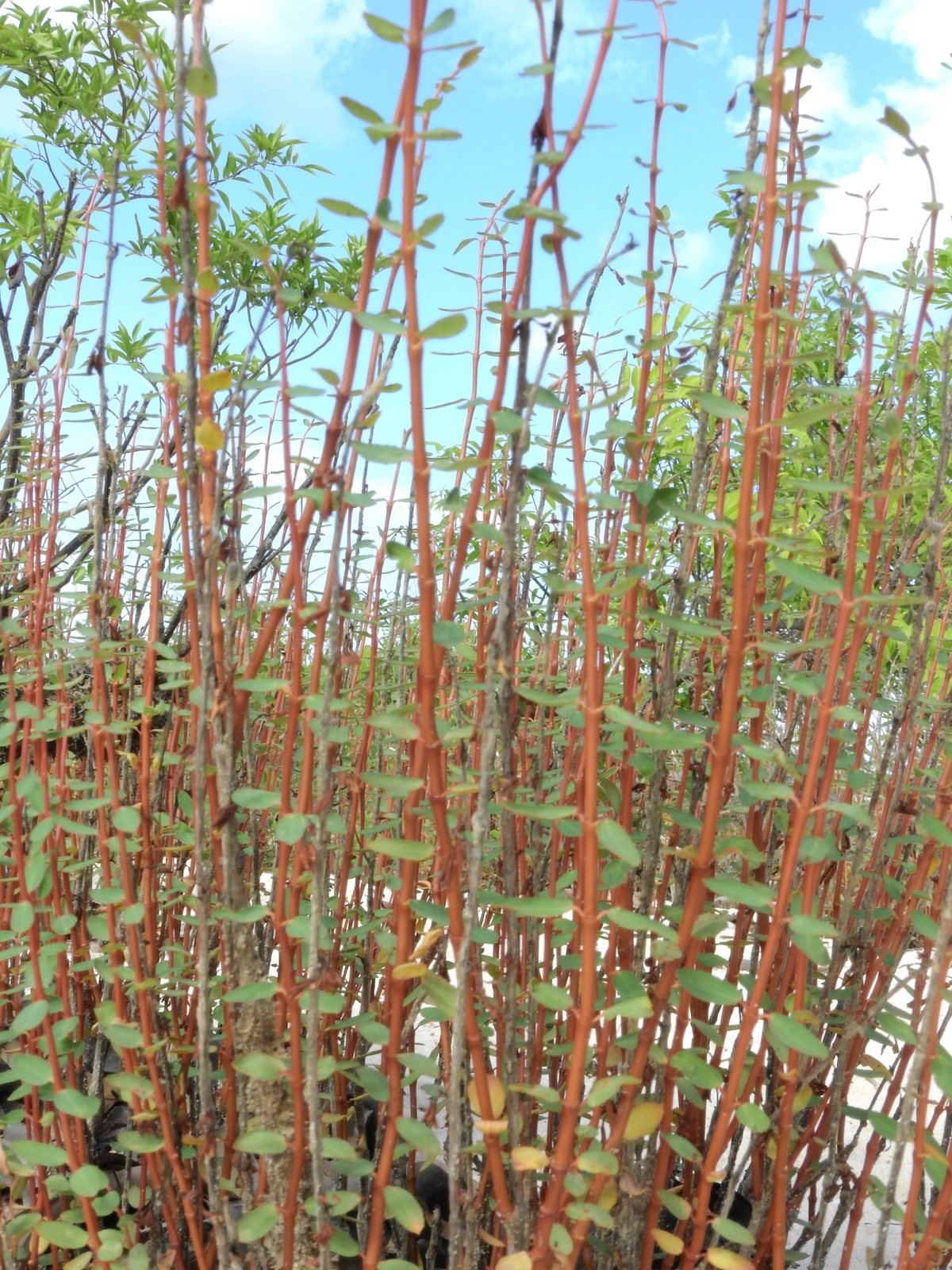
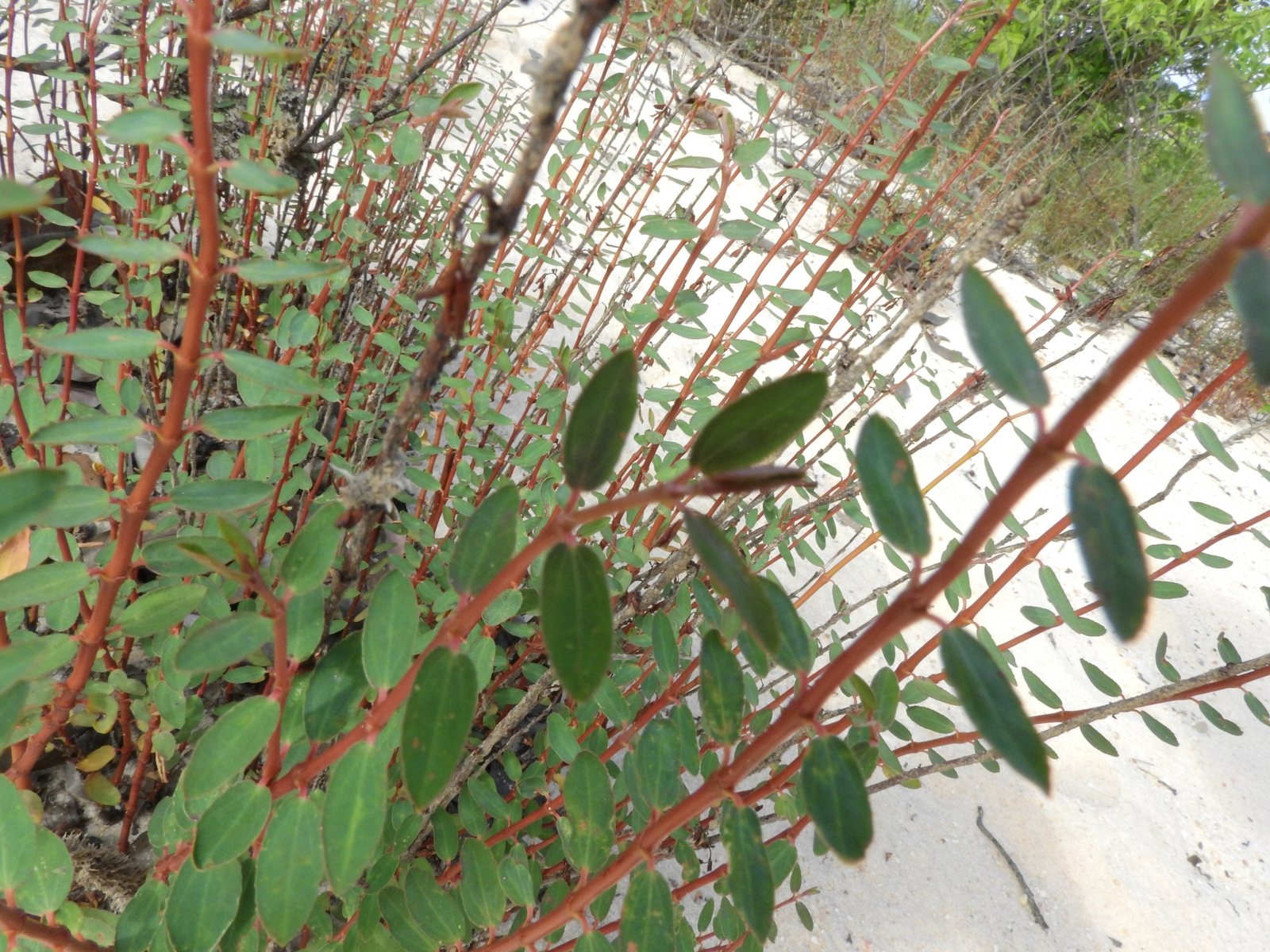
An evergreen, bushy perennial grown for narrow, cream-edged leaves that flush pink in cool weather. Clusters of lime-and-cream flower bracts add spring colour, making it useful in sunny borders, gravel gardens and containers with excellent drainage.
At a glance
- Sun
- Full sun to partial shade; give it afternoon shade in hot climates.
- Water
- Water regularly while establishing, then during prolonged dry spells. Established plants tolerate some drought but dislike persistently wet roots.
- Soil
- Well-drained sandy, gritty or loamy soil; tolerates poor soil and a range of pH levels. Avoid heavy, waterlogged ground.
- Height
- 2-3 ft (0.6-0.9 m)
- Spread
- 2-3 ft (0.6-0.9 m)
- Flowers
- Spring to early summer; lime-green and cream bracts surround tiny flowers with reddish nectar glands.
- Foliage
- Evergreen. Narrow grey-green leaves edged in cream or yellow, developing pink tips and margins in cool weather.
- Growth
- Moderate
- Care needed
- Low
The year at a glance
- Pollinators
- Deer resistant
- Drought tolerant
- Heat tolerant
- Low allergen
| J | F | M | A | M | J | J | A | S | O | N | D | |
|---|---|---|---|---|---|---|---|---|---|---|---|---|
| Flowers | ||||||||||||
| Plant |
Northern hemisphere months. In Australia, shift them by six.
- Difficulty
- Easy
- Toughness
- Fairly tough
Will it suit your garden?
Pick your zone, country, light and whether you have pets.
Full sun is 6 or more hours of direct sun a day, part shade 3 to 6 hours, shade under 3.
How it grows
Planting day
1 ft (0.3 m)
After 1 year
1.5 ft (0.45 m)
After 2 years
2 ft (0.6 m)
After 3 years
2.5 ft (0.75 m)
full size
About 3 years to full size.
From a typical nursery size, at an average rate for this kind of plant. A rule of thumb, not a forecast.
Good to know
- Cats and dogs
- Toxic
- Growth rate
- Moderate
Care
Jobs through the year
- WaterApr–May, Sep–Oct, every 14 days
- For established plants, water only when soil is dry; water new plants more frequently.
- WaterJun–Aug, every 14 days
- Water deeply during prolonged dry spells, allowing soil to dry between waterings.
- PruneMar–Apr
- Remove frost-killed stems; wear gloves and eye protection against irritating sap.
- PruneMay–Jun
- Cut spent flowering stems to the base, preserving fresh shoots; protect skin and eyes.
- MulchApr
- Apply a thin gravel mulch without covering the crown.
- ProtectJan–Feb, Nov–Dec
- Shelter from drying winds and prevent waterlogging, especially at the colder end of its range.
- Water deeply during the first growing season, allowing the surface soil to dry between waterings.
- Plant in a raised bed or on a slope if winter drainage is poor.
- Feed lightly in spring only if growth is weak; avoid rich manure and heavy feeding.
- Use a thin gravel mulch, keeping the crown clear.
- Wear gloves and eye protection when handling damaged stems; the milky sap is strongly irritating.
Pruning. After flowering, cut spent flowering stems back to their bases without removing the fresh, non-flowering shoots that will bloom next year. Remove frost-damaged stems in spring rather than shearing the whole plant.
Through the year
- Early spring
- Remove dead or frost-damaged stems, wearing gloves and eye protection.
- Spring
- Plant in well-drained soil after severe frost has passed; water thoroughly.
- Late spring to early summer
- Cut spent flowering stems to the base, preserving new leafy shoots.
- Summer
- Water new plants during dry spells and check tender growth for aphids.
- Autumn
- Clear fallen leaves from the crown and check that containers drain freely.
- Winter
- Shelter containers from prolonged freezing and cold, drying winds; avoid leaving pots in water-filled saucers.
In the garden
- Repeat small groups through a gravel garden for year-round cream-edged foliage.
- Pair with purple salvias and catmint in a sunny, well-drained border.
- Use in a large container with drainage holes as an evergreen foliage feature.
- Set beside dark-leaved plants to make the pale leaf margins stand out.
Garden styles it suits: Dry gravel garden, Mediterranean, Modern, Cottage garden, Low-maintenance and Winter interest.
Plant it with: Lavender, Catmint, Perennial salvia, Sedum, Blue fescue and Bearded iris.
Wildlife: The flowers provide accessible nectar for bees, hoverflies and other visiting insects. Deer and rabbits usually avoid the foliage, though no plant is completely browsing-proof.
Problems to watch for
- Root and crown rot in wet soil: improve drainage or move to a raised bed; discard plants with extensively rotten crowns.
- Aphids on young shoots: dislodge with a gentle water spray and encourage natural predators.
- Grey mould in damp, crowded growth: remove affected material, improve airflow and avoid wetting the foliage when watering.
- Winter scorch or stem dieback: shelter from cold winds, protect container roots and remove dead growth in spring.
Safety
Toxic to people, cats, dogs and horses if eaten. All parts contain irritating milky sap; ingestion can cause mouth irritation, vomiting and diarrhoea. Sap can burn or blister skin and cause serious eye injury, so keep it away from children and pets and seek urgent medical advice after eye exposure.
Easily confused with
Silver Swan spurge (Euphorbia characias 'Silver Swan')
Has a cooler silver-and-white appearance, with less of the yellow edging and pink winter colouring typical of Ascot Rainbow.
Martin's spurge (Euphorbia × martinii)
The ordinary green-leaved form lacks the cream leaf margins and conspicuous pink flush.
Mediterranean spurge (Euphorbia characias)
Usually taller, with plain blue-green leaves and larger, more prominent heads of lime-green bracts.
The name
Euphorbia honours Euphorbus, a physician to King Juba II of ancient Mauretania.
Propagation. Vegetative cuttings preserve the variegated cultivar; seedlings will not reliably come true. Check current plant breeders' rights or patent restrictions in your country before propagating, and handle cuttings with gloves and eye protection.
Checked against open data
- Accepted botanical name
- Euphorbia
Sources: GBIF (CC BY 4.0). The care and design notes are LandscapeGPT's own.
See it in your own yard.
Upload a photo of your yard and see it redesigned with plants that suit your climate, each checked against your zone.