Autumn Gold ginkgo
Ginkgo biloba 'Autumn Gold'. Family Ginkgoaceae. Tree.
Also called Autumn Gold maidenhair tree, Ginkgo biloba 'Autumn Gold'.
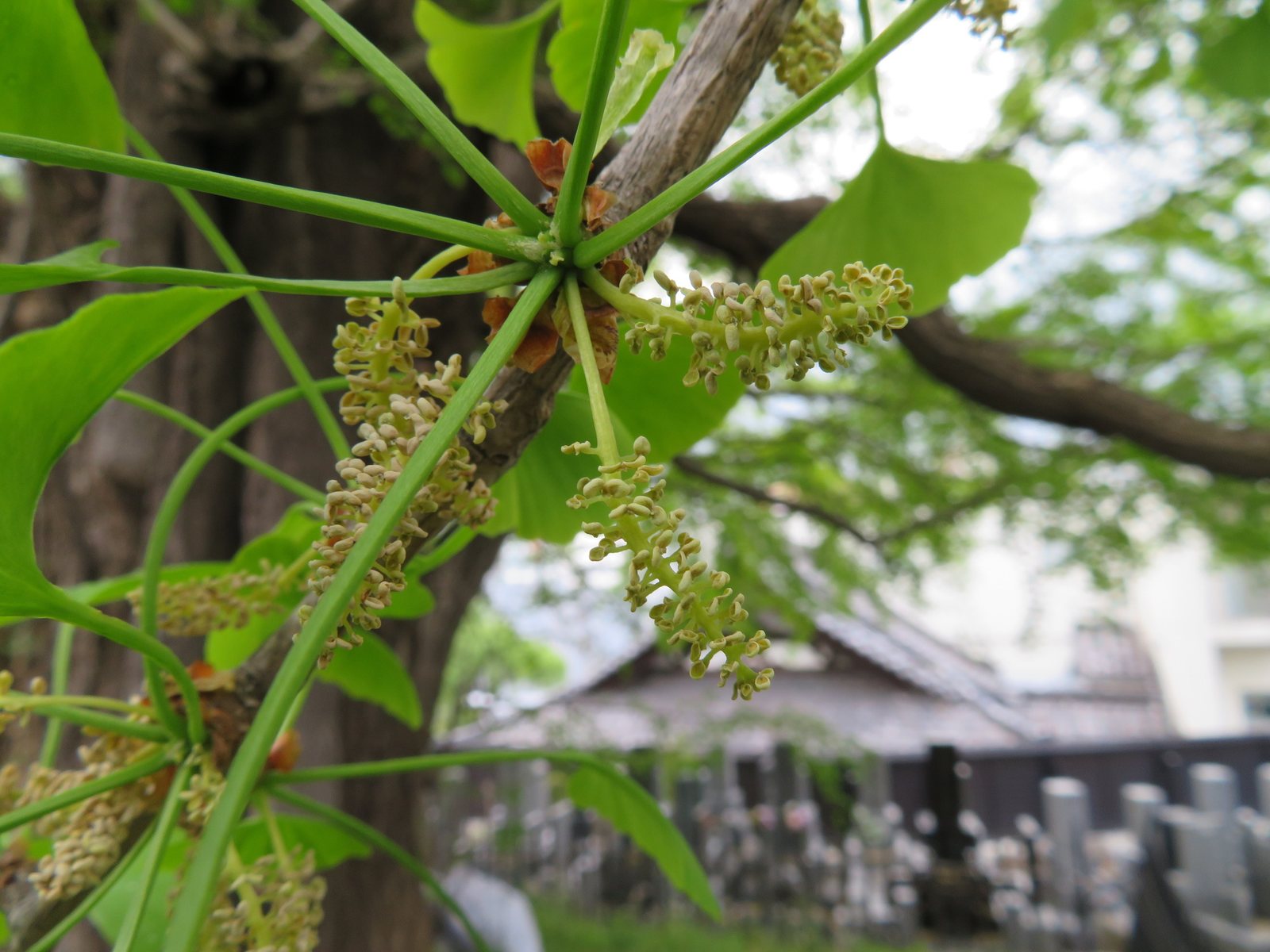
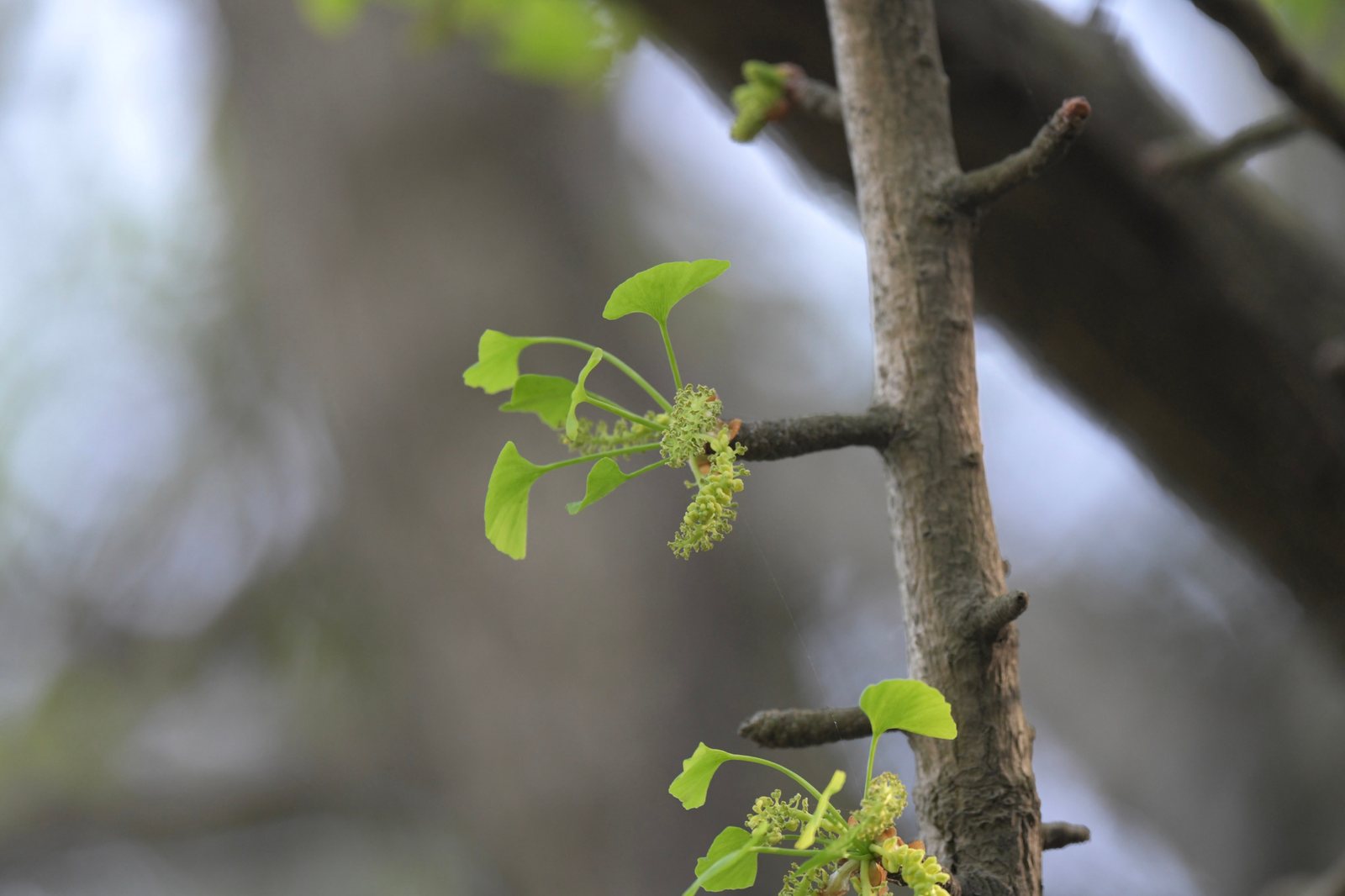
Autumn Gold is a deciduous ginkgo grown for its fan-shaped leaves, broadening crown and clear golden-yellow autumn colour. It is a male cultivar, normally producing none of the unpleasant-smelling fleshy seeds associated with female trees. Allow room for a substantial, long-lived shade tree rather than treating it as a small ornamental.
At a glance
- Sun
- Full sun; tolerates light shade, but develops a better crown and autumn colour in an open, sunny position.
- Water
- Water regularly while establishing; moderately drought-tolerant once established, but benefits from deep watering during prolonged dry weather.
- Soil
- Well-drained soil, including clay, loam or sandy soil; tolerates acidic to alkaline conditions and urban soils, but not persistent waterlogging.
- Height
- 40-50 ft (12-15 m), potentially taller with great age
- Spread
- 25-35 ft (7.6-10.7 m)
- Foliage
- Green, fan-shaped leaves with radiating veins, sometimes divided by a central notch. Leaves turn golden yellow in autumn and often fall over a short period.
- Growth
- Slow to moderate; often slow for the first few years after planting.
- Care needed
- Low
The year at a glance
- Deer resistant
- Drought tolerant
- Cold hardy
- Disease resistant
- Wildlife
| J | F | M | A | M | J | J | A | S | O | N | D | |
|---|---|---|---|---|---|---|---|---|---|---|---|---|
| Plant |
Northern hemisphere months. In Australia, shift them by six.
- Difficulty
- Easy
- Toughness
- Very tough
Will it suit your garden?
Pick your zone, country, light and whether you have pets.
Full sun is 6 or more hours of direct sun a day, part shade 3 to 6 hours, shade under 3.
How it grows
Planting day
7 ft (2 m)
After 1 year
8 ft (2.4 m)
After 2 years
9 ft (2.9 m)
After 3 years
11 ft (3.3 m)
After 5 years
14 ft (4.2 m)
About 26 years to full size.
From a typical nursery size, at an average rate for this kind of plant. A rule of thumb, not a forecast.
Good to know
- Cats and dogs
- Safe
- Growth rate
- Slow
Care
Jobs through the year
- WaterApr–May, Sep–Oct, every 21 days
- Deep-water established trees only during prolonged dry spells; young trees need more frequent watering for three years.
- WaterJun–Aug, every 14 days
- Water established trees deeply during drought, allowing the surface to dry between soakings.
- MulchMar–Apr
- Maintain 5-8 cm of organic mulch over the root zone, clear of the trunk.
- PruneFeb
- Remove dead, damaged or crossing branches and competing leaders; avoid topping.
- PruneMay, Sep
- Remove any shoots arising below the graft union.
- ProtectApr, Sep
- Check ties for rubbing and remove stakes once roots hold firmly, usually within a year.
- Plant with the root flare at soil level, well away from buildings and overhead wires.
- Water deeply through the first two or three growing seasons whenever the root zone begins to dry.
- Spread 2-3 in (5-8 cm) of organic mulch over the root area, keeping it clear of the trunk.
- Feed only if growth is poor and a soil test indicates a nutrient shortage.
- Stake only if needed for stability, and remove supports once the roots hold the tree firmly, usually within a year.
- Remove any shoots arising below the graft union.
Pruning. Prune in late winter while dormant, removing dead, damaged or crossing branches and retaining one main leader. Make small corrective cuts while the tree is young; avoid topping or heavy crown reduction.
Through the year
- Late winter
- Check the young tree's framework and remove damaged branches or competing leaders.
- Spring
- Plant where the soil is workable and not waterlogged; water the root ball thoroughly.
- Late spring
- Renew mulch and check that ties are not rubbing or constricting the trunk.
- Summer
- Water establishing trees deeply during dry spells, checking moisture beneath the mulch first.
- Autumn
- Collect fallen leaves for leaf mould or compost, and clear them from paths.
- Late autumn
- Plant in mild climates while the soil remains workable; avoid planting into frozen or saturated ground.
In the garden
- Use as a specimen in a generous lawn where its mature crown and autumn colour can be seen clearly.
- Plant in an avenue or widely spaced row for repeated upright trunks and a golden autumn canopy.
- Set against dark evergreen planting to contrast its light foliage and yellow autumn leaves.
- Use as a long-term shade tree in a large urban garden, with adequate open soil around the roots.
Garden styles it suits: Architectural minimal, Urban city garden, Formal, Japanese, Autumn colour and Low-maintenance.
Plant it with: Japanese forest grass, Epimedium, Christmas fern, Lenten rose, Lilyturf and Japanese anemone.
Wildlife: Offers perching and eventual nesting shelter for birds, but supports relatively few leaf-feeding insects compared with many locally native trees. As a male cultivar, it normally provides no seeds for wildlife.
Problems to watch for
- Root decline in waterlogged soil: choose a freely draining site and correct drainage before planting; do not keep an established root zone constantly wet.
- Leaf scorch or early leaf drop during drought: water deeply and maintain mulch, especially during establishment.
- Slow establishment: check planting depth, root moisture and grass competition rather than applying repeated high-nitrogen feeds.
- Poor branch structure or competing leaders: train young trees with light dormant-season pruning; use an arborist for large branches.
Safety
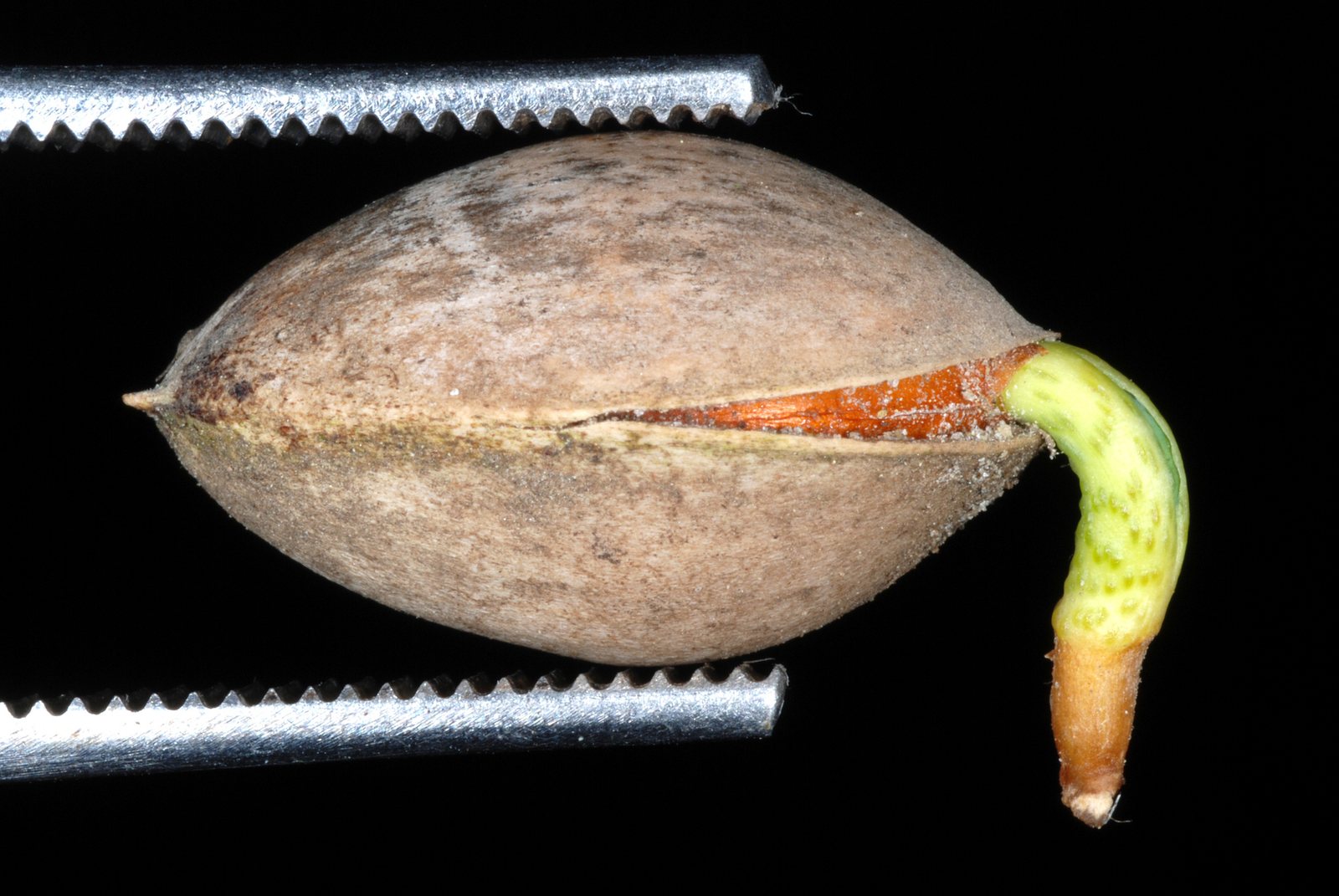
The seeds of female ginkgo trees are poisonous if eaten, particularly raw or in quantity, and can cause serious illness, including seizures, in people and pets. Their fleshy outer covering can irritate skin. 'Autumn Gold' is male and normally produces no seeds. Its foliage is not generally regarded as a significant garden poisoning hazard, but it should not be eaten or used for homemade remedies; safety information for horses is limited.
Easily confused with
Seed-grown ginkgo (Ginkgo biloba)
The leaves can look identical. Seedlings vary in shape, autumn colour and sex, so a reliable nursery label is more useful than leaf appearance for identifying 'Autumn Gold'.
Princeton Sentry ginkgo (Ginkgo biloba 'Princeton Sentry')
Has similar fan-shaped leaves and yellow autumn colour, but typically develops a much narrower, more columnar crown than 'Autumn Gold'.
The name
The name biloba refers to the leaf's often two-lobed shape, while maidenhair tree refers to its resemblance to the leaflets of maidenhair ferns.
Propagation. Usually propagated commercially by grafting onto seed-grown ginkgo rootstocks. Seedlings do not come true to 'Autumn Gold' and may be female; cuttings can be difficult to root.
Checked against open data
- Accepted botanical name
- Ginkgo biloba
- In the US and Canada
- Introduced in the lower 48 states.
- Native range
- China Southeast.
- Measured
- Soil pH 5.2 to 7.5. Average height 3000 cm.
Sources: GBIF (CC BY 4.0), USDA PLANTS and Trefle (CC BY 4.0). The care and design notes are LandscapeGPT's own.
See it in your own yard.
Upload a photo of your yard and see it redesigned with plants that suit your climate, each checked against your zone.