Autumn Moon full moon maple
Acer shirasawanum 'Autumn Moon'. Family Sapindaceae. Tree.
Also called Autumn Moon Japanese maple, Golden full moon maple 'Autumn Moon'.
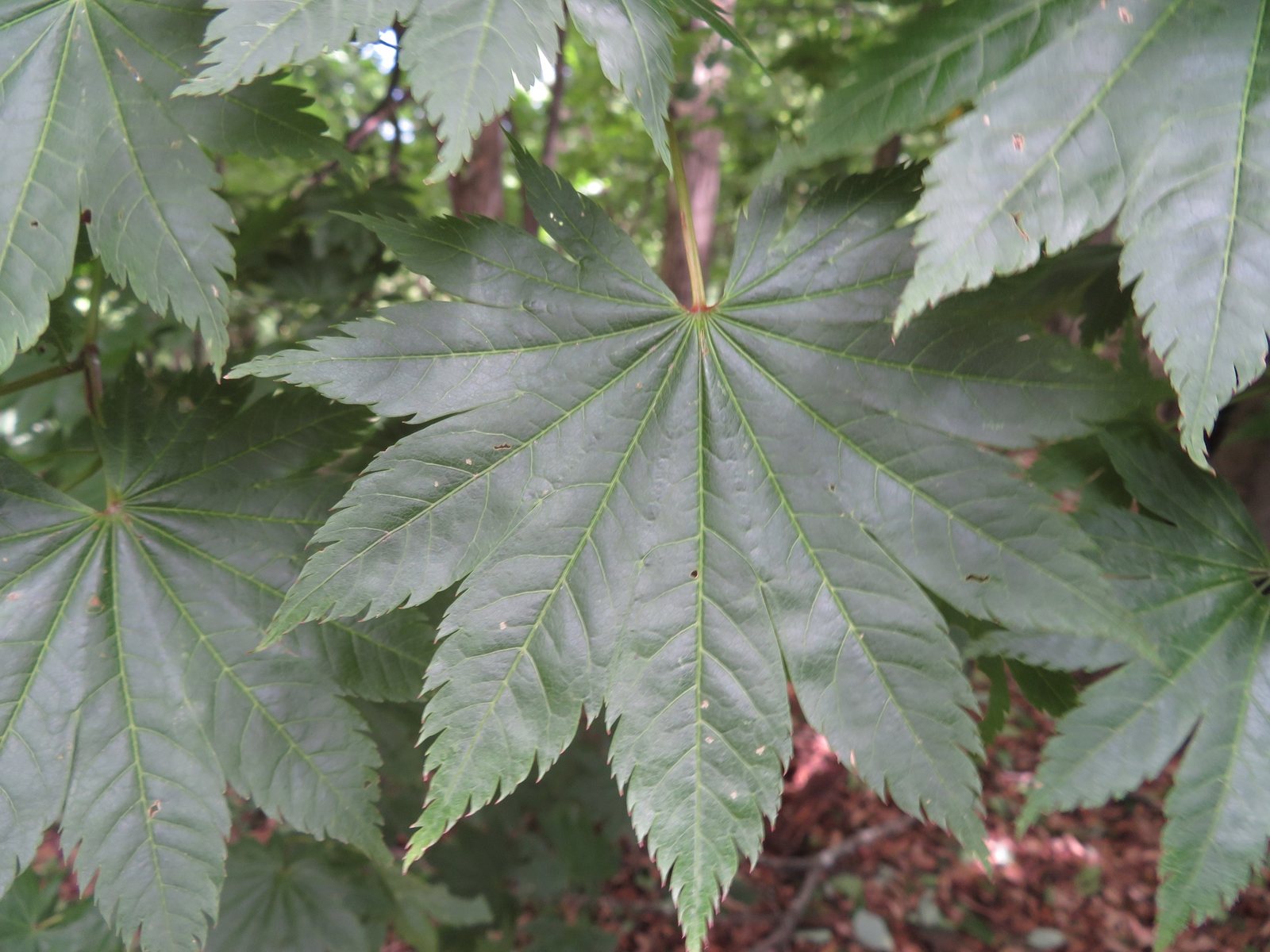
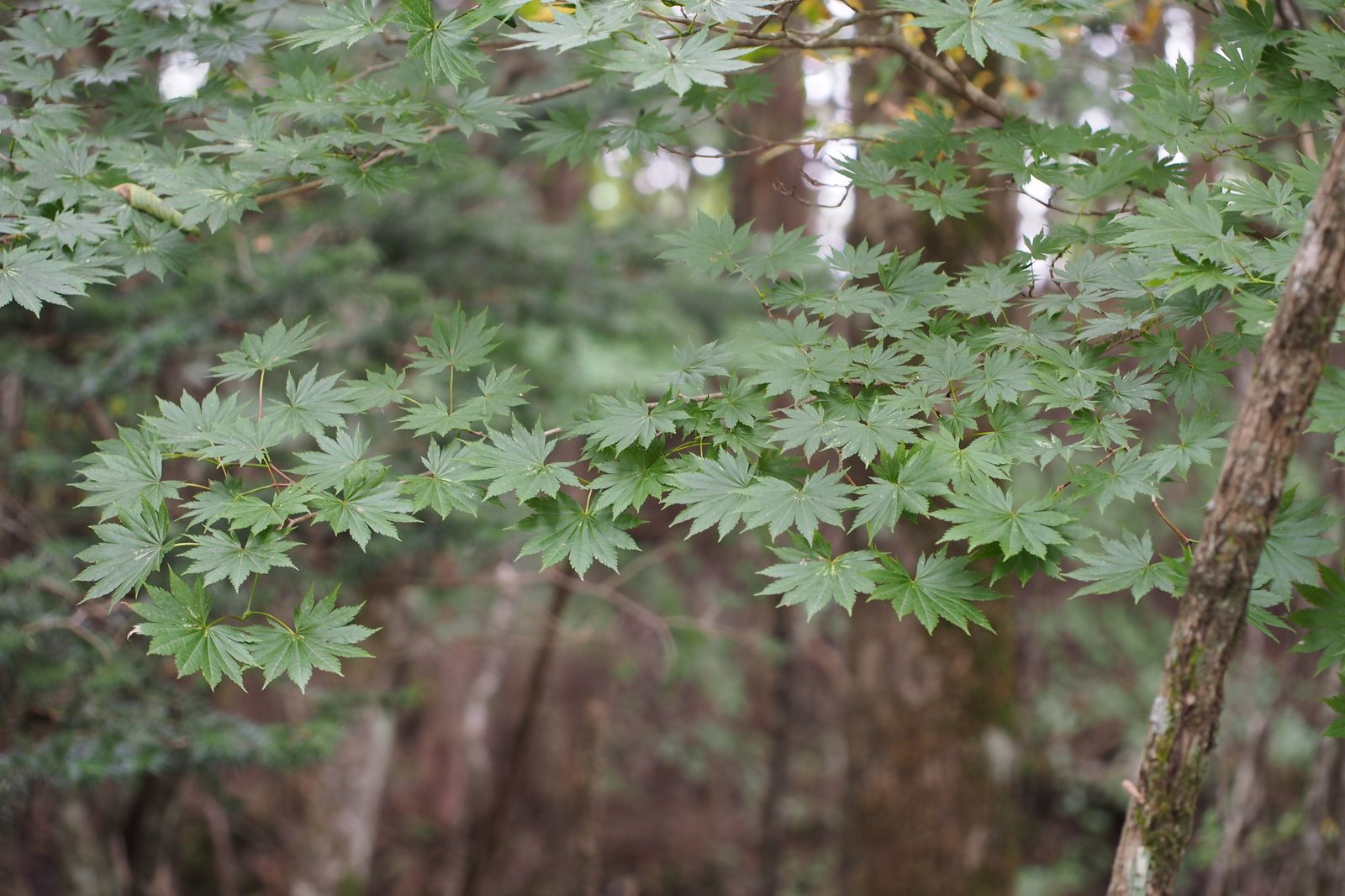
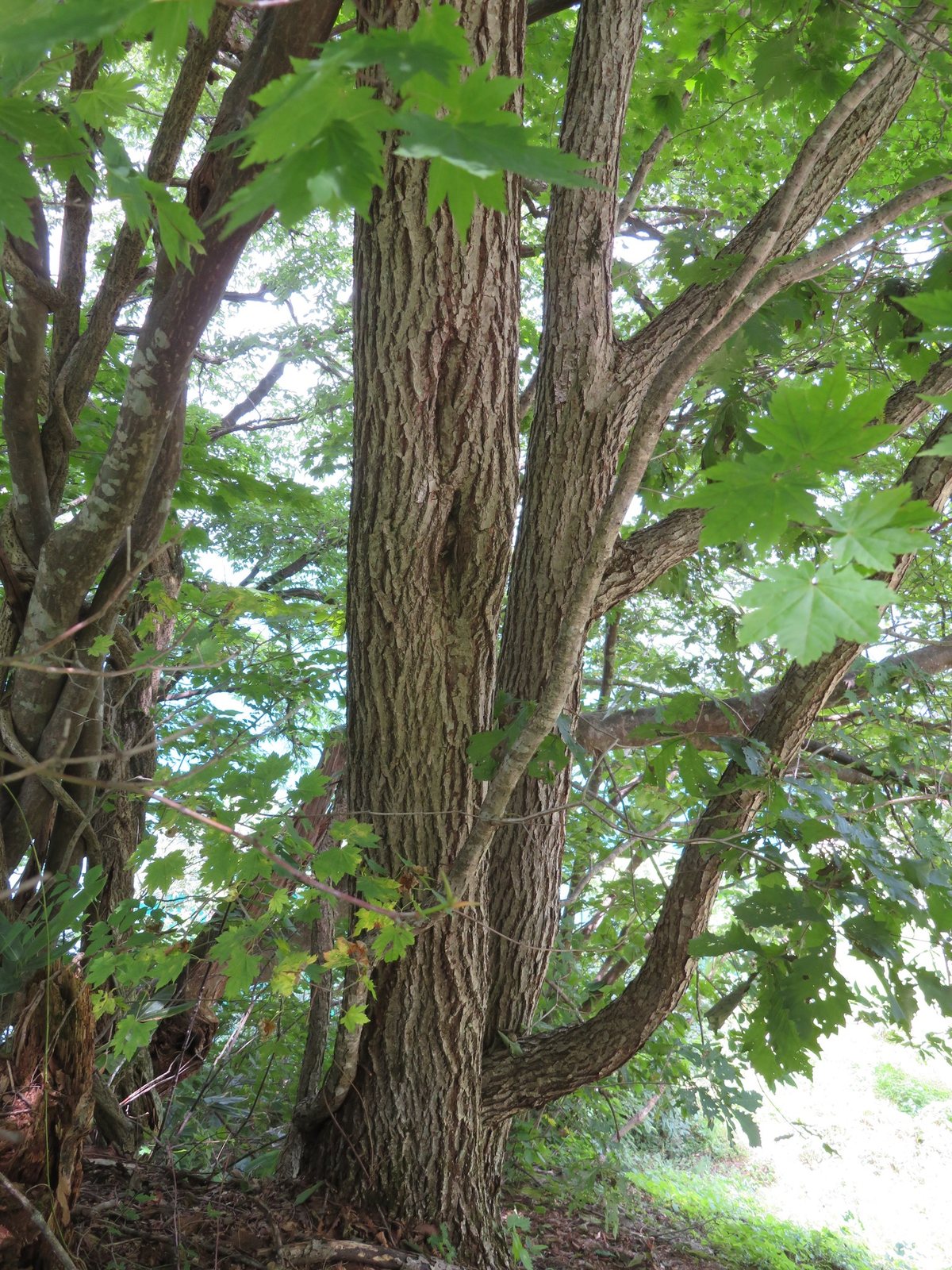
A slow-growing, deciduous Japanese maple with rounded, fan-shaped leaves that open yellow-green with an orange-pink overlay. Gardeners grow it for its changing foliage colour, compact branching and orange-red autumn display; it does best where roots stay cool and leaves are sheltered from hot afternoon sun.
At a glance
- Sun
- Morning sun and afternoon shade, or light dappled shade. Some direct sun improves the orange colouring, but strong sun in hot climates can scorch the leaves.
- Water
- Keep evenly moist but not waterlogged. Water deeply during dry spells, especially while establishing and when grown in a container.
- Soil
- Humus-rich, well-drained soil, preferably slightly acidic to neutral. Avoid waterlogged ground, very dry sandy soil and strongly alkaline conditions.
- Height
- 10-15 ft (3-4.5 m), sometimes taller with age
- Spread
- 10-15 ft (3-4.5 m)
- Foliage
- Broad, rounded leaves with numerous pointed lobes. New foliage is yellow-green washed with orange or salmon-pink, becoming more chartreuse in shade; autumn colour ranges from orange to red.
- Growth
- Slow; often takes 15-20 years or more to approach its mature garden size.
- Care needed
- Medium
The year at a glance
- Pollinators
- Wildlife
| J | F | M | A | M | J | J | A | S | O | N | D | |
|---|---|---|---|---|---|---|---|---|---|---|---|---|
| Fruit | ||||||||||||
| Plant |
Northern hemisphere months. In Australia, shift them by six.
- Difficulty
- Moderate
- Toughness
- Fairly tough
Will it suit your garden?
Pick your zone, country, light and whether you have pets.
Full sun is 6 or more hours of direct sun a day, part shade 3 to 6 hours, shade under 3.
How it grows
Planting day
7 ft (2 m)
After 1 year
7 ft (2.1 m)
After 2 years
7 ft (2.1 m)
After 3 years
7 ft (2.2 m)
After 5 years
7 ft (2.3 m)
About 32 years to full size.
From a typical nursery size, at an average rate for this kind of plant. A rule of thumb, not a forecast.
Good to know
- Cats and dogs
- Safe
- Growth rate
- Slow
Care
Jobs through the year
- WaterApr–May, Sep–Oct, every 14 days
- Water deeply if soil is drying; keep young trees evenly moist for two growing seasons.
- WaterJun–Aug, every 7 days
- Water deeply in dry weather before leaves wilt; skip when rainfall keeps soil moist.
- MulchMar
- Maintain 5–8 cm of leaf mould or bark, keeping the trunk and root flare clear.
- FeedMar–Apr
- Feed lightly only if growth is weak or soil is poor; avoid heavy nitrogen.
- ProtectMar–May
- Cover small trees with fleece when late frost threatens emerging leaves.
- ProtectJun–Aug
- Shelter foliage from strong afternoon sun and drying winds.
- PruneAug
- Make small cuts to remove dead, damaged or crossing branches; avoid heavy shaping.
- Plant with the root flare at soil level and any graft union above the soil.
- Water deeply through the first two growing seasons; thereafter, water during prolonged dry weather.
- Apply 2-3 in (5-8 cm) of leaf mould or bark mulch, keeping it clear of the trunk.
- Feed lightly in spring only if growth is weak or the soil is poor; avoid heavy nitrogen feeding.
- Shelter from drying winds and late frosts, which can damage emerging leaves.
- For container growing, use a large pot with drainage holes and check moisture frequently in summer.
Pruning. Prune sparingly in late summer while the tree is in leaf, removing dead, damaged or crossing branches with small cuts. Avoid heavy shaping and late-winter or spring pruning, when cuts may bleed sap.
Through the year
- Early spring
- Check mulch depth and apply a light feed only if needed.
- Spring
- Protect emerging leaves with horticultural fleece when a late frost is forecast.
- Summer
- Check soil moisture during dry weather and water deeply before leaves wilt or scorch.
- Late summer
- Remove dead or crossing branches if needed; keep pruning light.
- Autumn
- Plant when the soil is moist and workable, allowing time for rooting before severe frost.
- Winter
- Check container drainage and shelter pots from severe freezing and drying winds.
In the garden
- Use as a small specimen tree beside a patio or path where the leaf colour can be seen closely.
- Place against dark evergreen shrubs to make the pale, orange-flushed foliage stand out.
- Combine with ferns, hostas and woodland perennials in a sheltered, lightly shaded border.
- Grow in a large container in a sheltered courtyard, with reliable watering and protection for the roots in cold winters.
Garden styles it suits: Japanese, Woodland, Modern courtyard, Japandi, Autumn colour and Pacific Northwest woodland.
Plant it with: Japanese painted fern, Hosta, Epimedium, Japanese forest grass, Camellia and Hellebore.
Wildlife: The small spring flowers can provide food for visiting insects, and the branches offer cover and perching sites for garden birds.
Problems to watch for
- Leaf scorch: brown edges usually follow hot sun, drying wind or drought; provide afternoon shade, mulch and steady moisture.
- Late-frost damage: young leaves may blacken or shrivel; protect small trees when frost is forecast and wait for replacement growth before removing damaged shoots.
- Verticillium wilt: sudden wilting or branch dieback can indicate this soil-borne disease; seek a diagnosis, remove dead wood and avoid replanting susceptible trees in affected soil.
- Root rot: declining growth in persistently wet soil calls for better drainage; do not leave container plants standing in water.
Safety
Not known to be toxic to people, cats or dogs. Horse safety is not well established for this species; keep its fallen leaves and seeds out of paddocks because some other maple species are seriously poisonous to horses.
Easily confused with
Golden full moon maple (Acer shirasawanum 'Aureum')
Has similarly rounded leaves but is generally a clearer yellow or yellow-green, without the characteristic orange-pink overlay of 'Autumn Moon'; light conditions affect both.
Fernleaf full moon maple (Acer japonicum 'Aconitifolium')
Its green leaves are cut much more deeply into narrow, toothed lobes, giving a fernlike appearance rather than the broad, shallowly divided leaves of 'Autumn Moon'.
The name
The species name honours Japanese botanist Homi Shirasawa, while 'full moon maple' refers to the nearly circular outline of its leaves.
Propagation. Usually propagated by grafting onto a suitable maple rootstock, a specialist task. Seedlings will not reliably retain the colour or growth habit of 'Autumn Moon'.
Checked against open data
- Accepted botanical name
- Acer shirasawanum
- Native range
- Japan.
Sources: GBIF (CC BY 4.0) and Trefle (CC BY 4.0). The care and design notes are LandscapeGPT's own.
See it in your own yard.
Upload a photo of your yard and see it redesigned with plants that suit your climate, each checked against your zone.