Baby's breath
Gypsophila paniculata. Family Caryophyllaceae. Perennial.
Also called Perennial baby's breath, Gypsophila.
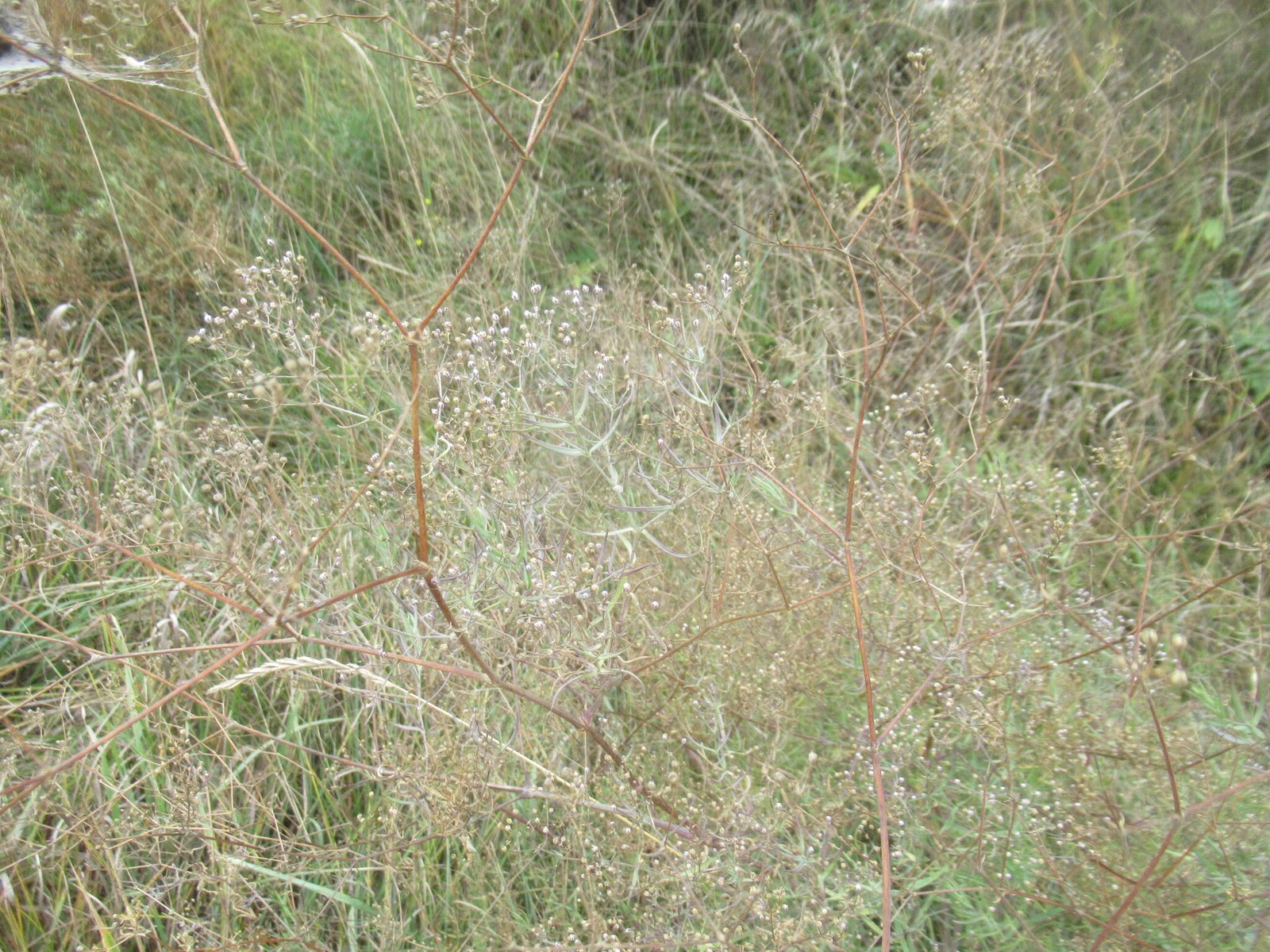
Baby's breath is a deep-rooted perennial with finely branched stems carrying clouds of tiny flowers in summer. Gardeners grow it to soften sunny borders and supply fresh or dried cut flowers; it needs excellent drainage and can become invasive in some regions.
At a glance
- Sun
- Full sun, ideally at least 6 hours of direct sunlight daily.
- Water
- Water regularly during establishment, letting the soil surface dry between waterings. Established plants tolerate drought; avoid consistently wet soil.
- Soil
- Well-drained, light or gravelly soil, preferably neutral to alkaline. Heavy clay and winter waterlogging are unsuitable.
- Height
- 2-4 ft (0.6-1.2 m)
- Spread
- 2-3 ft (0.6-0.9 m)
- Flowers
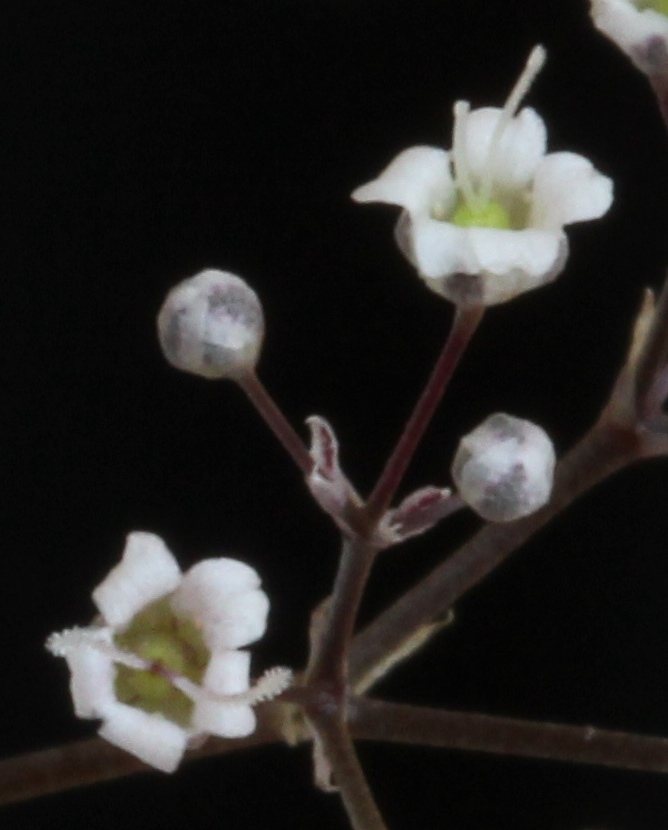
- Early to late summer; tiny white flowers, with pink flowers in some cultivars. Flowers may be single or double.
- Foliage
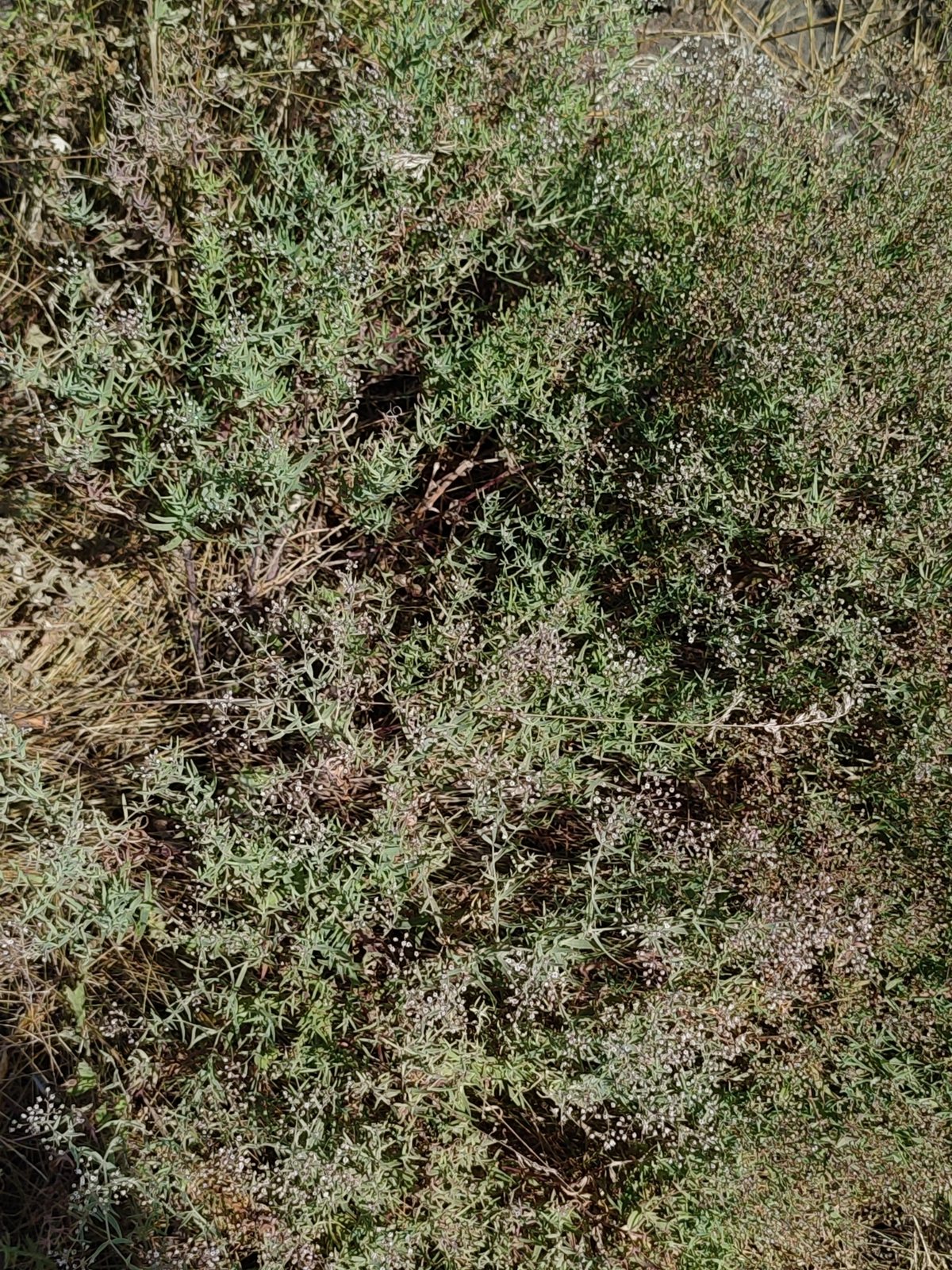
- Narrow, grey-green leaves on slender, branching stems; dies back in winter.
- Growth
- Moderate; usually takes two or three growing seasons to form a substantial clump.
- Care needed
- Low
The year at a glance
- Pollinators
- Deer resistant
- Drought tolerant
- Cold hardy
- Heat tolerant
- Low allergen
| J | F | M | A | M | J | J | A | S | O | N | D | |
|---|---|---|---|---|---|---|---|---|---|---|---|---|
| Flowers | ||||||||||||
| Plant |
Northern hemisphere months. In Australia, shift them by six.
- Difficulty
- Easy
- Toughness
- Very tough
Will it suit your garden?
Pick your zone, country, light and whether you have pets.
Full sun is 6 or more hours of direct sun a day, part shade 3 to 6 hours, shade under 3.
How it grows
Planting day
1 ft (0.3 m)
After 1 year
1.6 ft (0.5 m)
After 2 years
2.3 ft (0.7 m)
After 3 years
3 ft (0.9 m)
full size
About 3 years to full size.
From a typical nursery size, at an average rate for this kind of plant. A rule of thumb, not a forecast.
Good to know
- Cats and dogs
- Mildly toxic: may upset a stomach
- Invasive in
- the US and Canada
- In the garden
- Spreads vigorously: plan to contain it.
- Growth rate
- Moderate
Care
Jobs through the year
- WaterApr–May, Sep, every 21 days
- Established plants need water only in prolonged drought; water new plants more often as soil dries.
- WaterJun–Aug, every 14 days
- Water established clumps deeply only during prolonged drought, allowing soil to dry between soakings.
- MulchApr
- Use a light gravel mulch, keeping the crown free of moisture-holding material.
- ProtectMay
- Install twiggy supports or a loose support ring before stems become tall.
- DeadheadJul–Sep, every 14 days
- Trim spent sprays to leafy growth and remove seed heads before ripening to limit spread.
- PruneMar
- Cut remaining dead stems close to the ground and clear wet debris from the crown.
- Plant in a sunny, freely drained position, keeping the crown at soil level.
- Water new plants deeply during dry weather; reduce watering once established.
- Avoid rich feeding and heavy applications of compost, which encourage floppy growth.
- Use a light gravel mulch rather than moisture-holding mulch against the crown.
- Fit twiggy supports or a loose support ring in spring if stems tend to flop.
- Leave established clumps undisturbed; their deep roots make division and transplanting difficult.
Pruning. Trim spent flowering stems back to leafy growth after the main display to encourage a lighter second flush. Cut dead stems close to the ground in late autumn or early spring; where seed spread is a concern, remove flower heads before seeds mature.
Through the year
- Early spring
- Cut away remaining dead stems and check that the crown is not sitting in wet soil.
- Spring
- Plant young plants after the soil becomes workable, avoiding waterlogged conditions.
- Late spring
- Install discreet supports before the branching stems become tall.
- Early summer
- Water establishing plants during dry spells and check shoots for aphids.
- Summer
- Cut flowering stems for arrangements when many flowers have opened; trim spent sprays after the main flush.
- Late summer
- Remove seed heads before they ripen, especially near natural areas.
- Late autumn
- Cut back dead growth if not left until spring, and clear wet debris away from the crown.
In the garden
- Thread through sunny rose borders to soften large flowers with fine white sprays.
- Place among upright plants such as salvias and bearded irises for contrasting flower shapes.
- Use in white or pastel borders as a light, airy link between stronger plant forms.
- Grow in a dedicated cutting bed for fresh bouquets and dried arrangements.
- Plant in gravel borders where its grey-green foliage suits the dry setting, provided it is not invasive locally.
Garden styles it suits: Cottage garden, Romantic rose garden, English country, White garden, Pastel border and Dry gravel garden.
Plant it with: Roses, Lavender, Bearded irises, Salvias, Yarrow and Catmint.
Wildlife: Open flowers attract bees, hoverflies and other small pollinating insects. Double-flowered cultivars generally offer less accessible pollen and nectar.
Problems to watch for
- Crown and root rot in wet soil: improve drainage before planting and avoid watering an established plant while the soil is still moist.
- Flopping stems in shade or rich soil: provide full sun, reduce feeding and install supports early.
- Aphids on young shoots: wash off small colonies with water; use insecticidal soap if necessary, avoiding open flowers.
- Slugs and snails damaging emerging shoots: inspect young growth and use barriers or locally approved iron-based slug bait where needed.
Safety
Flowers, leaves and other parts contain saponins. Ingestion can cause mild stomach upset, vomiting or diarrhoea in cats and dogs, and stomach upset in people; sap may irritate sensitive skin. Serious poisoning is uncommon. Toxicity to horses is not well established, so keep it out of feed and grazing areas.
Where it spreads. Spreads aggressively by seed in parts of western North America and the Great Lakes region, particularly in sandy grasslands and dunes. It is listed or managed as an invasive or noxious plant in jurisdictions including Washington, Montana and Michigan in the United States, and British Columbia, Alberta and Saskatchewan in Canada. Check local restrictions before planting;
Easily confused with
Annual baby's breath (Gypsophila elegans)
A shorter-lived annual, usually with larger individual flowers and a less dense, cloud-like display; it does not form a lasting perennial crown.
Creeping baby's breath (Gypsophila repens)
Forms low, spreading mats rather than a tall, upright clump, with white or pink flowers held close above the foliage.
German statice (Goniolimon tataricum)
Has a conspicuous basal rosette of broader leaves and stiff, flatter flower sprays with papery flower parts.
The name
Gypsophila means 'gypsum-loving', referring to the lime-rich soils favoured by many species, and paniculata describes its branched flower clusters.
Propagation. Sow species seed in spring; seedlings may differ from named cultivars. Propagate cultivars by basal cuttings in spring, although rooting can be difficult and some are commercially grafted. Division is usually unsuccessful because of the deep, substantial root system.
Checked against open data
- Accepted botanical name
- Gypsophila paniculata
- In the US and Canada
- Introduced in Canada and the lower 48 states.
- Native range
- Altay, Austria, Belarus, Bulgaria, Central European Rus, Czechoslovakia, East European Russia, Hungary, Kazakhstan, Kirgizstan, Krym and Mongolia.
- Measured
- Average height 88 cm.
Sources: GBIF (CC BY 4.0), USDA PLANTS and Trefle (CC BY 4.0). The care and design notes are LandscapeGPT's own.
See it in your own yard.
Upload a photo of your yard and see it redesigned with plants that suit your climate, each checked against your zone.