Bartzella Itoh peony
Paeonia 'Bartzella'. Family Paeoniaceae. Perennial.
Also called Paeonia 'Bartzella', Bartzella intersectional peony.
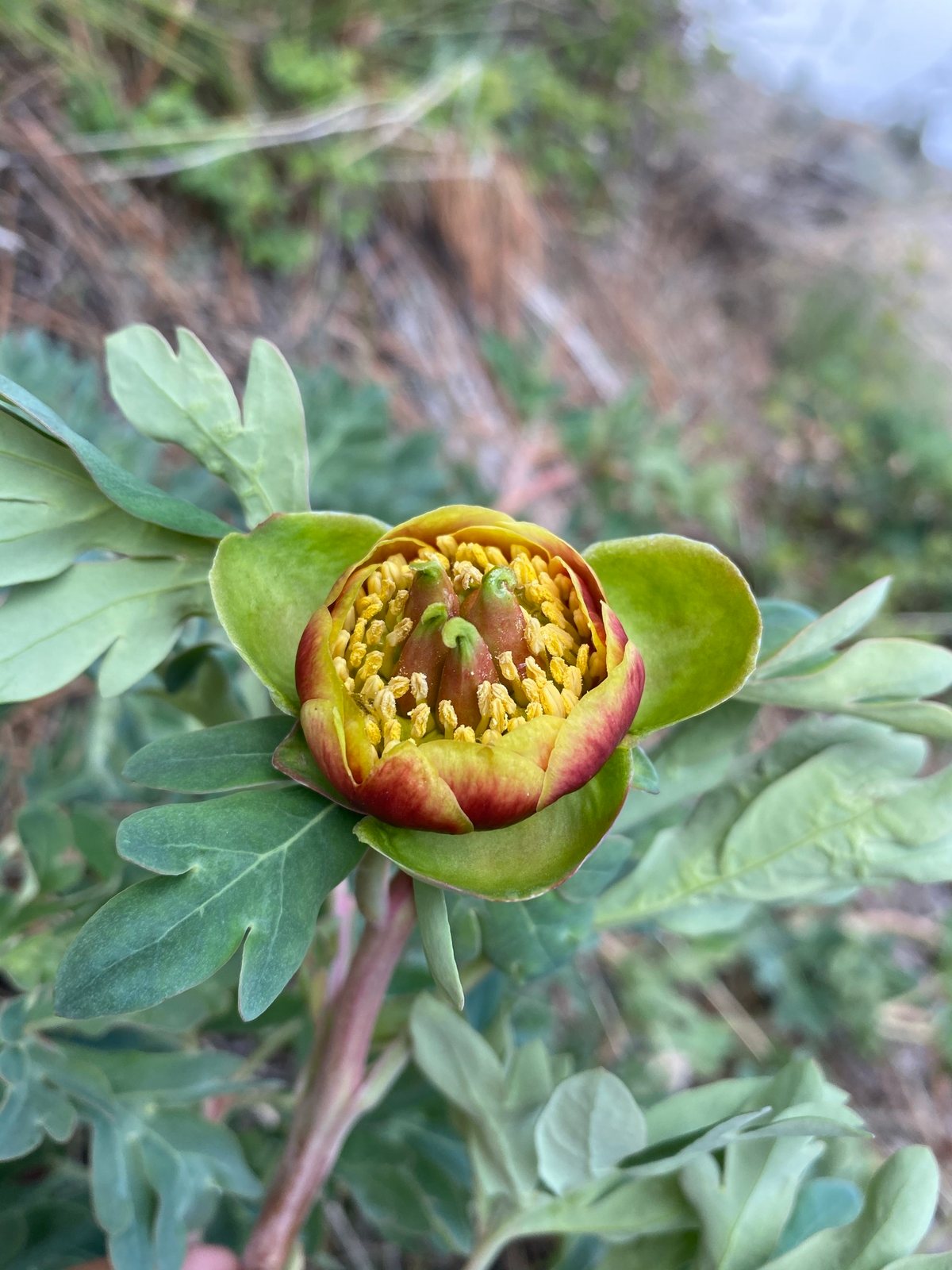
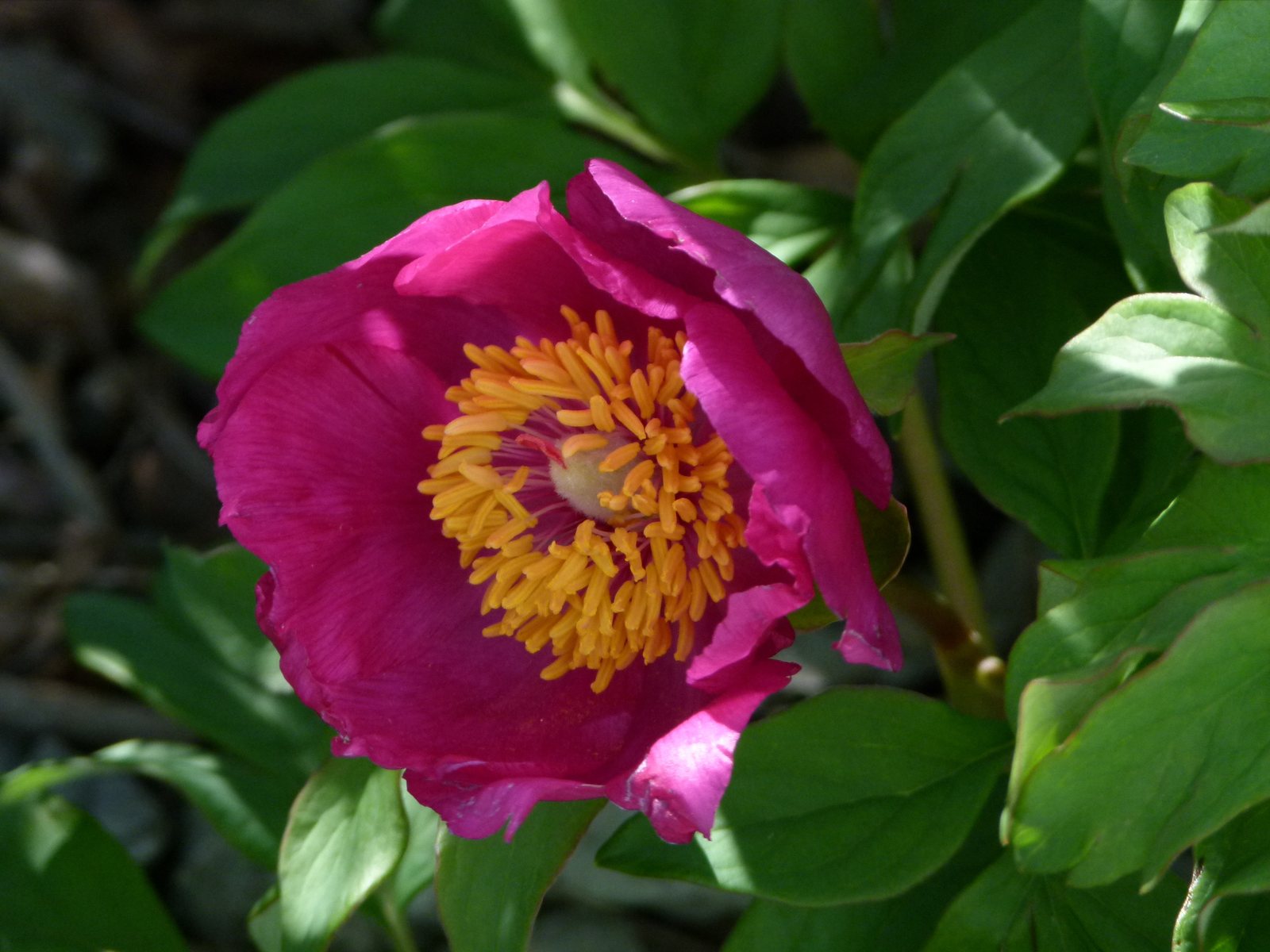
Bartzella is an intersectional peony, bred from tree and herbaceous peony parentage, with large, lightly scented yellow flowers and a broad mound of deeply divided foliage. Its sturdy stems usually hold the flowers without staking, and the leaves remain attractive well after flowering. It needs a cold winter to perform well and is unsuitable for tropical or warm-winter gardens.
At a glance
- Sun
- Full sun; light afternoon shade is helpful in hotter parts of its range. Heavy shade reduces flowering.
- Water
- Moderate; water deeply during dry spells, especially while establishing and developing flower buds. Avoid constantly wet soil.
- Soil
- Fertile, well-drained soil, preferably moisture-retentive loam; tolerates mildly acidic to mildly alkaline conditions.
- Height
- 2-3 ft (0.6-0.9 m)
- Spread
- 3-4 ft (0.9-1.2 m)
- Flowers
- Late spring to early summer; large semi-double to double lemon-yellow flowers with small red markings at the petal bases. Side buds extend the display.
- Foliage
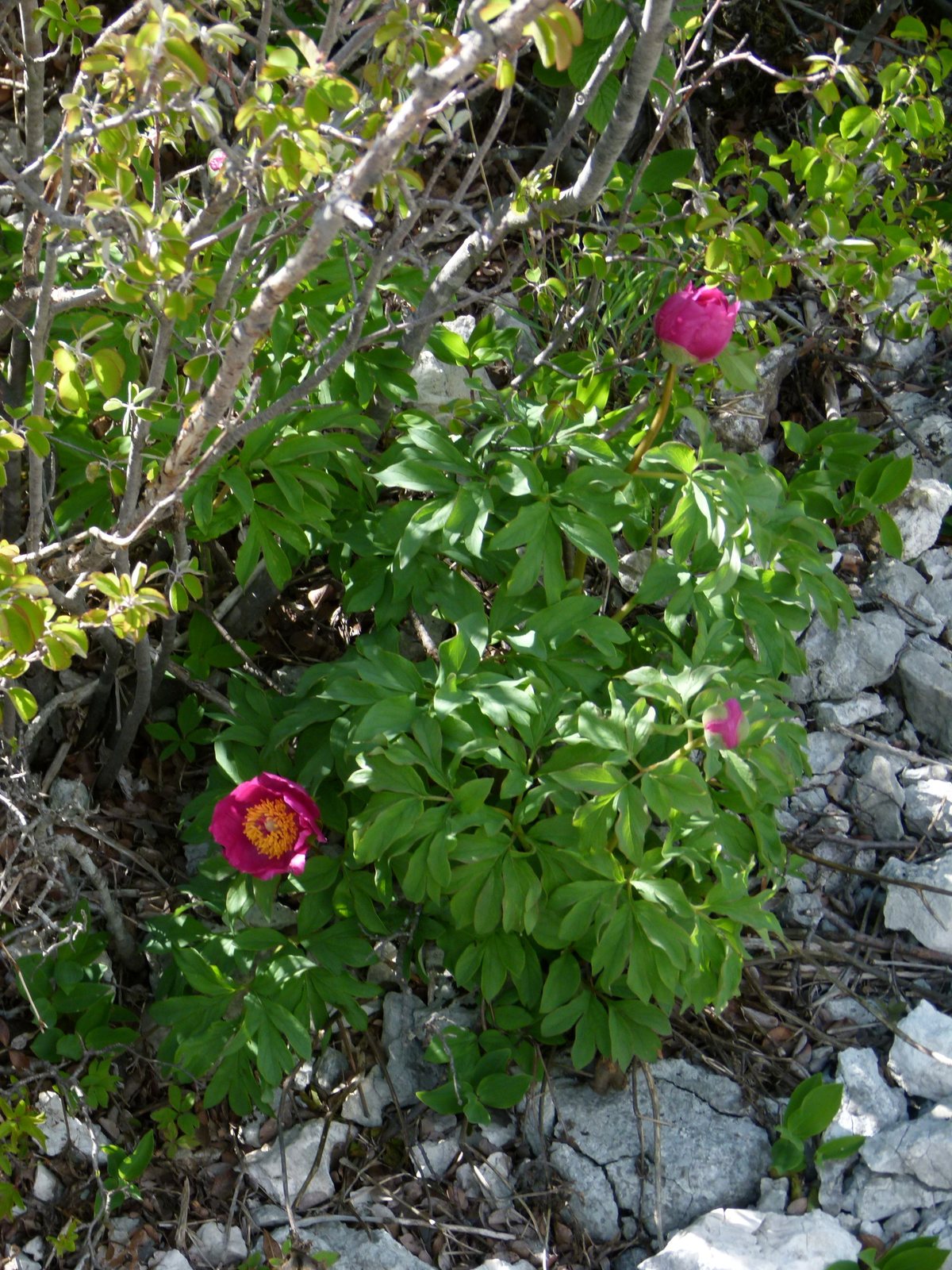
- Deeply divided, dark green leaves form a dense, rounded mound; foliage dies back in autumn.
- Growth
- Moderate once established; allow two or three years for a young division to settle and flower well.
- Care needed
- Low
The year at a glance
- Pollinators
- Deer resistant
- Cold hardy
- Low allergen
- Fragrant
| J | F | M | A | M | J | J | A | S | O | N | D | |
|---|---|---|---|---|---|---|---|---|---|---|---|---|
| Flowers | ||||||||||||
| Plant |
Northern hemisphere months. In Australia, shift them by six.
- Difficulty
- Easy
- Toughness
- Very tough
Will it suit your garden?
Pick your zone, country, light and whether you have pets.
Full sun is 6 or more hours of direct sun a day, part shade 3 to 6 hours, shade under 3.
How it grows
Planting day
1 ft (0.3 m)
After 1 year
1.5 ft (0.45 m)
After 2 years
2 ft (0.6 m)
After 3 years
2.5 ft (0.75 m)
full size
About 3 years to full size.
From a typical nursery size, at an average rate for this kind of plant. A rule of thumb, not a forecast.
Good to know
- Cats and dogs
- Toxic
- Growth rate
- Moderate
Care
Jobs through the year
- WaterApr–Jun, every 7 days
- Water established plants deeply during dry weather as buds develop; young divisions need closer checks.
- WaterJul–Sep, every 14 days
- Water established clumps during prolonged drought, allowing excess water to drain.
- FeedMar–Apr
- Use a modest balanced feed only on poor soil or weak growth; avoid excess nitrogen.
- MulchMar–Apr
- Spread compost around the clump without covering the crown or emerging shoots.
- DeadheadMay–Jun, every 7 days
- Remove faded heads without cutting healthy foliage or unopened side buds.
- PruneOct–Nov
- Cut dead stems just above ground, preserve visible basal buds and remove all debris.
- DivideSep–Oct
- Divide only if necessary; replant with uppermost buds 2.5–5 cm below the surface.
- Plant in autumn where possible, with the uppermost buds about 1-2 in (2.5-5 cm) below the finished soil surface.
- Water deeply during prolonged dry weather; let excess water drain away before watering again.
- Apply a modest amount of balanced fertiliser in spring if the soil is poor; avoid heavy nitrogen feeding.
- Spread compost around the plant in spring, keeping the crown and emerging shoots uncovered.
- Leave established clumps undisturbed unless division is needed; routine staking is usually unnecessary.
Pruning. After flowering, remove spent flower heads but retain the leaves. In late autumn, once the foliage has died, cut stems back to just above ground level, preserving any visible basal buds, and remove the debris.
Through the year
- Early spring
- Check emerging shoots, keep mulch away from the crown and apply a light feed if needed.
- Spring
- Water during dry spells as stems and flower buds develop; check for grey mould on damaged growth.
- Late spring to early summer
- Remove faded flower heads without cutting away healthy foliage or unopened side buds.
- Summer
- Water deeply during drought and retain the foliage to support next year's growth.
- Autumn
- Plant new divisions or divide an established clump only if necessary.
- Late autumn
- Cut down dead foliage, remove fallen leaves and check that winter rain can drain freely.
In the garden
- Use as a focal clump in a sunny mixed border, allowing enough space for its mature spread.
- Pair with purple salvias or blue catmint for a strong colour contrast during flowering.
- Repeat along a broad path or in a formal border for rounded foliage mounds after the flowers finish.
- Combine with late-flowering perennials such as asters, which take over the display later in the season.
Garden styles it suits: English country, Cottage garden, Traditional, Formal, Romantic rose garden and Sensory garden.
Plant it with: Catmint, Hardy geranium, Perennial salvia, Bearded iris, Ornamental onion and Aster.
Wildlife: Bees may collect pollen from flowers with accessible stamens, though heavily doubled blooms offer less access. Ants commonly visit peony buds for sugary secretions; they do not harm the plant and are not needed for flowers to open.
Problems to watch for
- Grey mould or peony blight can blacken buds and shoots in damp weather: remove affected growth, clear dead foliage and improve air circulation.
- Leaf blotch causes reddish-purple or brown patches: remove infected debris in autumn and water the soil rather than the leaves.
- Few or no flowers can result from deep planting, heavy shade, recent disturbance or insufficient winter cold: check planting depth and light, and allow young plants time to establish.
- Crown or root rot develops in waterlogged soil: improve drainage or move the plant to a better-drained site; discard badly rotted plants.
Safety
Toxic to cats, dogs and horses if eaten; all parts should be kept out of reach, especially the roots. Ingestion can cause vomiting or other digestive upset, including diarrhoea. People should not eat any part; ingestion may cause nausea, abdominal pain or diarrhoea, although serious poisoning is uncommon.
Easily confused with
Herbaceous garden peony (Paeonia lactiflora)
It also dies back in winter, but typically has less deeply cut foliage and flowers in white, pink or red rather than Bartzella's clear yellow.
Tree peony (Paeonia suffruticosa)
Tree peonies retain a permanent woody framework above ground through winter; Bartzella loses its leafy stems and regrows mainly from the crown.
The name
The name Itoh honours Japanese breeder Toichi Itoh, who first successfully crossed herbaceous and tree peonies.
Propagation. Divide the crown in early autumn, keeping several healthy buds and substantial roots on each division. The crown can become woody and difficult to cut, so use clean, sharp tools. Seed will not produce plants true to 'Bartzella'.
Checked against open data
- Accepted botanical name
- Paeonia
Sources: GBIF (CC BY 4.0). The care and design notes are LandscapeGPT's own.
See it in your own yard.
Upload a photo of your yard and see it redesigned with plants that suit your climate, each checked against your zone.