Bear's breeches
Acanthus mollis. Family Acanthaceae. Perennial.
Also called Bearsfoot, Oyster plant.
Bear's breeches forms broad clumps of glossy, deeply lobed leaves, with tall summer spikes of white flowers held in purple bracts. Gardeners grow it for bold foliage and architectural shape, but its persistent roots can make it difficult to remove once established.
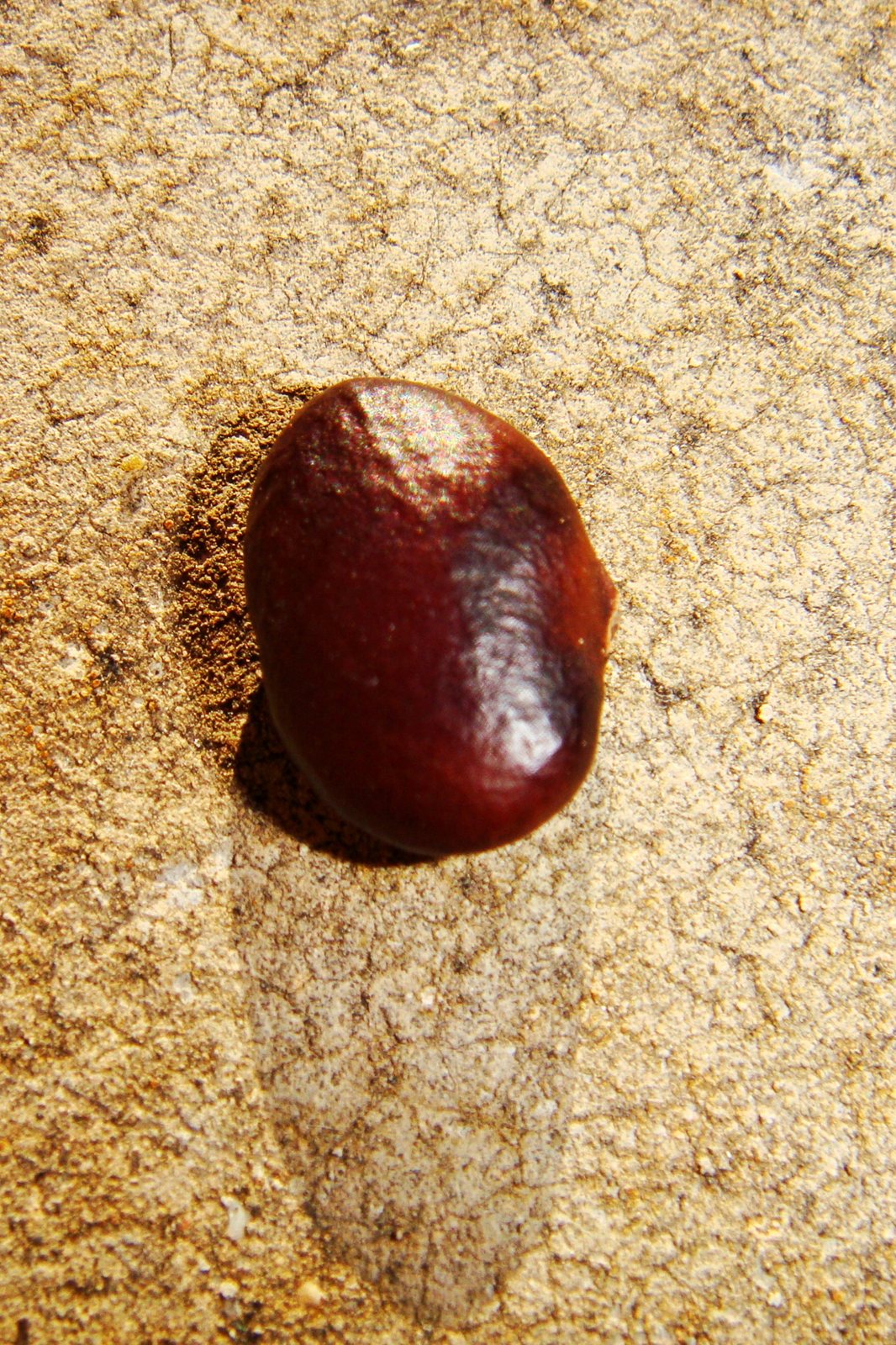
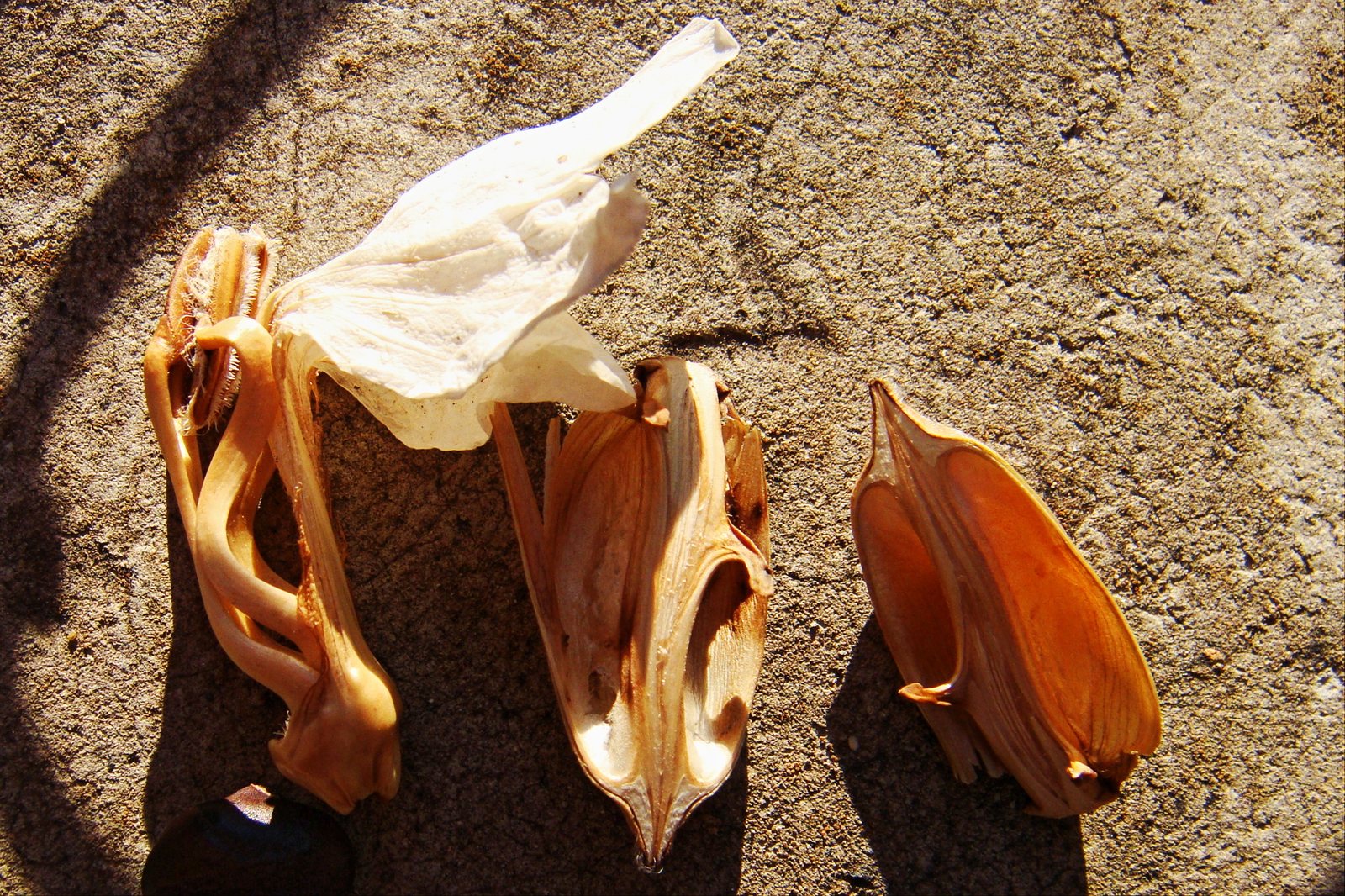
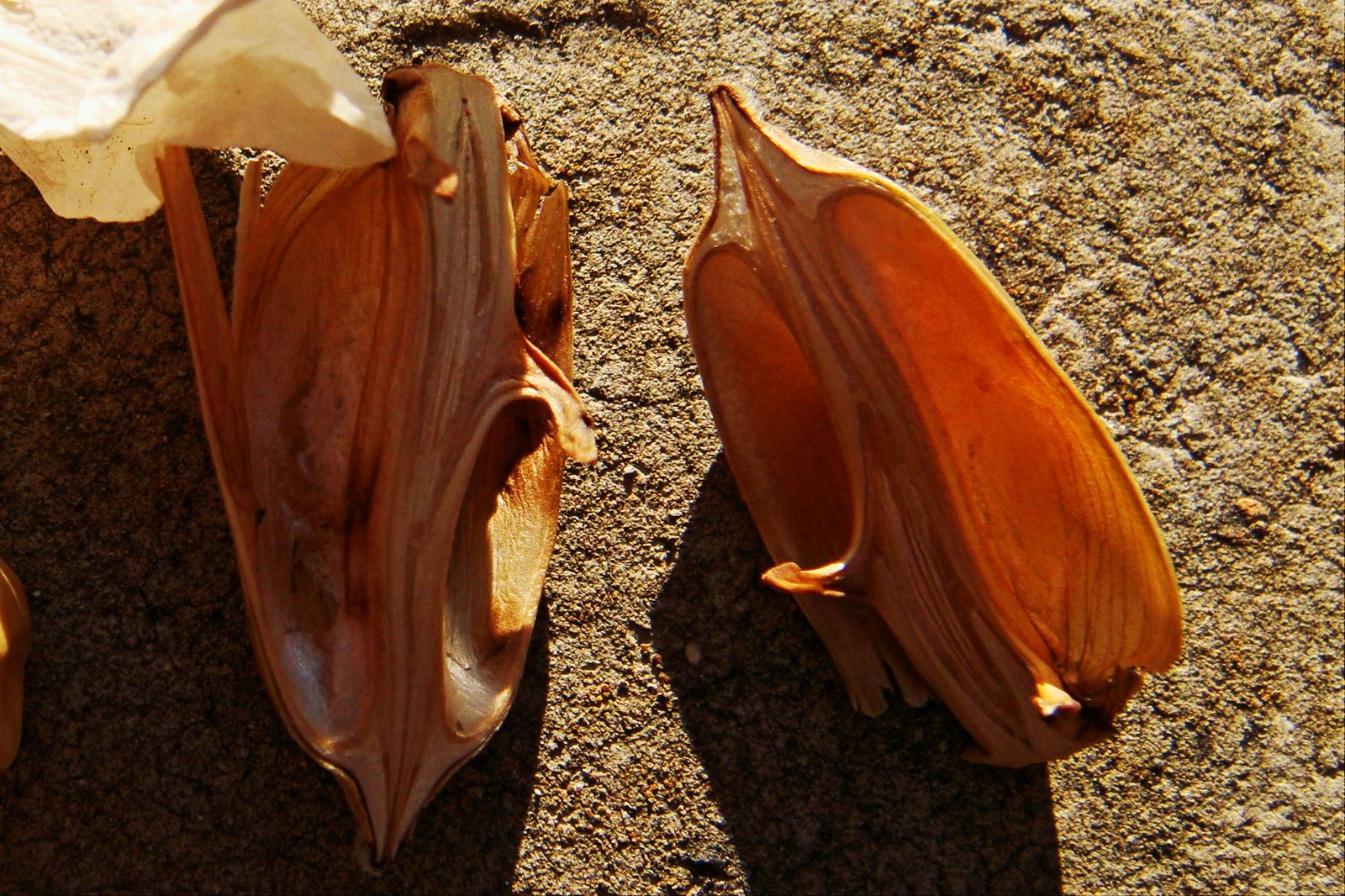
At a glance
- Sun
- Full sun to partial shade; afternoon shade is helpful in hot climates. Deep shade usually reduces flowering.
- Water
- Water regularly during the first growing season. Established plants tolerate some drought, but leaves may collapse or die back in prolonged summer heat and dryness.
- Soil
- Deep, well-drained soil enriched with compost; tolerates clay if it does not remain waterlogged. Accepts acid, neutral or alkaline soil.
- Height
- 3-5 ft (0.9-1.5 m), including flower spikes
- Spread
- 3-4 ft (0.9-1.2 m), eventually wider through spreading roots
- Flowers
- Early to midsummer, sometimes continuing into late summer; white flowers with purple-tinged bracts on upright spikes.
- Foliage
- Large, glossy, dark green leaves with broad, deep lobes. Often semi-evergreen in mild climates, but loses foliage in cold winters or hot, dry summers.
- Growth
- Moderate; established clumps can spread vigorously
- Care needed
- Medium
The year at a glance
- Pollinators
- Deer resistant
- Drought tolerant
- Heat tolerant
- Wildlife
- Low allergen
| J | F | M | A | M | J | J | A | S | O | N | D | |
|---|---|---|---|---|---|---|---|---|---|---|---|---|
| Flowers | ||||||||||||
| Fruit | ||||||||||||
| Plant |
Northern hemisphere months. In Australia, shift them by six.
- Difficulty
- Moderate
- Toughness
- Fairly tough
Will it suit your garden?
Pick your zone, country, light and whether you have pets.
Full sun is 6 or more hours of direct sun a day, part shade 3 to 6 hours, shade under 3.
How it grows
Planting day
1 ft (0.3 m)
After 1 year
2.2 ft (0.68 m)
After 2 years
3 ft (1.1 m)
After 3 years
4 ft (1.2 m)
full size
About 2 years to full size.
From a typical nursery size, at an average rate for this kind of plant. A rule of thumb, not a forecast.
Good to know
- Cats and dogs
- Safe
- Invasive in
- the US and Australia
- In the garden
- Spreads vigorously: plan to contain it.
- Growth rate
- Fast
Care
Jobs through the year
- WaterApr–May, Sep, every 14 days
- Water established plants if soil is dry; water new plants more regularly during their first season.
- WaterJun–Aug, every 7 days
- Water established plants deeply during drought to retain foliage; skip if soil remains moist.
- FeedApr
- Apply a thin compost dressing; avoid rich feeding that favors leaves over flowers.
- PruneFeb–Mar
- Remove frost-damaged or collapsed leaves, retaining healthy foliage.
- ProtectMar–May, every 7 days
- Check young leaves for slugs and snails and remove pests as needed.
- ProtectMay–Jun
- Support developing flower spikes in exposed or windy positions.
- DeadheadJul–Aug
- Cut spent spikes to the base before seeds ripen if seedlings are unwanted.
- MulchNov
- Insulate the root area with loose mulch in cold gardens, keeping the crown clear.
- ProtectJan–Feb, Nov–Dec
- Maintain free drainage; in zone 6 use a sheltered site and substantial root insulation.
- Choose a permanent position away from delicate plants; broken roots can produce new shoots after removal.
- Water deeply during establishment and during prolonged dry spells if you want to retain the foliage.
- Apply a thin layer of compost in spring; avoid heavy feeding, which encourages leaves rather than flowers.
- Mulch over the root area in colder gardens, keeping wet mulch away from the crown.
- Support flower spikes in exposed positions and remove unwanted seedlings promptly.
Pruning. Cut spent flower spikes to the base before seed ripens if you do not want seedlings. Remove frost-damaged or collapsed leaves in late winter or early spring, leaving healthy foliage intact.
Through the year
- Early spring
- Remove damaged leaves and check emerging growth for slugs and snails.
- Spring
- Plant into well-drained soil, water thoroughly and apply a thin compost mulch.
- Late spring
- Place discreet supports around developing flower spikes in windy gardens.
- Summer
- Water during extended drought if foliage begins to wilt; avoid keeping the crown constantly wet.
- Late summer
- Cut off fading flower spikes before seeds ripen and pull out unwanted seedlings.
- Late autumn
- In colder gardens, protect the root area with a loose mulch while maintaining good drainage.
In the garden
- Use as a bold foliage clump at the back of a mixed border, with room for its spreading roots.
- Pair with ferns and hostas in bright shade for contrasting leaf shapes.
- Plant against a plain wall or fence where the upright flower spikes stand out.
- Use in a Mediterranean-style courtyard bed with enough soil depth and space for a permanent clump.
Garden styles it suits: Architectural minimal, Mediterranean, Italian / Tuscan, Formal, Woodland and Arts and Crafts.
Plant it with: Japanese anemones, Hardy geraniums, Foxgloves, Hostas, Soft shield ferns and Astrantias.
Wildlife: Flowers attract bumblebees and other large bees able to enter the partly enclosed blooms. Dense foliage provides shelter for small garden animals, including slugs and snails.
Problems to watch for
- Slugs and snails chew young leaves: inspect at dusk, remove pests and use iron-phosphate bait according to the label if needed.
- Powdery mildew can mark foliage in dry, crowded conditions: improve airflow and water the soil during drought.
- Poor flowering often follows deep shade or excessive nitrogen feeding: provide brighter light and reduce rich fertiliser.
- Waterlogged winter soil can rot the crown and roots: improve drainage or choose a better-drained position.
Safety
Not known to be toxic to people, cats, dogs or horses; no part is generally recognised as poisonous. It is not a food plant, and the pointed flower bracts can scratch skin.
Where it spreads. Can spread aggressively by roots and seed, especially in mild climates. It has escaped gardens in coastal California, parts of southern Australia including Victoria and South Australia, and New Zealand. Keep it away from natural vegetation and check local weed guidance before planting.
Easily confused with
Spiny bear's breeches (Acanthus spinosus)
Its leaves are more finely divided, with narrow, sharply pointed, spiny lobes; Acanthus mollis has broader, softer-looking lobes.
Balkan bear's breeches (Acanthus hungaricus)
Usually has narrower, more deeply cut leaves and a more upright habit; Acanthus mollis has broader, glossy leaves with larger lobes.
The name
Acanthus comes from the Greek akantha, meaning thorn, while mollis is Latin for soft, referring to the softer leaves compared with spiny species.
Propagation. Divide in spring or take root cuttings while dormant. Sow ripe seed in pots, but expect seedlings to vary. Even small root pieces left in the ground can regrow, so division or removal may leave persistent shoots.
Checked against open data
- Accepted botanical name
- Acanthus mollis
- In the US and Canada
- Introduced in the lower 48 states.
- Native range
- Algeria, East Aegean Is., Greece, Italy, Lebanon-Syria, Morocco, Sardegna, Sicilia, Tunisia, Turkey, Turkey-in-Europe and Yugoslavia.
- Measured
- Soil pH 7.5 to 8.
Sources: GBIF (CC BY 4.0), USDA PLANTS and Trefle (CC BY 4.0). The care and design notes are LandscapeGPT's own.
See it in your own yard.
Upload a photo of your yard and see it redesigned with plants that suit your climate, each checked against your zone.