Berkeley sedge
Carex divulsa. Family Cyperaceae. Ornamental grass.
Also called Grey sedge, Grassland sedge.
Berkeley sedge is a clump-forming perennial sedge with narrow, arching green leaves that make a soft, informal groundcover. Gardeners grow it beneath trees, along paths and in naturalistic borders, especially where light shade makes lawn grass difficult to maintain. Despite its common name, Carex divulsa is not native to California and is often confused in the nursery trade with the native Carex tumulicola.
At a glance
- Sun
- Partial shade; tolerates full shade and full sun where the soil does not become excessively hot and dry.
- Water
- Moderate while establishing; tolerates some summer drought once rooted, especially in partial shade. Occasional deep watering keeps the foliage greener in dry weather.
- Soil
- Adaptable to clay, loam and sandy soil, provided drainage is reasonable. Avoid persistently waterlogged ground.
- Height
- 1-2 ft (0.3-0.6 m), with flowering stems sometimes taller
- Spread
- 1-2 ft (0.3-0.6 m) per clump; seedlings can extend the planting
- Flowers
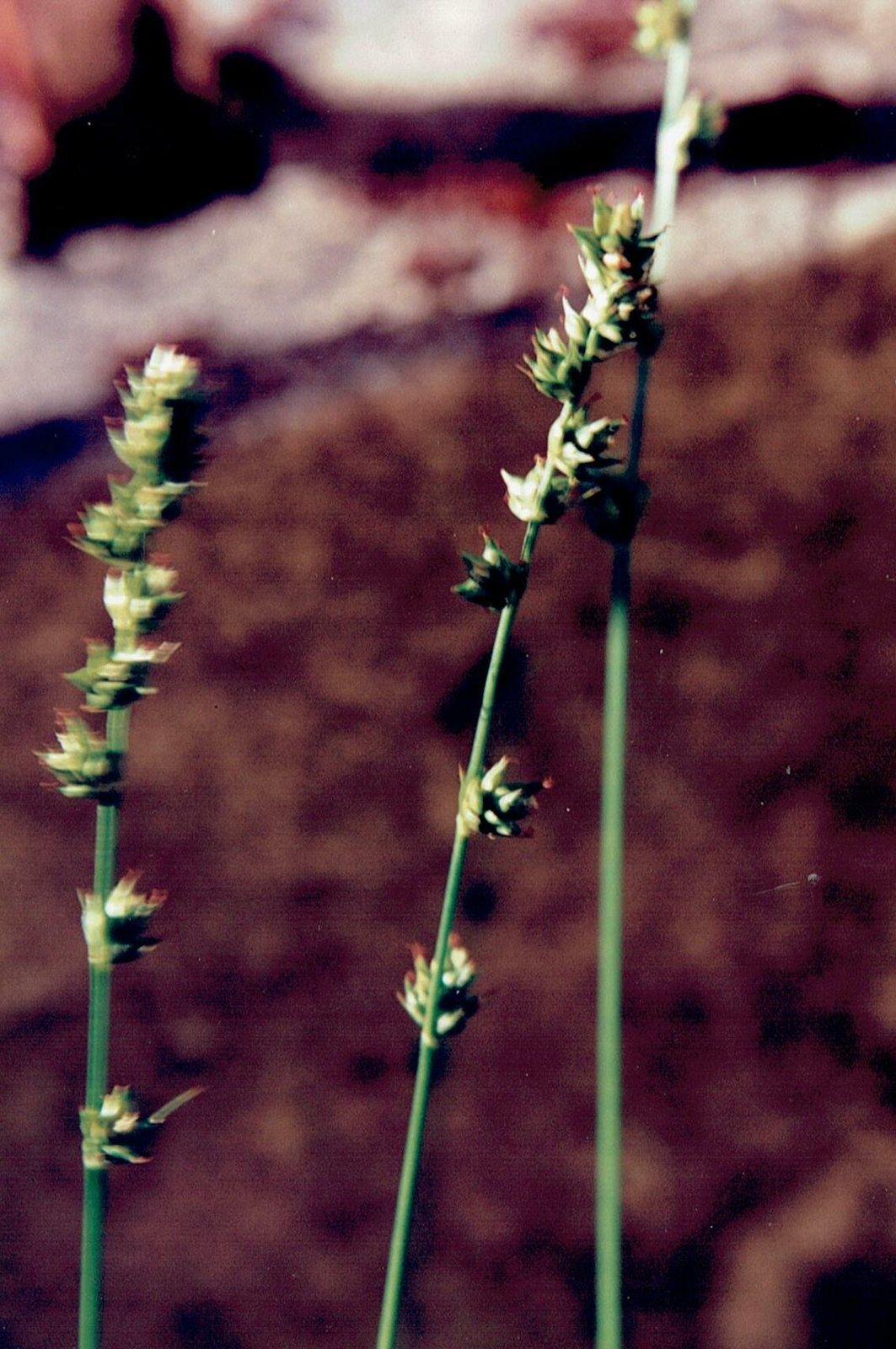
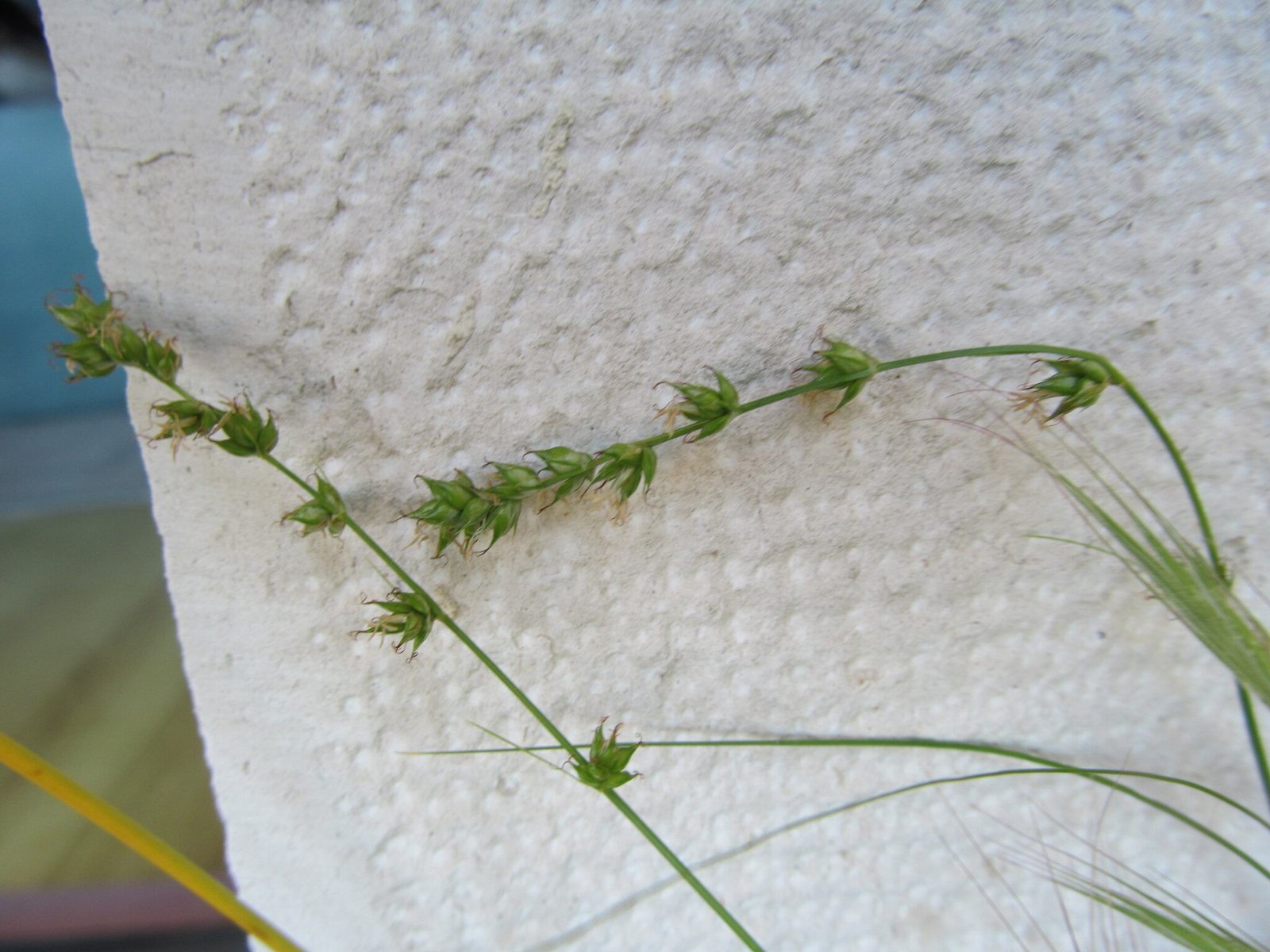
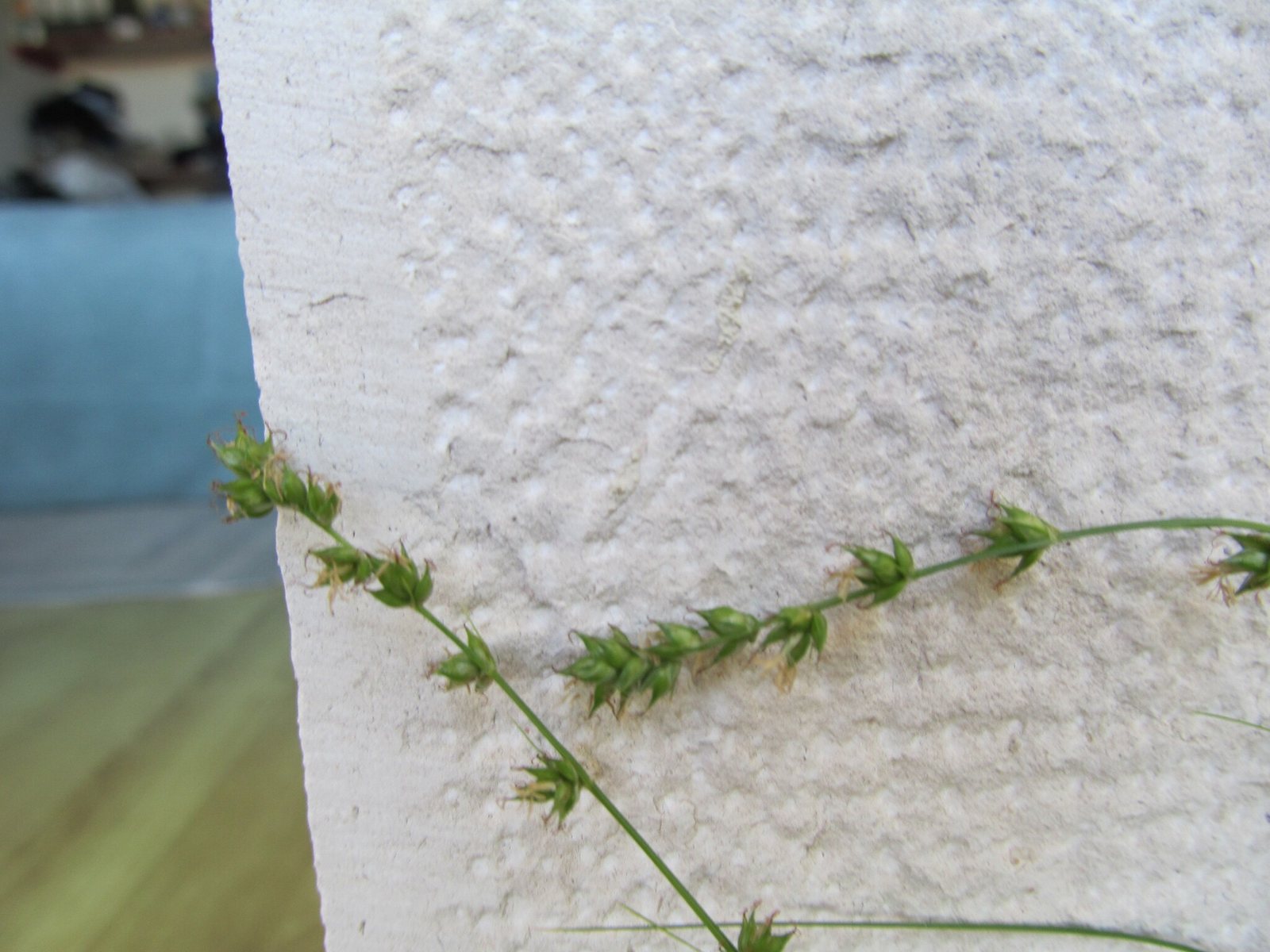
- Small greenish flower clusters turn brown in late spring and early summer, spaced along slender upright stems.
- Foliage
- Narrow, arching, medium-green leaves form loose, fountain-shaped clumps. Evergreen in mild climates, but foliage may brown or die back during cold winters.
- Growth
- Moderate
- Care needed
- Low
The year at a glance
- Deer resistant
- Drought tolerant
- Heat tolerant
- Wildlife
| J | F | M | A | M | J | J | A | S | O | N | D | |
|---|---|---|---|---|---|---|---|---|---|---|---|---|
| Flowers | ||||||||||||
| Fruit | ||||||||||||
| Plant |
Northern hemisphere months. In Australia, shift them by six.
- Difficulty
- Easy
- Toughness
- Very tough
Will it suit your garden?
Pick your zone, country, light and whether you have pets.
Full sun is 6 or more hours of direct sun a day, part shade 3 to 6 hours, shade under 3.
How it grows
Planting day
1.1 ft (0.35 m)
After 1 year
1.3 ft (0.39 m)
After 2 years
1.4 ft (0.43 m)
After 3 years
1.5 ft (0.45 m)
full size
About 3 years to full size.
From a typical nursery size, at an average rate for this kind of plant. A rule of thumb, not a forecast.
Good to know
- Cats and dogs
- Safe
- Native to
- the UK
- In the garden
- Spreads vigorously: plan to contain it.
- Growth rate
- Moderate
Care
Jobs through the year
- WaterApr–May, Sep–Oct, every 14 days
- Water established clumps only in dry weather; keep new plants more consistently moist.
- WaterJun–Aug, every 14 days
- Deep-water established clumps during prolonged dry spells to keep foliage green.
- PruneFeb–Mar
- Comb out dead leaves; cut badly browned clumps to 8–10 cm without damaging new shoots.
- MulchMar–Apr
- Top-dress lightly with compost, keeping the crown uncovered.
- DivideMar–Apr
- Divide congested clumps and keep divisions watered until established.
- DeadheadMay–Jun
- Remove flower stems before seed ripens if unwanted seedlings are a concern.
- Water deeply during the first growing season, allowing the surface soil to dry slightly between waterings.
- Give established plants occasional deep watering during prolonged dry weather if the leaves begin to brown.
- Apply a thin layer of compost in spring; routine fertilizer is usually unnecessary.
- Keep mulch away from the crown to reduce the risk of rot.
- Divide crowded clumps in spring, watering the divisions until established.
- Remove flowering stems before seed ripens where unwanted seedlings are a concern.
Pruning. In late winter or early spring, comb out dead leaves and trim damaged tips before fresh growth begins. If a clump is badly winter-browned, cut it back to about 3-4 in (8-10 cm), avoiding any new shoots.
Through the year
- Late winter
- Remove dead foliage and cut back badly browned clumps before new growth starts.
- Spring
- Plant or divide clumps, water thoroughly and top-dress lightly with compost.
- Late spring
- Watch for emerging flower stems and decide whether to retain them or remove them to limit seeding.
- Summer
- Water deeply during extended dry spells and pull unwanted seedlings while small.
- Early autumn
- Plant new clumps in mild climates while the soil is warm, keeping them watered until rooted.
In the garden
- Mass beneath deciduous trees for a soft green ground layer that tolerates root competition once established.
- Edge shaded paths with arching clumps to soften paving without creating a rigid border.
- Combine with broad-leaved shade perennials to contrast fine and bold foliage textures.
- Use as an informal lawn alternative in lightly used areas, with stepping stones for regular foot traffic.
Garden styles it suits: Woodland, Low-maintenance, Green on green, Pacific Northwest woodland and Contemporary minimal.
Plant it with: Hellebores, Epimediums, Japanese painted ferns, Hostas, Coral bells and Hardy geraniums.
Wildlife: Dense clumps shelter small invertebrates. Like other sedges, it is wind-pollinated rather than a significant nectar source for bees.
Problems to watch for
- Unwanted seedlings: remove flower stems before seeds mature and pull seedlings promptly, especially beside natural areas.
- Brown leaf tips during drought or hot sun: water deeply and provide afternoon shade in hot climates.
- Crown rot in persistently wet soil: improve drainage, keep mulch off the crown and replace badly rotted plants.
- Winter-browned foliage: leave it through severe weather, then remove damaged growth in late winter or early spring.
Safety
Not known to be toxic to people, cats, dogs or horses. Species-specific poisoning information is limited; it is an ornamental plant, not a food or a substitute for suitable grazing.
Where it spreads. Can self-seed aggressively in coastal California, including Bay Area gardens, and escape cultivation. It is not a California native; avoid planting beside natural habitats where seedlings could spread.
Easily confused with
Foothill sedge (Carex tumulicola)
This western North American native has been sold under the same common name. Carex divulsa generally has a longer, more interrupted flower head, with the lower clusters noticeably separated;
The name
The botanical epithet divulsa means pulled apart or separated, referring to the spaced flower clusters.
Propagation. Divide established clumps in spring, retaining roots and several shoots on each division. It also grows from seed and may produce self-sown seedlings.
Checked against open data
- Accepted botanical name
- Carex divulsa
- In the US and Canada
- Introduced in Canada and the lower 48 states.
- Native range
- Albania, Algeria, Austria, Azores, Baleares, Baltic States, Belgium, Bulgaria, Canary Is., Corse, Czechoslovakia and East Aegean Is..
- Measured
- Soil pH 6.5 to 7. Average height 58 cm.
Sources: GBIF (CC BY 4.0), USDA PLANTS and Trefle (CC BY 4.0). The care and design notes are LandscapeGPT's own.
See it in your own yard.
Upload a photo of your yard and see it redesigned with plants that suit your climate, each checked against your zone.