Bird of paradise
Strelitzia reginae. Family Strelitziaceae. Perennial.
Also called Crane flower, Orange bird of paradise.
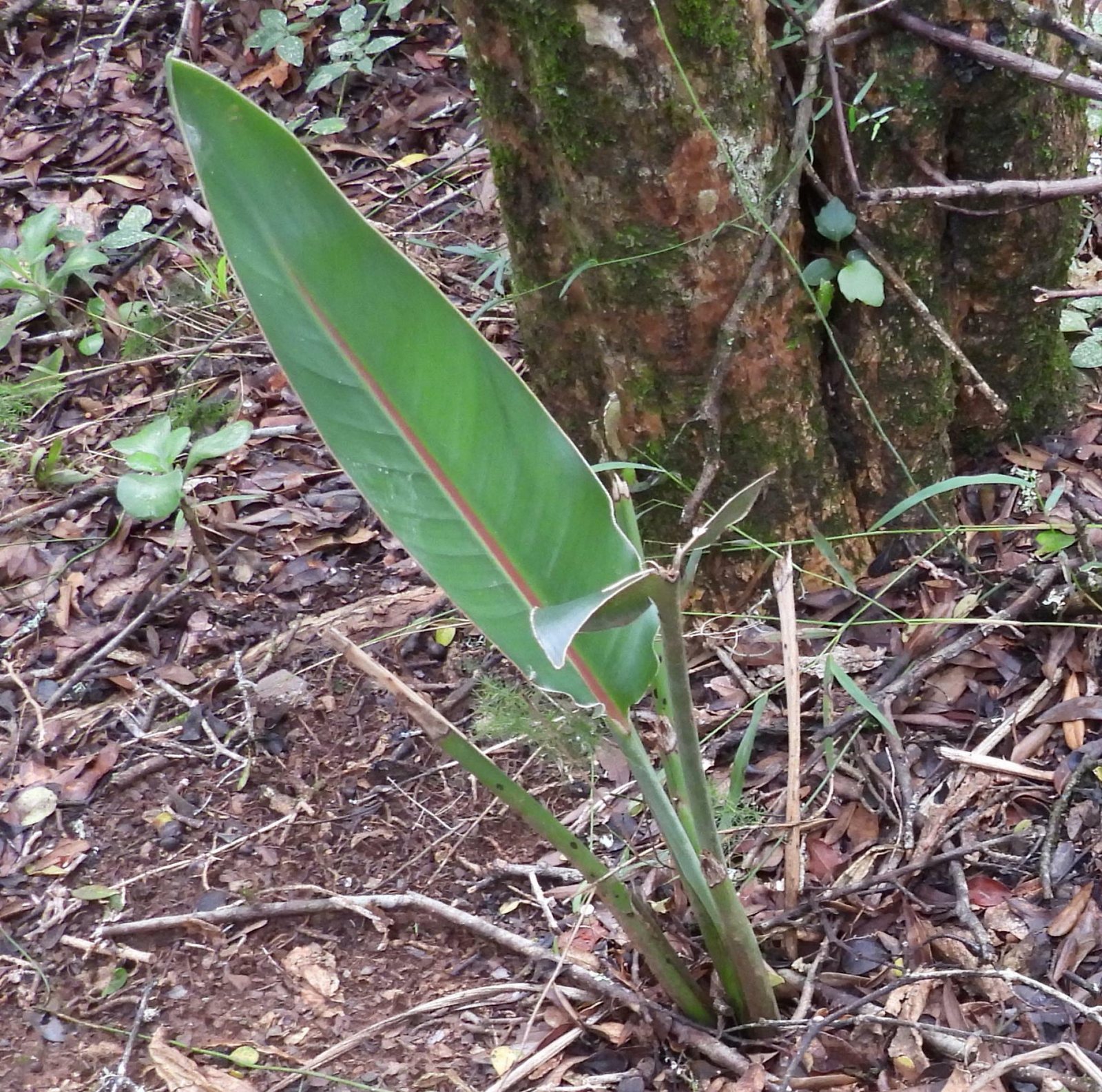
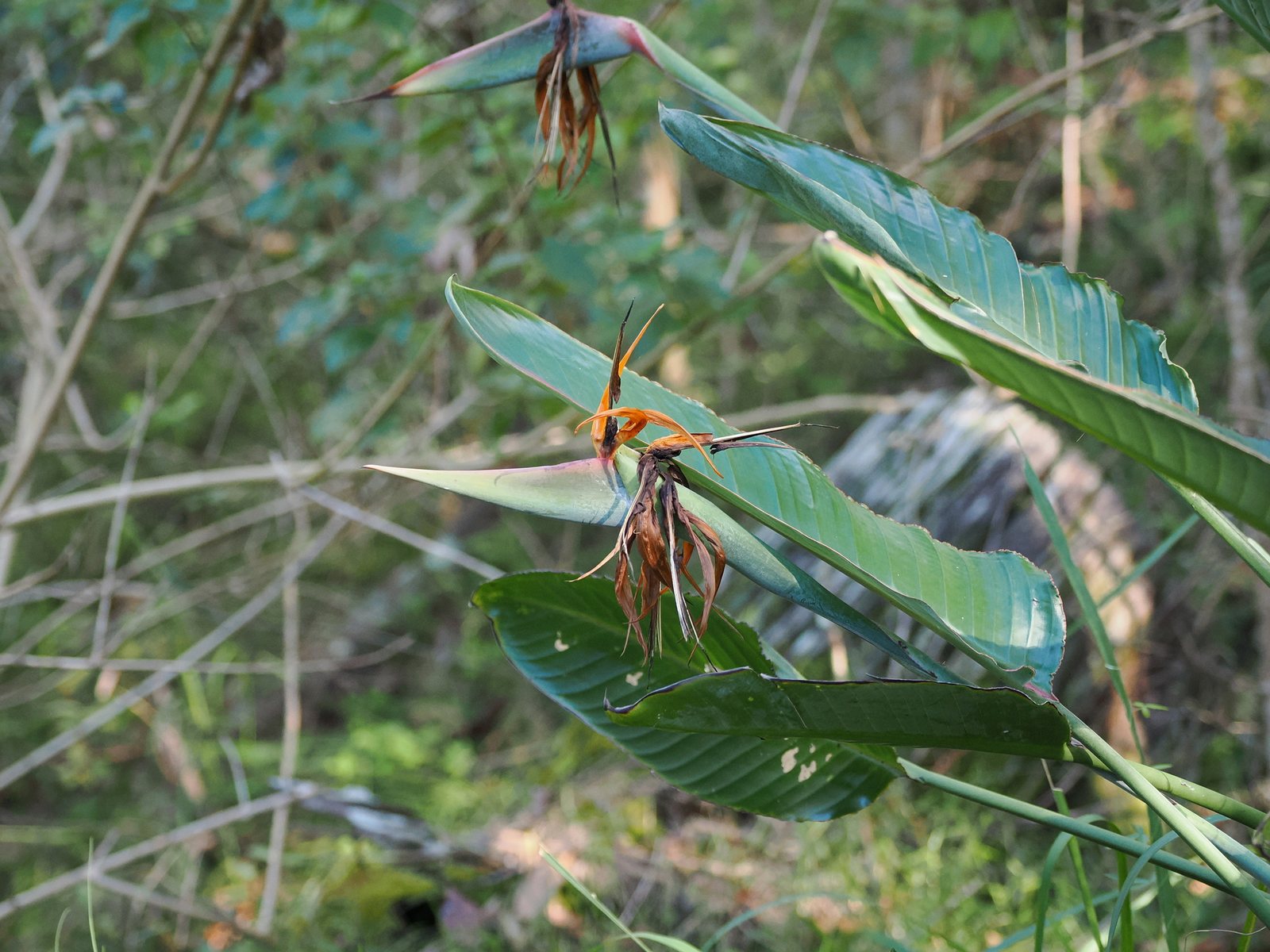
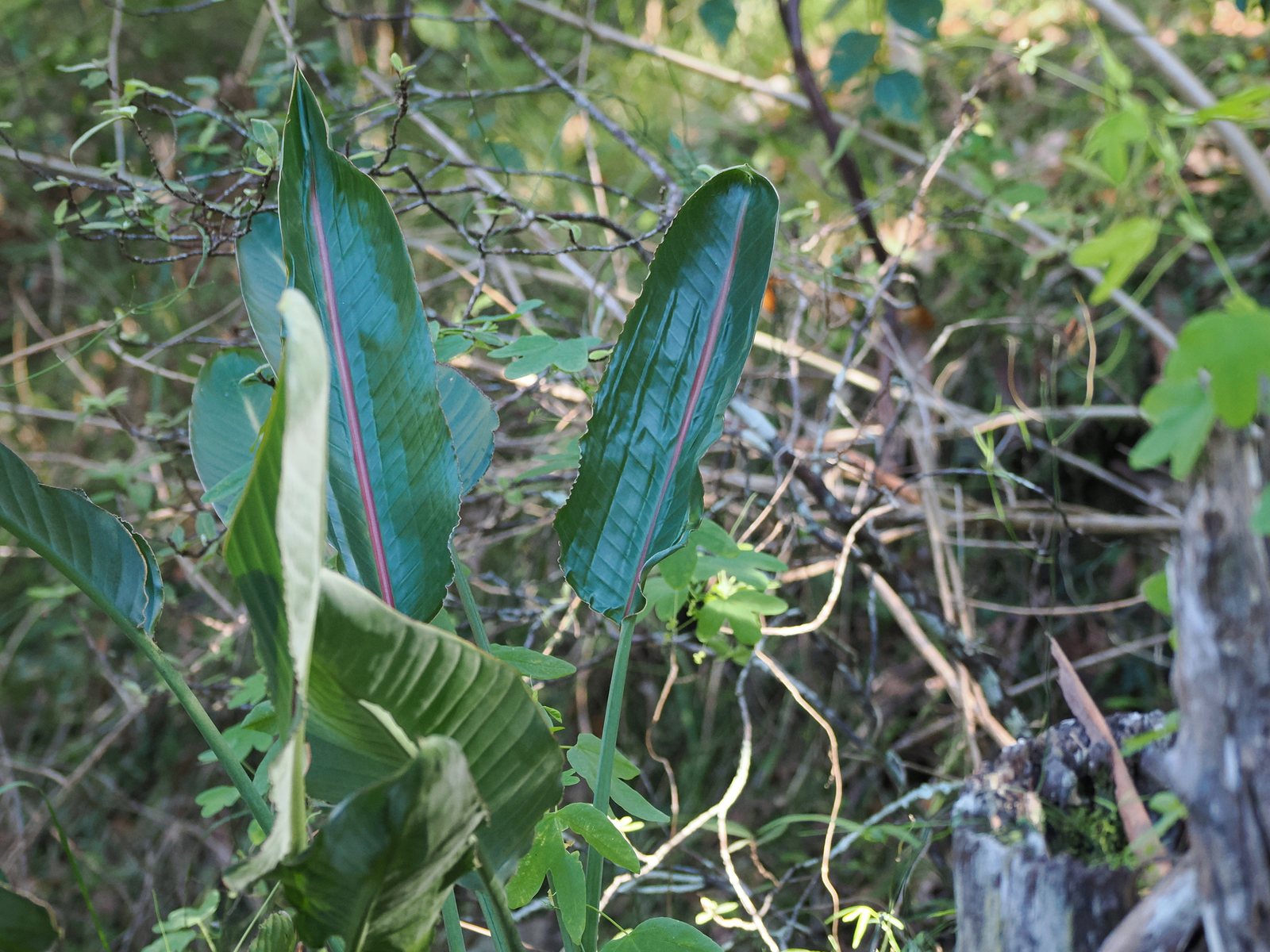
An evergreen, clump-forming perennial from South Africa, grown for its upright, paddle-shaped leaves and orange-and-blue flowers that resemble a bird's head. It makes a strong architectural accent in warm gardens; in colder climates, grow it in a container and overwinter it somewhere bright and frost-free.
At a glance
- Sun
- Full sun to partial shade; flowering is usually best with several hours of direct sun. Provide afternoon shade in very hot inland gardens.
- Water
- Water deeply during active growth, then let the surface soil dry before watering again. Reduce watering in winter, especially in cool conditions, but do not let the root ball dry out completely.
- Soil
- Fertile, well-drained soil. For containers, use a loam-based potting mix with added grit or another drainage material.
- Height
- 3-6 ft (0.9-1.8 m)
- Spread
- 3-5 ft (0.9-1.5 m)
- Flowers
- Mainly late winter through spring, with occasional flowers at other times in warm climates. Orange petals and blue tongues emerge from a stiff, beak-like green bract.
- Foliage
- Evergreen. Large, leathery, grey-green paddle-shaped leaves on long, upright stalks, arranged in fans. Wind can split the blades.
- Growth
- Slow to moderate; young plants can take several years to flower.
- Care needed
- Medium
The year at a glance
- Drought tolerant
- Heat tolerant
- Low allergen
| J | F | M | A | M | J | J | A | S | O | N | D | |
|---|---|---|---|---|---|---|---|---|---|---|---|---|
| Flowers | ||||||||||||
| Plant |
Northern hemisphere months. In Australia, shift them by six.
- Difficulty
- Moderate
- Toughness
- Fairly tough
Will it suit your garden?
Pick your zone, country, light and whether you have pets.
Full sun is 6 or more hours of direct sun a day, part shade 3 to 6 hours, shade under 3.
How it grows
Planting day
1 ft (0.3 m)
After 1 year
1.9 ft (0.57 m)
After 2 years
2.8 ft (0.84 m)
After 3 years
4 ft (1.1 m)
After 5 years
4 ft (1.4 m)
full size
About 4 years to full size.
From a typical nursery size, at an average rate for this kind of plant. A rule of thumb, not a forecast.
Good to know
- Cats and dogs
- Toxic
- Growth rate
- Slow
Care
Jobs through the year
- WaterApr–May, Sep–Oct, every 10 days
- Grow in a movable container here; water thoroughly once the compost surface dries.
- WaterJun–Aug, every 7 days
- Water as the surface dries, checking outdoor pots more often in heat and emptying saucers.
- WaterJan–Mar, Nov–Dec, every 21 days
- In cool winter shelter, water sparingly without letting the root ball dry completely.
- FeedApr–Aug, every 14 days
- Use balanced liquid fertilizer at the label rate while actively growing.
- PruneMar–Apr
- Cut dead or badly damaged leaves close to the base; retain healthy foliage.
- DeadheadMar–Jun
- Cut spent flower stalks close to the base after flowering.
- DivideMay–Jun
- Divide only overcrowded mature clumps; division can delay flowering.
- ProtectMay–Jun
- Move outdoors once nights stay above 10°C, introducing direct sun gradually.
- ProtectSep–Oct
- Bring into bright shelter before cold nights, preferably maintaining temperatures above 10°C.
- ProtectJan–Apr, Nov–Dec
- Keep frost-free in bright light, away from cold glass and heating vents.
- Water thoroughly in spring and summer, allowing the surface soil to dry between waterings; empty container saucers.
- Feed container plants with a balanced liquid fertiliser according to the label during active growth.
- Apply a thin organic mulch around outdoor clumps, keeping it away from the leaf bases.
- Move containers under cover before frost, providing bright light and a winter temperature preferably above 50°F (10°C).
- Repot only when crowded roots make watering difficult; choose a pot just one size larger.
Pruning. Cut spent flower stalks and dead or badly damaged leaves close to the base whenever needed, using clean secateurs. Do not shear the foliage or cut healthy leaves back halfway.
Through the year
- Early spring
- Remove dead leaves and spent flower stalks; check container drainage.
- Spring
- Resume regular feeding as growth increases; repot or divide only if necessary.
- Late spring
- In cold climates, move containers outdoors once nights are consistently above 50°F (10°C), introducing direct sun gradually.
- Summer
- Water deeply during dry weather and inspect leaf undersides for mites and scale.
- Autumn
- Bring containers into a bright, frost-free space before cold nights arrive; reduce feeding.
- Winter
- Water sparingly in cool conditions and keep plants away from cold glass and heating vents.
In the garden
- Use a single large container beside a sunny entrance for upright foliage and a clear focal point.
- Plant repeated clumps along a warm wall, leaving room for their mature spread.
- Combine with agapanthus and ornamental grasses for contrasting leaf shapes in a frost-free border.
- Place near a sheltered terrace where the flowers can be seen closely and cut for indoor arrangements.
Garden styles it suits: Architectural minimal, Modern tropical, Luxury resort, Modern courtyard, Mediterranean and Tropical.
Plant it with: Agapanthus, Kangaroo paw, New Zealand flax, Society garlic and Lomandra.
Wildlife: Sunbirds pollinate the flowers in its native range. Elsewhere, birds may visit for nectar, but it is not a dependable source of food for local pollinating insects.
Problems to watch for
- Few or no flowers: increase light, avoid excessive nitrogen feeding and allow young plants time to mature; recent division can delay flowering.
- Root rot: improve drainage, stop leaving pots in water and reduce watering during cool weather.
- Scale insects or mealybugs: inspect leaf stalks and undersides; remove small infestations by hand and treat persistent ones with a labelled horticultural oil or insecticidal soap.
- Spider mites indoors: look for pale stippling and fine webbing; rinse foliage thoroughly and use insecticidal soap if needed.
Safety
Toxic to cats and dogs if eaten, particularly the seeds and fruit; reported effects include nausea, vomiting and drowsiness, usually mild. Seeds and fruit can also cause digestive upset in people. Reliable information on toxicity to horses is limited, so keep it out of grazing areas.
Easily confused with
Giant white bird of paradise (Strelitzia nicolai)
Develops tall, trunk-like stems and much larger, banana-like leaves; flowers are white and blue rather than orange and blue.
Rush-leaved bird of paradise (Strelitzia juncea)
Mature plants have narrow, cylindrical, rush-like leaves with little or no broad blade; flowers are similar to those of Strelitzia reginae.
False bird of paradise (Heliconia psittacorum)
Has smaller banana-like leaves and branched flower displays with colourful bracts, rather than the single horizontal, boat-shaped bract of Strelitzia.
The name
Strelitzia honours Queen Charlotte of Mecklenburg-Strelitz, reginae means 'of the queen', and bird of paradise describes the flower's resemblance to an exotic bird.
Propagation. Divide established clumps in spring, keeping several shoots and a good portion of roots on each division. Divisions may take a few years to flower again. Seed propagation is slow, and seedlings commonly take several years to reach flowering size.
Checked against open data
- Accepted botanical name
- Strelitzia reginae
- Native range
- Cape Provinces and KwaZulu-Natal.
Sources: GBIF (CC BY 4.0) and Trefle (CC BY 4.0). The care and design notes are LandscapeGPT's own.
See it in your own yard.
Upload a photo of your yard and see it redesigned with plants that suit your climate, each checked against your zone.