Black Adder hyssop
Agastache 'Black Adder'. Family Lamiaceae. Perennial.
Also called Black Adder giant hyssop, Blackadder agastache.
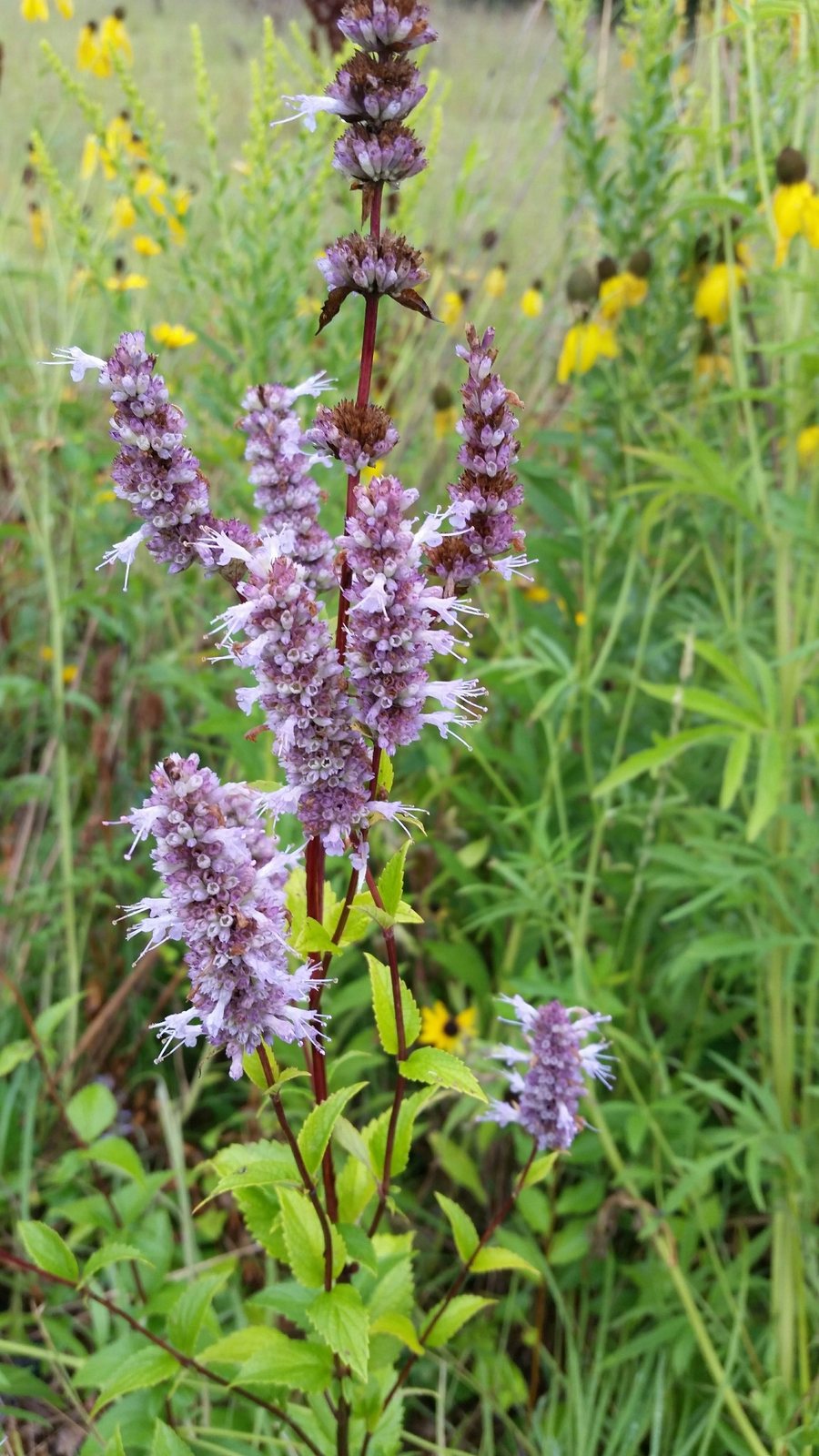
Agastache 'Black Adder' is an upright, clump-forming perennial with aromatic leaves and long spikes of violet-blue flowers emerging from dark buds. Gardeners grow it for its long flowering season and its appeal to bees and butterflies; sharply drained soil is important for winter survival.
At a glance
- Sun
- Full sun; light shade is tolerated, but flowering is usually weaker and stems may lean.
- Water
- Water regularly while establishing. Once established, allow the soil to dry between waterings; water during prolonged drought to sustain flowering.
- Soil
- Well-drained sandy, gravelly or loamy soil, preferably of low to moderate fertility. Avoid heavy soil that stays wet in winter.
- Height
- 2-3 ft (0.6-0.9 m)
- Spread
- 1.5-2 ft (0.45-0.6 m)
- Flowers
- Midsummer to early autumn; violet-blue flowers on dense spikes with dark purple buds and calyces.
- Foliage
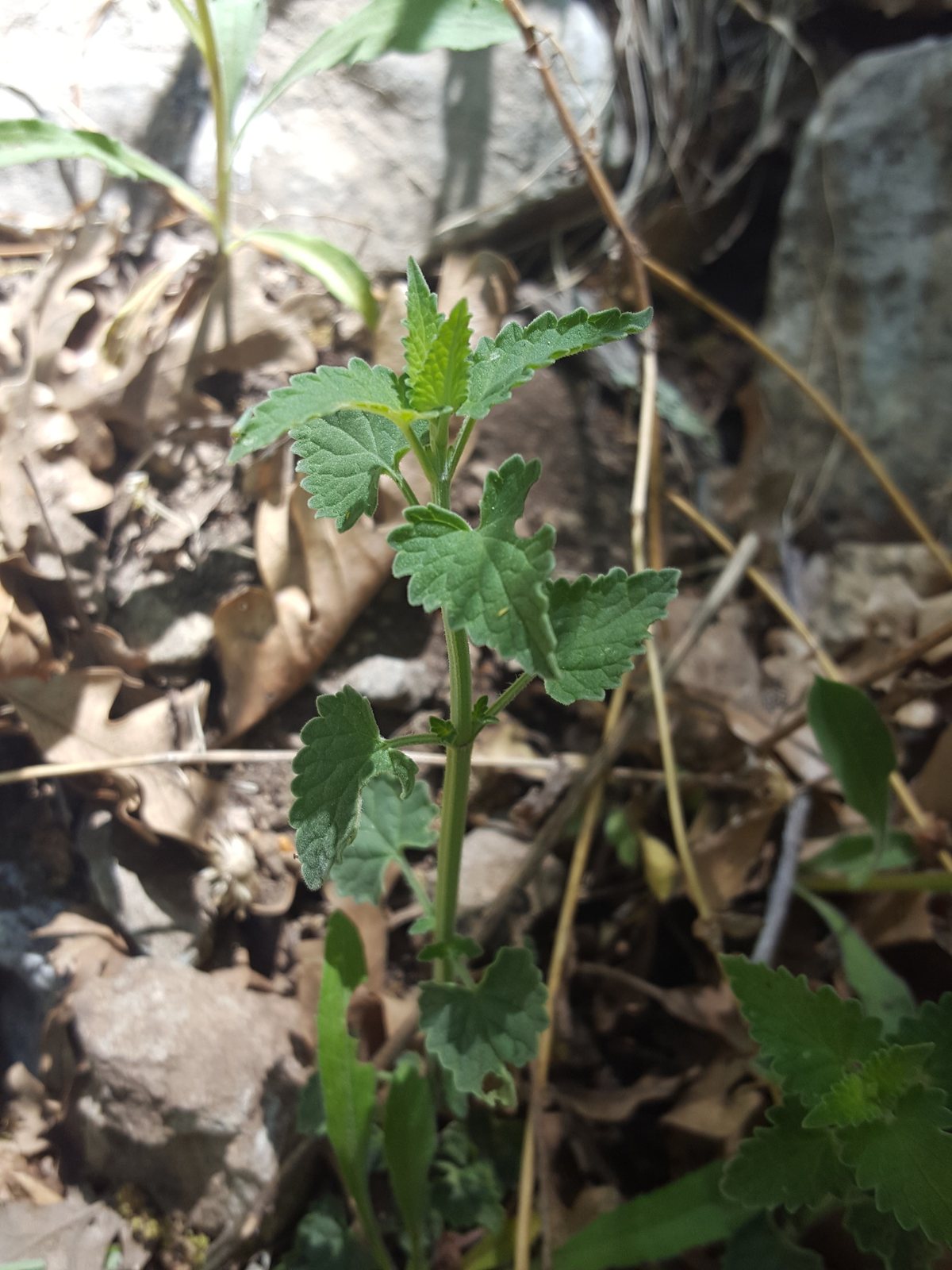
- Green, toothed, pointed leaves with an anise-like scent when rubbed; foliage dies back in winter.
- Growth
- Moderate to fast; often flowers well in its first growing season.
- Care needed
- Low
The year at a glance
- Pollinators
- Deer resistant
- Drought tolerant
- Heat tolerant
- Low allergen
- Fragrant
| J | F | M | A | M | J | J | A | S | O | N | D | |
|---|---|---|---|---|---|---|---|---|---|---|---|---|
| Flowers | ||||||||||||
| Fruit | ||||||||||||
| Plant |
Northern hemisphere months. In Australia, shift them by six.
- Difficulty
- Easy
- Toughness
- Fairly tough
Will it suit your garden?
Pick your zone, country, light and whether you have pets.
Full sun is 6 or more hours of direct sun a day, part shade 3 to 6 hours, shade under 3.
How it grows
Planting day
1 ft (0.3 m)
After 1 year
1.6 ft (0.49 m)
After 2 years
2.2 ft (0.68 m)
After 3 years
2.5 ft (0.75 m)
full size
About 2 years to full size.
From a typical nursery size, at an average rate for this kind of plant. A rule of thumb, not a forecast.
Good to know
- Cats and dogs
- Safe
- Growth rate
- Fast
Care
Jobs through the year
- WaterApr–May, Sep, every 21 days
- Water established plants only in dry spells; let soil dry between waterings and water young plants more often.
- WaterJun–Aug, every 14 days
- Water established plants deeply during prolonged drought to sustain flowering.
- PruneMar–Apr
- Cut overwintered stems just above emerging basal growth.
- DeadheadJul–Aug, every 14 days
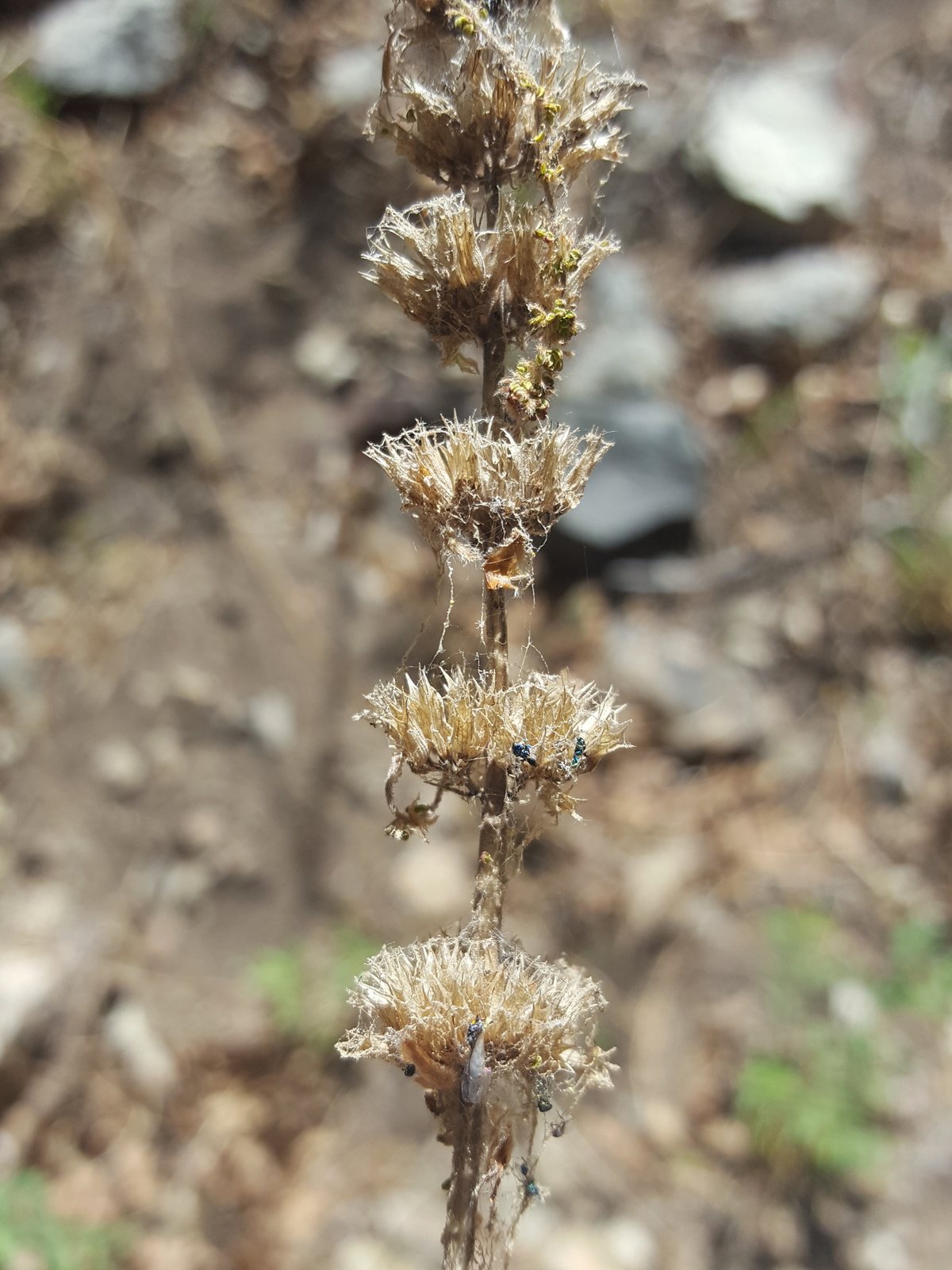
- Remove faded spikes for repeat flowering; leave late spikes for winter structure.
- MulchApr–May
- Use a light gravel mulch, keeping the crown clear.
- ProtectMar–May
- Protect emerging shoots from slugs using hand-picking or suitable barriers.
- ProtectJan–Feb, Nov–Dec
- Keep wet leaves off the crown and ensure winter water drains freely.
- Plant in spring in colder regions so roots establish before winter.
- Water at soil level and let the surface dry between waterings; never leave containers standing in water.
- Avoid heavy feeding, which encourages soft, floppy growth.
- Keep mulch away from the crown; a light gravel mulch suits damp climates.
- Use discreet supports early if stems lean in exposed sites.
Pruning. Remove faded flower spikes during summer to keep the plant tidy and encourage further bloom. Leave the main stems standing over winter, then cut them back just above emerging basal growth in spring.
Through the year
- Spring
- Cut back old stems once new growth appears, taking care not to damage basal shoots.
- Spring
- Plant in a sunny, freely drained position and water thoroughly.
- Late spring
- Take softwood cuttings from healthy, non-flowering shoots.
- Summer
- Water newly planted specimens during dry spells and remove spent flower spikes.
- Early autumn
- Leave some late flower spikes for structure and stop feeding.
- Winter
- Check that water drains away from the crown and move pots out of persistent rain if necessary.
In the garden
- Repeat small groups through a sunny perennial border to create a rhythm of upright purple spikes.
- Combine with ornamental grasses and coneflowers for a loose, long-flowering planting.
- Use in a gravel garden alongside lavender and catmint, where drainage suits all three.
- Place near a sunny path or seating area where the scented foliage and visiting pollinators can be enjoyed.
Garden styles it suits: Cottage garden, New perennial (prairie), Pollinator garden, Dry gravel garden, Sensory garden and Blues and silvers.
Plant it with: Purple coneflower, Feather reed grass, Catmint, Lavender, Yarrow and Russian sage.
Wildlife: Flowers attract bees, butterflies and other nectar-feeding insects. Hummingbirds may visit in North America.
Problems to watch for
- Winter crown or root rot: improve drainage, keep the crown free of wet mulch and avoid planting in winter-wet clay.
- Slugs and snails on emerging shoots: inspect young growth and use barriers, hand-picking or locally approved iron-phosphate bait.
- Powdery mildew: provide good airflow, avoid crowding and water the soil rather than the foliage.
- Floppy stems: provide more sun, reduce feeding and support stems before they fall.
Safety
Not known to be toxic to people, cats, dogs or horses. Cultivar-specific safety information is limited, and it is grown as an ornamental rather than a food plant; avoid deliberately feeding any part to pets or livestock.
Easily confused with
Anise hyssop (Agastache foeniculum)
Very similar aromatic foliage and purple flower spikes; 'Black Adder' generally has darker buds and longer, denser spikes. A reliable nursery label is the best confirmation.
Korean mint (Agastache rugosa)
Usually has broader, more triangular leaves and paler purple flower spikes. Hybrids can be difficult to distinguish without a label.
Common hyssop (Hyssopus officinalis)
A smaller, woody-based plant with narrow leaves, rather than the broad, toothed leaves of 'Black Adder'.
The name
Agastache comes from Greek words meaning 'many' and 'ear of grain', referring to the numerous flower spikes.
Propagation. Take softwood cuttings in late spring or early summer, or divide healthy established clumps in spring. This hybrid is generally sterile; seed is not a reliable way to reproduce the cultivar.
Checked against open data
- Accepted botanical name
- Agastache
Sources: GBIF (CC BY 4.0). The care and design notes are LandscapeGPT's own.
See it in your own yard.
Upload a photo of your yard and see it redesigned with plants that suit your climate, each checked against your zone.