Black-eyed pea
Vigna unguiculata. Family Fabaceae. Annual.
Also called Cowpea, Southern pea, Black-eyed bean.
Black-eyed pea is a heat-loving legume grown as an annual for its edible pods and seeds, especially the pale beans marked with a dark eye. Bush and trailing forms suit kitchen gardens, but reliable crops need a long, warm summer; outdoor yields can be poor in cool parts of the United Kingdom and Canada.
At a glance
- Sun
- Full sun, with at least 6-8 hours of direct light daily.
- Water
- Water regularly during establishment, flowering and pod filling; established plants tolerate some drought, but dry soil reduces yields.
- Soil
- Well-drained sandy loam or loam, ideally pH 6.0-7.0; avoid waterlogged soil and excessive nitrogen.
- Height
- Bush forms: 1-3 ft (0.3-0.9 m); climbing forms: 4-8 ft (1.2-2.4 m) with support.
- Spread
- 1-3 ft (0.3-0.9 m), depending on variety and support.
- Flowers
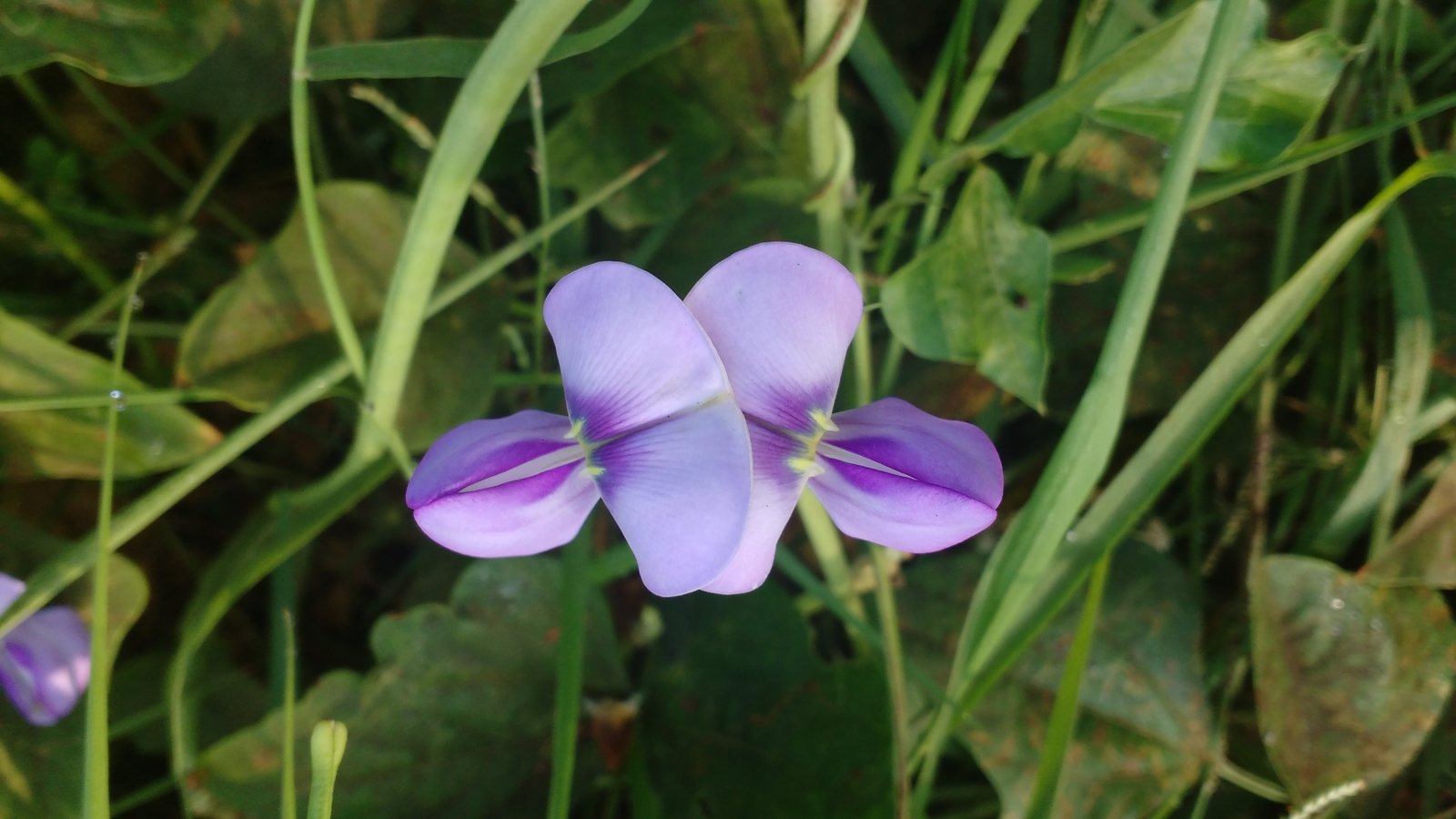
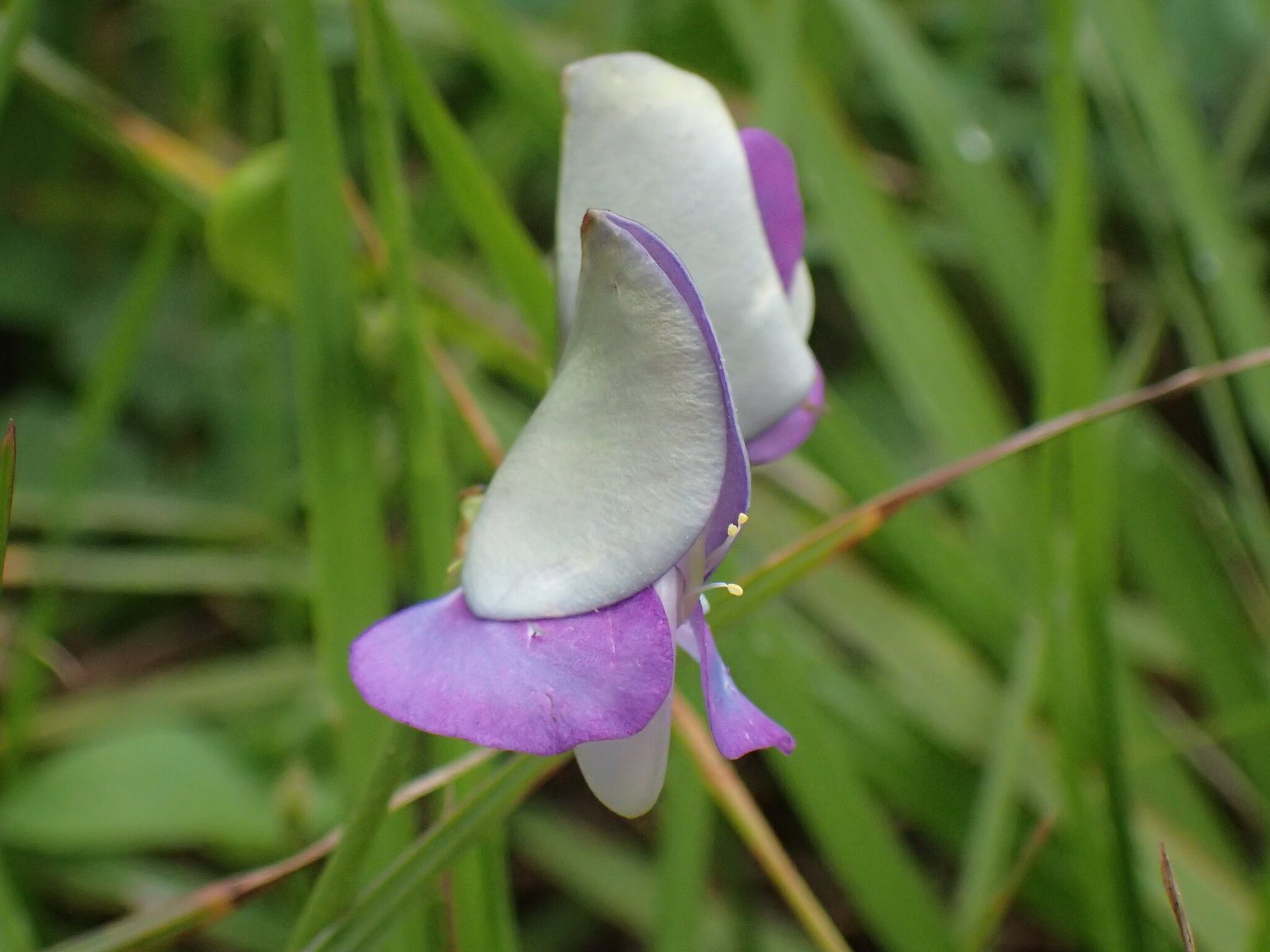
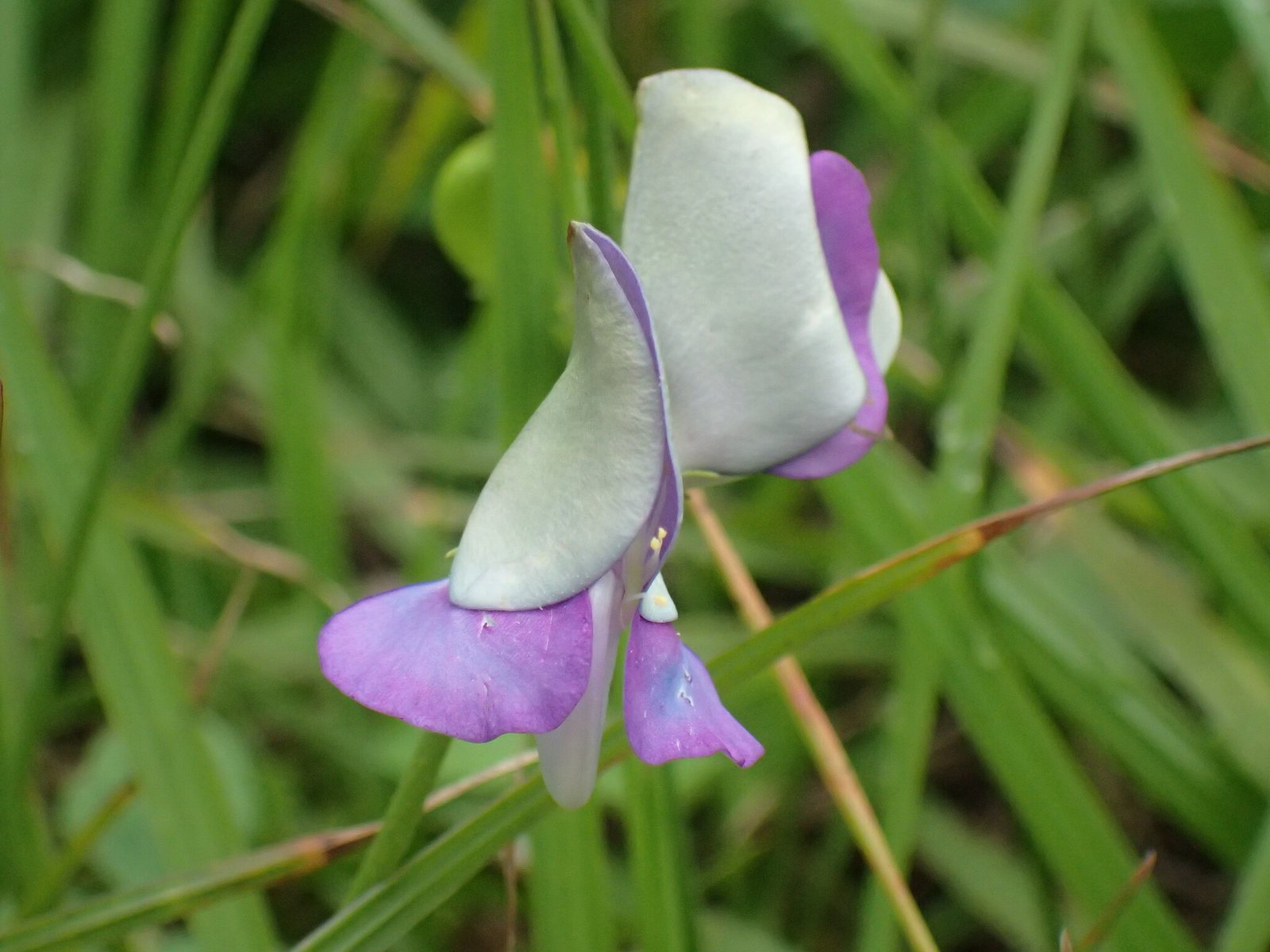
- Summer into early autumn; small, pea-like flowers, usually white, cream or pale purple.
- Foliage
- Green leaves divided into three broad, pointed leaflets on bushy or trailing stems.
- Growth
- Fast in warm weather; slow in cool soil.
- Care needed
- Low
The year at a glance
- Pollinators
- Drought tolerant
- Heat tolerant
- Low allergen
- Edible
| J | F | M | A | M | J | J | A | S | O | N | D | |
|---|---|---|---|---|---|---|---|---|---|---|---|---|
| Flowers | ||||||||||||
| Fruit | ||||||||||||
| Plant |
Northern hemisphere months. In Australia, shift them by six.
- Difficulty
- Moderate
- Toughness
- Fairly tough
Will it suit your garden?
Pick your zone, country, light and whether you have pets.
Full sun is 6 or more hours of direct sun a day, part shade 3 to 6 hours, shade under 3.
How it grows
Planting day
0.5 ft (0.15 m)
After 1 year
2 ft (0.6 m)
full size
Full size in one season.
From a typical nursery size, at an average rate for this kind of plant. A rule of thumb, not a forecast.
Good to know
- Cats and dogs
- Safe
- Growth rate
- Moderate
Care
Jobs through the year
- WaterMay–Jun, every 7 days
- Water established plants if soil dries; keep newly sown beds and seedlings consistently moist.
- WaterJul–Sep, every 7 days
- Water deeply during flowering and pod filling when rain is insufficient; increase during hot, dry spells.
- MulchJun
- Mulch once soil is warm to conserve moisture and suppress weeds.
- ProtectMay–Jun
- Use fleece during unexpected cold spells; sow only after frost when soil reaches at least 18°C.
- HarvestAug–Oct
- Pick tender pods or plump shelling peas; collect dry pods before splitting, frost or persistent rain, and cook beans.
- Direct-sow after frost danger has passed and soil has warmed to at least 65°F (18°C), preferably warmer.
- Keep soil evenly moist while seedlings establish and during flowering and pod filling.
- Mulch once the soil is warm to suppress weeds and reduce moisture loss.
- Avoid high-nitrogen fertilisers, which encourage leaves at the expense of pods.
- Give trailing or climbing varieties a trellis before their stems begin to tangle.
Pruning. Routine pruning is unnecessary. Remove diseased growth promptly, and guide climbing stems onto supports rather than cutting them back.
Harvest
Pick young pods while tender if using them as a green vegetable, or shell plump seeds once pods are well filled but still flexible. For dry beans, leave pods until brown and brittle, then pick before they split or become soaked by rain; early varieties may begin cropping around 60-90 days from sowing, with dry seed taking longer. Dry shelled beans thoroughly before storage and cook them before eating.
Through the year
- Early spring
- Choose an early-maturing variety if your summers are short, and select a sunny, sheltered bed.
- Late spring
- Sow into warm soil after the last frost; in cool districts, start seeds in individual modules indoors without letting them become root-bound.
- Early summer
- Thin seedlings to the spacing on the seed packet, install supports where needed, and mulch warm soil.
- Summer
- Water during flowering and pod filling, and inspect shoot tips and leaf undersides for pests.
- Late summer
- Pick tender pods or fresh shelling peas regularly; leave selected healthy pods to mature for dry beans.
- Autumn
- Gather mature pods before persistent wet weather or frost, then remove crop debris and compost healthy material.
In the garden
- Plant bush forms in sunny raised vegetable beds for a compact summer crop.
- Train climbing forms up a trellis along the warm edge of a kitchen garden.
- Combine with peppers and aubergines in a hot-season edible border, allowing enough space for airflow.
- Use as a summer cover crop in empty vegetable beds, cutting it before seed develops.
Garden styles it suits: Potager (kitchen garden), Edible landscape, Homestead, Farmhouse, Southern and Cottage garden.
Plant it with: Peppers, Aubergines, Sweetcorn, Basil and French marigolds.
Wildlife: Flowers attract bees, although plants can self-pollinate. Leaves support various insects, while birds and rodents may take developing or drying seeds.
Problems to watch for
- Aphids cluster on soft shoots and may transmit viruses: wash off small colonies and remove badly distorted or virus-suspect plants.
- Spider mites cause pale stippling and fine webbing in hot, dry weather: prevent severe drought and rinse leaf undersides regularly.
- Root rot causes wilting in wet soil: improve drainage, avoid overwatering and remove affected plants.
- Poor pod set follows cool weather, extreme heat or excess nitrogen: grow in the warmest suitable position, keep watering steady and avoid nitrogen-rich feeds.
Safety
Not known to be poisonous to cats, dogs or horses, and commonly grown as food or forage. Raw or undercooked mature seeds contain lectins and other antinutritional compounds that can cause digestive upset in people; cook thoroughly rather than eating dry seeds raw.
Easily confused with
Common bean (Phaseolus vulgaris)
Both have three-part leaves and similar pods. Cowpea often carries paired pods above the foliage on conspicuous stalks;
Garden pea (Pisum sativum)
Garden peas have tendrils and rounded leaflets, rather than cowpea's three broad leaflets, and grow best in cool weather.
The name
The name black-eyed pea refers to the dark ring around the seed's attachment scar, which resembles an eye.
Propagation. Grow from seed, usually sown about 1-1.5 in (2.5-4 cm) deep in warm soil. Save fully mature, dry seed from healthy plants; named varieties may occasionally cross if grown close together.
Checked against open data
- Accepted botanical name
- Vigna unguiculata
- In the US and Canada
- Introduced in the lower 48 states, Pacific Basin, Puerto Rico and US Virgin Islands.
- Native range
- Angola, Benin, Botswana, Burundi, Cameroon, Cape Provinces, Cape Verde, Caprivi Strip, Central African Repu, Chad, Congo and Eritrea.
- Measured
- Soil pH 6 to 8.
Sources: GBIF (CC BY 4.0), USDA PLANTS and Trefle (CC BY 4.0). The care and design notes are LandscapeGPT's own.
See it in your own yard.
Upload a photo of your yard and see it redesigned with plants that suit your climate, each checked against your zone.