Blood orange 'Moro'
Citrus × sinensis 'Moro'. Family Rutaceae. Tree.
Also called Moro blood orange, Moro orange.
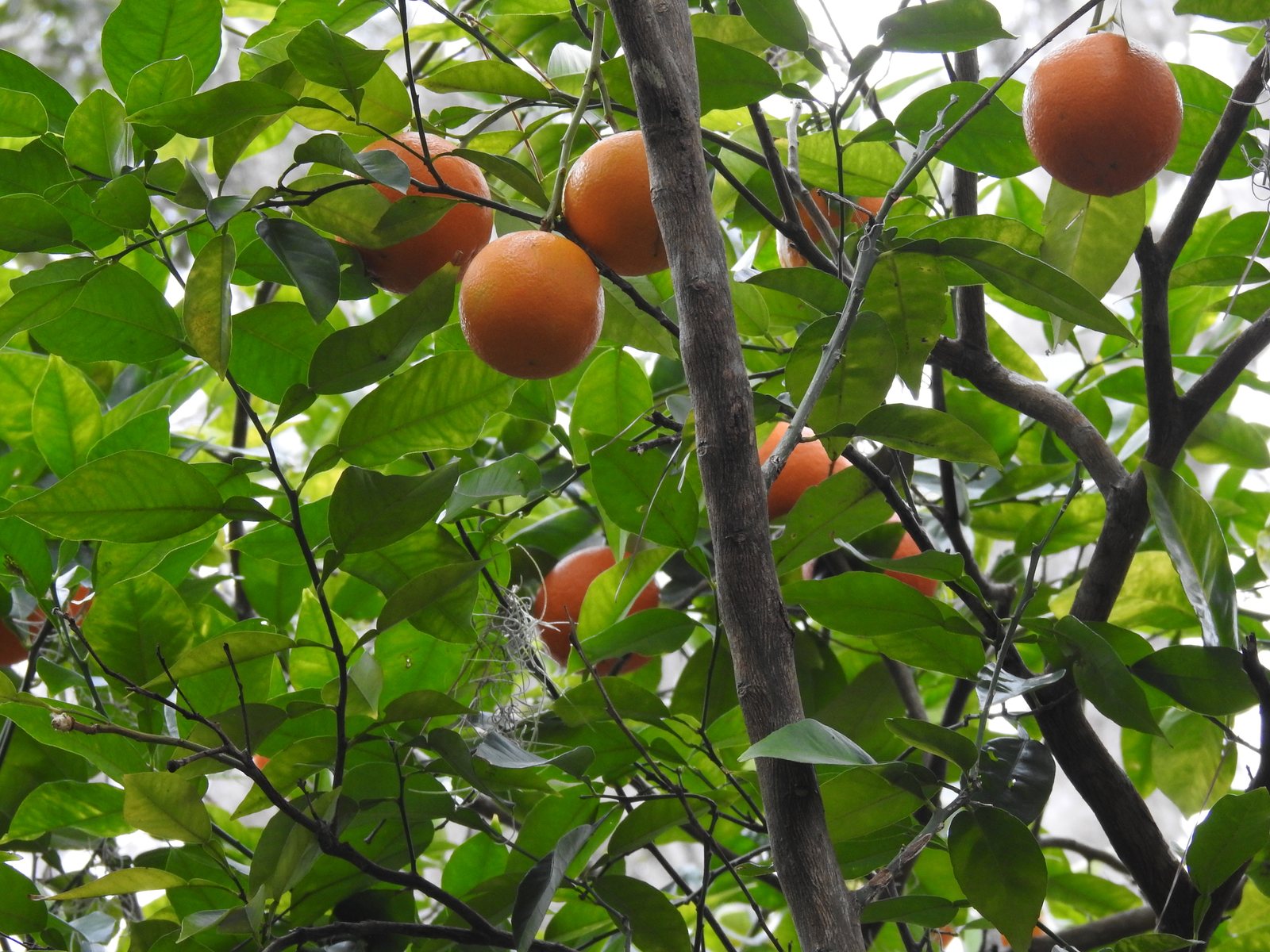
'Moro' is an evergreen sweet orange grown for fragrant white flowers and juicy fruit with deep red flesh and a tart, berry-like flavour. Cool nights during ripening encourage its strongest colour. It needs a warm, sheltered garden; in most of the UK and Canada, grow it in a container with bright, frost-free winter protection.
At a glance
- Sun
- Full sun, ideally at least 6-8 hours daily, with shelter from cold and drying winds.
- Water
- Water deeply when the upper soil begins to dry; keep developing fruit supplied with moisture without leaving roots waterlogged.
- Soil
- Well-drained, slightly acidic to neutral soil; use a free-draining citrus potting mix in containers.
- Height
- 12-25 ft (3.7-7.6 m), depending on rootstock; smaller in containers
- Spread
- 10-20 ft (3-6.1 m), depending on rootstock and pruning
- Flowers
- Mainly spring; fragrant white flowers, sometimes followed by scattered blooms later.
- Foliage
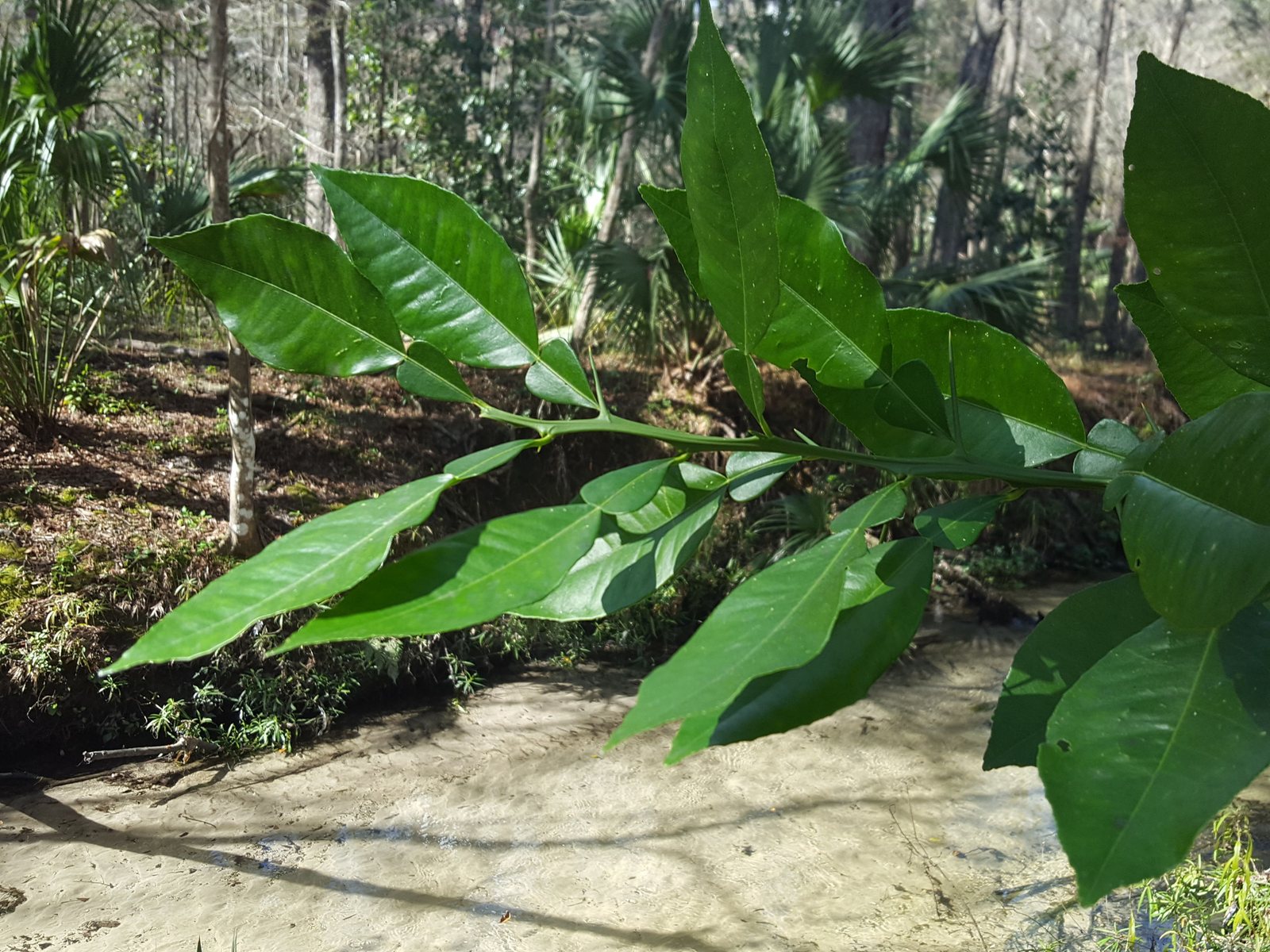
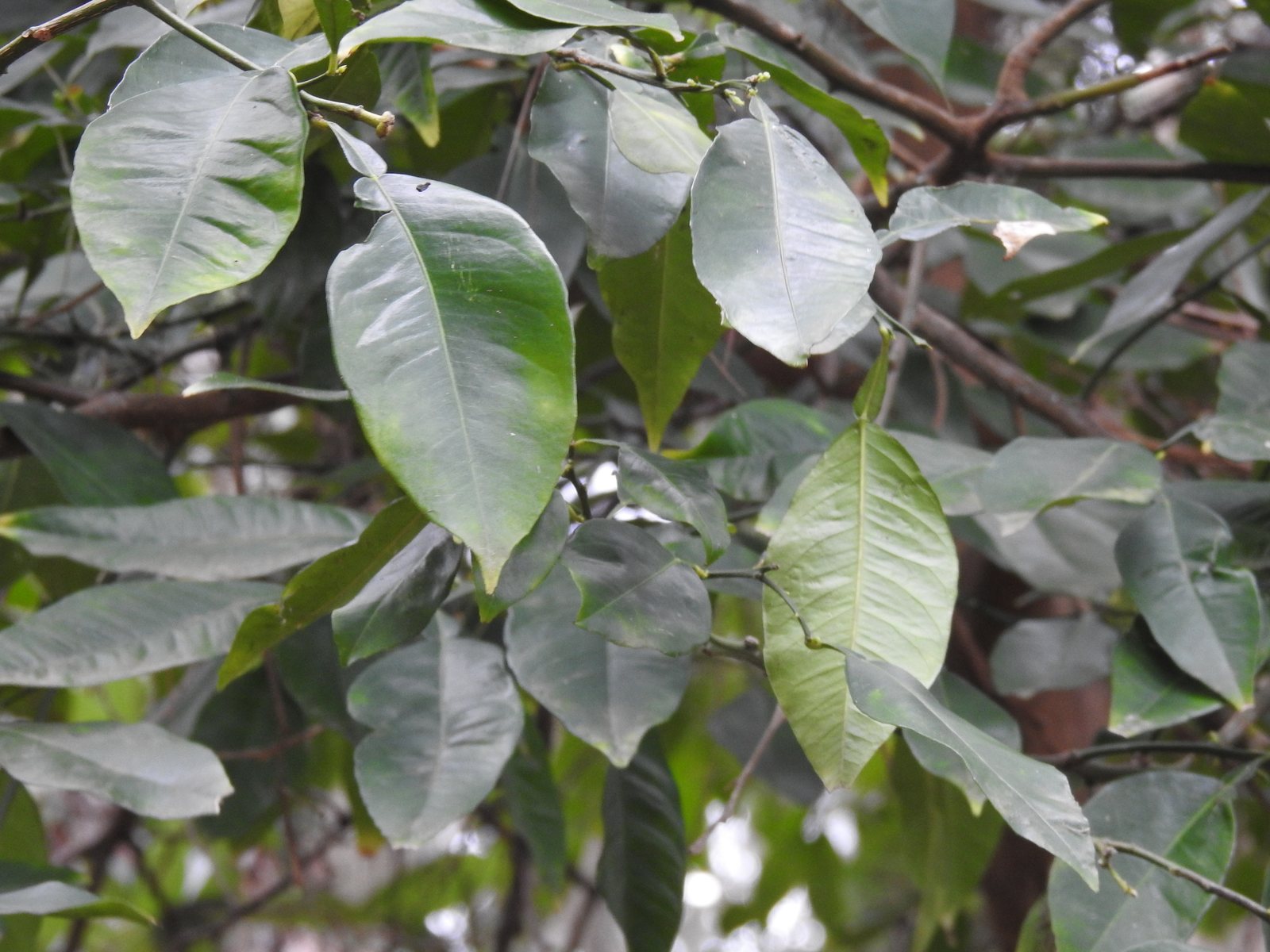
- Evergreen. Glossy, dark green, oval leaves with an aromatic scent when crushed.
- Growth
- Moderate in warm conditions; slow in cool climates.
- Care needed
- Medium
The year at a glance
- Pollinators
- Heat tolerant
- Low allergen
- Fragrant
- Edible
| J | F | M | A | M | J | J | A | S | O | N | D | |
|---|---|---|---|---|---|---|---|---|---|---|---|---|
| Flowers | ||||||||||||
| Fruit | ||||||||||||
| Plant |
Northern hemisphere months. In Australia, shift them by six.
- Difficulty
- Hard
- Toughness
- Needs looking after
Will it suit your garden?
Pick your zone, country, light and whether you have pets.
Full sun is 6 or more hours of direct sun a day, part shade 3 to 6 hours, shade under 3.
How it grows
Planting day
7 ft (2 m)
After 1 year
7 ft (2.1 m)
After 2 years
7 ft (2.3 m)
After 3 years
8 ft (2.4 m)
After 5 years
9 ft (2.7 m)
About 26 years to full size.
From a typical nursery size, at an average rate for this kind of plant. A rule of thumb, not a forecast.
Good to know
- Cats and dogs
- Toxic
- Growth rate
- Slow
Care
Jobs through the year
- WaterApr–May, Sep–Oct, every 7 days
- Grow in a container in this climate; water deeply only when the upper compost begins to dry.
- WaterJun–Aug, every 3 days
- Check container moisture frequently; water when the surface begins to dry and drain fully.
- WaterJan–Mar, Nov–Dec, every 14 days
- Under frost-free cover, water sparingly when needed without letting the root ball dry out.
- FeedApr–Aug, every 30 days
- Apply citrus fertilizer at the label rate and frequency while actively growing.
- PruneApr–May
- After harvest, remove dead or crossing wood; remove shoots below the graft promptly.
- MulchMay
- Apply a light organic mulch, keeping the trunk and graft union clear.
- ProtectSep–Nov
- Move into bright, frost-free shelter before frost; outdoor overwintering is unsuitable here.
- ProtectMay–Jun
- After frost risk passes, gradually acclimatise the tree to outdoor sun.
- HarvestJan–Mar, Dec, every 7 days
- Taste-test fruit for sweetness, then clip ripe oranges off; colour alone is unreliable.
- Plant with the graft union above soil level in a sunny position sheltered from wind.
- Water deeply, then let the upper soil begin to dry; empty container saucers after watering.
- Feed with citrus fertiliser during spring and summer, following the label; avoid feeding a cold, inactive tree.
- Apply organic mulch over the root area, keeping it clear of the trunk.
- Move container trees into a bright, frost-free space before frost; reduce watering in winter without letting the root ball dry out.
Pruning. Prune lightly in spring after the main harvest and once frost risk has passed, removing dead, damaged or crossing branches. Remove shoots below the graft promptly, and avoid hard pruning, which reduces fruiting and can expose bark to sunburn.
Harvest
Pick fruit in winter to early spring, depending on climate, when a sample tastes sweet enough; skin colour and red flesh alone do not reliably indicate ripeness. Clip fruit off with secateurs, since oranges do not become sweeter after picking. A grafted tree commonly gives its first worthwhile crop about 3-5 years after planting, although rootstock, tree size and growing conditions affect this.
Through the year
- Spring
- After frost risk passes, plant or repot, begin feeding and gradually acclimatise overwintered trees to outdoor sun.
- Spring
- After the main harvest, remove dead or crossing wood and any shoots below the graft.
- Summer
- Water consistently during fruit growth and continue feeding according to the fertiliser label.
- Summer
- Check leaf undersides and young shoots for scale, mites and aphids.
- Autumn
- Prepare frost protection and bring container trees under cover before freezing weather.
- Winter
- Taste-test ripening fruit and harvest selectively; water protected trees sparingly but do not let their roots dry out.
In the garden
- Use as a productive evergreen focal point in a sheltered courtyard.
- Grow in a large container beside a sunny terrace, with access to winter shelter.
- Plant in a small citrus orchard with room for light and airflow around each canopy.
- Combine with Mediterranean herbs nearby, keeping their drier planting pockets separate from the irrigated citrus root zone.
Garden styles it suits: Mediterranean, Modern Mediterranean, Modern courtyard, Potager (kitchen garden), Backyard orchard and Edible landscape.
Plant it with: Lavender, Rosemary, Thyme, Oregano, Sweet alyssum and Calendula.
Wildlife: Flowers provide nectar and pollen for bees. A single tree can set fruit without another orange variety, although insects commonly visit the flowers.
Problems to watch for
- Scale insects and sooty mould: inspect stems and leaf undersides, control ants and treat scale with a locally approved horticultural oil, following temperature restrictions on the label.
- Spider mites: look for fine webbing and stippled leaves, especially under cover; rinse foliage and use a labelled mite treatment if needed.
- Root rot: prevent standing water, improve drainage and keep soil and mulch away from the trunk.
- Poor fruit colour or flavour: provide full sun and enough warmth for ripening; red pigmentation needs cool nights, but protect the tree from frost.
Safety
The flesh is edible for people, but seeds should not be eaten. Peel, leaves, stems and their essential oils contain compounds toxic to cats, dogs and horses; chewing them can cause digestive upset, and contact may irritate skin. Concentrated citrus oils pose a greater risk than a small accidental exposure.
Easily confused with
Tarocco blood orange (Citrus × sinensis 'Tarocco')
Often has less deeply pigmented flesh and a sweeter flavour, but colour varies with climate and is not a reliable identification by itself; check the nursery label.
Sanguinelli blood orange (Citrus × sinensis 'Sanguinelli')
Usually ripens later than 'Moro' and often has conspicuous red blush on the rind; appearance overlaps, so provenance matters.
Cara Cara navel orange (Citrus × sinensis 'Cara Cara')
Has pink rather than deep blood-red flesh and usually a visible navel at the blossom end; its pink pigment is different from that of blood oranges.
The name
The common name blood orange refers to the red anthocyanin pigments that colour the flesh and sometimes the rind.
Propagation. Propagate by budding or grafting onto a suitable citrus rootstock; buy certified healthy plants where available. Seedlings are slow to fruit and are not a reliable way to preserve 'Moro'; citrus plant movement is restricted in some regions to prevent disease spread.
Checked against open data
- Accepted botanical name
- Citrus aurantium Citrus × sinensis 'Moro' is an older name for Citrus aurantium.
Sources: GBIF (CC BY 4.0). The care and design notes are LandscapeGPT's own.
See it in your own yard.
Upload a photo of your yard and see it redesigned with plants that suit your climate, each checked against your zone.