Bloodleaf
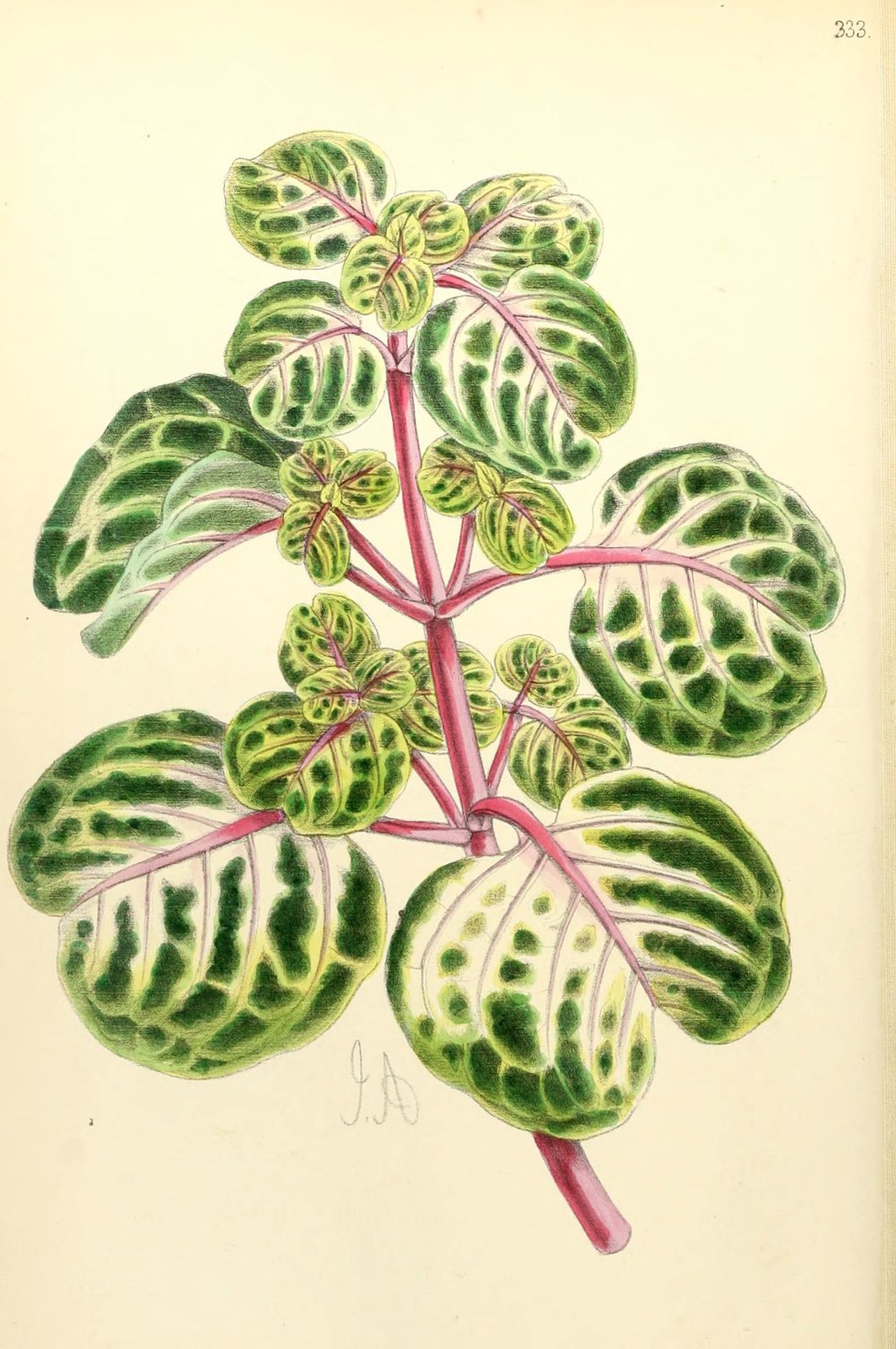
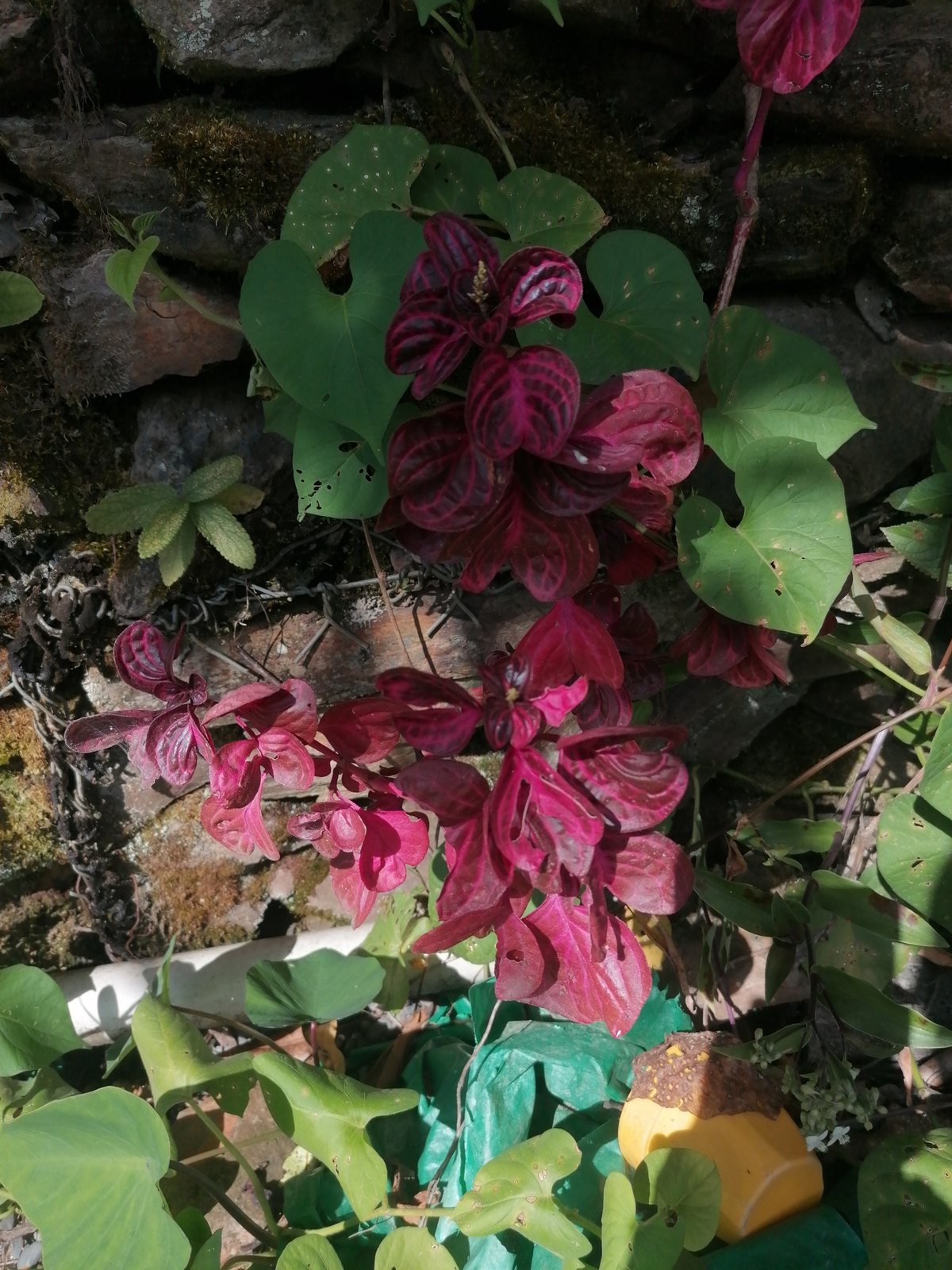
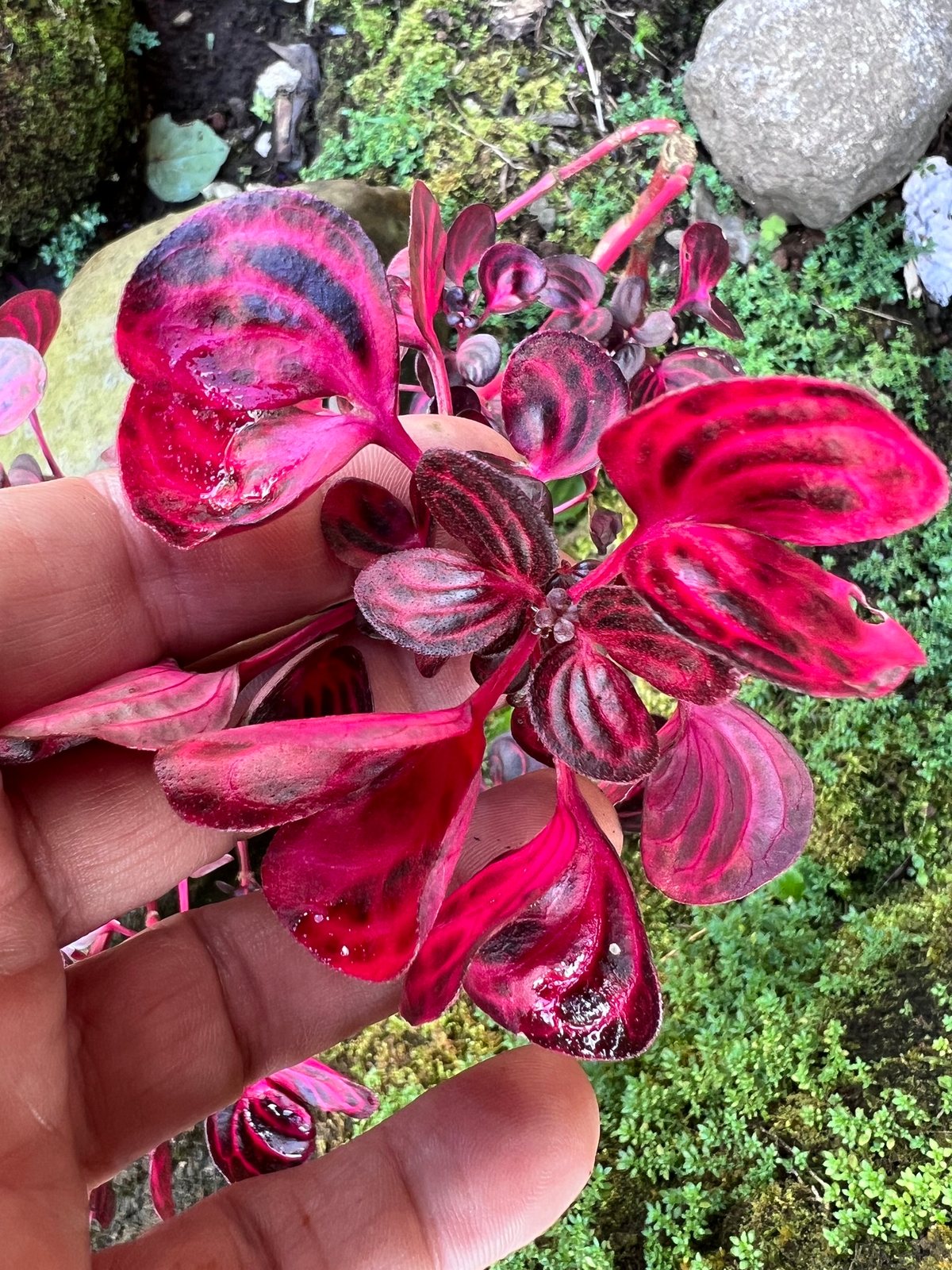
Iresine herbstii. Family Amaranthaceae. Perennial.
Also called Herbst's bloodleaf, Beefsteak plant, Chicken gizzard plant.
Bloodleaf is a tender, bushy perennial grown for its richly coloured leaves and contrasting veins rather than its flowers. It stays evergreen in frost-free conditions but is grown as an annual in colder gardens, or kept in a pot and overwintered indoors.
At a glance
- Sun
- Full sun to partial shade; give afternoon shade in hot, dry climates. Bright light generally produces stronger leaf colour.
- Water
- Keep evenly moist but not waterlogged. Containers may need daily watering in hot weather.
- Soil
- Fertile, moisture-retentive soil with good drainage; use a well-drained potting mix in containers.
- Height
- 1-3 ft (0.3-0.9 m)
- Spread
- 1-3 ft (0.3-0.9 m)
- Foliage
- Evergreen. Opposite, oval to heart-shaped leaves, often notched at the tip, with red or burgundy colouring and vivid pink veins. Some forms have green leaves with yellow veins and red stems.
- Growth
- Fast in warm weather
- Care needed
- Medium
The year at a glance
- Heat tolerant
- Low allergen
| J | F | M | A | M | J | J | A | S | O | N | D | |
|---|---|---|---|---|---|---|---|---|---|---|---|---|
| Plant |
Northern hemisphere months. In Australia, shift them by six.
- Difficulty
- Moderate
- Toughness
- Needs looking after
Will it suit your garden?
Pick your zone, country, light and whether you have pets.
Full sun is 6 or more hours of direct sun a day, part shade 3 to 6 hours, shade under 3.
How it grows
Planting day
1 ft (0.3 m)
After 1 year
1.5 ft (0.45 m)
After 2 years
2 ft (0.6 m)
full size
About 2 years to full size.
From a typical nursery size, at an average rate for this kind of plant. A rule of thumb, not a forecast.
Good to know
- Cats and dogs
- Safe
- Growth rate
- Fast
Care
Jobs through the year
- WaterMay, Sep, every 7 days
- Keep established ground plants moist; water sooner if the surface dries, especially while young.
- WaterJun–Aug, every 3 days
- Water established ground plants as surface soil dries; containers may need daily watering.
- WaterJan–Apr, Oct–Dec, every 10 days
- For indoor plants, water as the surface dries without letting the root ball dry completely.
- FeedApr–Aug, every 21 days
- Feed actively growing container plants with balanced liquid fertiliser at the label rate.
- MulchJun
- Apply a light mulch to garden plants, keeping it away from stems.
- PruneMar–Apr
- Shorten leggy overwintered stems above a leaf joint.
- PruneMay–Aug, every 21 days
- Pinch growing tips to maintain bushiness and remove unwanted flower spikes.
- ProtectMay–Jun
- Acclimatise gradually and plant out only after frost risk has passed and nights are warm.
- ProtectJan–Apr, Sep–Dec
- Bring pots indoors before nights drop below 10°C; keep bright and away from cold draughts.
- Plant outdoors after frost risk has passed and nights are consistently warm.
- Water when the soil surface starts to dry; do not let the root ball dry out completely.
- Feed container plants every two to four weeks during active growth with a balanced liquid fertiliser at the label rate.
- Mulch garden plants lightly to reduce moisture loss, keeping mulch away from the stems.
- Bring pots indoors before nights fall below 10°C, and place them in bright light away from cold draughts.
Pruning. Pinch out growing tips regularly from spring through summer to keep plants dense and bushy. Shorten leggy stems just above a leaf joint and remove any flower spikes if foliage is the priority.
Through the year
- Early spring
- Trim overwintered plants and take soft stem cuttings to produce fresh, compact plants.
- Late spring
- Acclimatise plants gradually to outdoor light and plant out once frost risk has passed and nights are warm.
- Summer
- Check container moisture frequently and feed plants that are actively growing.
- Summer
- Pinch shoot tips to maintain a bushy shape and remove unwanted flower spikes.
- Early autumn
- Take backup cuttings and move tender plants under cover before cool nights arrive.
- Winter
- Keep indoor plants warm and bright; reduce watering as growth slows, without letting the roots dry completely.
In the garden
- Use as a red-leaved edging plant along summer borders, clipping lightly for a consistent outline.
- Combine with lime-green coleus and dark-leaved sweet potato vine in containers for strong foliage contrast.
- Plant beneath cannas and elephant ears to provide a lower layer of colour in tropical-style beds.
- Use repeated blocks in seasonal bedding or carpet-bedding patterns where foliage supplies dependable colour.
Garden styles it suits: Tropical, Modern tropical, Victorian, Hot border, Modern courtyard and Small-space.
Plant it with: Coleus, Cannas, Elephant ears, Wax begonias, Impatiens and Sweet potato vine.
Wildlife: Primarily a foliage plant, with limited value for pollinators in regularly pinched seasonal displays. It is not a substitute for locally native flowering plants that support insects.
Problems to watch for
- Aphids on soft shoot tips: wash off small colonies with water; use insecticidal soap labelled for the plant if they persist.
- Spider mites, especially indoors in warm, dry air: look for fine webbing and stippled leaves, rinse leaf undersides and treat with an appropriate insecticidal soap.
- Root rot in saturated soil: improve drainage, empty standing water from saucers and avoid watering soil that is still wet.
- Wilting or scorched leaves in hot sun: water promptly if the soil is dry and provide afternoon shade; do not assume wilting in wet soil needs more water.
Safety
Not known to be toxic to cats, dogs, horses or people. No particular part is recognised as poisonous, but it is not a food plant, and eating plant material may still cause mild stomach upset.
Easily confused with
Coleus (Coleus scutellarioides)
Coleus usually has noticeably toothed or scalloped leaf edges and square stems; bloodleaf generally has smooth leaf edges and conspicuous contrasting veins.
Purple alternanthera (Alternanthera dentata)
Purple alternanthera usually has narrower, more pointed leaves with less conspicuous vein contrast; bloodleaf often has broader, heart-shaped leaves with a notched tip.
The name
The common name bloodleaf refers to the blood-red colouring of its leaves and veins.
Propagation. Take non-flowering stem cuttings in spring or summer, remove the lower leaves and root them in moist propagation mix in warm, bright, indirect light. Cuttings also root readily in water; pot them into compost once roots have formed.
Checked against open data
- Accepted botanical name
- Iresine herbstii
- In the US and Canada
- Introduced in Hawaii, Puerto Rico and US Virgin Islands.
Sources: GBIF (CC BY 4.0) and USDA PLANTS. The care and design notes are LandscapeGPT's own.
See it in your own yard.
Upload a photo of your yard and see it redesigned with plants that suit your climate, each checked against your zone.