Blue Atlas cedar
Cedrus atlantica 'Glauca'. Family Pinaceae. Tree.
Also called Atlas blue cedar, Cedrus atlantica Glauca Group.
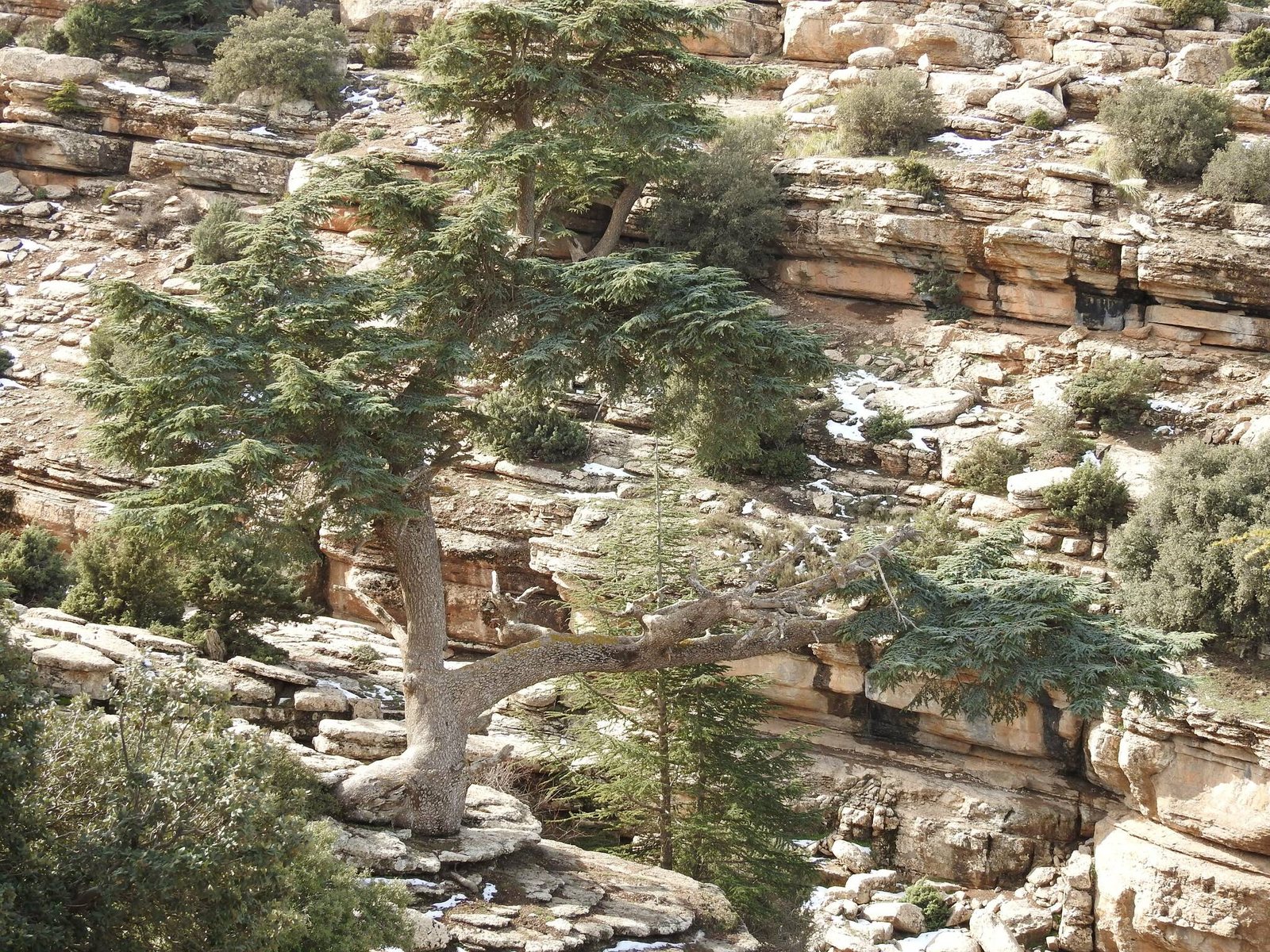
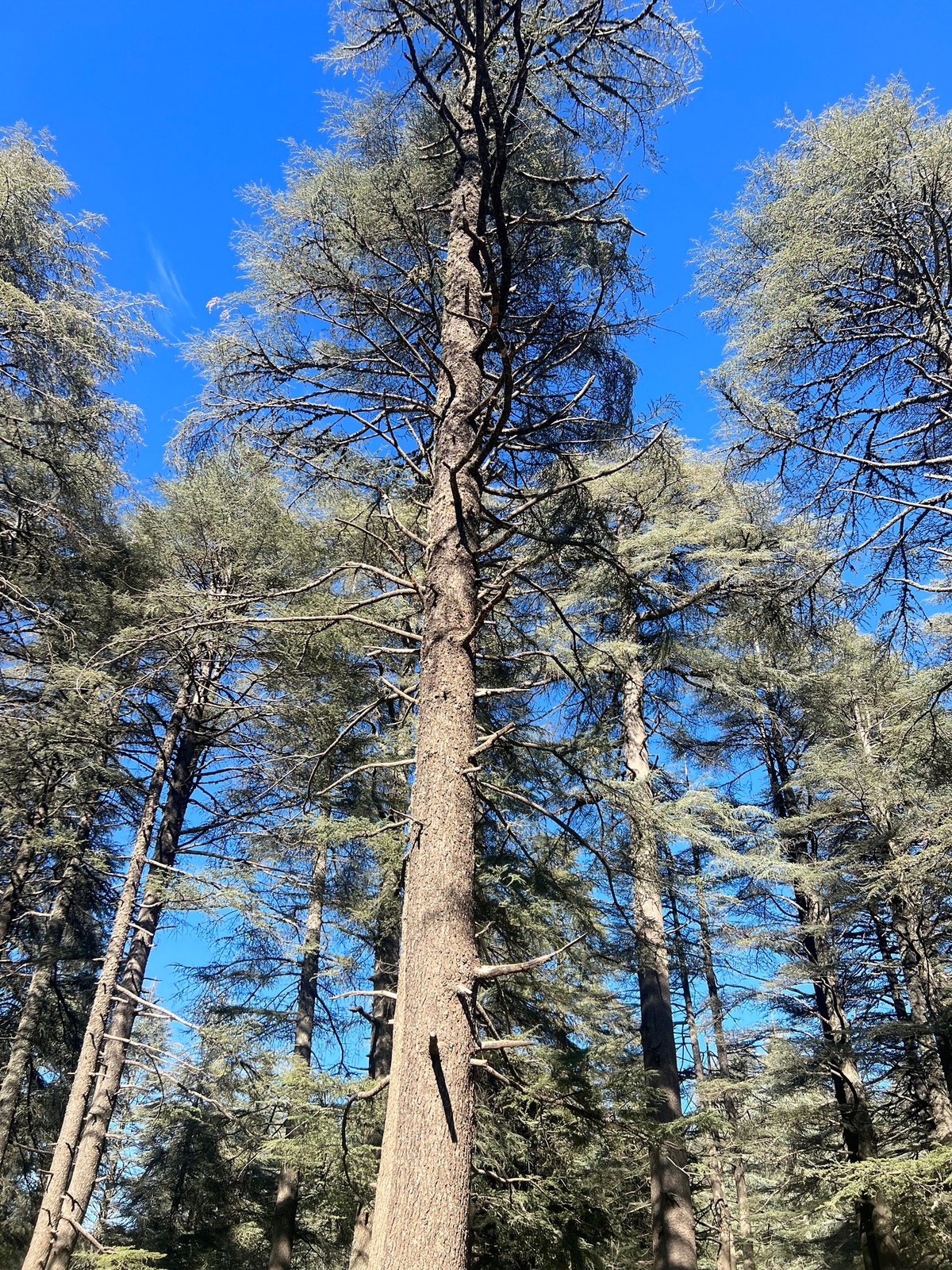
Blue Atlas cedar is a large evergreen conifer grown for its silvery-blue needles, tiered branches and striking outline. Upright and broadly pyramidal when young, it becomes wide and irregular with age, so give it room well away from buildings and overhead wires.
At a glance
- Sun
- Full sun; the strongest blue colour develops in an open, sunny position.
- Water
- Water deeply during establishment, letting the soil begin to dry between waterings. Established trees tolerate drought, but benefit from occasional deep watering during prolonged dry weather.
- Soil
- Well-drained soil, including loam, sandy soil and clay that drains freely; tolerates acidic to alkaline conditions. Avoid waterlogged ground.
- Height
- 40-60 ft (12-18 m), sometimes taller with great age
- Spread
- 30-40 ft (9-12 m), sometimes wider with age
- Foliage
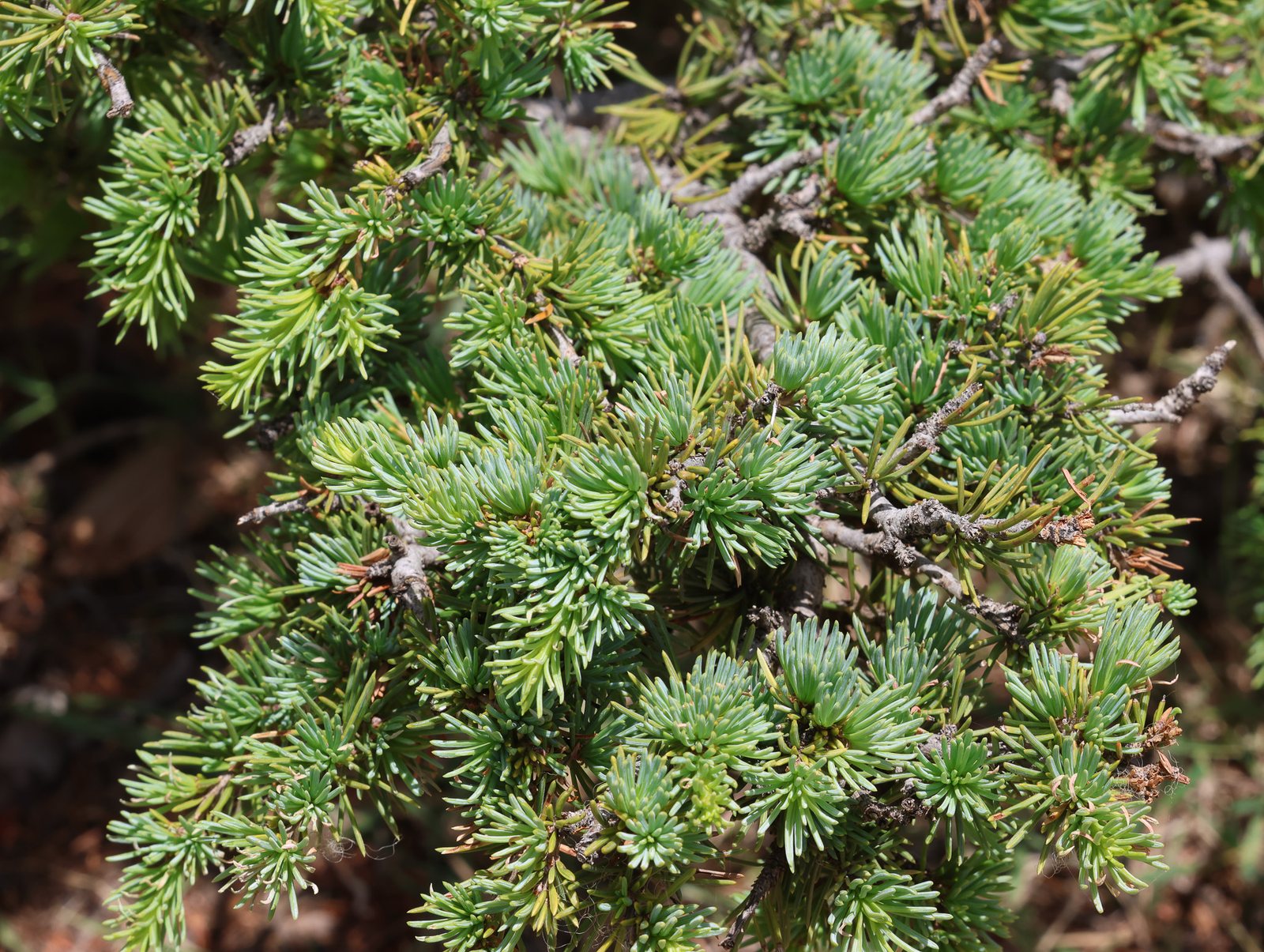
- Evergreen. Short, stiff, silvery-blue to blue-grey needles arranged in dense clusters along woody shoots; colour varies between plants.
- Growth
- Moderate, often 12-24 in (30-60 cm) a year when young and well established.
- Care needed
- Low
The year at a glance
- Deer resistant
- Drought tolerant
- Heat tolerant
- Wildlife
| J | F | M | A | M | J | J | A | S | O | N | D | |
|---|---|---|---|---|---|---|---|---|---|---|---|---|
| Fruit | ||||||||||||
| Plant |
Northern hemisphere months. In Australia, shift them by six.
- Difficulty
- Easy
- Toughness
- Very tough
Will it suit your garden?
Pick your zone, country, light and whether you have pets.
Full sun is 6 or more hours of direct sun a day, part shade 3 to 6 hours, shade under 3.
How it grows
Planting day
7 ft (2 m)
After 1 year
9 ft (2.7 m)
After 2 years
11 ft (3.3 m)
After 3 years
13 ft (4 m)
After 5 years
17 ft (5.3 m)
About 20 years to full size.
From a typical nursery size, at an average rate for this kind of plant. A rule of thumb, not a forecast.
Good to know
- Cats and dogs
- Mildly toxic: may upset a stomach
- Growth rate
- Moderate
Care
Jobs through the year
- WaterApr–May, Sep–Oct, every 21 days
- Water established trees only during prolonged dry spells; young trees need more frequent watering.
- WaterJun–Aug, every 14 days
- During prolonged drought, water deeply and allow the surface soil to dry before watering again.
- MulchMar–Apr
- Maintain 5–8 cm of organic mulch over the root zone, clear of the trunk.
- PruneFeb–Mar
- Prune sparingly to remove damaged or crossing branches; retain one leader and avoid bare old wood.
- ProtectJan–Feb, Nov–Dec
- Shelter young trees from drying winds, check ties after storms and keep salty snow away.
- Plant with the root flare at ground level, allowing space for the mature crown.
- Water the root zone deeply during dry spells for the first two or three growing seasons.
- Spread 2-3 in (5-8 cm) of organic mulch over the root zone, keeping it clear of the trunk.
- Do not feed routinely; use a soil test if growth or needle colour suggests a deficiency.
- Stake only if the root ball moves in the wind, and remove supports once the tree is anchored, usually within a year.
Pruning. Prune sparingly in late winter or early spring, removing dead, damaged or crossing branches and retaining a single main leader while young. Do not top the tree or cut back into bare old wood, which usually will not produce new shoots.
Through the year
- Late winter
- Check the young tree's leader and remove damaged or competing branches while cuts are small.
- Spring
- Plant in colder regions once the soil is workable; water thoroughly and mulch.
- Late spring
- Inspect new shoots for aphids, especially if needles are sticky or blackened with sooty mould.
- Summer
- Check soil moisture around young trees and water deeply during dry spells rather than sprinkling frequently.
- Autumn
- Plant in mild regions while the soil is warm, and renew mulch without covering the trunk.
- Winter
- Check stakes and ties after storms, and avoid piling salty road or driveway snow over the roots.
In the garden
- Use as a specimen in a large lawn where the spreading lower branches can remain intact.
- Set against dark evergreen planting to make the blue-grey needles stand out.
- Combine with ornamental grasses and sun-loving perennials at the sunny edge of its mature canopy.
- Use as a long-term architectural anchor in a spacious gravel or Mediterranean-style garden.
Garden styles it suits: Architectural minimal, Grand estate, Mediterranean, Dry gravel garden, Winter interest and Traditional.
Plant it with: English lavender, Russian sage, Catmint, Blue fescue, Yarrow and Rockrose.
Wildlife: Branches provide shelter and nesting sites for birds. Mature trees produce upright cones with seeds that may be eaten by birds and small mammals.
Problems to watch for
- Root rot in wet soil: prevent by choosing a freely draining site and avoiding frequent irrigation; seek an arborist's assessment if the crown thins or the tree becomes unstable.
- Cedar aphids: look for sticky honeydew and aphid colonies on shoots; wash accessible colonies off with water and preserve ladybirds and other predators.
- Shoot blight or canker: prune affected shoots back to healthy wood in dry weather; have persistent or widespread dieback diagnosed before treating.
- Winter burn and cold injury: shelter young trees from drying winds, water before the ground freezes if autumn is dry, and avoid exposed sites at the cold edge of its range.
Safety
Not known to be toxic to cats, dogs, horses or people. The needles, bark and cones are not food; chewing them may cause mouth irritation or digestive upset, and stiff needles can cause physical injury.
Easily confused with
Blue deodar cedar (Cedrus deodara 'Glauca')
Usually has longer, softer-looking needles and conspicuously drooping branch tips and leading shoot; Blue Atlas cedar has shorter, stiffer needles and a more upright young outline.
Cedar of Lebanon (Cedrus libani)
Usually has greener needles and develops broad, flattened tiers with age. It is closely related, and blue forms can be difficult to distinguish without reliable provenance.
Colorado blue spruce (Picea pungens)
Its sharp needles attach singly around the twigs rather than in cedar-like clusters, and its cones hang down instead of standing upright.
The name
Atlas and atlantica refer to the Atlas Mountains of northwestern Africa, while glauca means blue-grey or covered with a pale waxy bloom.
Propagation. Usually grafted onto cedar rootstock to preserve the selected blue foliage and growth habit; this is specialist work. Seed-raised plants vary in colour and are not reliably true to 'Glauca'.
Checked against open data
- Accepted botanical name
- Cedrus atlantica
- Native range
- Algeria and Morocco.
- Measured
- Soil pH 7 to 7.5. Average height 4000 cm.
Sources: GBIF (CC BY 4.0) and Trefle (CC BY 4.0). The care and design notes are LandscapeGPT's own.
See it in your own yard.
Upload a photo of your yard and see it redesigned with plants that suit your climate, each checked against your zone.