Blue Carpet juniper
Juniperus squamata 'Blue Carpet'. Family Cupressaceae. Shrub.
Also called Blue Carpet flaky juniper, Blue Carpet Himalayan juniper.
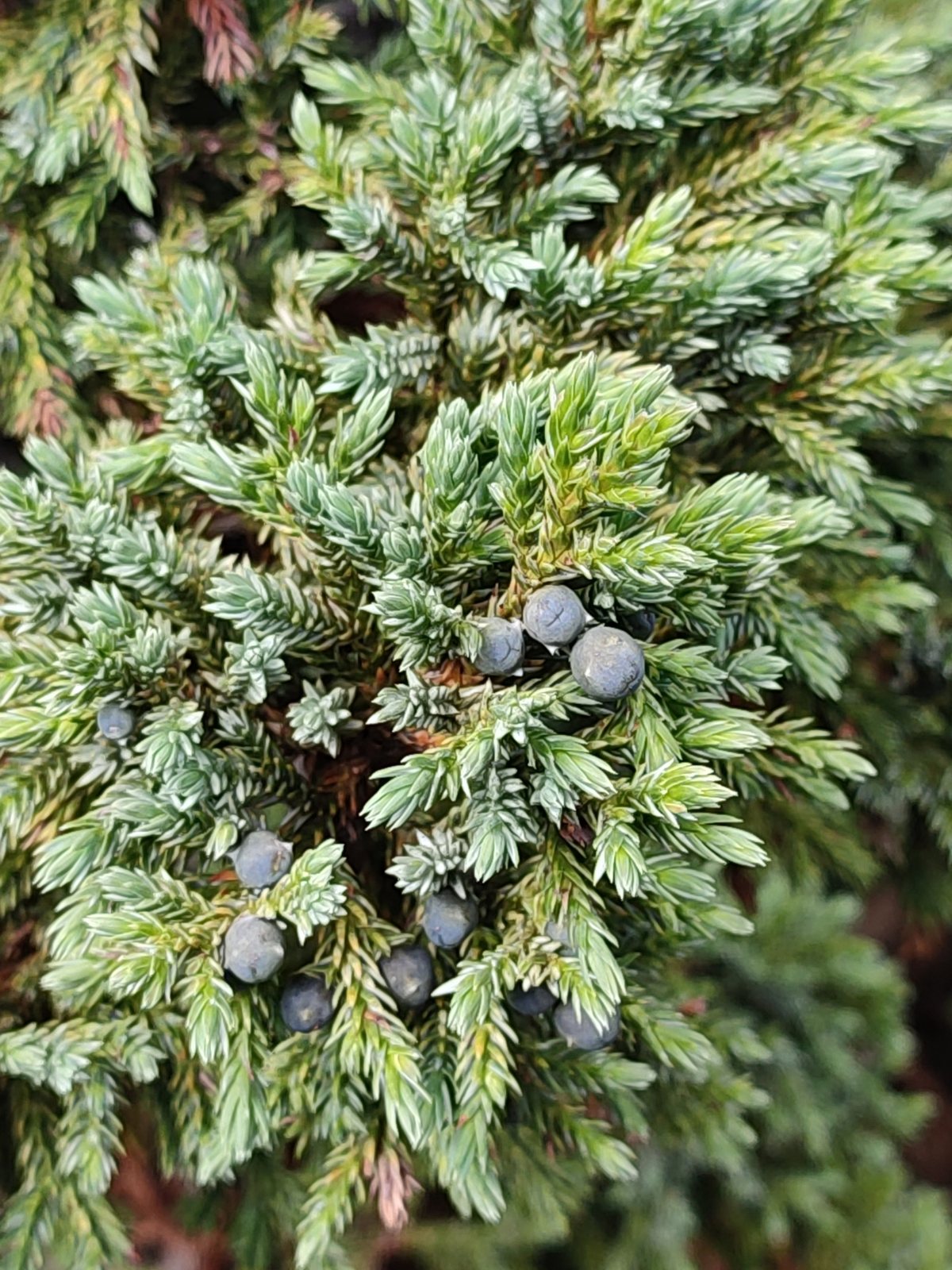
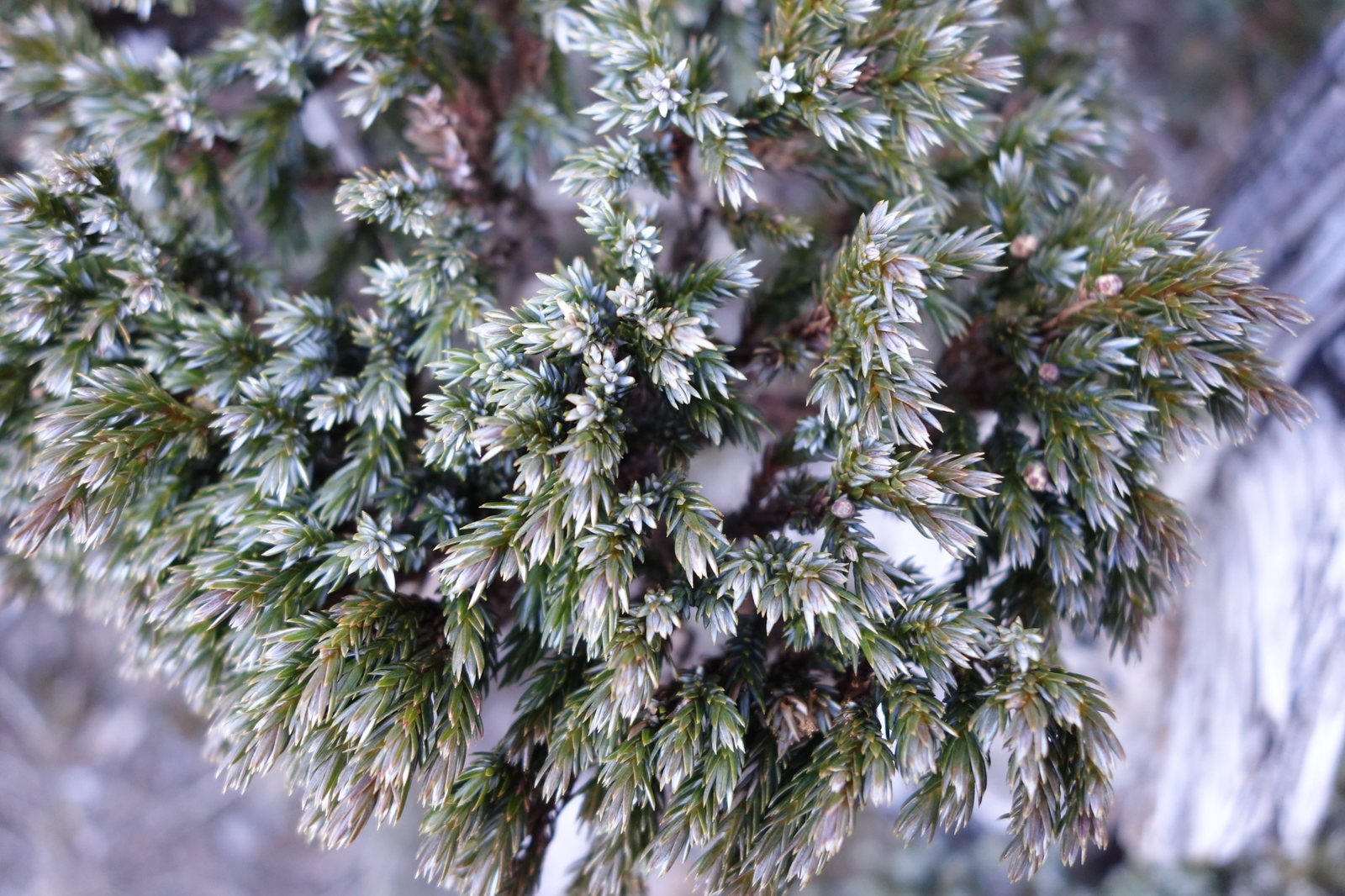
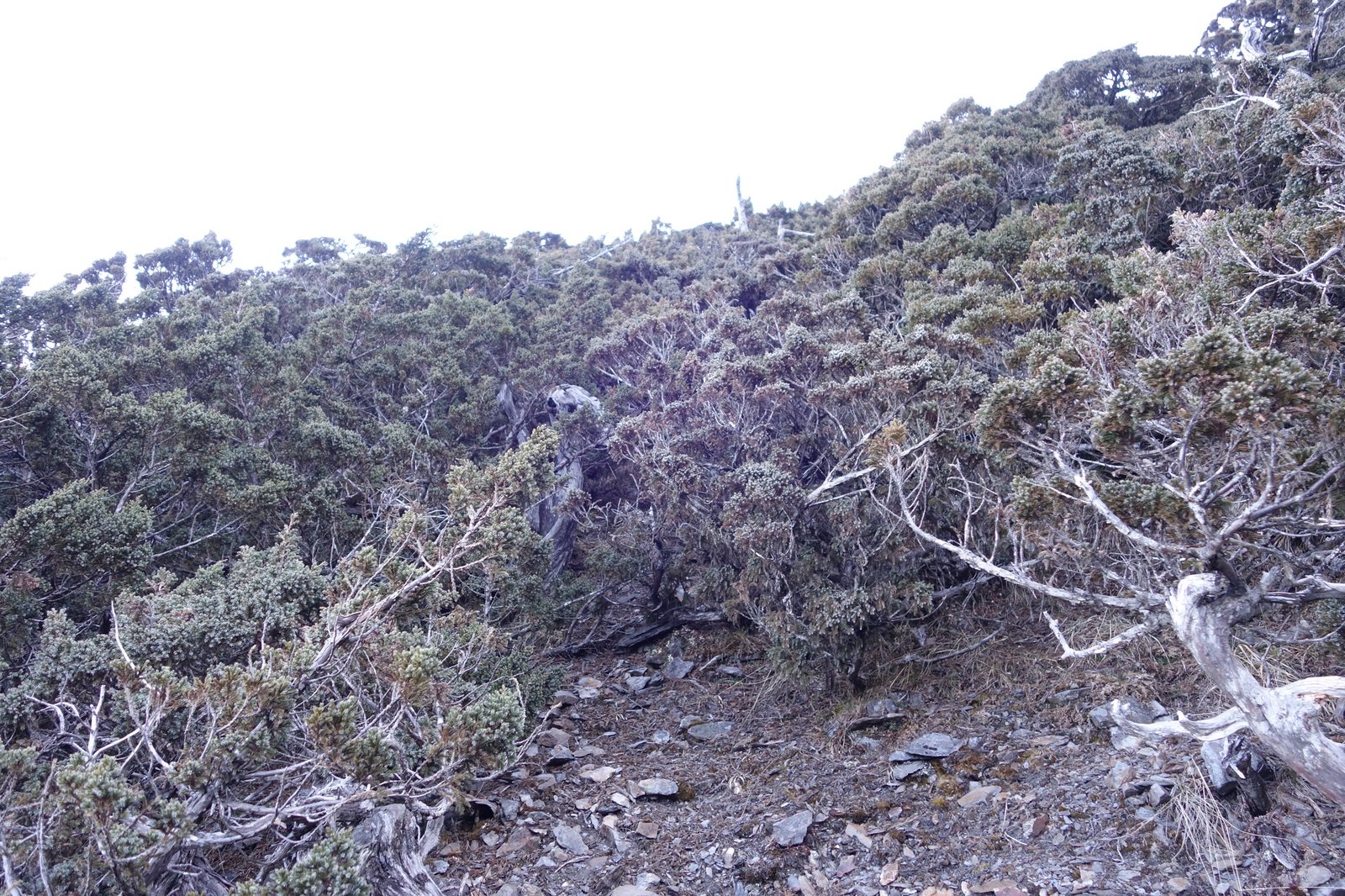
Blue Carpet juniper is a low, spreading evergreen shrub grown for its prickly, silver-blue foliage and broad, ground-covering branches. It provides year-round colour on sunny banks, in gravel gardens and around rocks, but needs freely draining soil and room to spread.
At a glance
- Sun
- Full sun gives the strongest blue colour and densest growth. Light shade is tolerated, but growth becomes looser.
- Water
- Water regularly during the first growing season, allowing the soil surface to dry between soakings. Once established, water during prolonged drought; avoid constantly damp soil.
- Soil
- Well-drained sandy, gravelly or loamy soil, from slightly acidic to alkaline. Avoid waterlogged ground and heavy clay unless drainage is improved.
- Height
- 1-2 ft (0.3-0.6 m)
- Spread
- 5-8 ft (1.5-2.4 m)
- Foliage
- Evergreen. Dense, pointed, needle-like leaves in silver-blue to blue-grey, sometimes developing a purplish cast in cold weather. The foliage is prickly to handle.
- Growth
- Slow to moderate; allow several years for plants to form a broad, joined cover.
- Care needed
- Low
The year at a glance
- Deer resistant
- Drought tolerant
- Cold hardy
- Wildlife
| J | F | M | A | M | J | J | A | S | O | N | D | |
|---|---|---|---|---|---|---|---|---|---|---|---|---|
| Plant |
Northern hemisphere months. In Australia, shift them by six.
- Difficulty
- Easy
- Toughness
- Very tough
Will it suit your garden?
Pick your zone, country, light and whether you have pets.
Full sun is 6 or more hours of direct sun a day, part shade 3 to 6 hours, shade under 3.
How it grows
Planting day
1.5 ft (0.45 m)
full size
About 7 years to full size.
From a typical nursery size, at an average rate for this kind of plant. A rule of thumb, not a forecast.
Good to know
- Cats and dogs
- Mildly toxic: may upset a stomach
- Growth rate
- Slow
Care
Jobs through the year
- WaterApr–May, Sep–Nov, every 28 days
- Water established plants only if soil is dry; young plants need more frequent watering.
- WaterJun–Aug, every 21 days
- Deep-water established plants only during prolonged drought; avoid persistently damp soil.
- PruneMar–Apr
- Remove dead or damaged shoots and shorten strays into leafy growth, never bare wood.
- PruneMay–Jun
- If blight develops, remove affected tips in dry weather and clean tools between cuts.
- MulchMar
- Maintain a thin mulch layer without covering the crown or lower stems.
- FeedApr
- Feed lightly only if growth is weak or soil is very poor; avoid heavy nitrogen.
- ProtectJan–Feb, Nov–Dec
- Shelter newly planted shrubs from drying winter winds.
- Water deeply through the first growing season whenever the root zone begins to dry.
- Leave enough space for the mature spread rather than relying on repeated trimming.
- Apply a thin mulch, keeping it clear of the crown and lower stems.
- Feed lightly in spring only if growth is weak or the soil is very poor; avoid heavy nitrogen feeding.
- Keep fallen leaves and weeds from accumulating within the branches.
Pruning. In spring, remove dead, damaged or diseased shoots and shorten wayward branches back to a leafy side shoot. Do not cut into bare old wood, which usually will not regrow, or shear the plant into a tight shape.
Through the year
- Early spring
- Check for winter damage and remove dead shoots in dry weather.
- Spring
- Plant in well-drained ground, water thoroughly and mulch without covering the crown.
- Late spring
- Check shoot tips for browning and inspect affected branches for blight or mites.
- Summer
- Water young plants during dry spells; water established plants only during prolonged drought.
- Late summer
- Take semi-ripe cuttings if you want to propagate the cultivar.
- Autumn
- Clear fallen leaves from the branches and check that water drains away freely.
In the garden
- Plant across sunny banks for low evergreen cover, allowing space for each plant to spread.
- Let branches soften the edges of rocks or low retaining walls.
- Combine with upright ornamental grasses for a contrast between a blue horizontal carpet and vertical stems.
- Use in gravel beds with drought-tolerant perennials, keeping their crowns clear of its spreading branches.
- Place beside dark green conifers or purple-leaved shrubs to make its pale blue foliage stand out.
Garden styles it suits: Low-maintenance, Dry gravel garden, Winter interest, Desert / xeriscape, Alpine rock garden and Modern.
Plant it with: Lavender, Catmint, Russian sage, Blue fescue, Stonecrop and Dwarf mountain pine.
Wildlife: The dense branches provide low shelter for small animals and invertebrates. This wind-pollinated conifer offers little nectar value, and cone production on this cultivar should not be relied on as a bird-food source.
Problems to watch for
- Root rot in wet soil: improve drainage before planting, avoid overwatering and replace badly affected plants rather than replanting in the same wet spot.
- Juniper tip blight: prune affected shoots back to healthy growth in dry weather, clean tools between cuts and avoid overhead watering.
- Spider mites in hot, dry conditions: check for fine webbing and mottled needles; rinse foliage with water and use a locally approved mite treatment if damage continues.
- Winter scorch: water before the ground freezes if autumn has been dry, and protect newly planted shrubs from drying winds; prune dead tips once spring growth reveals the damage.
Safety
Do not eat the foliage or berry-like cones. Junipers can cause digestive upset if eaten by people, cats or dogs, and foliage oils may irritate skin; serious poisoning is uncommon after small accidental exposures. Toxicity information specific to this cultivar in horses is limited, so keep it out of grazing areas and do not feed clippings to livestock.
Easily confused with
Blue Star juniper (Juniperus squamata 'Blue Star')
It has similarly prickly blue foliage but forms a compact, rounded mound rather than a broad, low carpet.
Blue Rug juniper (Juniperus horizontalis 'Wiltonii')
It hugs the ground more closely and has finer, mostly scale-like foliage rather than the conspicuous prickly needles of Blue Carpet.
Blue Pacific shore juniper (Juniperus conferta 'Blue Pacific')
It also spreads low but has longer, coarser needles and generally greener or blue-green foliage.
The name
Juniperus is the Latin name for juniper, squamata means scaly and refers to the bark, and 'Blue Carpet' describes the cultivar's foliage colour and spreading habit.
Propagation. Take semi-ripe cuttings with a small heel of older wood in late summer and root them in a freely draining medium under humid conditions. Cuttings preserve the cultivar; seedlings will not reliably match it.
Checked against open data
- Accepted botanical name
- Juniperus squamata
- Native range
- Afghanistan, Assam, China North-Central, China South-Central, China Southeast, East Himalaya, Myanmar, Nepal, Pakistan, Qinghai, Tibet and West Himalaya.
- Measured
- Average height 650 cm.
Sources: GBIF (CC BY 4.0) and Trefle (CC BY 4.0). The care and design notes are LandscapeGPT's own.
See it in your own yard.
Upload a photo of your yard and see it redesigned with plants that suit your climate, each checked against your zone.