Blue Chiffon rose of Sharon
Hibiscus syriacus 'Notwoodthree'. Family Malvaceae. Shrub.
Also called Hibiscus syriacus 'Notwoodthree', Blue Chiffon hibiscus, Shrub althea.
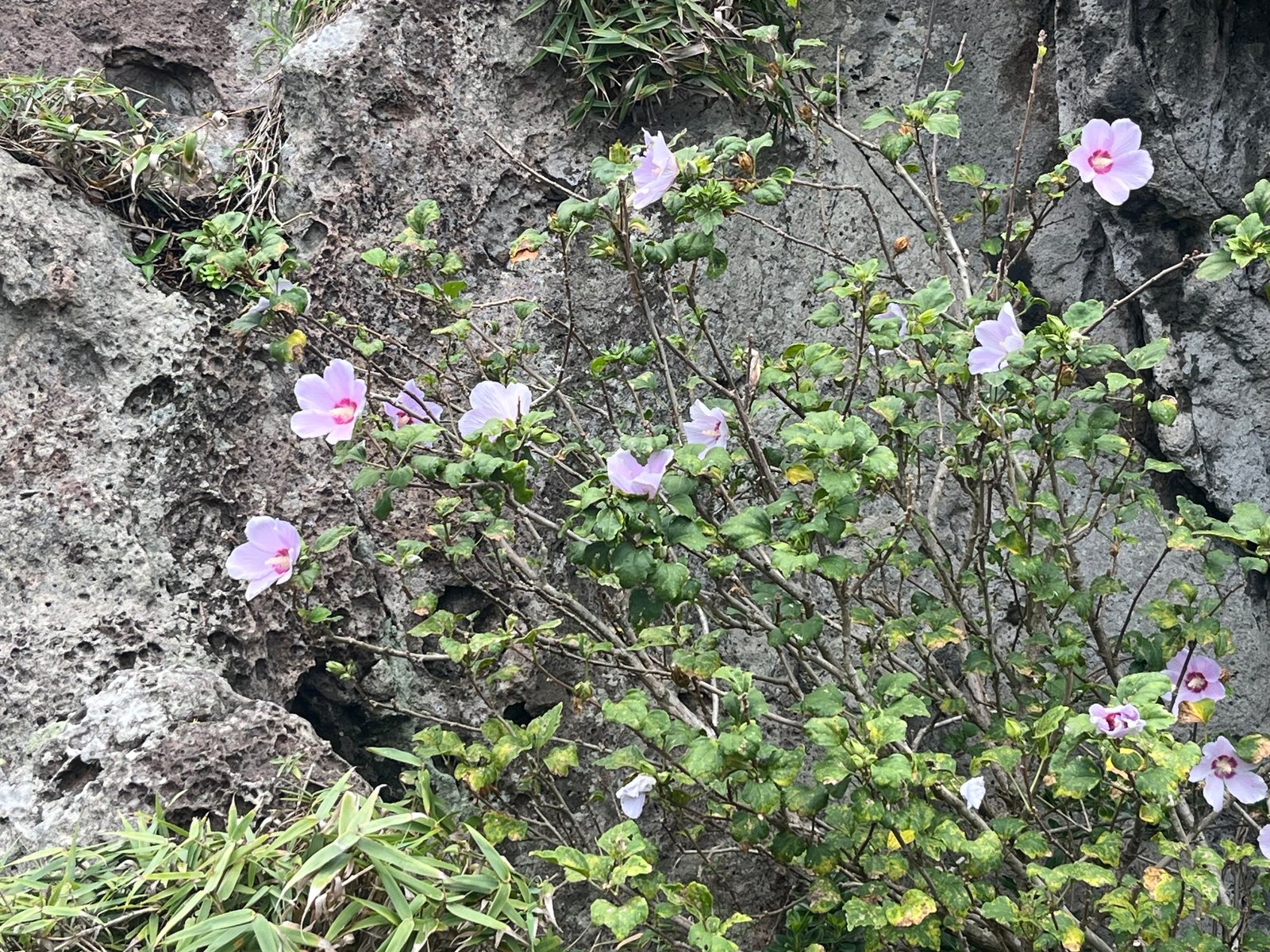
An upright, deciduous shrub grown for lavender-blue flowers with a dark reddish-purple centre and a frill of smaller inner petals. It flowers from midsummer into autumn, when many spring-flowering shrubs have finished, and suits sunny borders, informal hedges and small flowering-tree forms.
At a glance
- Sun
- Full sun is best; tolerates partial shade but flowers less freely. In cool climates, choose a warm, sheltered position.
- Water
- Water regularly while establishing. Once established, tolerates short dry spells, but prolonged drought can reduce flowering and cause bud drop.
- Soil
- Well-drained soil, including clay improved for drainage; tolerates a broad pH range. Avoid persistently wet ground.
- Height
- 8-12 ft (2.4-3.7 m)
- Spread
- 4-6 ft (1.2-1.8 m)
- Flowers
- Midsummer to autumn; lavender-blue, semi-double flowers with a reddish-purple eye and frilled central petals.
- Foliage
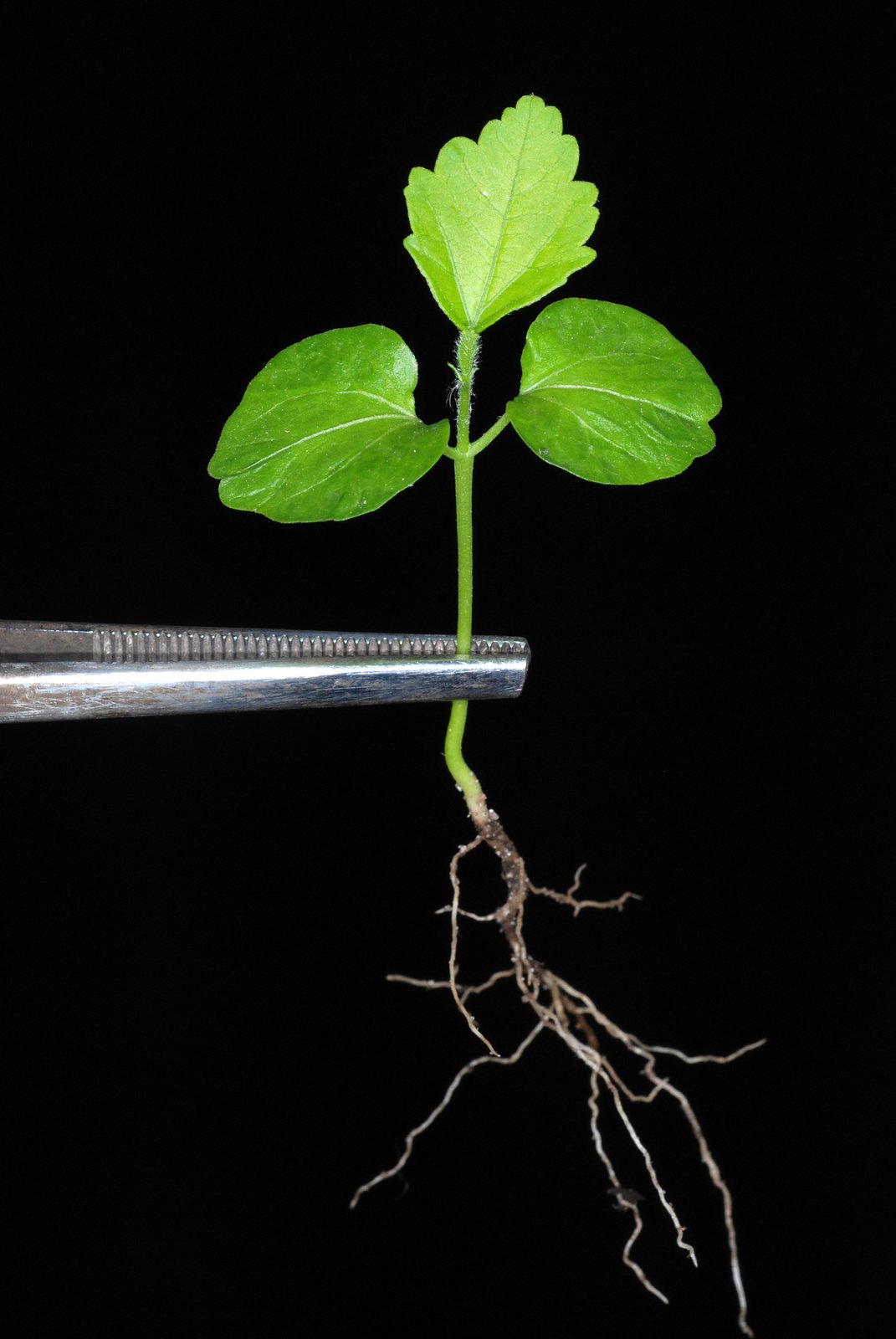
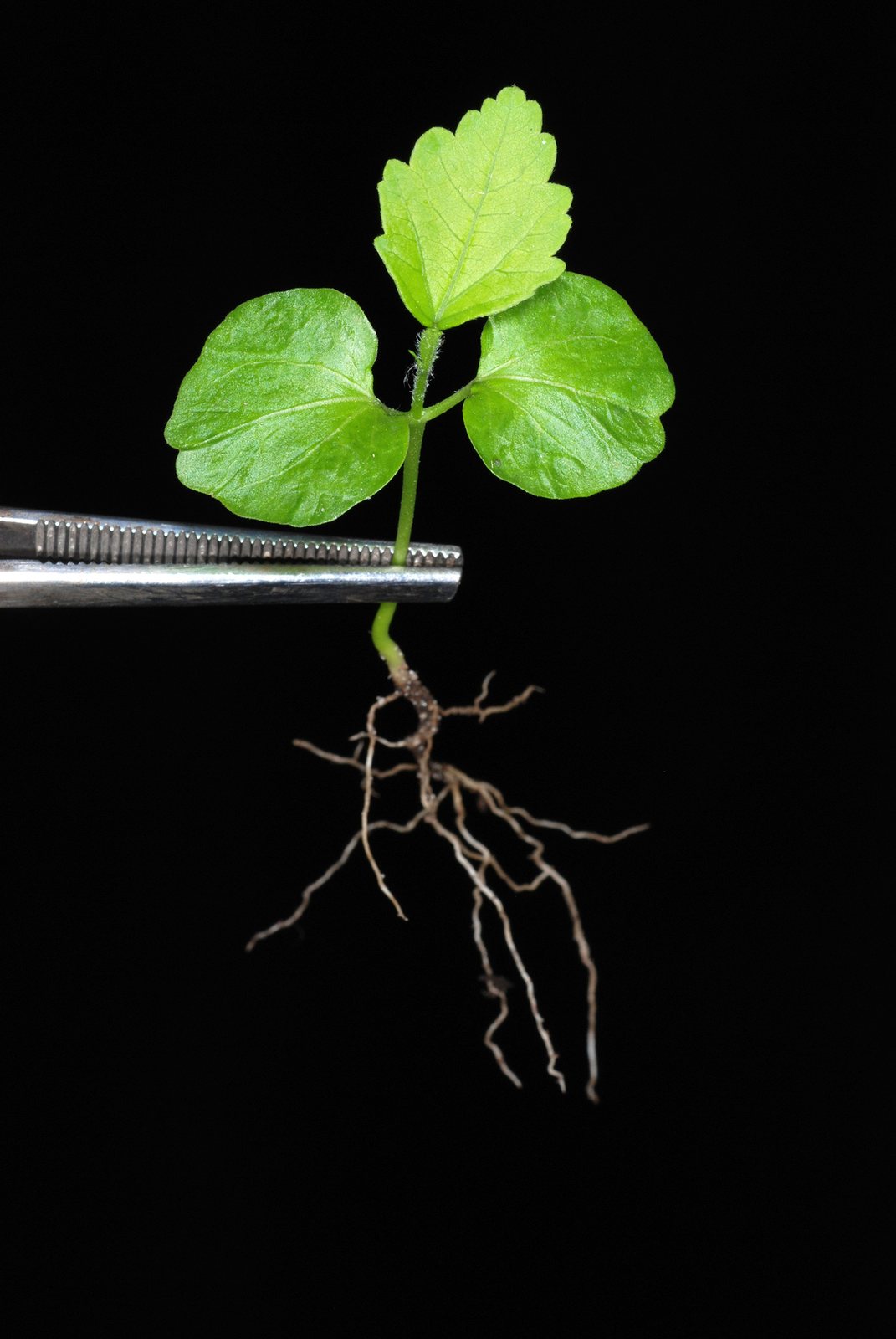
- Medium-green, roughly toothed, often three-lobed leaves. Leaves emerge late in spring and may turn yellow before falling.
- Growth
- Moderate
- Care needed
- Low
The year at a glance
- Pollinators
- Heat tolerant
- Wildlife
- Low allergen
| J | F | M | A | M | J | J | A | S | O | N | D | |
|---|---|---|---|---|---|---|---|---|---|---|---|---|
| Flowers | ||||||||||||
| Plant |
Northern hemisphere months. In Australia, shift them by six.
- Difficulty
- Easy
- Toughness
- Very tough
Will it suit your garden?
Pick your zone, country, light and whether you have pets.
Full sun is 6 or more hours of direct sun a day, part shade 3 to 6 hours, shade under 3.
How it grows
Planting day
1.6 ft (0.5 m)
After 1 year
3 ft (1 m)
After 2 years
5 ft (1.5 m)
After 3 years
7 ft (2 m)
After 5 years
10 ft (3.1 m)
full size
About 5 years to full size.
From a typical nursery size, at an average rate for this kind of plant. A rule of thumb, not a forecast.
Good to know
- Cats and dogs
- Mildly toxic: may upset a stomach
- Invasive in
- the US
- In the garden
- Spreads vigorously: plan to contain it.
- Growth rate
- Moderate
Care
Jobs through the year
- WaterApr–May, Sep–Oct, every 14 days
- Water established ground plants only during dry spells; water first-year plants more regularly.
- WaterJun–Aug, every 7 days
- Water deeply when rainfall is insufficient, especially during bud development; avoid saturated soil.
- PruneFeb–Mar
- Remove dead or crossing branches and shorten selected shoots only as needed before growth begins.
- MulchApr
- Top-dress with compost and maintain 5–8 cm of organic mulch, clear of stems.
- FeedApr
- Use a balanced fertilizer only if growth is weak or soil is poor.
- DeadheadAug–Oct, every 14 days
- If unwanted seedlings occur, remove developing seed capsules before they ripen.
- Water deeply during the first growing season, allowing the soil surface to dry slightly between waterings.
- Apply 2-3 in (5-8 cm) of organic mulch in spring, keeping it clear of the stems.
- Top-dress with compost in spring; use a balanced fertiliser only if growth is weak or the soil is poor.
- Water established plants during prolonged dry weather, especially while buds are developing.
- Remove unwanted seedlings while small, and cut off seed capsules if self-seeding becomes a problem.
Pruning. Prune in late winter or early spring, removing dead, damaged and crossing branches; flowers form on the current season's growth. Shorten remaining shoots only as needed to control size, rather than shearing repeatedly through summer.
Through the year
- Late winter
- Remove dead or crossing branches and make any size-reducing cuts before new growth starts.
- Spring
- Plant when the soil is workable and not waterlogged; water thoroughly and mulch.
- Late spring
- Allow time for late leaf emergence before assuming branches have died.
- Summer
- Water during extended dry spells and check young shoots and buds for aphids.
- Late summer
- Remove developing seed capsules if you want to limit seedlings.
- Autumn
- Pull unwanted seedlings and refresh mulch where needed; avoid heavy pruning.
In the garden
- Place toward the back of a sunny mixed border, with lower perennials hiding its sometimes sparse lower stems.
- Plant as an informal summer-flowering hedge or seasonal screen; it provides no winter privacy.
- Use as a single specimen beside a patio where the flower centres can be seen closely.
- Combine with white flowers, silver foliage and ornamental grasses for a cool-coloured late-summer planting.
Garden styles it suits: Cottage garden, Traditional, English country, Modern courtyard, Blues and silvers and Pastel border.
Plant it with: Catmint, Hardy geranium, Russian sage, Purple coneflower, Panicle hydrangea and Feather reed grass.
Wildlife: Bees and other pollinators visit the flowers, although the extra central petals can make access less straightforward than in single-flowered rose of Sharon. Branches provide seasonal cover for small birds.
Problems to watch for
- Aphids distort young shoots and leave sticky honeydew: wash small colonies off with water and encourage natural predators; use insecticidal soap if necessary.
- Japanese beetles chew flowers and leaves where this pest occurs in North America: hand-pick into soapy water and avoid placing beetle traps beside the shrub.
- Bud drop or yellowing leaves can follow drought, waterlogging or abrupt moisture changes: check the root zone and correct watering or drainage.
- Poor flowering often results from shade, excessive nitrogen or pruning during the growing season: provide more sun, reduce feeding and prune before spring growth.
Safety
Not generally considered poisonous to people. Published advice about toxicity to cats, dogs and horses is inconsistent; eating leaves or flowers may cause digestive upset, so discourage browsing and seek veterinary advice if symptoms occur.
Where it spreads. Hibiscus syriacus can self-seed aggressively in parts of the eastern and southeastern United States, including Kentucky, Pennsylvania and Virginia. Blue Chiffon may produce fewer seedlings than some forms, but should not be treated as sterile; check local guidance and remove volunteers near natural areas.
Easily confused with
Blue Bird rose of Sharon (Hibiscus syriacus 'Oiseau Bleu')
Has single blue-violet flowers with an exposed central staminal column, rather than Blue Chiffon's cluster of small inner petals.
Chinese hibiscus (Hibiscus rosa-sinensis)
Usually has glossy, less-lobed evergreen leaves and is frost-tender, unlike deciduous, cold-hardy rose of Sharon.
Hardy hibiscus (Hibiscus moscheutos)
Has much larger, dinner-plate-like flowers and herbaceous stems that die back to ground level each winter.
The name
The species name syriacus means 'Syrian', reflecting an early mistaken association with Syria; the plant is native to East Asia.
Propagation. Softwood cuttings taken in late spring or early summer retain the cultivar's characteristics; seedlings do not come true. Check current plant-patent or plant-breeders' rights restrictions in your country before propagating.
Checked against open data
- Accepted botanical name
- Hibiscus syriacus
- In the US and Canada
- Introduced in the lower 48 states.
- Native range
- China South-Central, China Southeast and Taiwan.
- Measured
- Average height 213 cm.
Sources: GBIF (CC BY 4.0), USDA PLANTS and Trefle (CC BY 4.0). The care and design notes are LandscapeGPT's own.
See it in your own yard.
Upload a photo of your yard and see it redesigned with plants that suit your climate, each checked against your zone.