Blue Pacific shore juniper
Juniperus conferta 'Blue Pacific'. Family Cupressaceae. Groundcover.
Also called Blue Pacific juniper, Shore juniper 'Blue Pacific'.
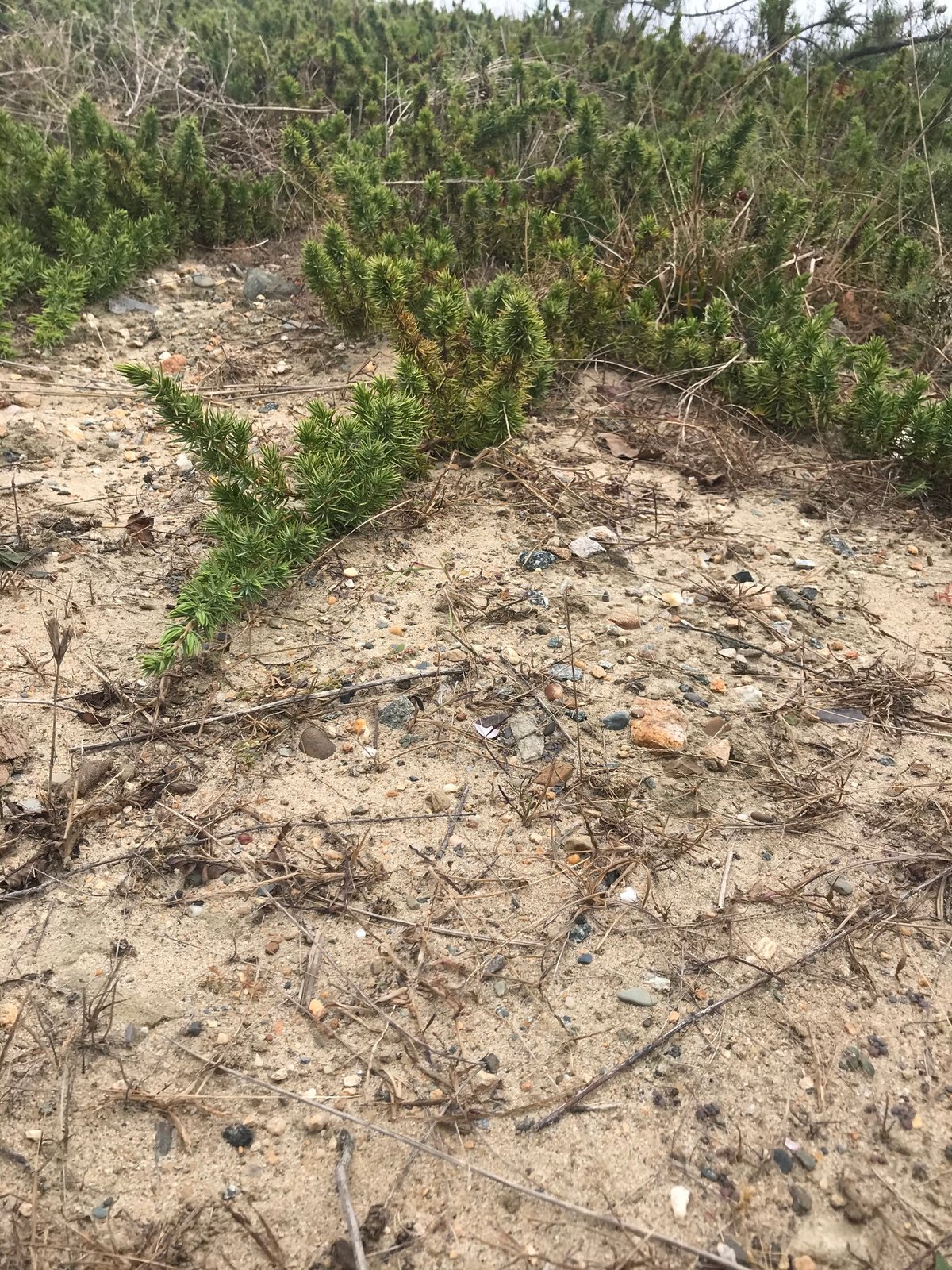
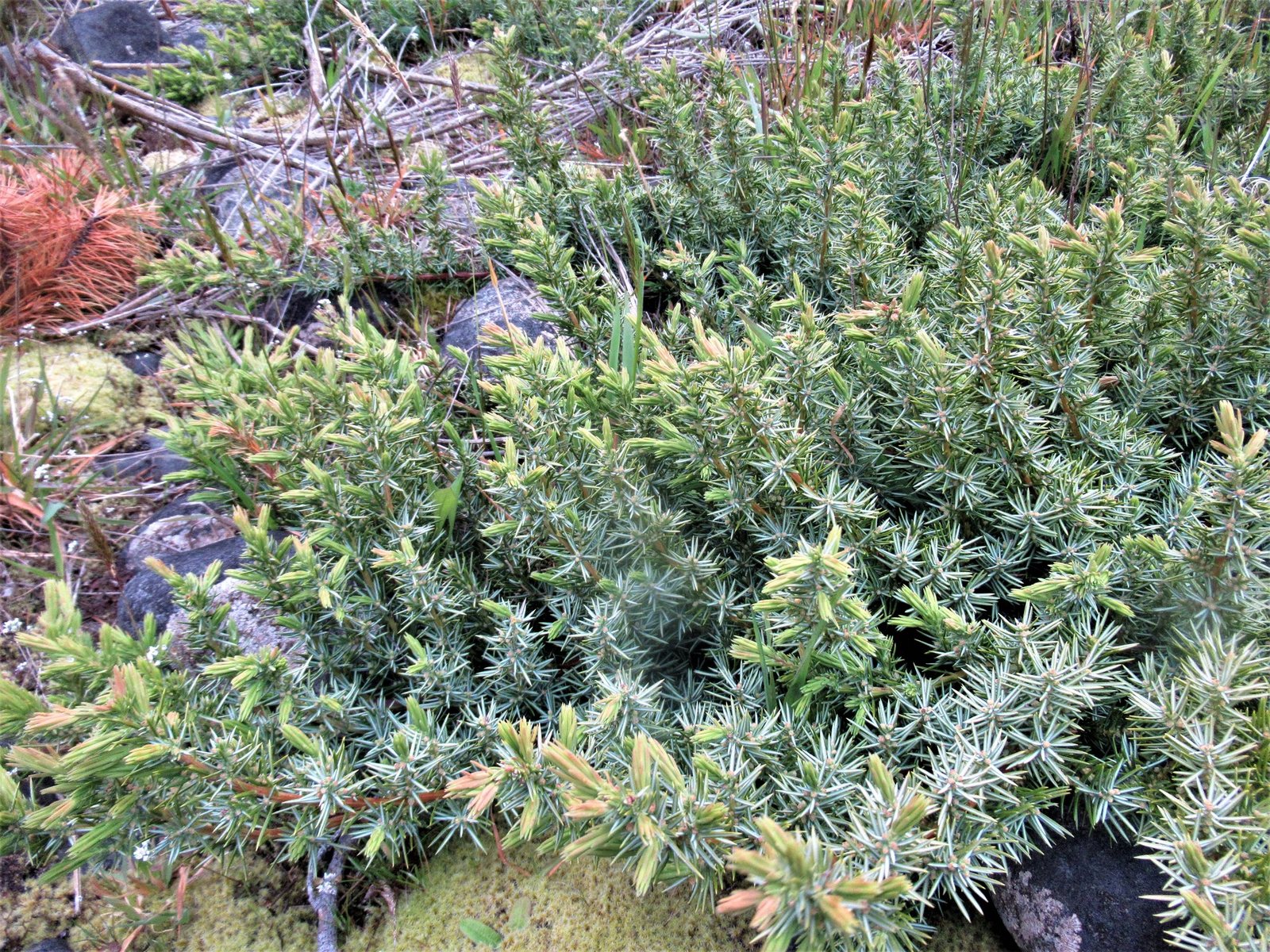
Juniperus conferta 'Blue Pacific' is a low, spreading evergreen conifer with prickly, blue-green needles. Gardeners use it to cover sunny banks, soften retaining walls and provide year-round groundcover in coastal or gravel gardens. It tolerates drought and salt spray once established, but struggles in waterlogged soil.
At a glance
- Sun
- Full sun; light shade is tolerated, but growth becomes thinner.
- Water
- Water regularly during the first growing season, allowing the soil to dry slightly between waterings. Once established, water during prolonged drought rather than keeping the soil constantly moist.
- Soil
- Well-drained sandy, gravelly or loamy soil; tolerates poor soil and a range of pH levels. Avoid wet clay and sites that collect winter water.
- Height
- 0.5-1 ft (0.15-0.3 m)
- Spread
- 6-8 ft (1.8-2.4 m)
- Foliage
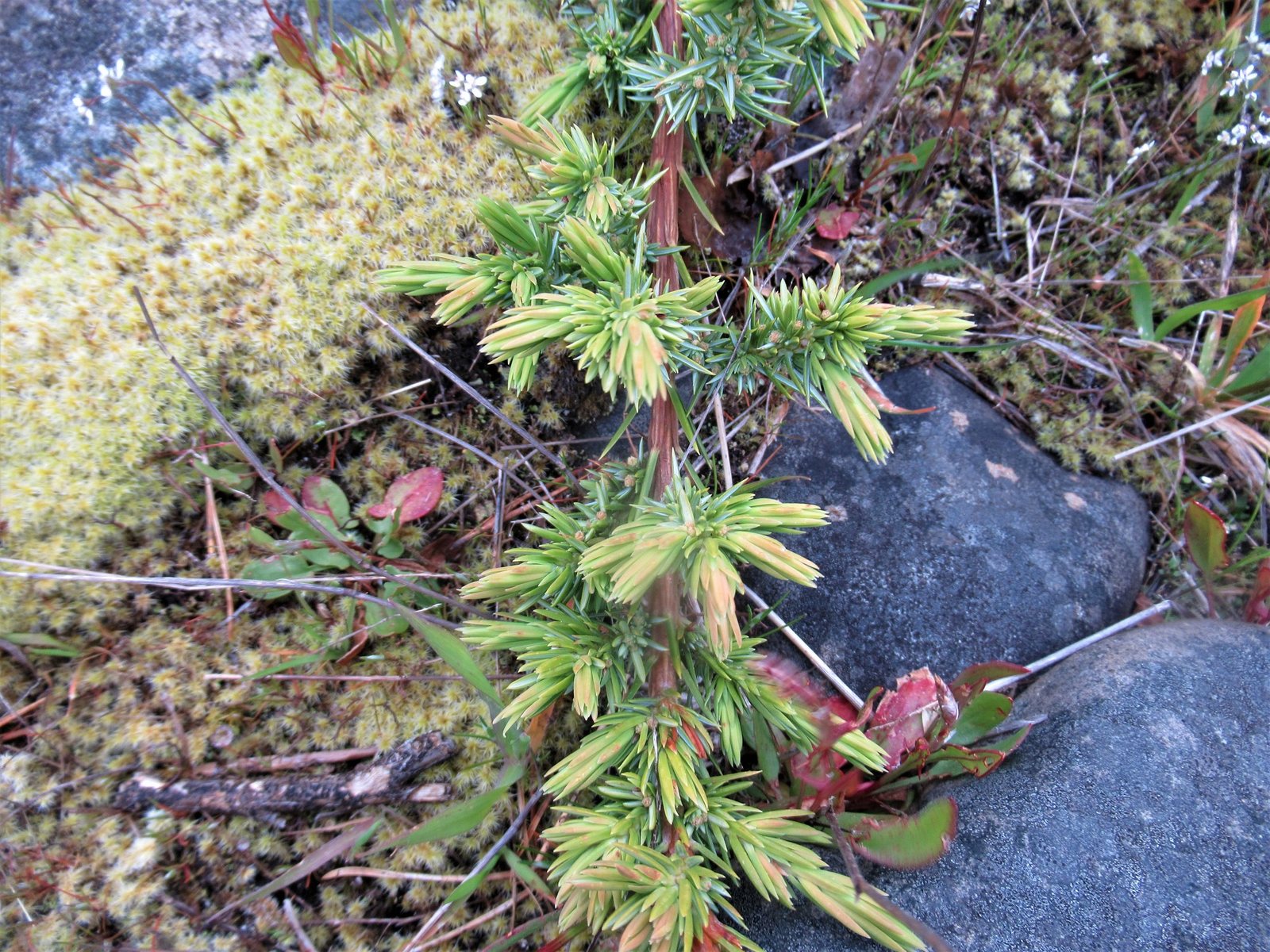
- Evergreen. Short, stiff, pointed blue-green needles held in groups of three; prickly to handle and retained year-round.
- Growth
- Moderate; spreading branches gradually form a broad, dense mat.
- Care needed
- Low
The year at a glance
- Deer resistant
- Drought tolerant
- Heat tolerant
- Wildlife
| J | F | M | A | M | J | J | A | S | O | N | D | |
|---|---|---|---|---|---|---|---|---|---|---|---|---|
| Fruit | ||||||||||||
| Plant |
Northern hemisphere months. In Australia, shift them by six.
- Difficulty
- Easy
- Toughness
- Very tough
Will it suit your garden?
Pick your zone, country, light and whether you have pets.
Full sun is 6 or more hours of direct sun a day, part shade 3 to 6 hours, shade under 3.
How it grows
Planting day
0.2 ft (0.06 m)
After 1 year
0.4 ft (0.12 m)
After 2 years
0.6 ft (0.19 m)
After 3 years
0.7 ft (0.22 m)
full size
About 3 years to full size.
From a typical nursery size, at an average rate for this kind of plant. A rule of thumb, not a forecast.
Good to know
- Cats and dogs
- Mildly toxic: may upset a stomach
- Growth rate
- Moderate
Care
Jobs through the year
- WaterApr–May, Sep–Oct, every 21 days
- Water established plants only during prolonged dry spells; water new plants more regularly.
- WaterJun–Aug, every 14 days
- During prolonged drought, water deeply at soil level after checking beneath the foliage.
- MulchMar–Apr
- Apply a thin mulch between young plants, keeping main stems clear.
- PruneMar–Apr
- Remove damaged shoots and shorten strays to leafy side shoots; avoid bare old wood.
- ProtectJun–Aug, every 14 days
- Check for mites, bagworms and tip dieback; remove affected material as appropriate.
- ProtectOct–Nov
- Remove fallen leaves trapped in the mat to keep stems dry and ventilated.
- Plant with the top of the root ball level with the surrounding soil, and leave room for its mature spread.
- Water deeply through the first growing season; check moisture beneath the foliage before watering again.
- Use a thin layer of gravel or organic mulch between young plants, keeping it away from the main stems.
- Do not routinely fertilize established plants; use a light spring feed only if growth is weak and soil fertility is low.
- Keep fallen leaves and weeds from accumulating within the mat, and avoid overhead irrigation.
Pruning. In spring, remove dead or damaged shoots and shorten stray branches back to a leafy side shoot. Do not cut into bare old wood, which usually will not produce new growth.
Through the year
- Spring
- Plant in colder climates once the soil is workable, and water thoroughly.
- Spring
- Remove winter-damaged shoots and lightly shorten branches that extend beyond their allotted space.
- Early summer
- Check young plants for dry root balls and inspect shoot tips for browning or dieback.
- Summer
- Water established plants only during extended dry spells; inspect dusty foliage for spider mites.
- Late summer
- Take semi-ripe cuttings from healthy shoots if you want more plants.
- Autumn
- Plant in mild climates while the soil is warm, and remove leaves trapped in the foliage.
In the garden
- Cover a sunny, well-drained bank with a continuous evergreen mat to reduce exposed soil.
- Let branches trail over a retaining wall or soften the edges of broad steps, away from foot traffic.
- Combine with ornamental grasses and upright conifers for contrasting shapes and year-round structure.
- Use among boulders and gravel in a coastal garden where salt spray limits less tolerant shrubs.
Garden styles it suits: Coastal, Dry gravel garden, Low-maintenance, Japanese, Desert / xeriscape and Winter interest.
Plant it with: Lavender, Blue fescue, Rockrose, Creeping thyme, Mugo pine and Yarrow.
Wildlife: The dense evergreen mat provides shelter for small animals and ground-dwelling invertebrates. Berry-like cones, when present, may be eaten by birds; the inconspicuous, wind-pollinated flowers offer little value to pollinating insects.
Problems to watch for
- Root rot: yellowing and dying branches can follow prolonged wet conditions. Improve drainage before planting, avoid frequent irrigation and remove badly affected plants.
- Juniper tip blight: shoot tips turn brown and die. Prune affected shoots during dry weather, clean tools between plants and keep irrigation off the foliage.
- Spider mites: foliage becomes finely stippled, dull or bronzed in hot, dry weather. Check for mites by tapping shoots over white paper; rinse foliage or use a labelled horticultural soap if needed.
- Bagworms, especially in parts of North America: hanging cases and chewed foliage indicate feeding. Hand-pick cases before eggs hatch; treat young larvae with a locally approved product if infestation is extensive.
Safety
Do not eat the foliage or berry-like cones, or use them as a substitute for culinary juniper. Juniper foliage, cones and oils can cause stomach upset in people, cats and dogs if eaten; concentrated oils pose a greater risk. Toxicity information specific to this cultivar in horses is limited, so keep it out of grazing areas. Prickly foliage and sap may irritate skin.
Easily confused with
Blue Rug creeping juniper (Juniperus horizontalis 'Wiltonii')
Also forms a low blue carpet, but its foliage is mostly tiny, overlapping scales rather than the conspicuous, stiff needles of Blue Pacific.
Blue Star juniper (Juniperus squamata 'Blue Star')
Has similarly prickly blue foliage but grows as a compact, rounded mound rather than a broad mat with long trailing branches.
The name
The species name conferta means crowded or densely packed, referring to the foliage, while shore juniper describes the species' coastal habitat.
Propagation. Take semi-ripe cuttings in late summer or early autumn and root them in a free-draining medium under humid conditions. Low branches may also root where they touch soil. Seed will not reliably reproduce the cultivar.
Checked against open data
- Accepted botanical name
- Juniperus rigida conferta Juniperus conferta 'Blue Pacific' is an older name for Juniperus rigida conferta.
Sources: GBIF (CC BY 4.0). The care and design notes are LandscapeGPT's own.
See it in your own yard.
Upload a photo of your yard and see it redesigned with plants that suit your climate, each checked against your zone.