Blue Princess holly
Ilex × meserveae 'Blue Princess'. Family Aquifoliaceae. Shrub.
Also called Blue holly 'Blue Princess', Meserve holly 'Blue Princess'.
Blue Princess is a dense evergreen holly grown for its glossy blue-green leaves and bright red berries that often last into winter. It is a female cultivar: plant a compatible male holly nearby, such as Blue Prince, if you want berries. Its prickly foliage makes a useful hedge or year-round screen.
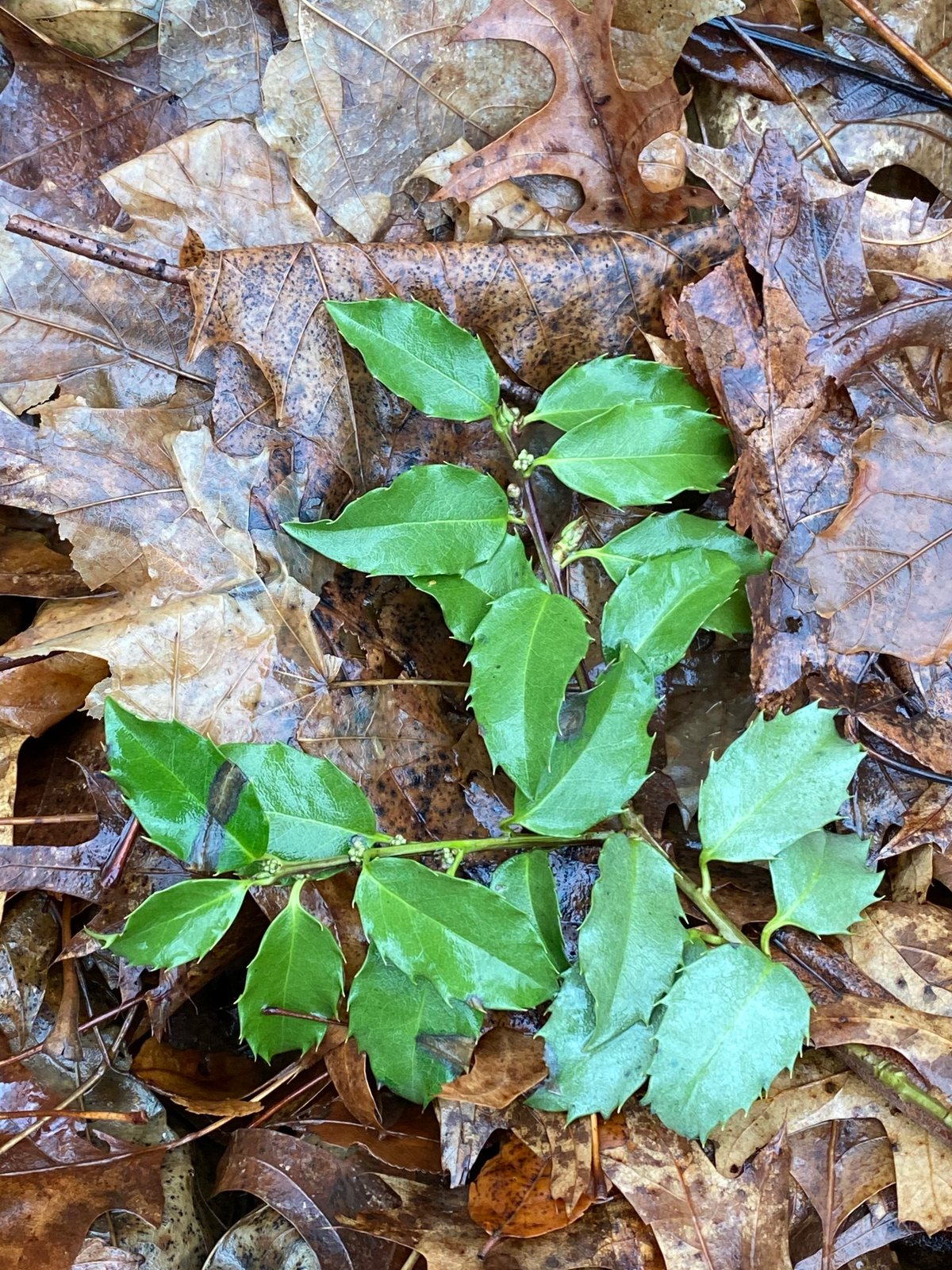
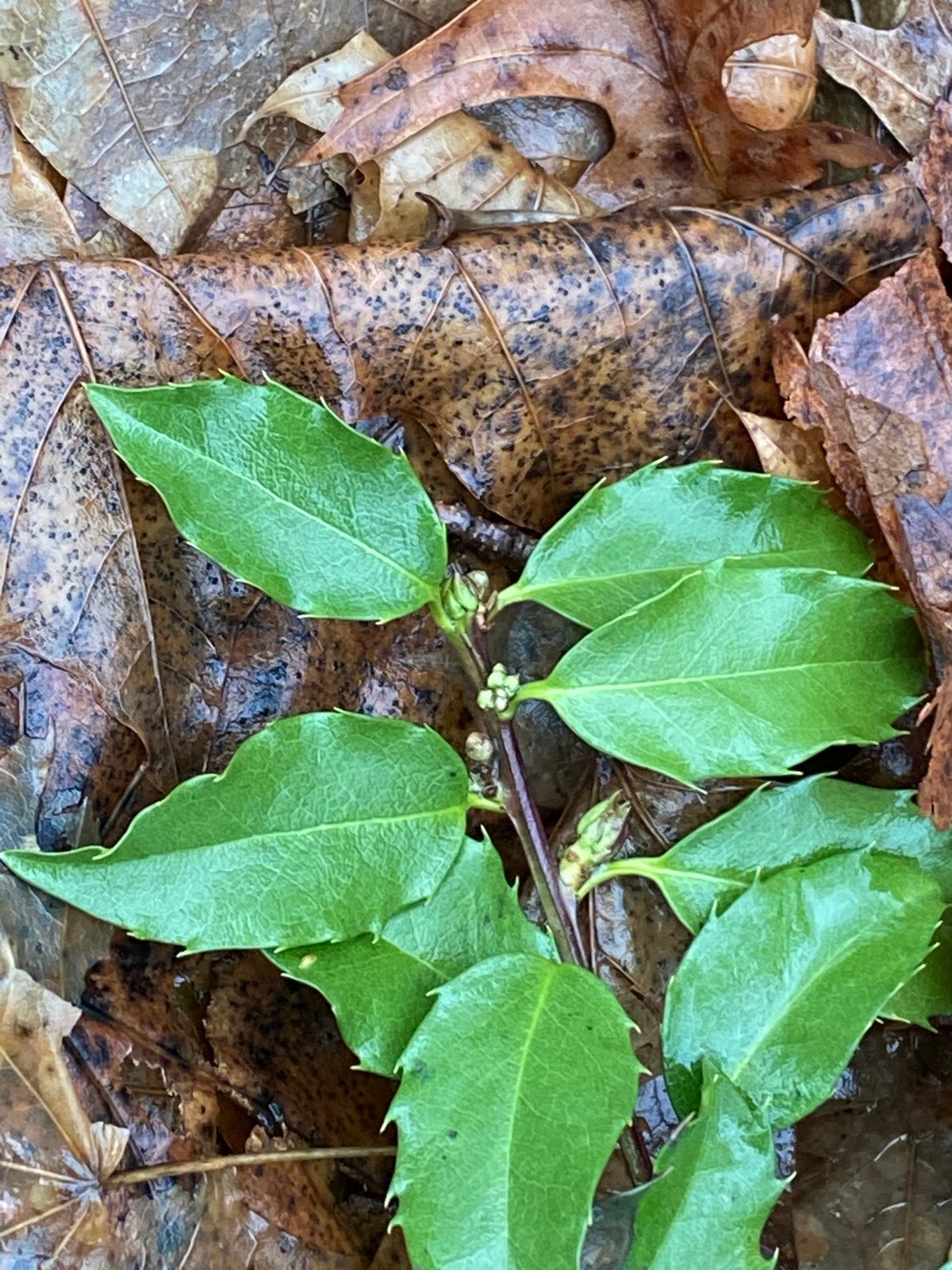
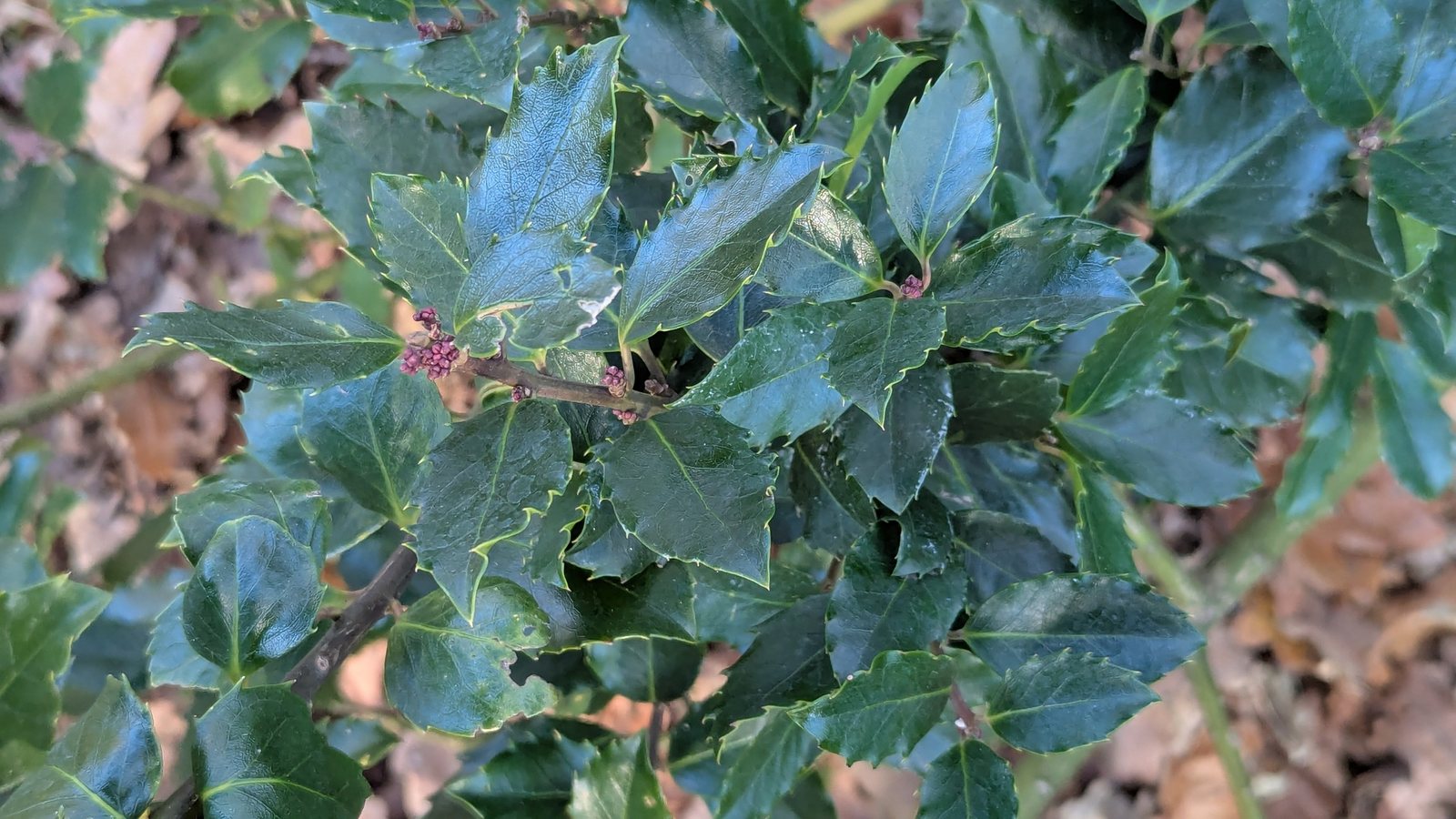
At a glance
- Sun
- Full sun to partial shade; shelter from drying winter winds, especially in colder regions.
- Water
- Keep evenly moist while establishing. Once established, water deeply during prolonged dry spells; avoid waterlogged ground.
- Soil
- Moist, well-drained, humus-rich soil, preferably acidic to slightly acidic. Alkaline soil can cause yellow leaves.
- Height
- 10-15 ft (3-4.6 m)
- Spread
- 8-12 ft (2.4-3.7 m)
- Flowers
- Small white flowers in spring; inconspicuous but visited by bees.
- Foliage
- Evergreen. Glossy, leathery, dark blue-green leaves with sharp spines; young stems are often purplish.
- Growth
- Slow to moderate.
- Care needed
- Medium
The year at a glance
- Pollinators
- Heat tolerant
- Wildlife
- Low allergen
| J | F | M | A | M | J | J | A | S | O | N | D | |
|---|---|---|---|---|---|---|---|---|---|---|---|---|
| Flowers | ||||||||||||
| Fruit | ||||||||||||
| Plant |
Northern hemisphere months. In Australia, shift them by six.
- Difficulty
- Moderate
- Toughness
- Fairly tough
Will it suit your garden?
Pick your zone, country, light and whether you have pets.
Full sun is 6 or more hours of direct sun a day, part shade 3 to 6 hours, shade under 3.
How it grows
Planting day
1.6 ft (0.5 m)
After 1 year
3 ft (1 m)
After 2 years
5 ft (1.5 m)
After 3 years
7 ft (2 m)
After 5 years
10 ft (3 m)
About 7 years to full size.
From a typical nursery size, at an average rate for this kind of plant. A rule of thumb, not a forecast.
Good to know
- Cats and dogs
- Toxic
- Growth rate
- Slow
Care
Jobs through the year
- WaterMar–May, Sep–Nov, every 14 days
- Water established shrubs if soil is dry and unfrozen; check young plants more frequently.
- WaterJun–Aug, every 10 days
- Water established shrubs deeply during prolonged dry spells; young plants need more frequent checks.
- MulchApr, Oct
- Maintain 5-8 cm of organic mulch, keeping it clear of stems.
- FeedApr
- Feed lightly only if growth is weak; test soil pH before treating yellow leaves.
- PruneFeb–Mar
- Remove dead or damaged wood and shape sparingly to preserve flowering and fruiting shoots.
- ProtectJan–Mar, Nov–Dec
- Shelter exposed plants from drying winds and gently brush off loose heavy snow.
- Water deeply through the first two growing seasons whenever the root zone begins to dry.
- Apply 2-3 in (5-8 cm) of organic mulch, keeping it clear of the stems.
- For berries, grow a compatible male such as Blue Prince nearby, ideally within about 50 ft (15 m), with overlapping flowering.
- Feed lightly in spring only if growth is weak; test soil pH before treating yellow leaves.
- Choose a sheltered position rather than an exposed, windy corner in cold climates.
Pruning. Prune in late winter or early spring, removing dead or damaged branches and shortening selected shoots to preserve the natural shape. Avoid heavy annual shearing if berries matter, because it removes flowering and fruiting wood.
Through the year
- Late winter
- Remove dead or damaged wood and carry out any necessary shaping before new growth starts.
- Spring
- Plant when soil is workable, water thoroughly and renew mulch.
- Spring
- Check that a nearby compatible male flowers at the same time if you want a berry crop.
- Summer
- Water during dry spells and inspect leaves for scale insects or yellowing.
- Autumn
- Check soil moisture and water deeply during dry weather before the ground freezes.
- Winter
- Enjoy the berries and check exposed plants for wind scorch; gently brush off heavy snow before branches bend.
In the garden
- Plant as an evergreen boundary hedge or screen where its eventual width can be accommodated.
- Use as a dark backdrop for pale hydrangeas, spring bulbs and shade-tolerant perennials.
- Place near a winter-view window for red berries and glossy foliage.
- Use in formal gardens as a clipped hedge or broad evergreen anchor, accepting fewer berries with frequent clipping.
Garden styles it suits: Formal, Traditional, English country, Woodland, Winter interest and Wildlife garden.
Plant it with: Blue Prince holly, Rhododendrons, Japanese pieris, Oakleaf hydrangea, Hellebores and Christmas fern.
Wildlife: Spring flowers provide nectar and pollen for bees. Dense evergreen branches offer shelter and nesting cover, and birds eat the berries, often later in winter.
Problems to watch for
- Few or no berries: provide a compatible male flowering at the same time, avoid heavy pruning and allow for occasional flower damage from late frost.
- Yellow leaves with green veins: test for alkaline soil; correct the underlying soil problem rather than repeatedly applying general fertiliser.
- Scale insects and sooty mould: inspect stems and leaf undersides, prune badly infested shoots and use a labelled horticultural oil when conditions are suitable.
- Winter scorch: shelter from drying winds, maintain autumn soil moisture and mulch the root zone; prune confirmed dead growth after spring growth begins.
Safety
Leaves and berries are toxic if eaten by people, cats, dogs or horses. They can cause vomiting, diarrhoea and abdominal discomfort; most small accidental ingestions cause gastrointestinal illness rather than severe poisoning, but larger amounts can be more serious. Keep berries away from young children and seek medical or veterinary advice after ingestion.
Easily confused with
Blue Prince holly (Ilex × meserveae 'Blue Prince')
Very similar foliage, but this male cultivar has pollen-bearing flowers and does not produce berries. A label or close examination of flowers is more reliable than leaf shape.
English holly (Ilex aquifolium)
Usually has greener, often more strongly waved leaves and can become a much larger tree. Leaf shape varies, so use the blue-green foliage and purplish young stems of Blue Princess as clues rather than definitive identif…
The name
The hybrid name meserveae honours Kathleen K. Meserve, who developed the cold-hardy blue hollies, while 'Blue Princess' refers to this female cultivar's blue-green foliage.
Propagation. Take semi-ripe cuttings in late summer and root under humid conditions; rooting can be slow. Seed-grown plants will not reliably match 'Blue Princess'.
Checked against open data
- Accepted botanical name
- Ilex meserveae
Sources: GBIF (CC BY 4.0). The care and design notes are LandscapeGPT's own.
See it in your own yard.
Upload a photo of your yard and see it redesigned with plants that suit your climate, each checked against your zone.