Bluecrop blueberry
Vaccinium corymbosum 'Bluecrop'. Family Ericaceae. Shrub.
Also called Northern highbush blueberry 'Bluecrop', Vaccinium corymbosum 'Bluecrop'.
Bluecrop is a deciduous northern highbush blueberry grown for its reliable midseason crops of large, blue berries and red autumn foliage. It needs strongly acidic soil and substantial winter chilling, so it is poorly suited to warm-winter climates.
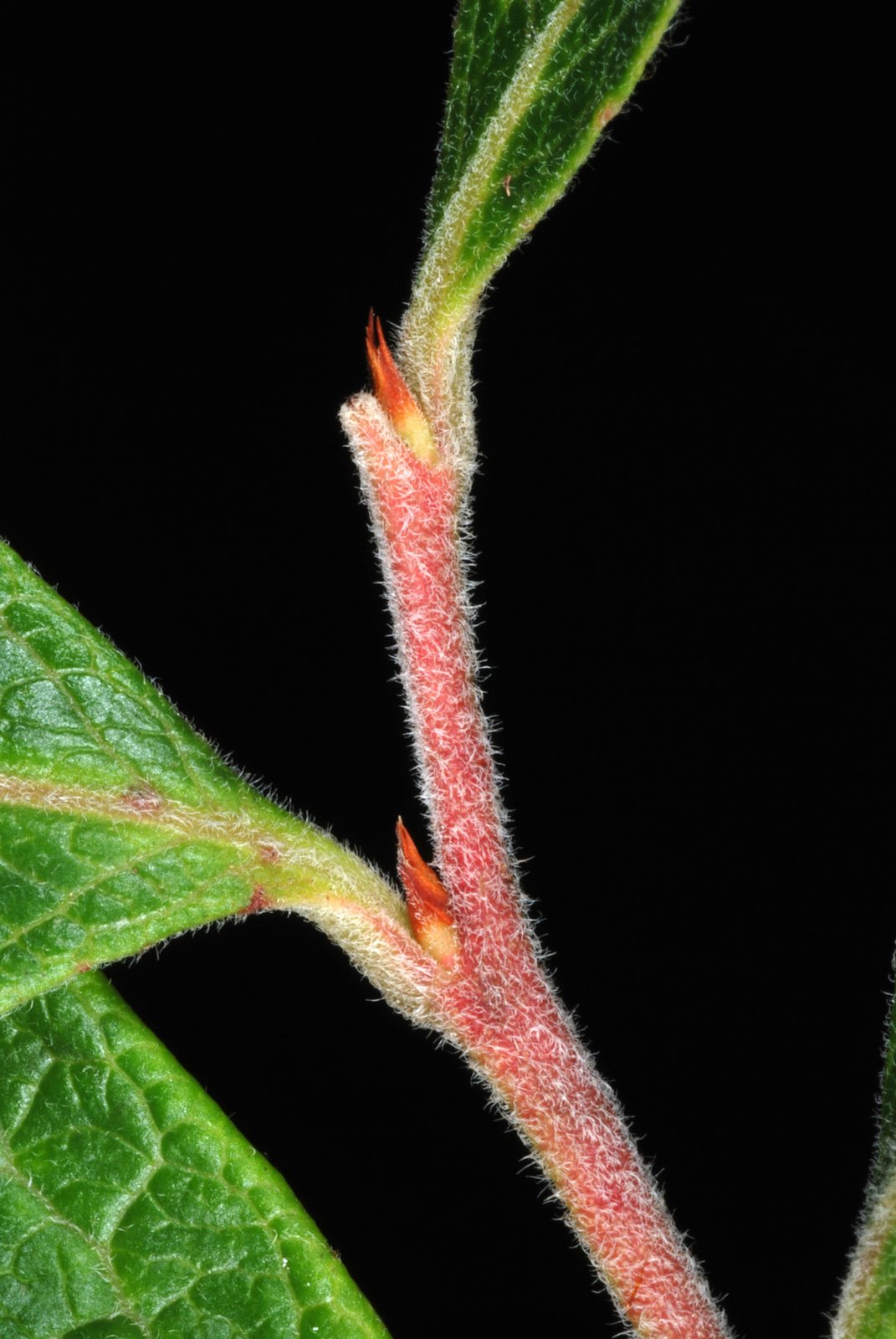
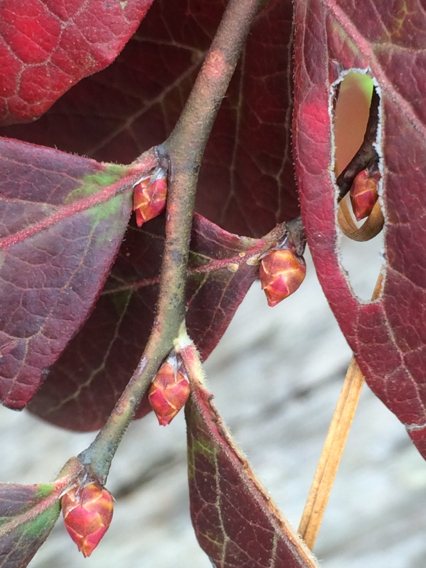
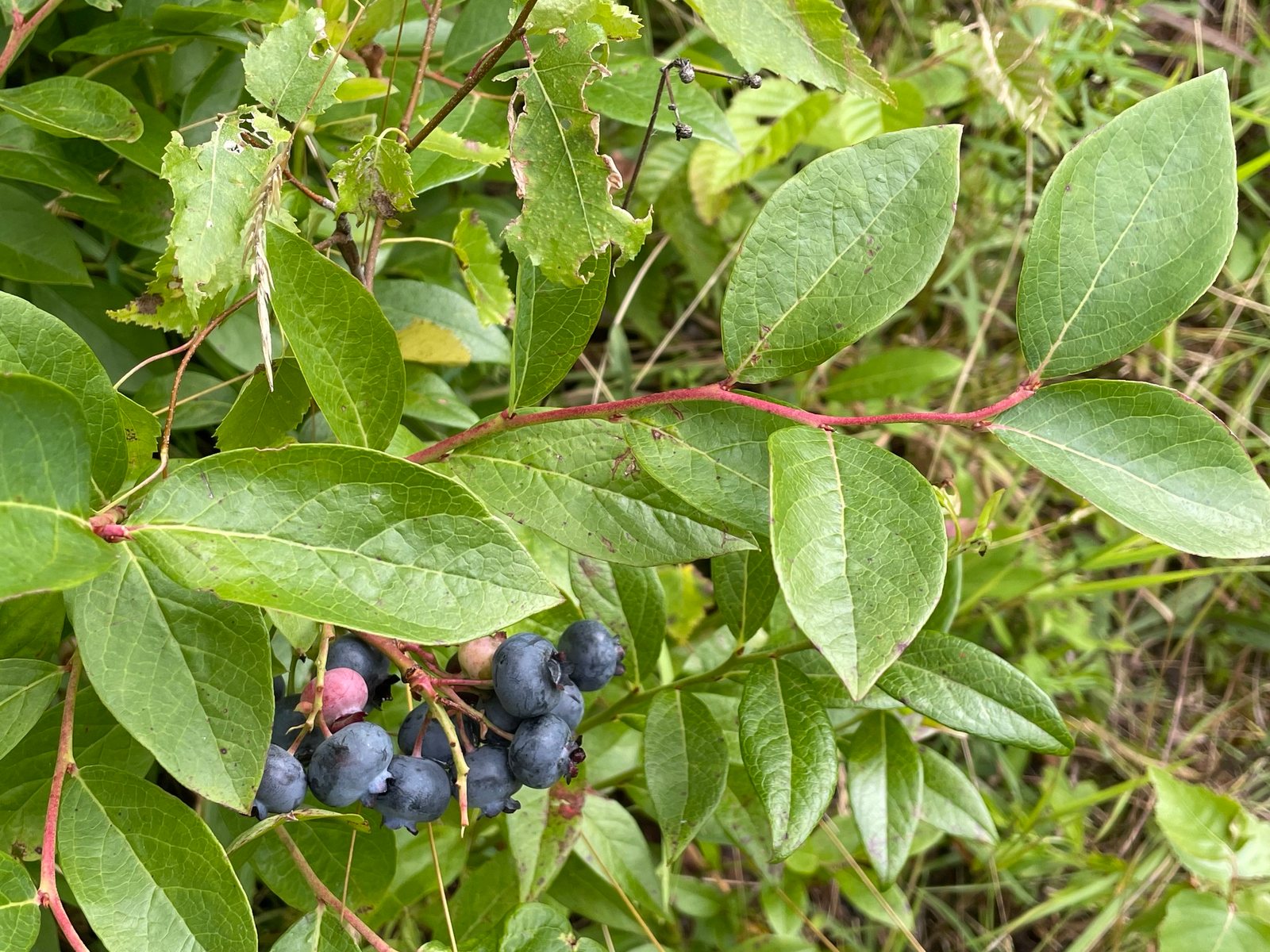
At a glance
- Sun
- Full sun gives the best crops; light partial shade is tolerated but reduces fruiting.
- Water
- Keep the shallow root zone evenly moist, especially during flowering and fruit swelling, without leaving it waterlogged.
- Soil
- Strongly acidic, humus-rich, moisture-retentive but well-drained soil, ideally pH 4.5-5.5. Use ericaceous compost in a large container if your soil is alkaline.
- Height
- 4-6 ft (1.2-1.8 m)
- Spread
- 4-6 ft (1.2-1.8 m)
- Flowers
- Spring; clusters of small, white to pale pink, bell-shaped flowers.
- Foliage
- Oval green leaves turn red, orange or burgundy in autumn before falling.
- Growth
- Moderate; usually takes several years to form a mature, productive bush.
- Care needed
- Medium
The year at a glance
- Pollinators
- Cold hardy
- Wildlife
- Low allergen
- Edible
| J | F | M | A | M | J | J | A | S | O | N | D | |
|---|---|---|---|---|---|---|---|---|---|---|---|---|
| Flowers | ||||||||||||
| Fruit | ||||||||||||
| Plant |
Northern hemisphere months. In Australia, shift them by six.
- Difficulty
- Moderate
- Toughness
- Fairly tough
Will it suit your garden?
Pick your zone, country, light and whether you have pets.
Full sun is 6 or more hours of direct sun a day, part shade 3 to 6 hours, shade under 3.
How it grows
Planting day
1.6 ft (0.5 m)
After 1 year
2.3 ft (0.7 m)
After 2 years
3 ft (0.9 m)
After 3 years
4 ft (1.1 m)
After 5 years
5 ft (1.5 m)
full size
About 5 years to full size.
From a typical nursery size, at an average rate for this kind of plant. A rule of thumb, not a forecast.
Good to know
- Cats and dogs
- Safe
- Native to
- the US and Canada
- Growth rate
- Moderate
Care
Jobs through the year
- WaterApr–May, Sep–Oct, every 7 days
- For established ground plants, water if rain is insufficient; use rainwater where tap water is alkaline.
- WaterJun–Aug, every 3 days
- Check shallow roots and water if drying; young bushes need more frequent checks.
- FeedMar–Apr
- Apply a light spring dose of blueberry fertiliser at the label rate.
- MulchMar–Apr
- Renew 5–8 cm of aged pine bark, keeping stems clear.
- PruneFeb–Mar
- Remove dead and weak wood; thin a few oldest canes from established bushes.
- ProtectApr–May
- Cover flowers with fleece during late frosts; uncover for pollination.
- DeadheadApr–May
- In the first growing season only, remove flowers to favour root establishment.
- ProtectJun–Aug
- Enclose ripening fruit with supported wildlife-safe netting and check it daily.
- HarvestJul–Aug
- Pick sweet berries that detach easily several days after turning fully blue.
- Water during dry spells, preferably with rainwater where tap water is alkaline.
- Mulch annually with 2-3 in (5-8 cm) of aged pine bark or similar acidic organic material, keeping it clear of the stems.
- Apply a blueberry or acid-loving plant fertiliser in spring at the labelled rate; avoid heavy feeding.
- Plant another northern highbush blueberry with overlapping flowering for better fruit set and larger berries, although Bluecrop is self-fertile.
- Remove flowers in the first growing season to help the roots establish.
- Protect ripening fruit with securely supported, taut wildlife-safe netting and check it daily.
Pruning. Prune in late winter while the bush is dormant, removing dead, damaged and crossing stems. Once established, remove a few of the oldest canes at ground level each year and thin weak, twiggy growth, retaining strong young canes.
Harvest
Pick berries in midsummer, usually July-August in the Northern Hemisphere and January-February in cooler parts of Australia, with timing varying by climate. Leave berries on the bush for several days after they turn fully blue, then pick those that detach easily and taste sweet. Expect the first worthwhile crop about 2-3 years after planting a nursery bush, with heavier crops as it matures.
Through the year
- Late winter
- Prune established bushes before growth starts, removing old canes and weak or damaged wood.
- Early spring
- Plant dormant or container-grown bushes while the ground is workable; check soil acidity.
- Spring
- Apply acid-loving plant fertiliser and renew the organic mulch.
- Late spring
- Keep roots moist through flowering and fruit set; protect flowers from late frost with horticultural fleece when practical.
- Early summer
- Install supported bird protection before berries start colouring.
- Midsummer
- Harvest ripe berries repeatedly and water thoroughly during dry weather.
- Autumn
- Remove fallen diseased fruit and check that winter drainage is adequate.
In the garden
- Plant in a dedicated acidic fruit bed with other northern highbush blueberries for a productive informal hedge.
- Use as an edible border shrub, combining spring flowers, summer fruit and autumn colour.
- Grow in a large container of ericaceous compost beside a sunny terrace where the garden soil is unsuitable.
- Include along a sunny woodland edge with acid-loving shrubs, keeping neighbouring roots from crowding its shallow root zone.
Garden styles it suits: Edible landscape, Potager (kitchen garden), Cottage garden, Woodland, Food forest and Autumn colour.
Plant it with: Other northern highbush blueberries, Lingonberries, Azaleas, Japanese pieris and Summer-flowering heathers.
Wildlife: The flowers provide nectar and pollen for bees, especially bumblebees. Birds eat the berries, so leave some accessible if you do not need the whole crop.
Problems to watch for
- Yellow leaves with green veins usually indicate iron deficiency from soil or water that is too alkaline; test pH and correct the growing medium rather than repeatedly adding general fertiliser.
- Birds can strip ripening berries; use a securely enclosed fruit cage or taut, supported wildlife-safe netting.
- Root rot and dieback develop in waterlogged ground; improve drainage or move the plant into a raised bed or container, and remove badly affected plants.
- Mummy berry disease causes shrivelled, hardened fruit, particularly in North America; collect and dispose of affected berries and fallen fruit, and refresh mulch before spring.
Safety
Not known to be toxic to people, cats, dogs or horses. Ripe berries are edible; leaves, stems and roots are not normally used as food.
Where it spreads. The species has escaped cultivation and can invade bogs and wet heathland in the Netherlands and parts of Germany. Avoid planting near sensitive peatland habitats in affected regions.
Easily confused with
Lowbush blueberry (Vaccinium angustifolium)
Usually forms a much shorter, spreading colony, with smaller leaves and berries, rather than a tall, upright bush.
Bilberry (Vaccinium myrtillus)
Has green, angular stems and usually solitary berries with dark purple flesh; Bluecrop has clustered berries with pale flesh.
Rabbiteye blueberry (Vaccinium virgatum)
Often grows taller and flowers and ripens later, with immature fruit commonly showing a pink stage. Appearance overlaps, so a reliable nursery label is the best way to confirm the species and cultivar.
The name
The species name corymbosum refers to its clustered flowers, while blueberry describes the blue skin of the ripe fruit.
Propagation. Root softwood cuttings in late spring or early summer, or hardwood cuttings taken during dormancy, using an acidic, free-draining medium. Seed-grown plants will not come true to 'Bluecrop'.
Checked against open data
- Accepted botanical name
- Vaccinium corymbosum
- In the US and Canada
- Native in Canada and the lower 48 states.
- Native range
- Alabama, Connecticut, Delaware, Florida, Georgia, Illinois, Indiana, Kentucky, Louisiana, Maine, Maryland and Masachusettes.
- Measured
- Soil pH 4.7 to 7.5. Average height 250 cm.
Sources: GBIF (CC BY 4.0), USDA PLANTS and Trefle (CC BY 4.0). The care and design notes are LandscapeGPT's own.
See it in your own yard.
Upload a photo of your yard and see it redesigned with plants that suit your climate, each checked against your zone.