Bower vine
Pandorea jasminoides. Family Bignoniaceae. Climber.
Also called Bower of beauty, Bower climber.
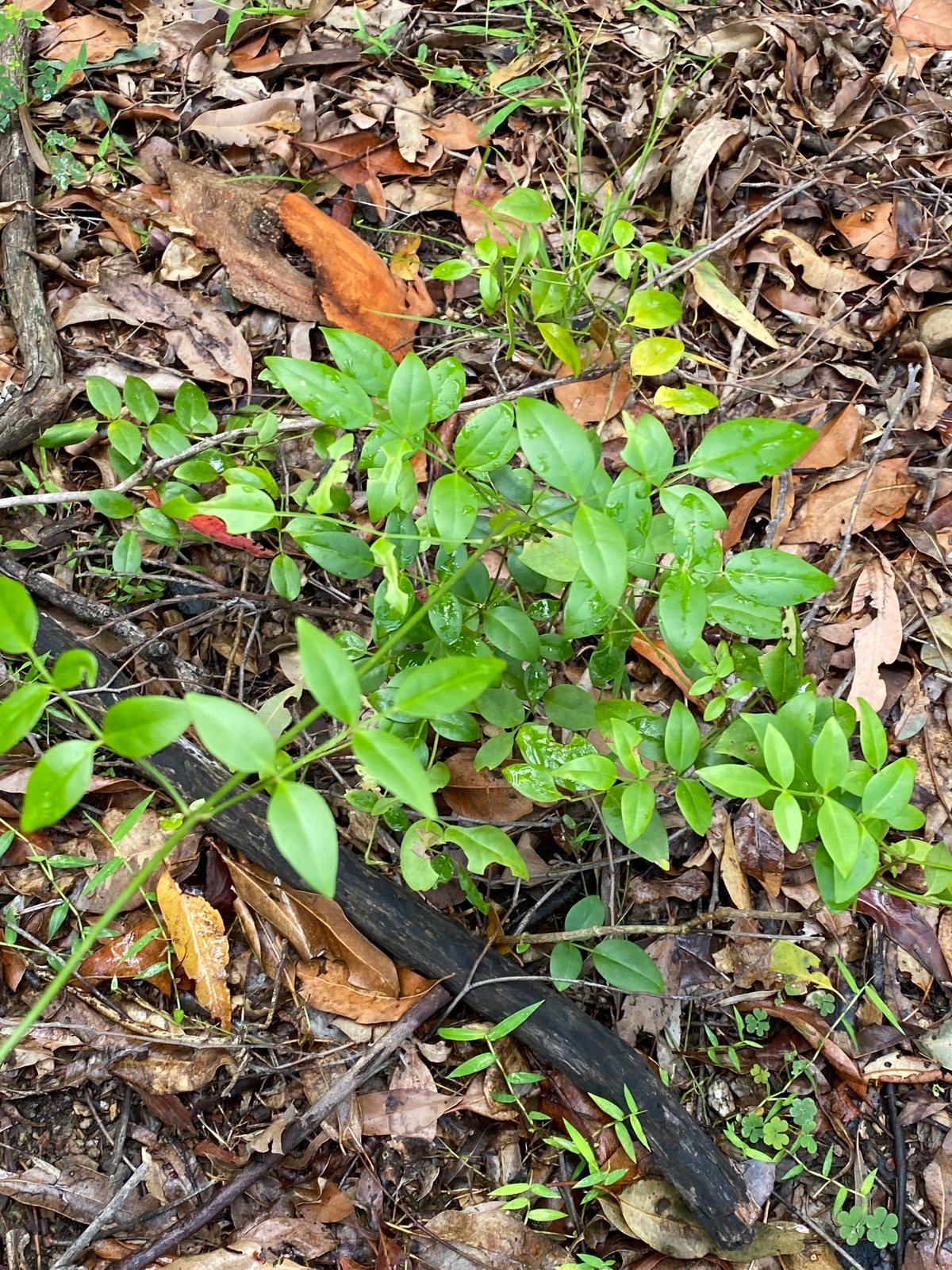
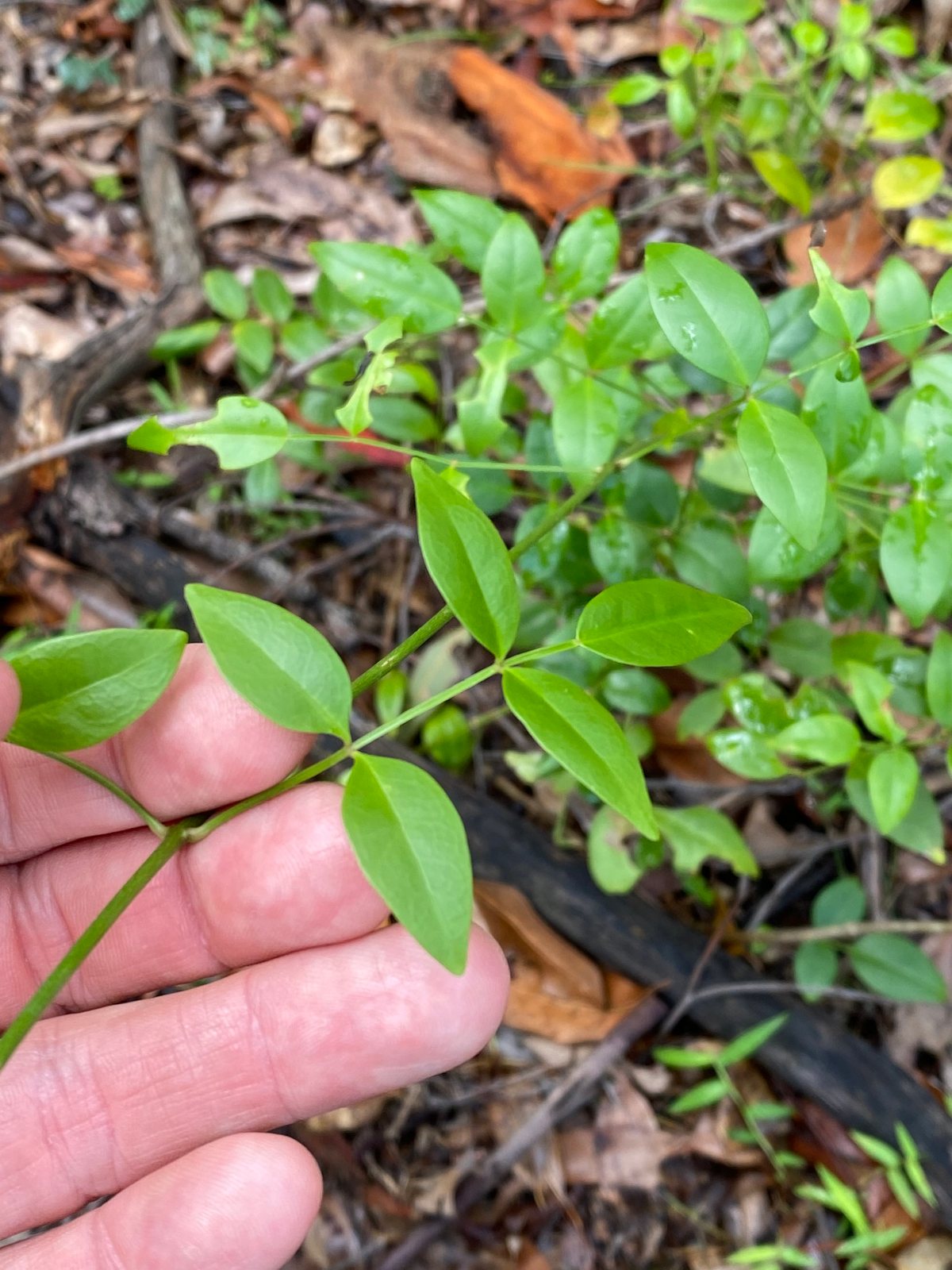
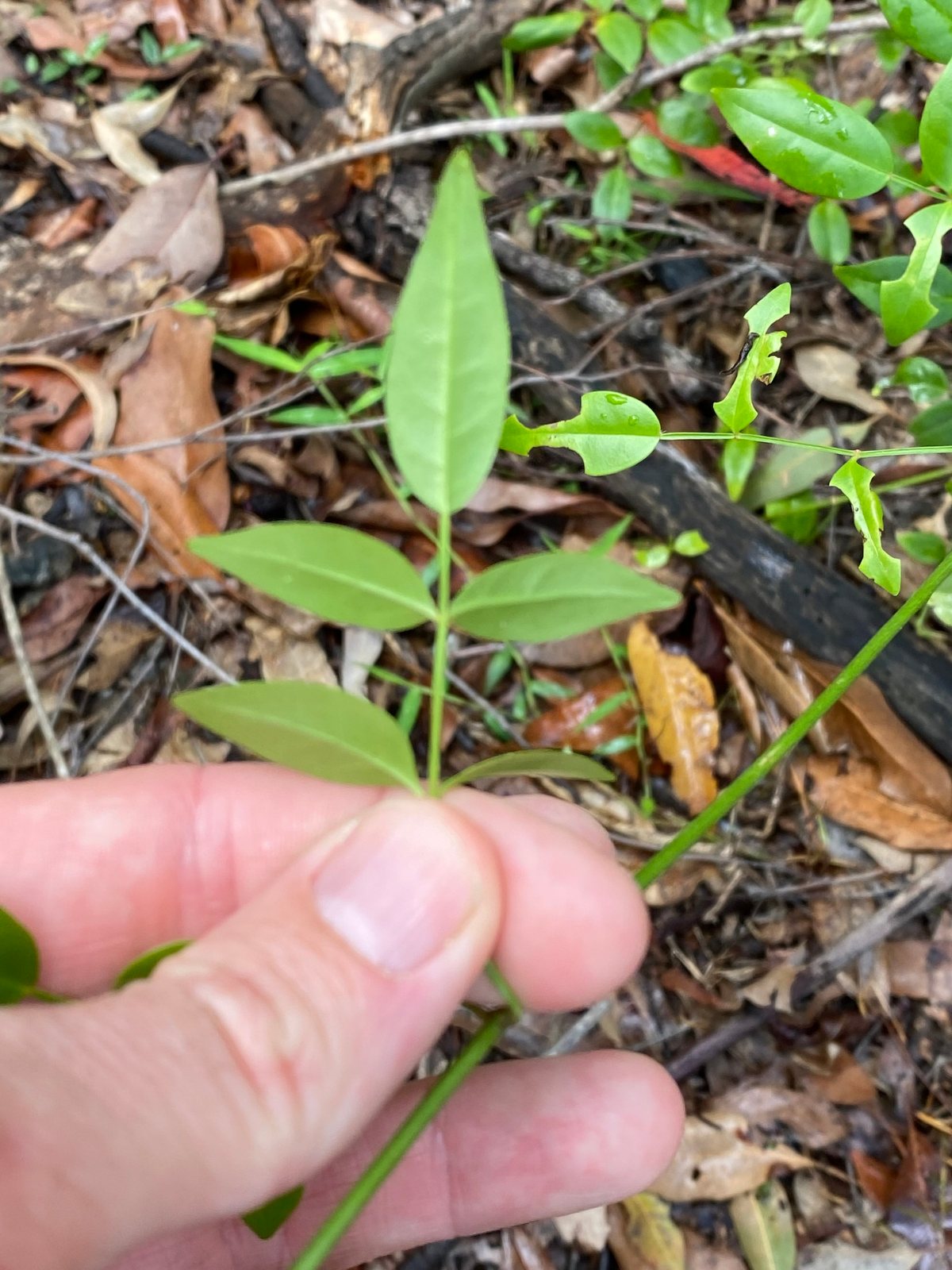
Bower vine is a vigorous, evergreen Australian climber grown for glossy foliage and pale pink trumpet flowers with darker pink throats. It covers trellises, arches and pergolas in warm, sheltered gardens; in colder regions, grow it in a large container and overwinter it under glass.
At a glance
- Sun
- Full sun to partial shade; flowering is best with plenty of sun. Choose a position sheltered from cold winds.
- Water
- Water regularly during establishment and dry summer weather. Established plants tolerate brief dry spells, but flower better with consistent moisture; reduce watering in winter.
- Soil
- Fertile, well-drained soil, from slightly acidic to slightly alkaline. Avoid waterlogged ground and use a free-draining potting mix in containers.
- Height
- 15-25 ft (4.5-7.5 m)
- Spread
- 6-12 ft (1.8-3.6 m)
- Flowers
- Late spring to autumn, with the main flush in summer; pale pink to nearly white trumpet flowers with deep pink throats.
- Foliage
- Glossy green leaves divided into usually five to seven oval leaflets; evergreen in frost-free conditions.
- Growth
- Fast in warm conditions with adequate water.
- Care needed
- Medium
The year at a glance
- Pollinators
- Heat tolerant
- Wildlife
- Low allergen
| J | F | M | A | M | J | J | A | S | O | N | D | |
|---|---|---|---|---|---|---|---|---|---|---|---|---|
| Flowers | ||||||||||||
| Plant |
Northern hemisphere months. In Australia, shift them by six.
- Difficulty
- Moderate
- Toughness
- Fairly tough
Will it suit your garden?
Pick your zone, country, light and whether you have pets.
Full sun is 6 or more hours of direct sun a day, part shade 3 to 6 hours, shade under 3.
How it grows
Planting day
2 ft (0.6 m)
After 1 year
3 ft (1.1 m)
After 2 years
5 ft (1.5 m)
After 3 years
6 ft (1.8 m)
full size
About 3 years to full size.
From a typical nursery size, at an average rate for this kind of plant. A rule of thumb, not a forecast.
Good to know
- Cats and dogs
- Safe
- Native to
- Australia
- Growth rate
- Fast
Care
Jobs through the year
- WaterApr–May, Sep–Oct, every 14 days
- Water established roots when upper soil dries; young plants and containers need more frequent watering.
- WaterJun–Aug, every 7 days
- Water established plants deeply during dry weather; check containers frequently.
- WaterJan–Mar, Nov–Dec, every 14 days
- For overwintered containers, keep compost barely moist and never leave standing water.
- FeedApr–May
- Apply balanced slow-release fertiliser at the label rate; avoid excess nitrogen.
- MulchApr–May
- Refresh compost or bark mulch without covering the stem base.
- PruneMar
- Remove dead growth and shorten crowded stems to healthy buds.
- PruneAug–Sep
- After the main flush, trim excessive shoots and tie retained growth to its support.
- ProtectJan–Apr, Sep–Dec
- Overwinter containers in bright, frost-free shelter; acclimatise outdoors after the last frost.
- Provide a sturdy trellis, wires or an arbour, and tie in young stems until they begin twining around the support.
- Water deeply when the upper soil begins to dry; do not leave containers standing in water.
- Apply a balanced, slow-release fertiliser in spring at the label rate; avoid heavy nitrogen feeding.
- Mulch the root area with composted bark or garden compost, keeping it clear of the stem base.
- Move container plants into a bright, frost-free space before cold weather arrives.
Pruning. In early spring, remove dead or frost-damaged growth and shorten overcrowded stems to healthy buds. After the main flower flush, trim long shoots and tie in retained growth to keep the plant within its support.
Through the year
- Early spring
- Remove dead growth, thin congested stems and check that supports and ties are secure.
- Spring
- Feed established plants and refresh the mulch without covering the stem base.
- Late spring
- Plant outdoors once frost risk has passed; gradually acclimatise overwintered container plants before moving them outside.
- Summer
- Water during dry spells and guide new shoots along their supports.
- Late summer
- Trim excessive growth after the main flowering flush and take semi-ripe cuttings.
- Autumn
- Bring container plants under cover before frost and reduce watering as growth slows.
- Winter
- Keep sheltered container plants in bright light, with the compost barely moist rather than wet.
In the garden
- Train over a pergola or entrance arch for overhead foliage and summer flowers.
- Cover a sunny trellis beside a patio, pairing it with agapanthus or society garlic below.
- Use on wires against a sheltered wall to soften masonry without a self-clinging climber.
- Grow in a large container with a permanent support in a courtyard, allowing space to move it under cover in cold climates.
Garden styles it suits: Australian native, Modern courtyard, Mediterranean, Romantic rose garden, Coastal and Modern tropical.
Plant it with: Agapanthus, Society garlic, Lomandra, Dwarf bottlebrush and Star jasmine.
Wildlife: The flowers attract bees and other nectar-feeding insects. Dense growth can provide shelter for small birds.
Problems to watch for
- Frost damage: leaves and shoots blacken after freezing weather; protect plants before frost and prune damaged stems once spring growth shows what has survived.
- Poor flowering: move container plants into stronger light and avoid excessive nitrogen fertiliser or repeated heavy trimming.
- Root rot in wet soil: improve drainage, reduce watering and never leave the pot standing in a water-filled saucer.
- Spider mites or whitefly under glass: inspect leaf undersides, improve ventilation and treat infestations with an insecticidal soap labelled for the pest and plant.
Safety
Not known to be toxic to cats, dogs, horses or people. It is not an edible plant; discourage eating any part, since plant material can still cause stomach upset.
Easily confused with
Wonga wonga vine (Pandorea pandorana)
Usually has smaller, narrower tubular flowers in larger clusters, often cream with brownish or purple markings, rather than the broad pink trumpets of bower vine.
Pink trumpet vine (Podranea ricasoliana)
Has larger clusters of pink, veined trumpets and leaves with more numerous, toothed leaflets; its long stems scramble rather than twine strongly around supports.
Star jasmine (Trachelospermum jasminoides)
Has simple, undivided leaves and small, strongly scented white pinwheel flowers, not compound leaves and broad trumpet flowers.
The name
The species name jasminoides means jasmine-like, referring to its resemblance to jasmine.
Propagation. Take semi-ripe cuttings in summer and root them in a free-draining propagation mix with warmth and humidity. Seed can also be sown in warm conditions, but seedlings may differ from named cultivars.
Checked against open data
- Accepted botanical name
- Pandorea jasminoides
- Native range
- Queensland.
Sources: GBIF (CC BY 4.0) and Trefle (CC BY 4.0). The care and design notes are LandscapeGPT's own.
See it in your own yard.
Upload a photo of your yard and see it redesigned with plants that suit your climate, each checked against your zone.