Bowles' golden sedge
Carex elata 'Aurea'. Family Cyperaceae. Ornamental grass.
Also called Bowles' golden grass, Golden tufted sedge.
Bowles' golden sedge is a clump-forming perennial sedge with upright, arching golden leaves edged in green. Grow it for bright foliage beside ponds, in rain gardens or in consistently moist borders; it is not suitable for dry ground.
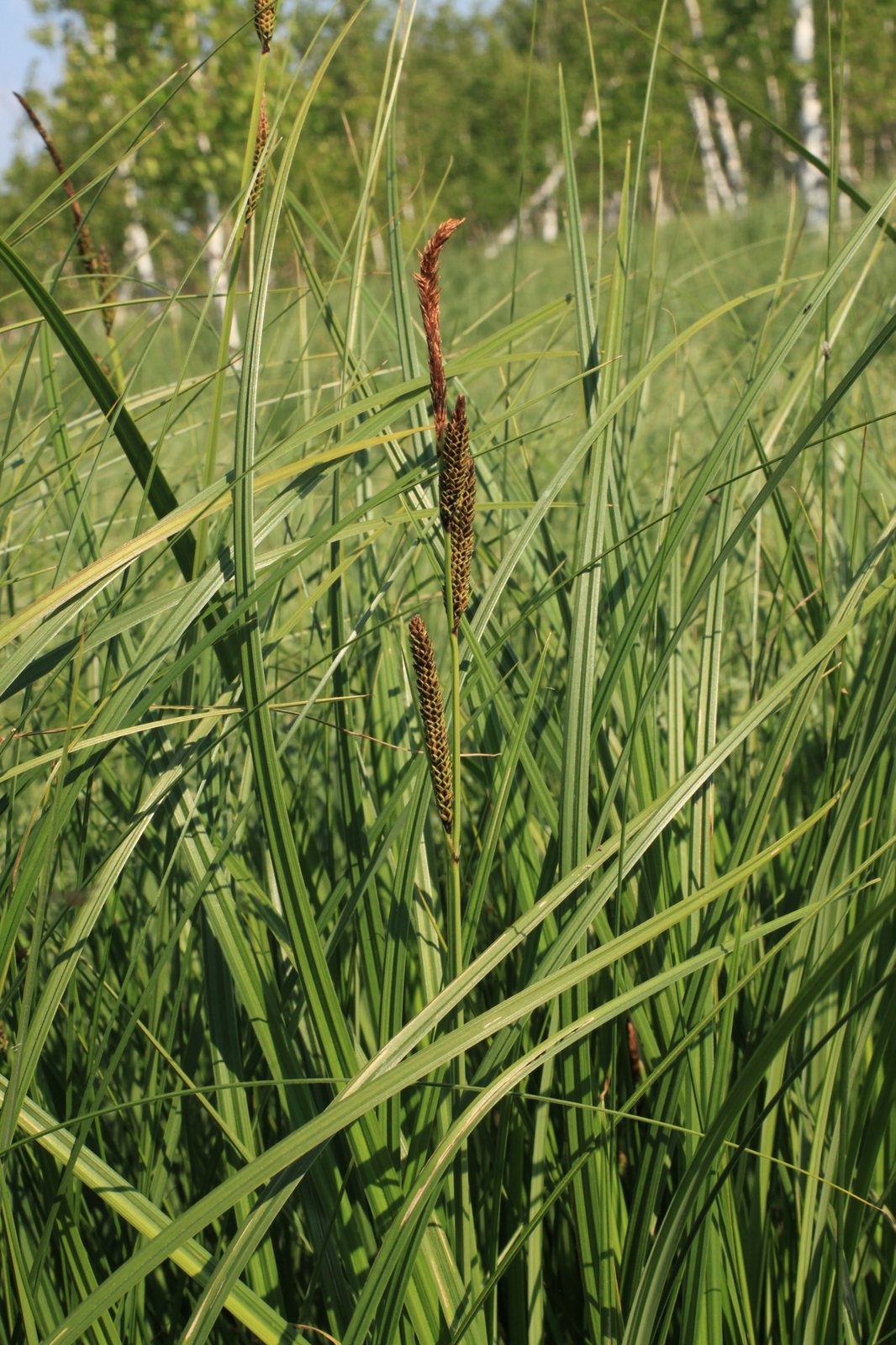
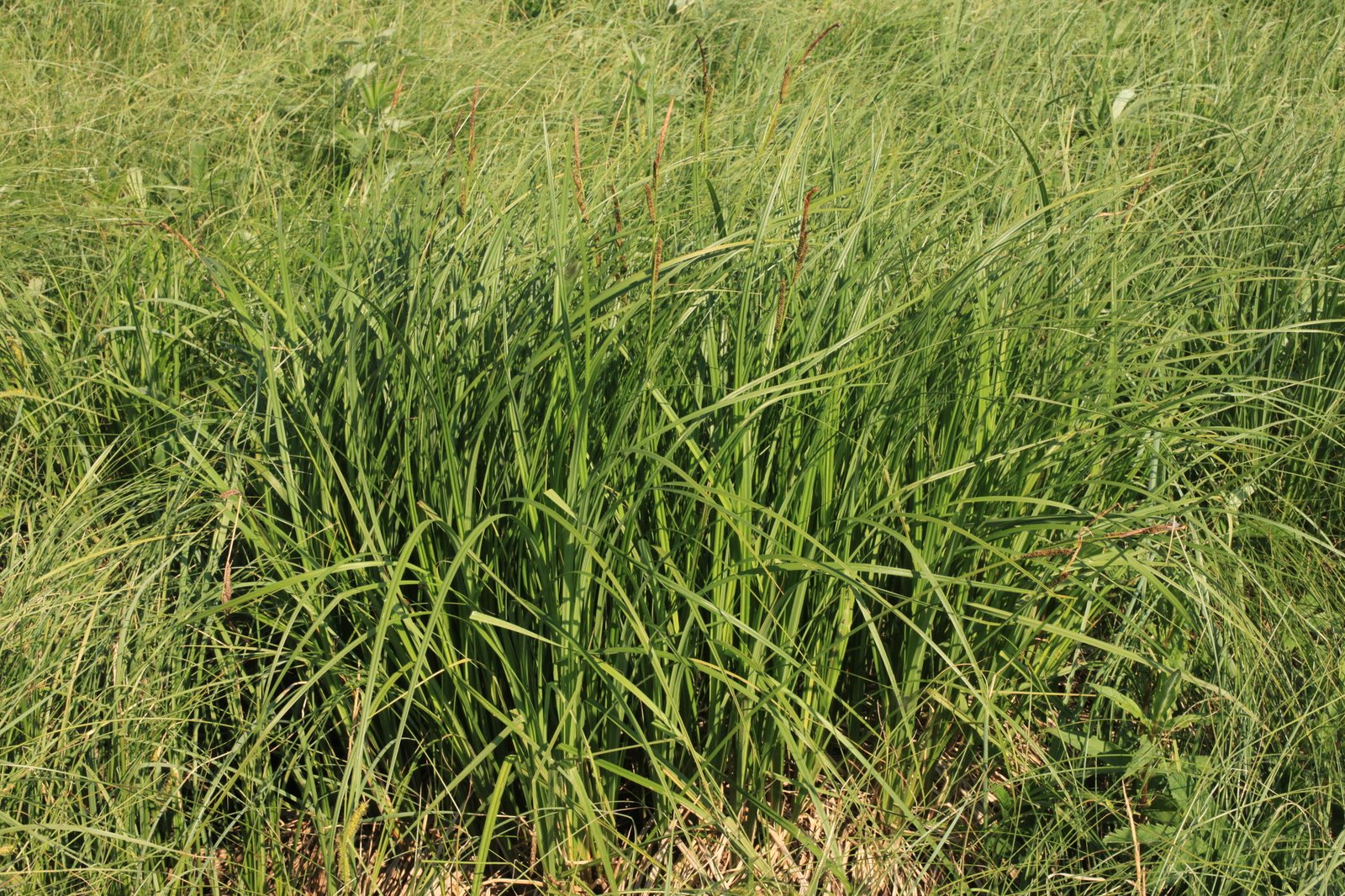
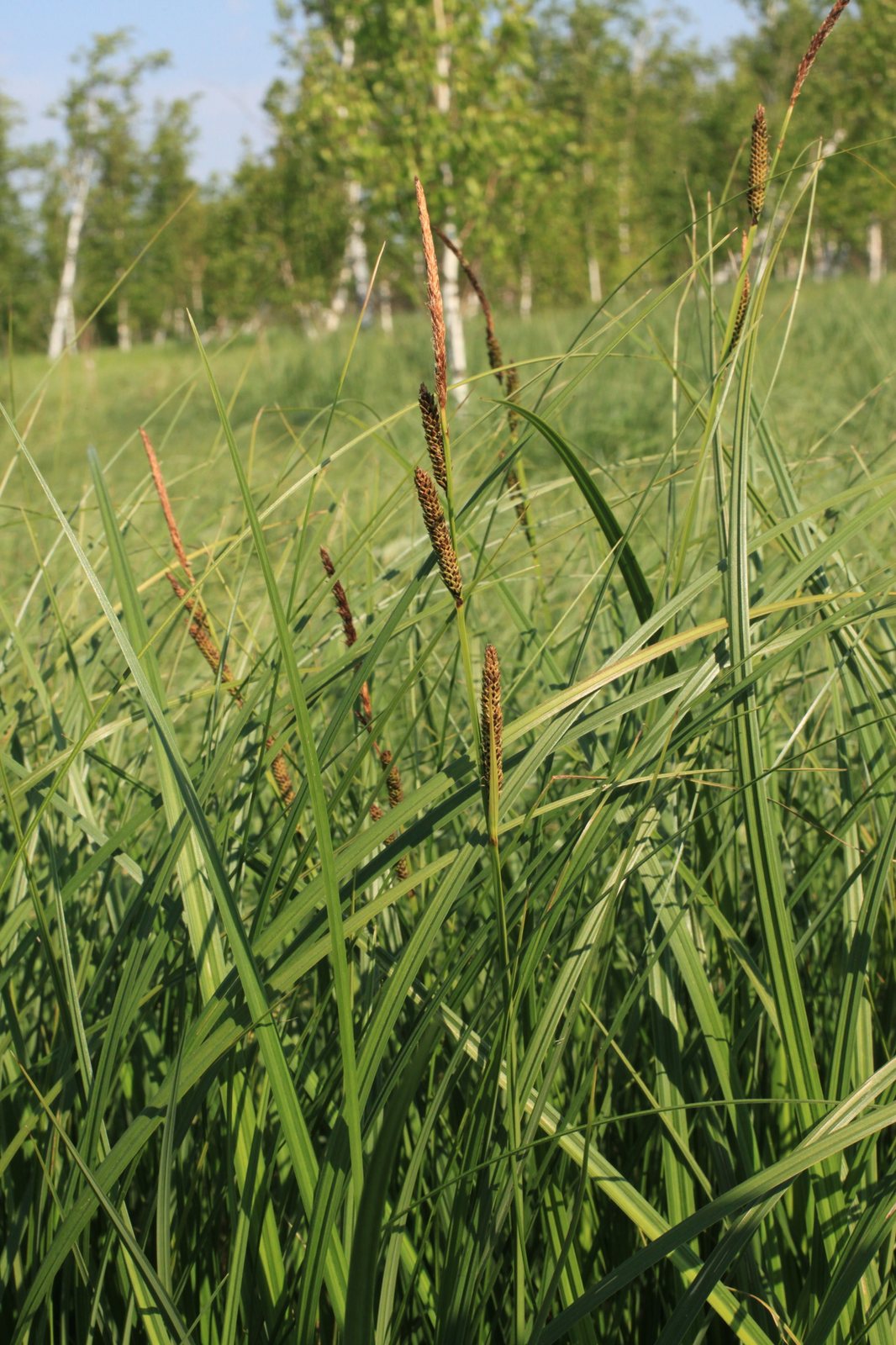
At a glance
- Sun
- Full sun to partial shade; afternoon shade helps prevent scorching in hot climates.
- Water
- High; keep the root zone consistently moist or wet. Tolerates waterlogged soil but suffers if allowed to dry out.
- Soil
- Moisture-retentive, humus-rich soil, including heavy clay; tolerates poorly drained ground and a broad range of soil pH.
- Height
- 2-3 ft (0.6-0.9 m)
- Spread
- 1.5-2.5 ft (0.45-0.75 m)
- Foliage
- Narrow, golden-yellow leaves with fine green margins form upright tufts that arch outward. Usually deciduous, though some foliage may persist through mild winters.
- Growth
- Moderate
- Care needed
- Low
The year at a glance
- Deer resistant
- Wildlife
| J | F | M | A | M | J | J | A | S | O | N | D | |
|---|---|---|---|---|---|---|---|---|---|---|---|---|
| Plant |
Northern hemisphere months. In Australia, shift them by six.
- Difficulty
- Easy
- Toughness
- Fairly tough
Will it suit your garden?
Pick your zone, country, light and whether you have pets.
Full sun is 6 or more hours of direct sun a day, part shade 3 to 6 hours, shade under 3.
How it grows
Planting day
1.1 ft (0.35 m)
After 1 year
1.7 ft (0.51 m)
After 2 years
2.2 ft (0.67 m)
After 3 years
2.5 ft (0.75 m)
full size
About 3 years to full size.
From a typical nursery size, at an average rate for this kind of plant. A rule of thumb, not a forecast.
Good to know
- Cats and dogs
- Safe
- Native to
- the UK
- Growth rate
- Moderate
Care
Jobs through the year
- WaterMar–May, Sep–Oct, every 7 days
- Keep established ground-grown clumps consistently moist; skip watering in wet soil and check new plants more often.
- WaterJun–Aug, every 3 days
- Water as needed to prevent drying; naturally wet pond-edge plants may need none, while new plants need closer checks.
- PruneFeb–Mar
- Cut dead foliage to 5–10 cm before growth starts, retaining any healthy green leaves.
- MulchMar–Apr
- Apply a thin compost mulch around the clump, leaving the crown uncovered.
- DivideMar–Apr
- Divide crowded clumps or those with dead centres; replant with crowns at the soil surface.
- Water during dry spells so the root zone never dries out completely.
- Plant at the pond edge or in wet soil, keeping the crown near the soil surface rather than deeply submerged.
- Apply a thin layer of compost in spring; routine heavy feeding is unnecessary.
- Mulch around the clump to conserve moisture, keeping mulch clear of the crown.
- Divide in spring when the clump becomes crowded or develops a dead centre.
Pruning. In late winter or early spring, before new shoots lengthen, cut dead foliage back to about 2-4 in (5-10 cm) above the crown. Where leaves remain green through winter, remove only dead or damaged growth.
Through the year
- Late winter
- Remove dead foliage before fresh growth emerges.
- Spring
- Plant or divide clumps and water them thoroughly.
- Mid-spring
- Top-dress with compost and renew the moisture-conserving mulch.
- Summer
- Check soil moisture during hot or dry weather and water deeply when needed.
- Autumn
- Leave sound foliage standing, but remove collapsed or diseased leaves.
In the garden
- Plant beside a pond to contrast golden leaves with dark water.
- Repeat clumps through a moist border to link groups of flowering perennials.
- Pair with broad-leaved hostas for contrasting leaf shape and colour in partial shade.
- Use in a rain garden's wetter areas, provided the soil stays moist between storms.
Garden styles it suits: Bog garden, Woodland, Japanese, New perennial (prairie), Cottage garden and Green on green.
Plant it with: Hostas, Astilbes, Japanese irises, Siberian irises, Rodgersias and Marsh marigolds.
Wildlife: Dense clumps provide shelter for small invertebrates. The wind-pollinated flowers offer little value to nectar-seeking insects.
Problems to watch for
- Brown leaf tips or scorched patches: restore consistent soil moisture and provide afternoon shade in hot locations.
- Dull green foliage: deep shade reduces the golden colour; move to a brighter position with adequate moisture.
- Rust: remove affected foliage, clear fallen leaves and improve airflow around crowded clumps.
- Dead centre in an old clump: lift and divide in spring, replanting healthy outer sections.
Safety
Not known to be toxic to cats, dogs, horses or people. No part is recognised as poisonous, although eating coarse foliage may cause digestive upset and leaf edges can scratch skin.
Easily confused with
Evergold Japanese sedge (Carex oshimensis 'Evergold')
Forms a lower, more cascading, usually evergreen mound with a cream-yellow stripe down the centre of each green-edged leaf.
Bowles' golden grass (Milium effusum 'Aureum')
A true grass with broader, softer yellow leaves and loose, airy flower panicles, rather than the narrow leaves and compact flower spikes of the sedge.
The name
The cultivar honours British plantsman E. A. Bowles, while the Latin epithet 'Aurea' means golden.
Propagation. Divide established clumps in spring as growth starts, keeping roots and several shoots on each division. Seedlings do not reliably retain the cultivar's golden foliage.
Checked against open data
- Accepted botanical name
- Carex elata
- Native range
- Algeria, Altay, Austria, Baltic States, Belarus, Belgium, Central European Rus, Corse, Czechoslovakia, Denmark, East European Russia and Finland.
- Measured
- Average height 35 cm.
Sources: GBIF (CC BY 4.0) and Trefle (CC BY 4.0). The care and design notes are LandscapeGPT's own.
See it in your own yard.
Upload a photo of your yard and see it redesigned with plants that suit your climate, each checked against your zone.