Box honeysuckle 'Baggesen's Gold'
Lonicera nitida 'Baggesen's Gold'. Family Caprifoliaceae. Shrub.
Also called Golden box honeysuckle, Golden shrubby honeysuckle, Lonicera nitida 'Baggesen's Gold'.
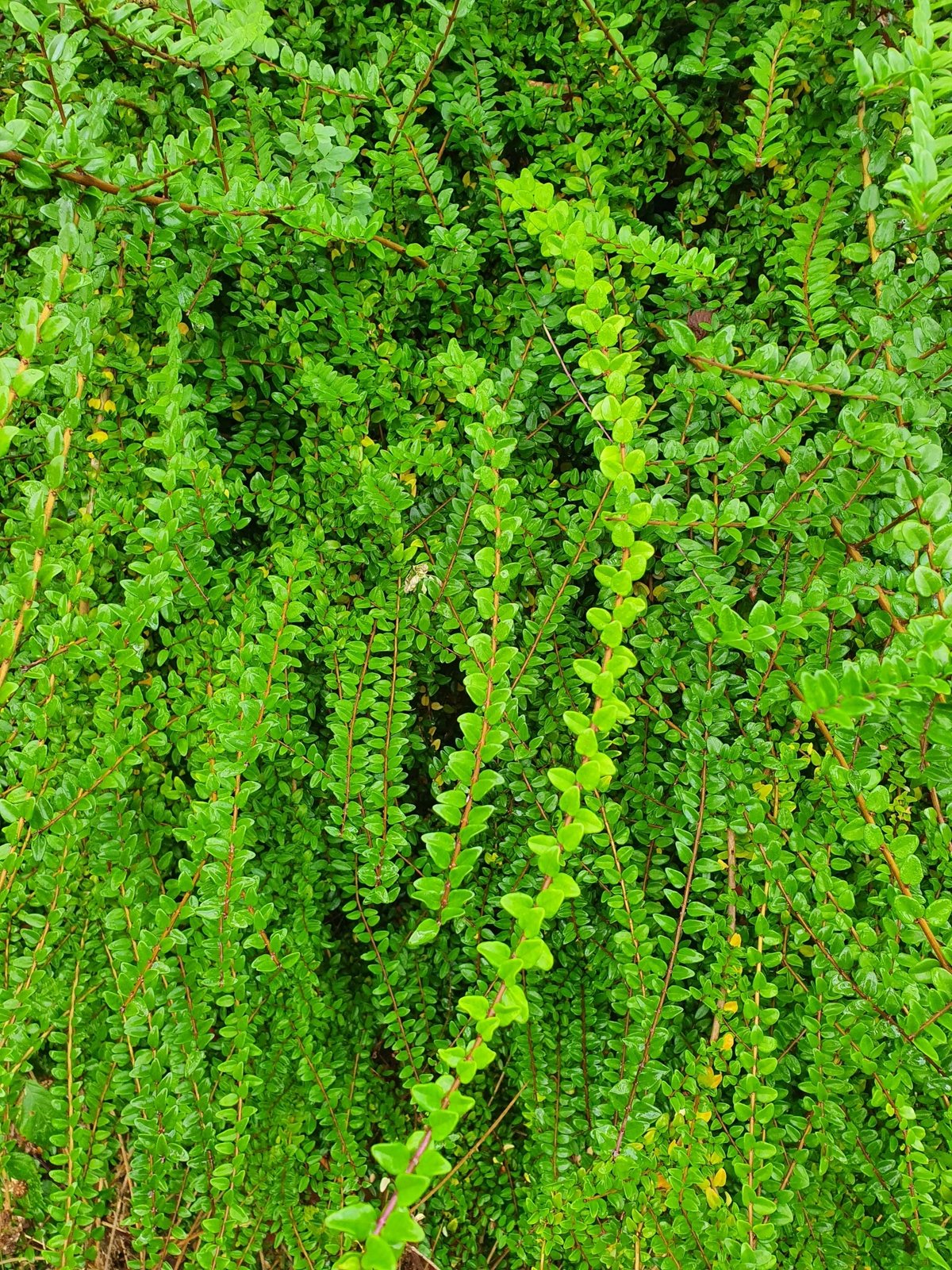
A dense evergreen shrub with tiny golden leaves and fine, arching branches, grown for clipped hedges, topiary and bright foliage contrasts. It grows quickly and tolerates regular trimming, but its colour fades in deep shade and exposed foliage can scorch in hot sun or cold, drying winds.
At a glance
- Sun
- Full sun to partial shade; provide afternoon shade in hot climates. Light shade gives a useful balance between golden colour and protection from scorching.
- Water
- Water regularly during establishment. Once established, water deeply during prolonged dry spells; avoid persistently wet soil.
- Soil
- Well-drained soil with moderate fertility; tolerates clay, loam, sand and a broad pH range if drainage is adequate.
- Height
- 5-8 ft (1.5-2.4 m) untrimmed
- Spread
- 5-8 ft (1.5-2.4 m) untrimmed
- Flowers
- Small, creamy-white flowers in late spring, usually inconspicuous among the leaves and often removed by clipping.
- Foliage
- Evergreen. Tiny, opposite, oval leaves, golden yellow on young growth and in good light, becoming yellow-green in shade. Fine branches give an unclipped plant a loose, arching outline.
- Growth
- Fast
- Care needed
- Medium
The year at a glance
- Pollinators
- Drought tolerant
- Heat tolerant
- Wildlife
- Low allergen
| J | F | M | A | M | J | J | A | S | O | N | D | |
|---|---|---|---|---|---|---|---|---|---|---|---|---|
| Flowers | ||||||||||||
| Fruit | ||||||||||||
| Plant |
Northern hemisphere months. In Australia, shift them by six.
- Difficulty
- Easy
- Toughness
- Very tough
Will it suit your garden?
Pick your zone, country, light and whether you have pets.
Full sun is 6 or more hours of direct sun a day, part shade 3 to 6 hours, shade under 3.
How it grows
Planting day
1.6 ft (0.5 m)
After 1 year
3 ft (0.95 m)
After 2 years
5 ft (1.4 m)
After 3 years
6 ft (1.8 m)
After 5 years
6 ft (2 m)
full size
About 3 years to full size.
From a typical nursery size, at an average rate for this kind of plant. A rule of thumb, not a forecast.
Good to know
- Cats and dogs
- Mildly toxic: may upset a stomach
- Invasive in
- Australia
- In the garden
- Spreads vigorously: plan to contain it.
- Growth rate
- Fast
Care
Jobs through the year
- WaterApr–May, Sep–Oct, every 21 days
- Water established shrubs only during prolonged dry spells; water new plants whenever roots begin drying.
- WaterJun–Aug, every 14 days
- Water established shrubs deeply during prolonged drought; give afternoon shade if golden foliage scorches.
- MulchMar–Apr
- Apply 5–8 cm of organic mulch, keeping it away from the stems.
- FeedMar–Apr
- Feed lightly only if growth is weak or soil is poor; excess feeding increases clipping work.
- PruneMar
- Remove winter damage and green reversions; hard-prune overgrown plants only if renovation is needed.
- PruneMay, Jul
- Trim hedges as needed after checking for nesting birds; keep the base wider than the top. Clipping reduces flowers and berries.
- ProtectJan–Feb, Nov–Dec
- Shelter young plants from cold, drying winds, especially in exposed zone 6 gardens.
- Water deeply through the first growing season whenever the root zone begins to dry.
- Apply a 2-3 in (5-8 cm) organic mulch in spring, keeping it clear of the stems.
- Feed lightly in spring only if growth is weak or the soil is poor; heavy feeding produces extra clipping work.
- Protect young plants from drying winds and strong afternoon sun in hot districts.
- Remove any strongly green shoots at their point of origin to preserve the golden foliage.
Pruning. Trim hedges and topiary in late spring and again in midsummer as needed, keeping the base wider than the top; check for nesting birds first. Renovate overgrown plants by cutting back hard in early spring, and avoid heavy clipping late in the growing season.
Through the year
- Early spring
- Remove winter-damaged shoots and renovate overgrown plants before strong new growth begins.
- Spring
- Plant when soil is workable, water thoroughly and mulch around the root zone.
- Late spring
- Give established hedges their first trim after checking for nesting birds.
- Summer
- Water during prolonged dry weather and watch for leaf scorch in exposed positions.
- Midsummer
- Lightly reshape clipped plants and take semi-ripe cuttings.
- Autumn
- Plant in mild regions while the soil remains warm; avoid hard pruning before winter.
- Winter
- Check exposed plants for wind damage and keep container compost from drying out completely.
In the garden
- Clip into low golden hedges to outline paths, beds or formal compartments.
- Shape into rounded mounds or simple topiary for contrast with grasses and loose perennials.
- Use behind purple-leaved shrubs or dark evergreens to make their foliage stand out.
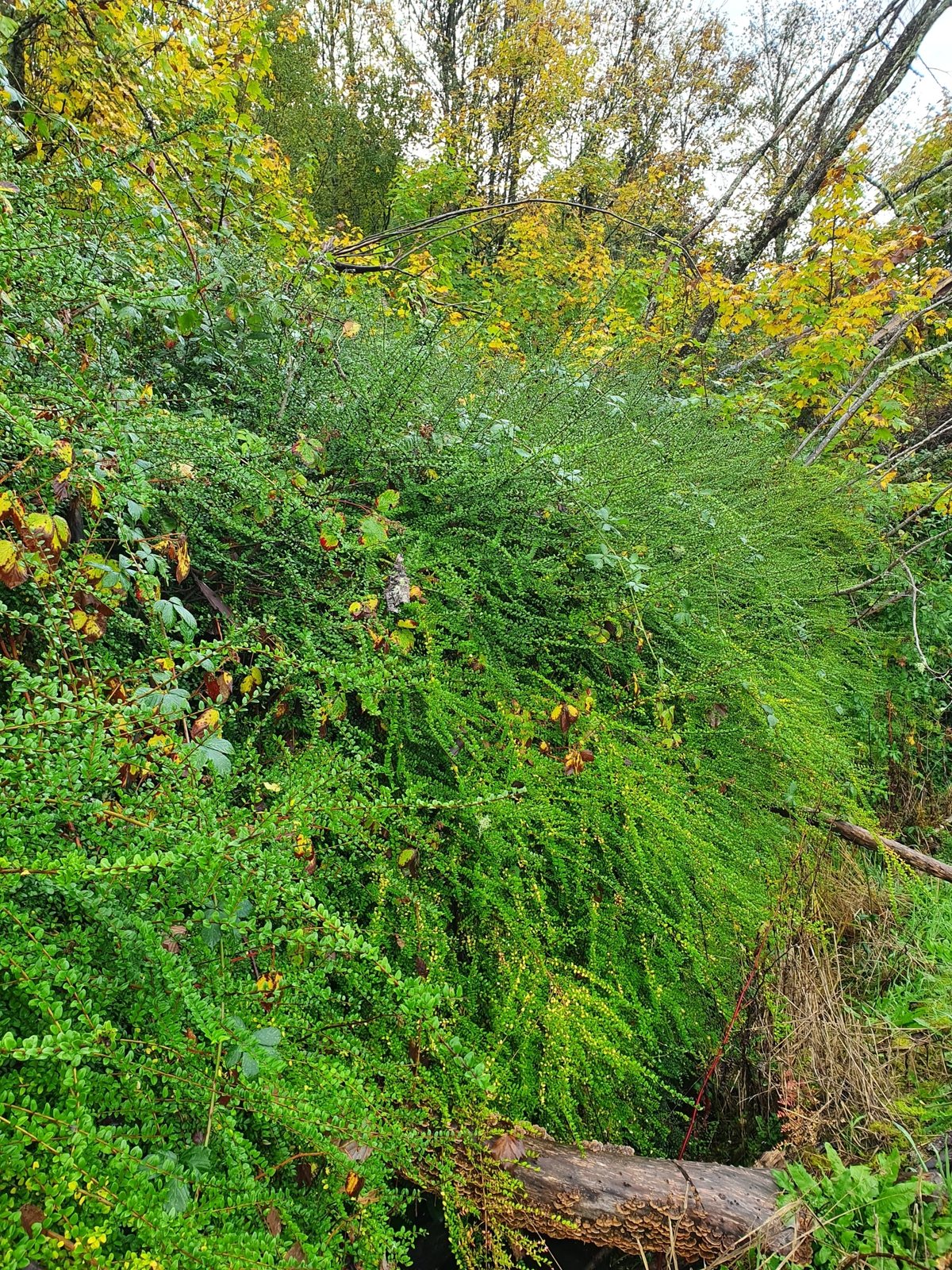
- Allow an informal, arching shape in mixed borders where its fine texture softens larger leaves.
Garden styles it suits: Formal, Topiary garden, Tudor knot garden, English country, Modern courtyard and Winter interest.
Plant it with: Purple-leaved Japanese barberry, Hardy geranium, Catmint, Japanese forest grass, Hellebore and Yew.
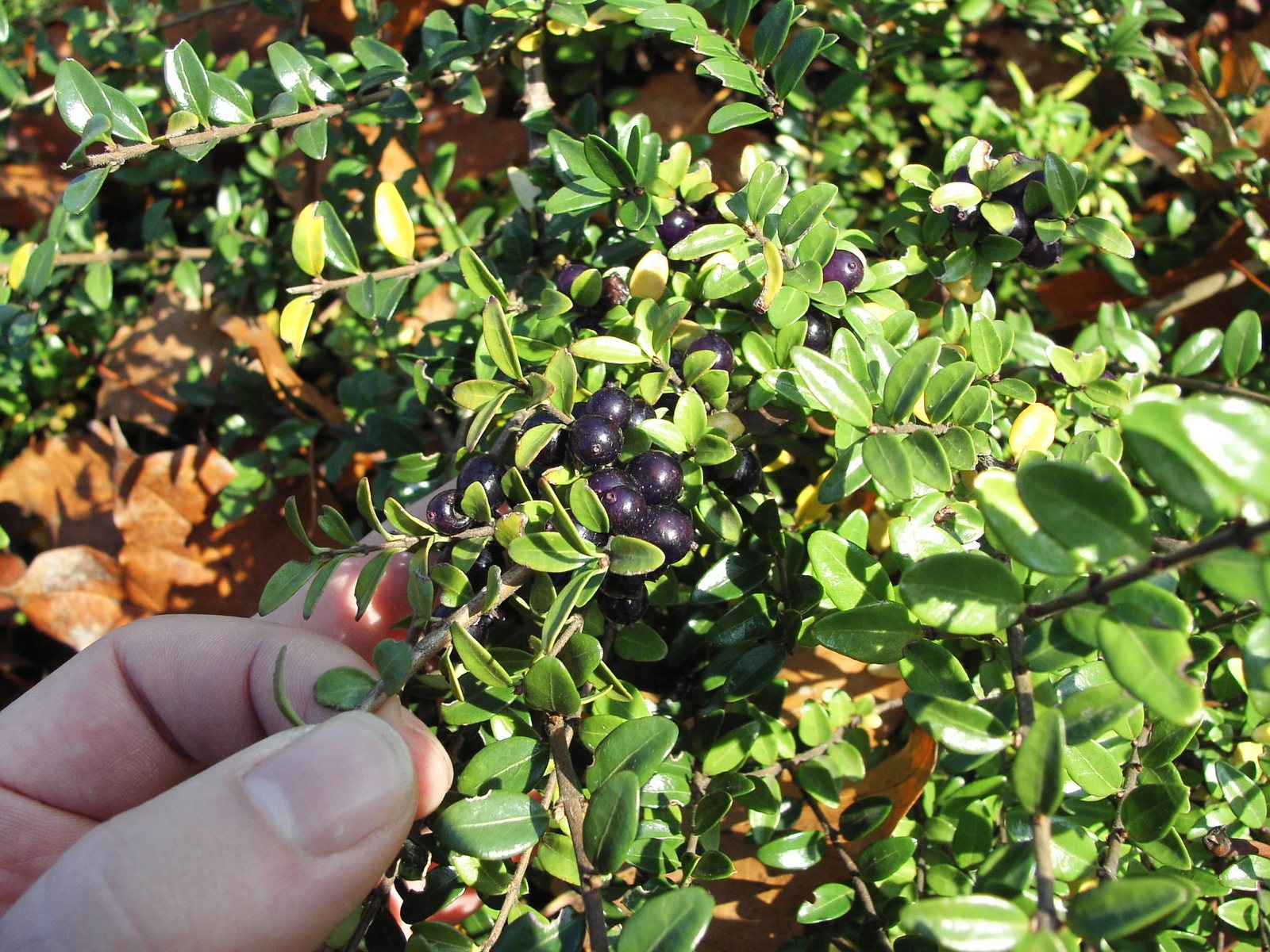
Wildlife: Unclipped flowers provide some food for insects, and dense growth offers shelter for small birds. Purple berries may be eaten and dispersed by birds; frequent clipping greatly reduces flowers and fruit.
Problems to watch for
- Brown or bleached leaves: hot sun, drought or cold winds can scorch foliage. Water the root zone, mulch and provide shelter or afternoon shade.
- Sparse, greener growth: deep shade reduces colour and density. Move to brighter light or reduce surrounding shade.
- Aphids on soft shoots: wash off small colonies with water and encourage natural predators; avoid unnecessary nitrogen feeding.
- Yellowing and dieback in wet soil: check drainage and reduce watering. Move the plant to better-drained ground if the root zone stays saturated.
Safety
The berries are not edible and may cause nausea, vomiting or diarrhoea if swallowed by people. Reliable species-specific information for cats, dogs and horses is limited, so keep pets and livestock from eating the berries or foliage rather than treating this shrub as safe.
Where it spreads. Lonicera nitida can escape through bird-dispersed seed and stems rooting where they touch soil. It is an environmental weed in parts of southeastern Australia, including Victoria and Tasmania, and is naturalised in New Zealand. These concerns apply to the species; golden cultivars should not be assumed sterile.
Easily confused with
Common box (Buxus sempervirens)
Box has thicker, more leathery leaves, generally with rounded tips, and slower, sturdier growth. Box honeysuckle has finer, more flexible shoots and thinner leaves.
Wilson's honeysuckle (Lonicera ligustrina var. pileata)
Usually a lower, more spreading shrub with longer, narrower green leaves; 'Baggesen's Gold' has much smaller golden leaves and a more upright, arching habit.
Golden Japanese holly (Ilex crenata)
Japanese holly has alternate leaves with small rounded teeth along their margins; box honeysuckle has opposite leaves with smooth margins.
The name
Lonicera honours the German botanist Adam Lonicer, while nitida means shining, referring to the glossy foliage.
Propagation. Take semi-ripe cuttings in summer and root them in a free-draining medium under humid conditions. Layer low branches where they touch the soil; seed does not reliably preserve the cultivar's golden foliage.
Checked against open data
- Accepted botanical name
- Lonicera pileata yunnanensis Lonicera nitida 'Baggesen's Gold' is an older name for Lonicera pileata yunnanensis.
Sources: GBIF (CC BY 4.0). The care and design notes are LandscapeGPT's own.
See it in your own yard.
Upload a photo of your yard and see it redesigned with plants that suit your climate, each checked against your zone.