Bridal wreath 'Arguta'
Spiraea × arguta. Family Rosaceae. Shrub.
Also called Bridal wreath spirea, Foam of May.
A deciduous shrub with arching branches covered in small white flowers in spring. Grow it for its fountain-shaped outline and abundant blossom, allowing enough room for the stems to spread naturally.
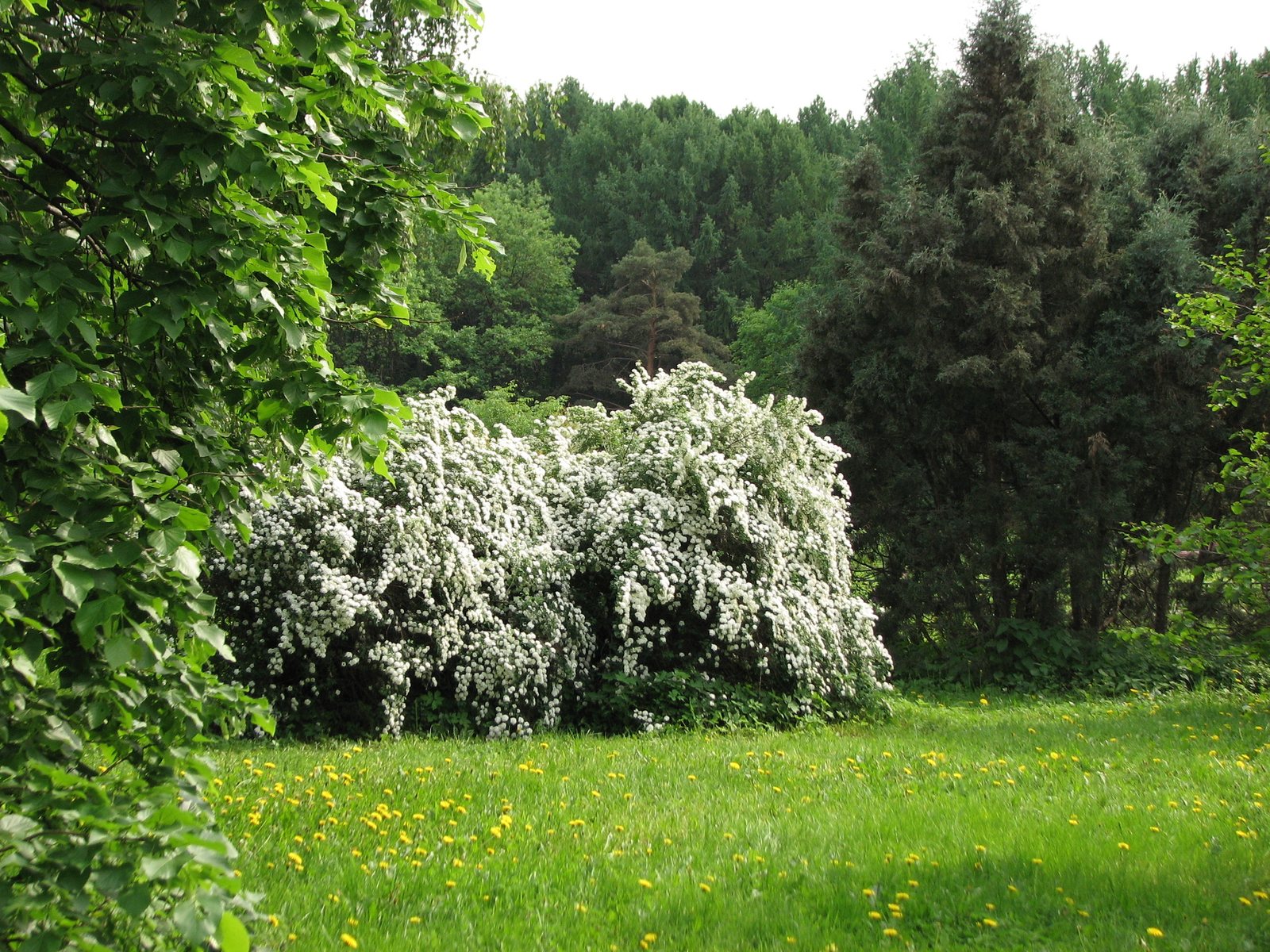
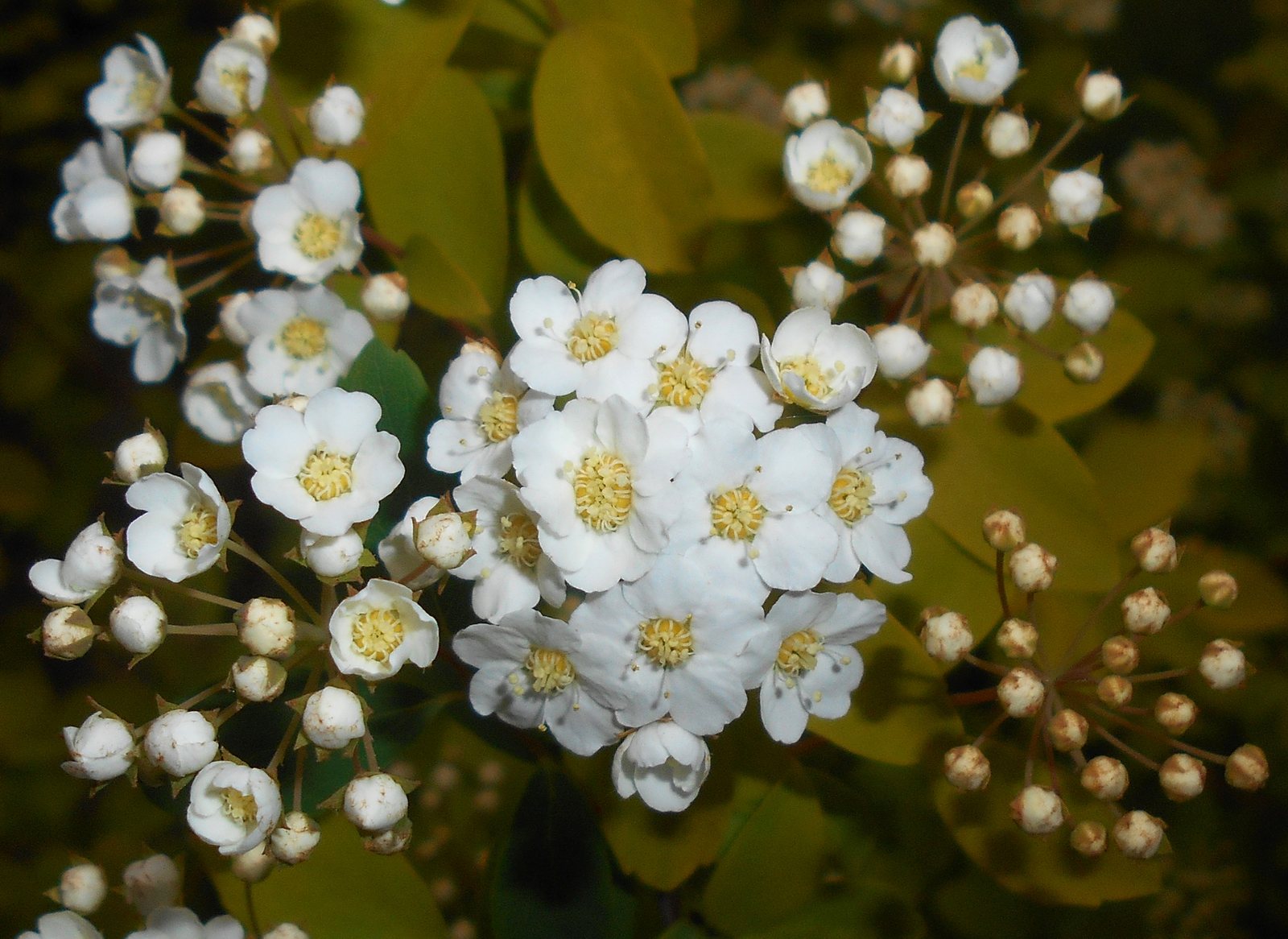
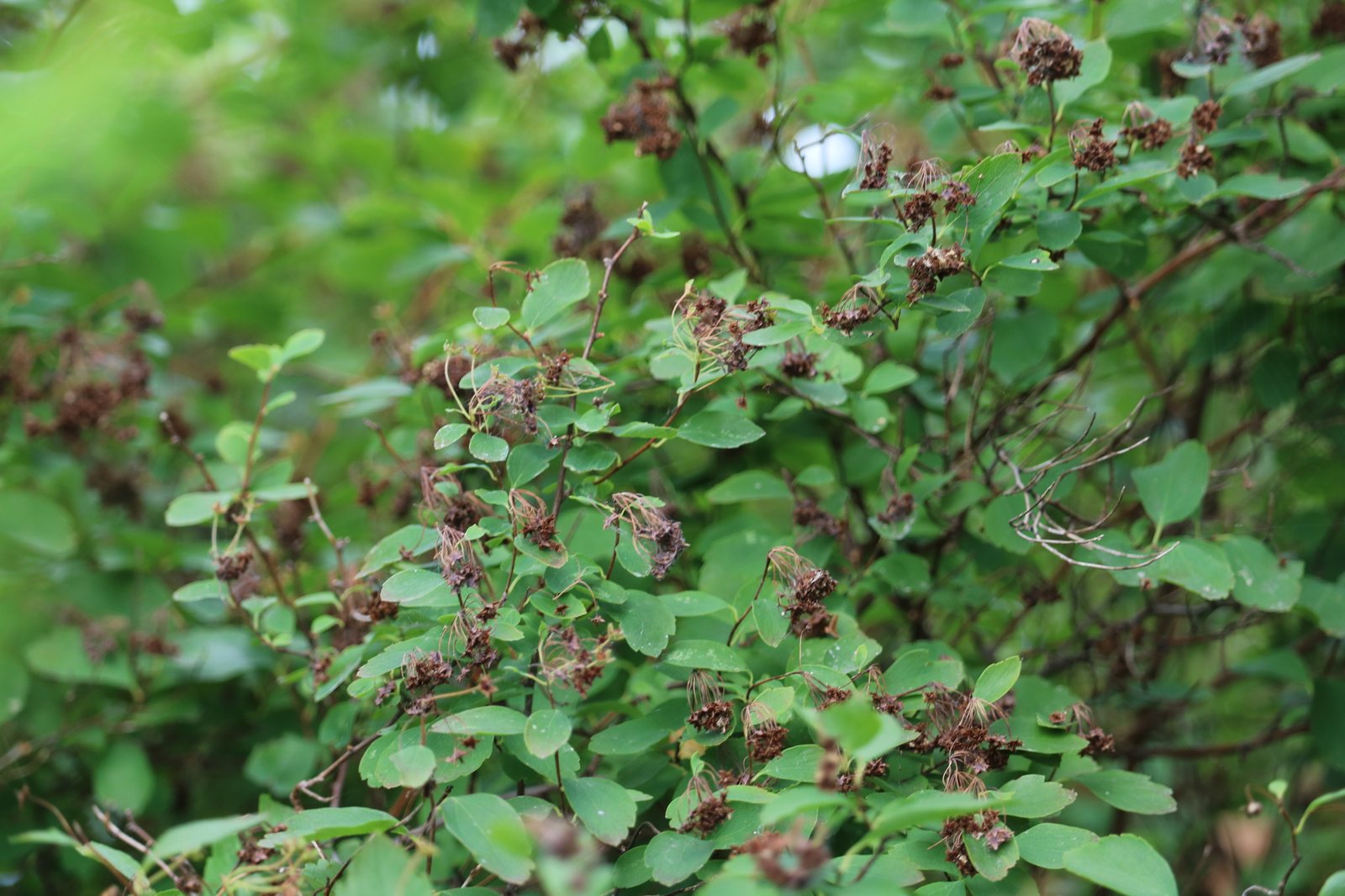
At a glance
- Sun
- Full sun for the most flowers; tolerates light partial shade.
- Water
- Water regularly while establishing. Once established, water during prolonged dry spells, especially on sandy soil.
- Soil
- Most reasonably fertile, well-drained soils, including clay that does not stay waterlogged; tolerates acidic to alkaline conditions.
- Height
- 5-8 ft (1.5-2.4 m)
- Spread
- 5-8 ft (1.5-2.4 m)
- Flowers
- Small white flowers clustered along the previous year's shoots in mid- to late spring.
- Foliage
- Small, narrow, toothed green leaves; autumn colour may be yellow but is not consistently showy.
- Growth
- Moderate to fast once established.
- Care needed
- Low
The year at a glance
- Pollinators
- Deer resistant
- Cold hardy
- Wildlife
- Low allergen
| J | F | M | A | M | J | J | A | S | O | N | D | |
|---|---|---|---|---|---|---|---|---|---|---|---|---|
| Flowers | ||||||||||||
| Plant |
Northern hemisphere months. In Australia, shift them by six.
- Difficulty
- Easy
- Toughness
- Very tough
Will it suit your garden?
Pick your zone, country, light and whether you have pets.
Full sun is 6 or more hours of direct sun a day, part shade 3 to 6 hours, shade under 3.
How it grows
Planting day
1.6 ft (0.5 m)
After 1 year
2.8 ft (0.86 m)
After 2 years
4 ft (1.2 m)
After 3 years
5 ft (1.6 m)
After 5 years
6 ft (2 m)
full size
About 4 years to full size.
From a typical nursery size, at an average rate for this kind of plant. A rule of thumb, not a forecast.
Good to know
- Cats and dogs
- Safe
- Growth rate
- Fast
Care
Jobs through the year
- WaterApr–May, Sep–Oct, every 14 days
- Established shrubs: water deeply during prolonged dry spells only; water young shrubs more frequently.
- WaterJun–Aug, every 7 days
- Established shrubs: soak during prolonged drought, especially on sandy soil; skip if soil is moist.
- MulchMar–Apr
- Spread 5–8 cm of organic mulch, keeping it away from stem bases.
- FeedMar–Apr
- Top-dress poor soil with a little compost; routine fertilizer is unnecessary.
- PruneMay–Jun
- Immediately after flowering, remove up to one-third of the oldest stems at ground level and retain the arching shape.
- Water deeply during dry weather through the first growing season.
- Apply a 2-3 in (5-8 cm) layer of organic mulch in spring, keeping it clear of the stem bases.
- Top-dress with compost in spring; routine heavy feeding is unnecessary.
- Leave room for the arching branches rather than repeatedly clipping them to fit.
- Avoid planting where water stands after rain.
Pruning. Prune just after flowering, removing up to one-third of the oldest stems at ground level and shortening awkward shoots to a healthy side branch. Avoid routine winter pruning or shearing, which removes flowering wood and spoils the arching shape.
Through the year
- Early spring
- Renew the mulch and add a light compost top-dressing if the soil is poor.
- Spring
- Enjoy the flowers; delay routine pruning until they have finished.
- Late spring
- After flowering, thin out older stems and remove dead or damaged growth.
- Summer
- Water young plants during dry spells and check tender shoots for aphids.
- Early summer
- Take softwood cuttings from healthy, non-flowering shoots.
- Autumn
- Plant in workable, well-drained soil; in very cold regions, spring planting is safer.
In the garden
- Use as an informal flowering hedge, leaving the branches unclipped for their arching effect.
- Place at the back of a mixed border with hardy geraniums and catmint covering the ground in front.
- Plant as a lawn specimen where its full outline can be seen.
- Combine with spring bulbs and later-flowering shrubs to extend interest beyond its flowering season.
Garden styles it suits: English country, Cottage garden, Traditional, Romantic rose garden, Low-maintenance and White garden.
Plant it with: Daffodils, Grape hyacinths, Hardy geraniums, Catmint, Peonies and Mock orange.
Wildlife: The flowers provide pollen and nectar for visiting insects, including bees. Dense branches offer shelter for small birds.
Problems to watch for
- Few flowers: avoid winter pruning, move out of deep shade if practical, and stop high-nitrogen feeding.
- Aphids on young shoots: wash off small colonies with water and encourage ladybirds and other predators.
- Powdery mildew: improve airflow, avoid overhead watering late in the day, and prevent severe drought stress.
- Yellowing or dieback in wet soil: check drainage and move the shrub if its roots remain waterlogged.
Safety
Not known to be toxic to people, cats, dogs or horses. No part is recognised as a significant poisoning hazard, but it is not an edible plant.
Easily confused with
Vanhoutte spirea (Spiraea × vanhouttei)
Has broader, often shallowly lobed leaves and usually flowers a little later; 'Arguta' has narrow, finely toothed leaves.
Double bridal wreath (Spiraea prunifolia 'Plena')
Has small, double, rosette-like flowers rather than the single, five-petalled flowers of 'Arguta'.
The name
The common name refers to the wreath-like sprays of white flowers, while arguta means sharply toothed or pointed, referring to the leaves.
Propagation. Take softwood cuttings in early summer or semi-ripe cuttings later in summer. A low branch can also be layered into the soil; vegetative propagation preserves the plant's characteristics.
Checked against open data
- Accepted botanical name
- Spiraea arguta
Sources: GBIF (CC BY 4.0). The care and design notes are LandscapeGPT's own.
See it in your own yard.
Upload a photo of your yard and see it redesigned with plants that suit your climate, each checked against your zone.