Bridal wreath spirea
Spiraea prunifolia. Family Rosaceae. Shrub.
Also called Bridal wreath, Bridalwreath spiraea.
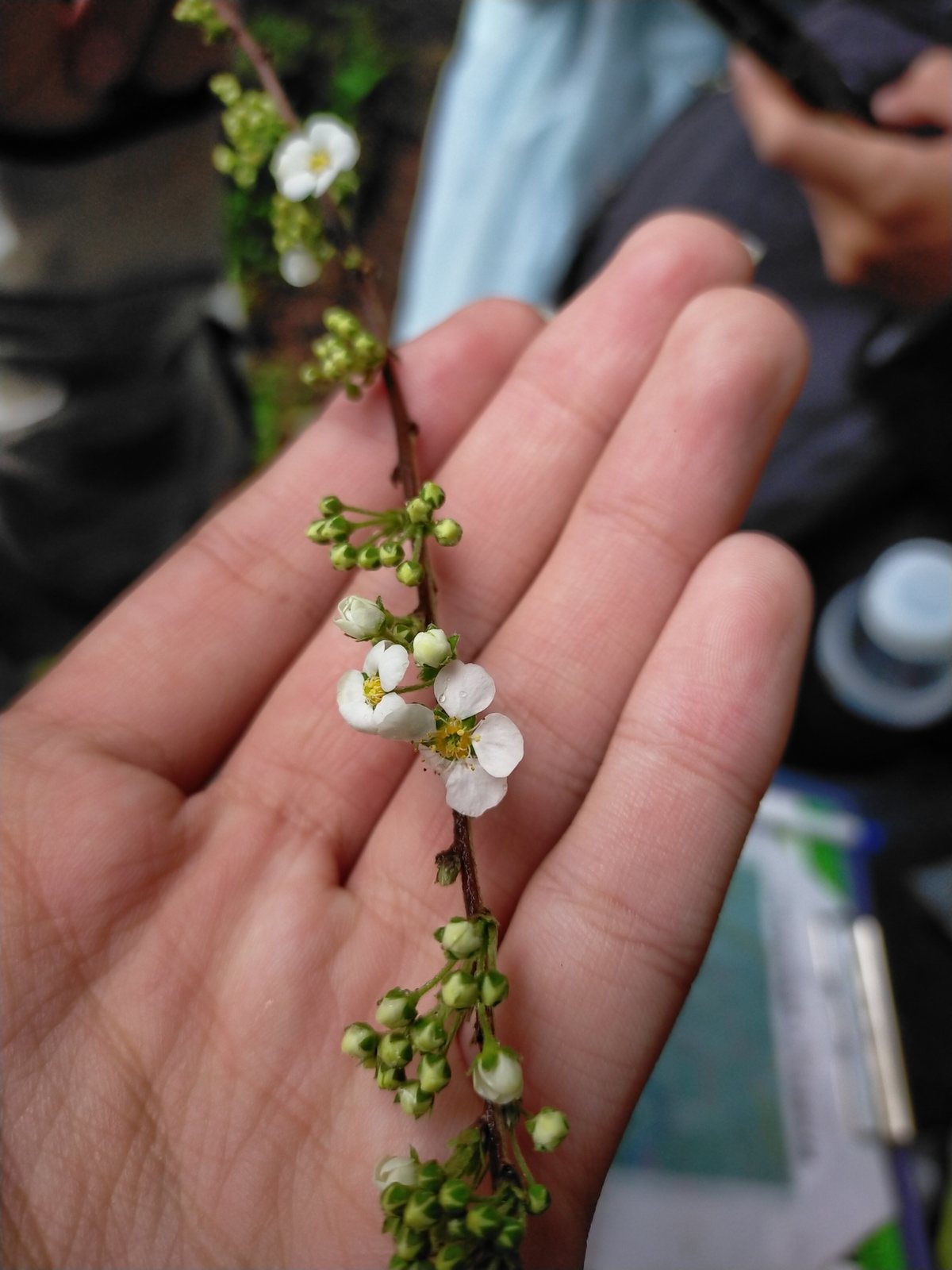
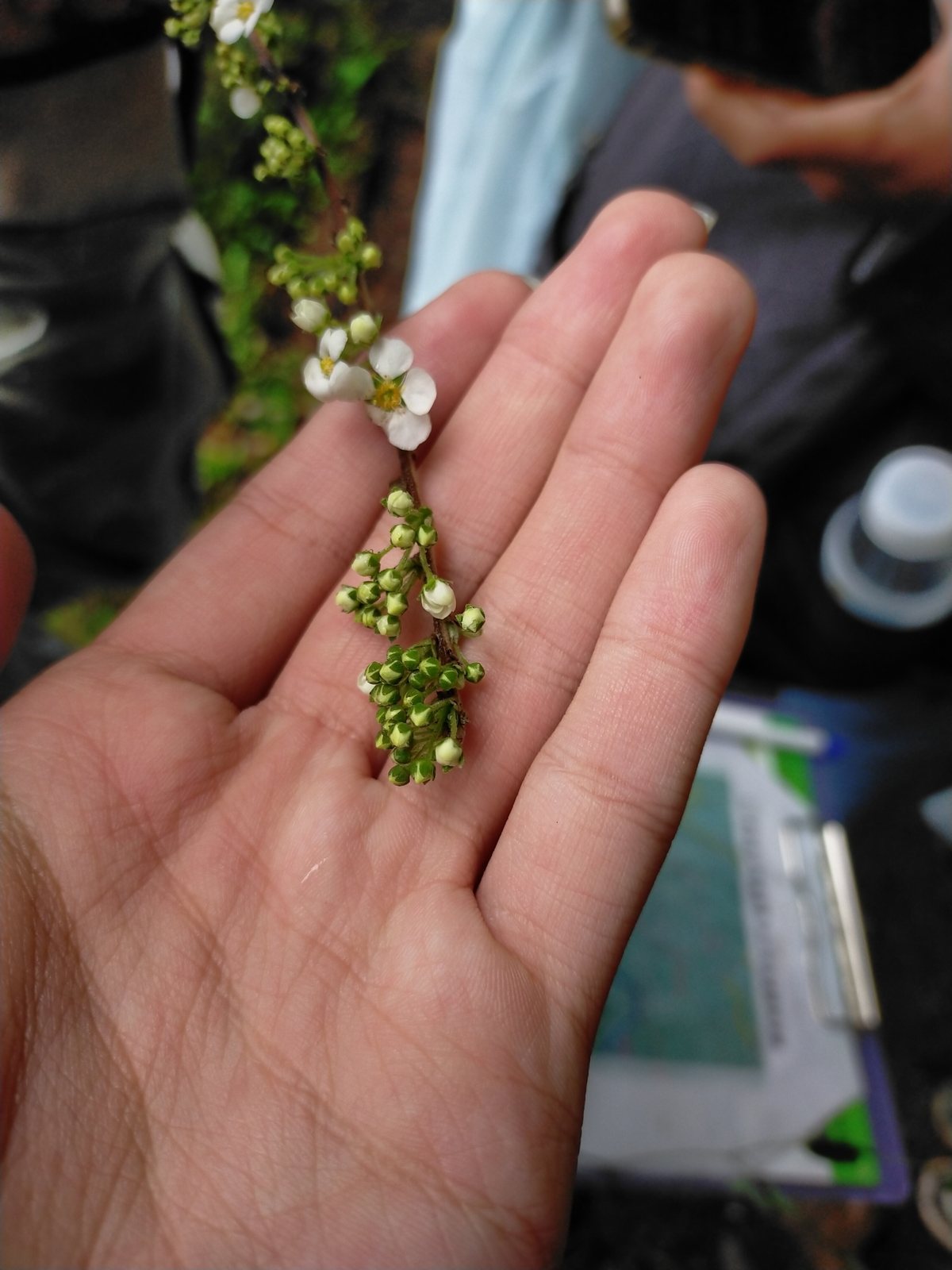
A deciduous shrub with long, arching stems covered in white flowers in spring, often before the leaves fully open. Gardeners grow it for its fountain-like shape, abundant blossom and orange to reddish-purple autumn foliage; the commonly sold form has double flowers.
At a glance
- Sun
- Full sun for the most flowers; tolerates partial shade but flowers less freely.
- Water
- Moderate; water regularly while establishing, then during prolonged dry spells.
- Soil
- Well-drained soil, including loam and clay that does not stay waterlogged; tolerates a broad range of soil pH.
- Height
- 4-8 ft (1.2-2.4 m)
- Spread
- 4-8 ft (1.2-2.4 m)
- Flowers
- White flowers in early to mid-spring, usually double in cultivated plants, clustered along the previous year's stems.
- Foliage
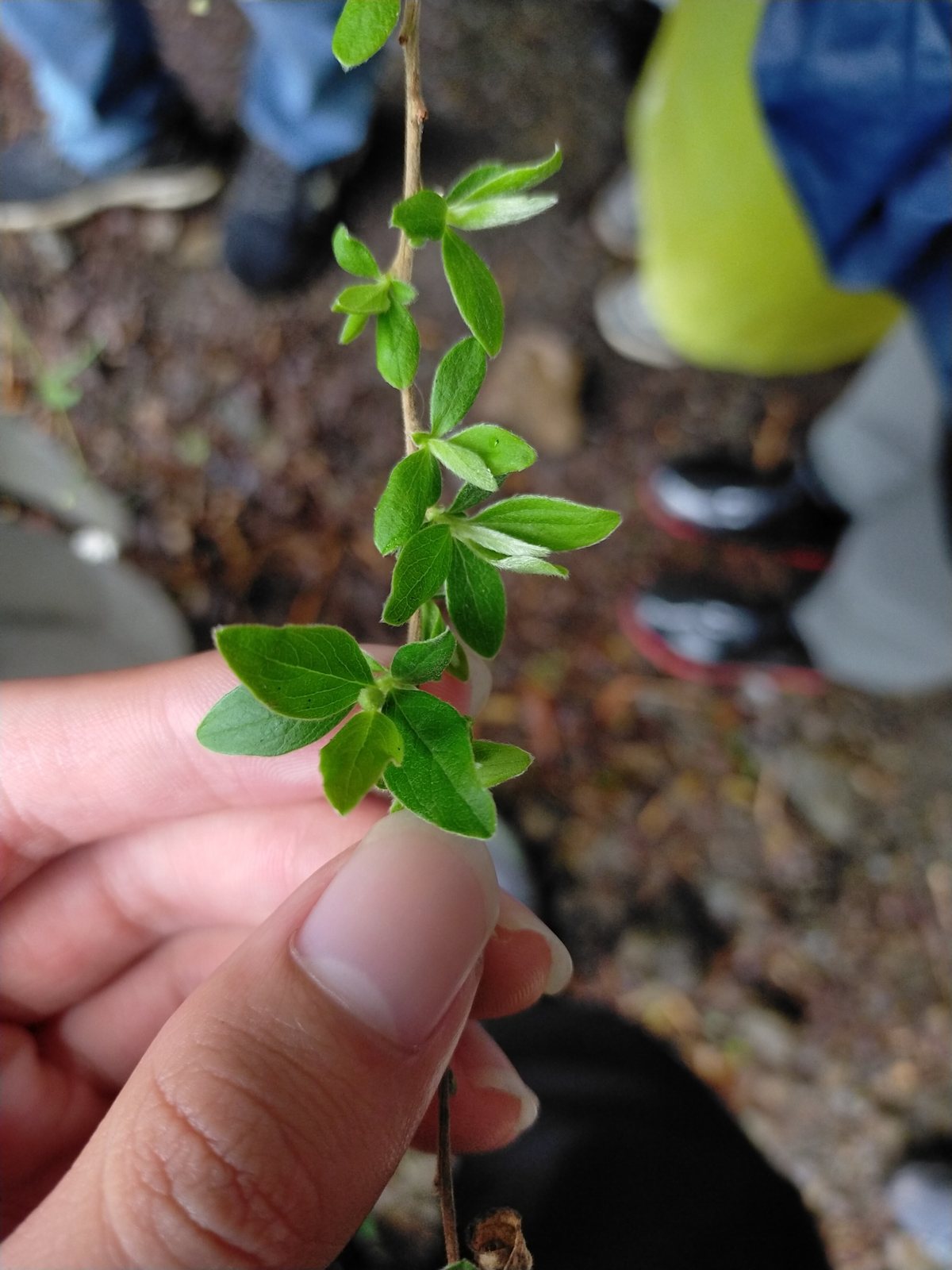
- Small, oval, finely toothed green leaves, often turning orange, red or reddish purple in autumn.
- Growth
- Moderate to fast
- Care needed
- Low
The year at a glance
- Deer resistant
- Drought tolerant
- Wildlife
- Low allergen
| J | F | M | A | M | J | J | A | S | O | N | D | |
|---|---|---|---|---|---|---|---|---|---|---|---|---|
| Flowers | ||||||||||||
| Plant |
Northern hemisphere months. In Australia, shift them by six.
- Difficulty
- Easy
- Toughness
- Very tough
Will it suit your garden?
Pick your zone, country, light and whether you have pets.
Full sun is 6 or more hours of direct sun a day, part shade 3 to 6 hours, shade under 3.
How it grows
Planting day
1.6 ft (0.5 m)
After 1 year
2.7 ft (0.83 m)
After 2 years
4 ft (1.1 m)
After 3 years
5 ft (1.5 m)
After 5 years
6 ft (1.8 m)
full size
About 4 years to full size.
From a typical nursery size, at an average rate for this kind of plant. A rule of thumb, not a forecast.
Good to know
- Cats and dogs
- Safe
- Invasive in
- the US
- In the garden
- Spreads vigorously: plan to contain it.
- Growth rate
- Fast
Care
Jobs through the year
- WaterApr–May, Sep–Oct, every 14 days
- Water established shrubs deeply only if soil is dry; water young shrubs more often.
- WaterJun–Aug, every 14 days
- Water established shrubs deeply during prolonged drought; young shrubs need more frequent watering.
- MulchMar
- Top-dress with compost and maintain 5–8 cm of organic mulch, clear of stem bases.
- PruneApr–May
- Immediately after flowering, remove unwanted suckers and up to one-third of the oldest stems; avoid shearing.
- Water deeply during dry weather through the first growing season.
- Apply a 2-3 in (5-8 cm) layer of organic mulch, keeping it clear of the stem bases.
- Top-dress with compost in spring; routine fertilizer is rarely needed in reasonably fertile soil.
- Remove unwanted suckers at their point of origin to keep the clump within bounds.
- Allow room for the branches to arch naturally rather than repeatedly clipping them.
Pruning. Prune immediately after flowering because next spring's flowers form on older wood. Remove dead stems and up to one-third of the oldest stems at ground level, then shorten wayward shoots selectively rather than shearing the shrub.
Through the year
- Early spring
- Check for dead or damaged stems and refresh mulch without covering the crown.
- Spring
- Enjoy the flowers; avoid general pruning until flowering has finished.
- Late spring
- After flowering, thin out old stems and remove unwanted suckers.
- Early summer
- Take softwood cuttings from healthy, non-flowering shoots.
- Summer
- Water young shrubs during dry spells and check new growth for aphids.
- Autumn
- Plant new shrubs while the soil is workable, leaving enough space for their mature spread.
In the garden
- Plant as an informal flowering hedge where its arching stems have room to spread.
- Place at the back of a mixed border with summer-flowering perennials to extend seasonal interest.
- Use as a specimen beside a lawn or broad path, allowing the white-flowered branches to overhang the edge.
- Combine with spring bulbs beneath the outer branches for a layered spring display.
Garden styles it suits: Cottage garden, English country, Traditional, Romantic rose garden, White garden and Low-maintenance.
Plant it with: Daffodils, Grape hyacinths, Peonies, Catmint, Hardy geraniums and Panicle hydrangeas.
Wildlife: Dense branches provide shelter for small birds. Single-flowered forms offer more accessible food for visiting insects than the commonly planted double-flowered form, which has limited pollinator value.
Problems to watch for
- Poor flowering: excessive shade or winter pruning can remove the display; provide more sun and prune only after flowering.
- Aphids on soft shoots: wash off small colonies with water and encourage ladybirds and other predators.
- Powdery mildew: improve air circulation by thinning crowded stems and avoid allowing the roots to become severely dry.
- Root decline in wet ground: correct drainage or move the shrub to a better-drained position.
Safety
Not known to be toxic to people, cats, dogs or horses; no particular part is recognized as poisonous. Eating substantial amounts of any garden plant may still cause stomach upset.
Where it spreads. Spreads locally by suckers and has escaped cultivation in parts of the eastern and southeastern United States, including Tennessee and Georgia. Check local invasive-plant guidance before planting near natural areas.
Easily confused with
Vanhoutte spirea (Spiraea × vanhouttei)
Usually flowers later, with broad, rounded clusters of single white flowers and often shallowly lobed leaves; bridal wreath spirea has smaller clusters and unlobed leaves.
Snowmound spirea (Spiraea nipponica 'Snowmound')
Has a denser, more compact shape and broad clusters of single white flowers in late spring to early summer, after its leaves have opened.
Thunberg spirea (Spiraea thunbergii)
Has much narrower, finely textured leaves and slender, twiggy stems bearing small single white flowers in early spring.
The name
The name prunifolia means plum-leaved, while bridal wreath refers to the sprays of white flowers resembling a bridal garland.
Propagation. Take softwood cuttings in early summer, layer a low branch, or lift rooted suckers while dormant. Vegetative propagation preserves the double-flowered form.
Checked against open data
- Accepted botanical name
- Spiraea prunifolia
- In the US and Canada
- Introduced in Canada and the lower 48 states.
- Native range
- China South-Central, China Southeast, Taiwan and Korea.
- Measured
- Soil pH 5.2 to 7.3. Average height 213 cm.
Sources: GBIF (CC BY 4.0), USDA PLANTS and Trefle (CC BY 4.0). The care and design notes are LandscapeGPT's own.
See it in your own yard.
Upload a photo of your yard and see it redesigned with plants that suit your climate, each checked against your zone.