Bronze fennel
Foeniculum vulgare 'Purpureum'. Family Apiaceae. Perennial.
Also called Purple fennel, Copper fennel.
Bronze fennel is a tall, short-lived perennial herb with finely divided, bronze-purple foliage and flat heads of small yellow flowers. Grow it for its anise-flavoured leaves and seeds, airy texture in borders, and flowers that attract beneficial insects; it does not form the swollen edible bulb of Florence fennel.
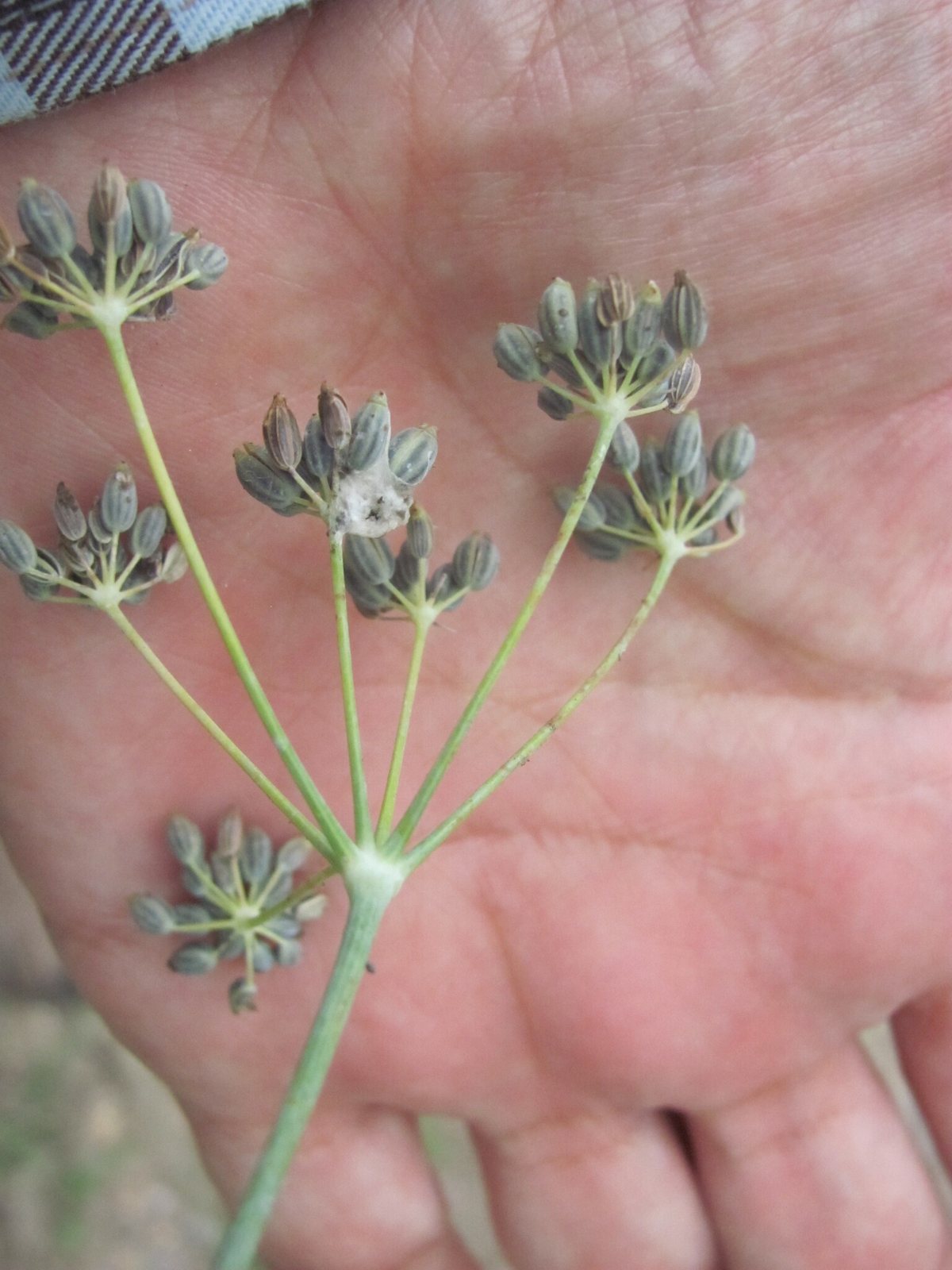
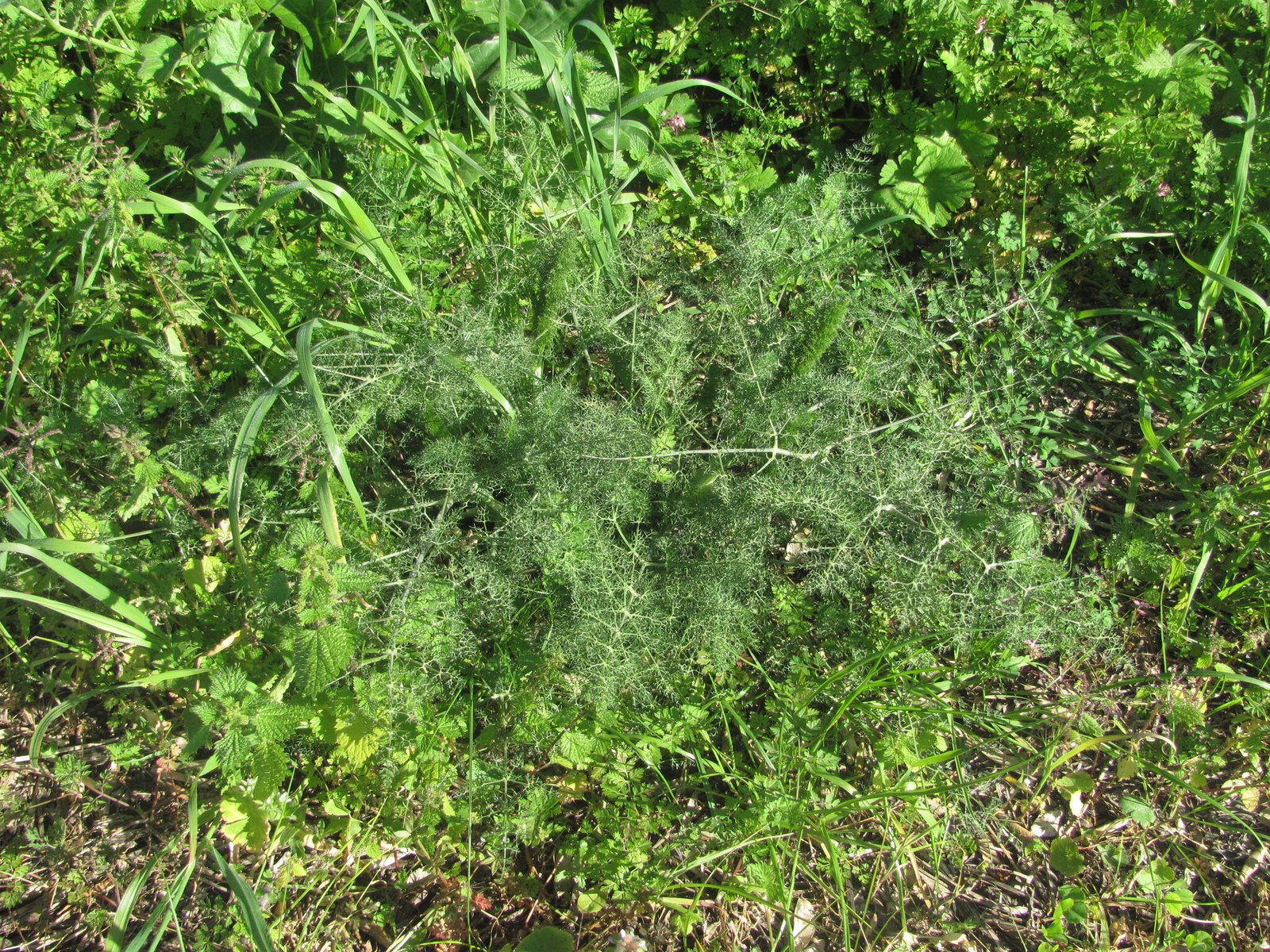
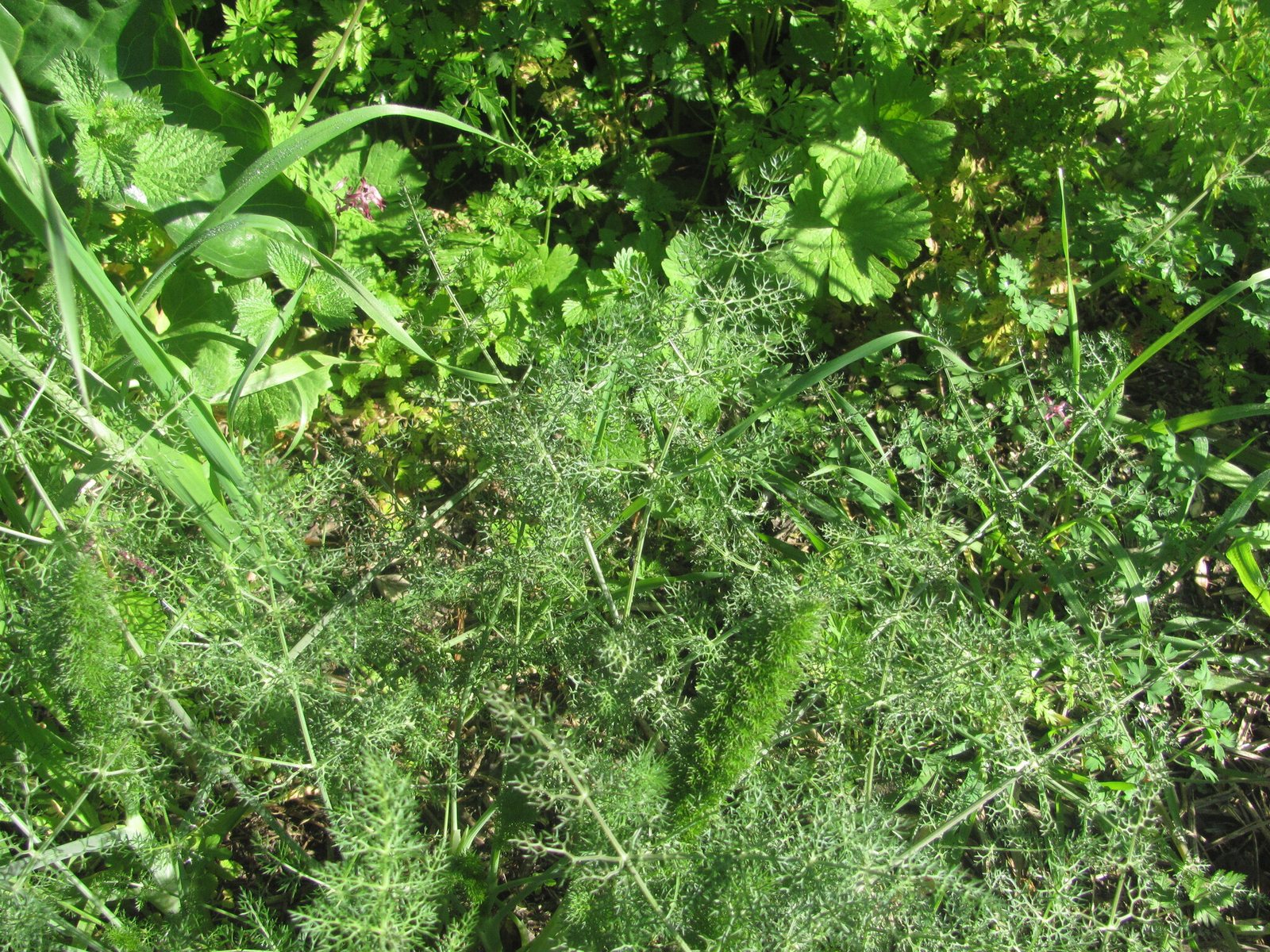
At a glance
- Sun
- Full sun; light shade is tolerated but produces looser growth and less strongly coloured foliage.
- Water
- Water regularly during establishment, then during prolonged dry spells. Established plants tolerate some drought but dislike waterlogged soil.
- Soil
- Well-drained soil, including sandy, chalky or gravelly ground; average fertility is sufficient.
- Height
- 4-6 ft (1.2-1.8 m)
- Spread
- 1.5-3 ft (0.45-0.9 m)
- Flowers
- Summer into early autumn; small yellow flowers in broad, flat-topped heads.
- Foliage
- Fine, threadlike, anise-scented leaves emerge bronze-purple and often become greener as they mature.
- Growth
- Fast
- Care needed
- Medium
The year at a glance
- Pollinators
- Deer resistant
- Drought tolerant
- Cold hardy
- Heat tolerant
- Wildlife
- Low allergen
- Fragrant
- Edible
| J | F | M | A | M | J | J | A | S | O | N | D | |
|---|---|---|---|---|---|---|---|---|---|---|---|---|
| Flowers | ||||||||||||
| Fruit | ||||||||||||
| Plant |
Northern hemisphere months. In Australia, shift them by six.
- Difficulty
- Easy
- Toughness
- Very tough
Will it suit your garden?
Pick your zone, country, light and whether you have pets.
Full sun is 6 or more hours of direct sun a day, part shade 3 to 6 hours, shade under 3.
How it grows
Planting day
1 ft (0.3 m)
After 1 year
3 ft (0.92 m)
After 2 years
5 ft (1.5 m)
full size
About 2 years to full size.
From a typical nursery size, at an average rate for this kind of plant. A rule of thumb, not a forecast.
Good to know
- Cats and dogs
- Toxic
- Invasive in
- the US and Australia
- In the garden
- Spreads vigorously: plan to contain it.
- Growth rate
- Fast
Care
Jobs through the year
- WaterApr–May, Sep–Oct, every 14 days
- Water established plants only during dry spells; water young plants more often until rooted.
- WaterJun–Aug, every 14 days
- Deep-water established plants during extended drought; avoid waterlogged soil.
- FeedMar–Apr
- Add a light compost dressing only on poor soil; avoid rich feeding.
- PruneFeb–Mar
- Cut dead stems to ground level before new shoots lengthen.
- ProtectMay–Jun
- Install supports early in exposed gardens before flowering stems become tall.
- DeadheadAug–Sep, every 7 days
- Remove fading flowerheads before seeds ripen, retaining only those intended for harvest.
- HarvestApr–Oct, every 7 days
- Snip small amounts of young leaves from several shoots; leave some for caterpillars.
- HarvestAug–Oct
- Cut tan-brown seed heads before shedding and finish drying in paper bags.
- Plant in its permanent position while young; its deep taproot makes established plants difficult to move.
- Water young plants deeply when the soil begins to dry, then water established plants mainly during extended drought.
- Avoid rich feeding, which encourages soft growth and flopping; use a light compost dressing only on poor soil.
- Stake early in exposed gardens, before flowering stems become tall and heavy.
- Remove unwanted seedlings promptly and cut off seedheads before ripening where spread is a concern.
Pruning. Cut dead stems to ground level in late winter or early spring before new shoots lengthen. Remove flowerheads before seeds mature to limit self-sowing, or leave selected heads for a seed harvest.
Harvest
Snip young leaves as needed from spring through autumn, taking small amounts from several shoots. For culinary seeds, cut flowerheads when the seeds turn tan-brown but before they fall, then finish drying them in a paper bag and rub the seeds free.
Through the year
- Late winter
- Cut down dead stems and clear debris from around the crown.
- Spring
- Sow seed directly into well-drained soil, or plant young nursery plants after severe frosts.
- Late spring
- Thin seedlings, remove unwanted volunteers and install discreet supports in exposed positions.
- Summer
- Harvest young leaves and water during prolonged dry weather.
- Late summer
- Remove fading flowerheads before seed ripens unless you intend to collect it.
- Autumn
- Collect ripe seeds where appropriate; retain dry stems for winter structure only if seed escape is controlled.
In the garden
- Place behind lower border plants so its fine foliage forms a transparent bronze backdrop.
- Combine with purple coneflowers, salvias and ornamental grasses for contrasting flower shapes and textures.
- Use as a tall accent in a sunny herb garden or potager, with room to reach its full height.
- Plant in a well-drained gravel border where its airy growth softens stones and stronger plant forms.
Garden styles it suits: Cottage garden, Potager (kitchen garden), Mediterranean, Dry gravel garden, Pollinator garden and Sensory garden.
Plant it with: Purple coneflower, Russian sage, Yarrow, Lavender, Verbena bonariensis and Feather reed grass.
Wildlife: Flowers supply nectar and pollen to bees, hoverflies and small parasitic wasps. In North America, the foliage is a food plant for swallowtail caterpillars, including black swallowtails; leave some foliage unharvested for them.
Problems to watch for
- Heavy self-seeding: remove flowerheads before seeds ripen and pull seedlings while their taproots are small.
- Flopping stems: provide full sun, avoid excessive feeding and stake plants early in windy sites.
- Aphids on young shoots: rinse off with water and allow ladybirds and other predators to feed.
- Crown or root rot in wet soil: improve drainage or replant in a raised, freely draining position.
Safety
Leaves and seeds are edible for people in normal culinary amounts, although allergies are possible. Fennel is listed as toxic to cats, dogs and horses because of its essential oils; eating it may cause digestive upset, and contact can cause photosensitive dermatitis. Do not give pets concentrated fennel oil, and seek veterinary advice if an animal develops symptoms.
Where it spreads. Fennel spreads aggressively by seed and is invasive in parts of the western United States, particularly coastal California and parts of Oregon and Washington. It is also an environmental weed in parts of Australia, including New South Wales, Victoria, South Australia, Western Australia and Tasmania. Bronze fennel can also escape cultivation;
Easily confused with
Dill (Anethum graveolens)
Dill is an annual with green to blue-green foliage and a distinct dill scent rather than fennel's sweet anise scent; it lacks bronze fennel's purple young growth.
Florence fennel (Foeniculum vulgare Azoricum Group)
Florence fennel develops a swollen, pale base made of overlapping leaf stalks. Bronze fennel has slender, unswollen bases and is grown for foliage, flowers and seeds.
Poison hemlock (Conium maculatum)
Poison hemlock has white flowers, broader fernlike leaf segments and usually purple-blotched stems, rather than yellow flowers and threadlike leaves. It is dangerously poisonous; never taste an unidentified plant.
The name
Foeniculum comes from the Latin for 'little hay', referring to its fine foliage, while vulgare means common and 'Purpureum' refers to the purple-bronze colouring.
Propagation. Sow seed directly in spring, or start it in deep modules and transplant while young without disturbing the roots. Seedlings can vary in bronze colouring; choose plants with the foliage colour you want. Division is generally unsuitable because of the deep taproot.
Checked against open data
- Accepted botanical name
- Foeniculum vulgare
- In the US and Canada
- Introduced in Canada, Hawaii, the lower 48 states, Puerto Rico and US Virgin Islands.
- Native range
- Afghanistan, Albania, Algeria, Baleares, Bulgaria, Corse, Cyprus, East Aegean Is., Egypt, Eritrea, Ethiopia and France.
- Measured
- Soil pH 7.5 to 8. Average height 89 cm.
Sources: GBIF (CC BY 4.0), USDA PLANTS and Trefle (CC BY 4.0). The care and design notes are LandscapeGPT's own.
See it in your own yard.
Upload a photo of your yard and see it redesigned with plants that suit your climate, each checked against your zone.