Butterhead lettuce 'Buttercrunch'
Lactuca sativa 'Buttercrunch'. Family Asteraceae. Annual.
Also called Buttercrunch lettuce, Bibb lettuce 'Buttercrunch'.
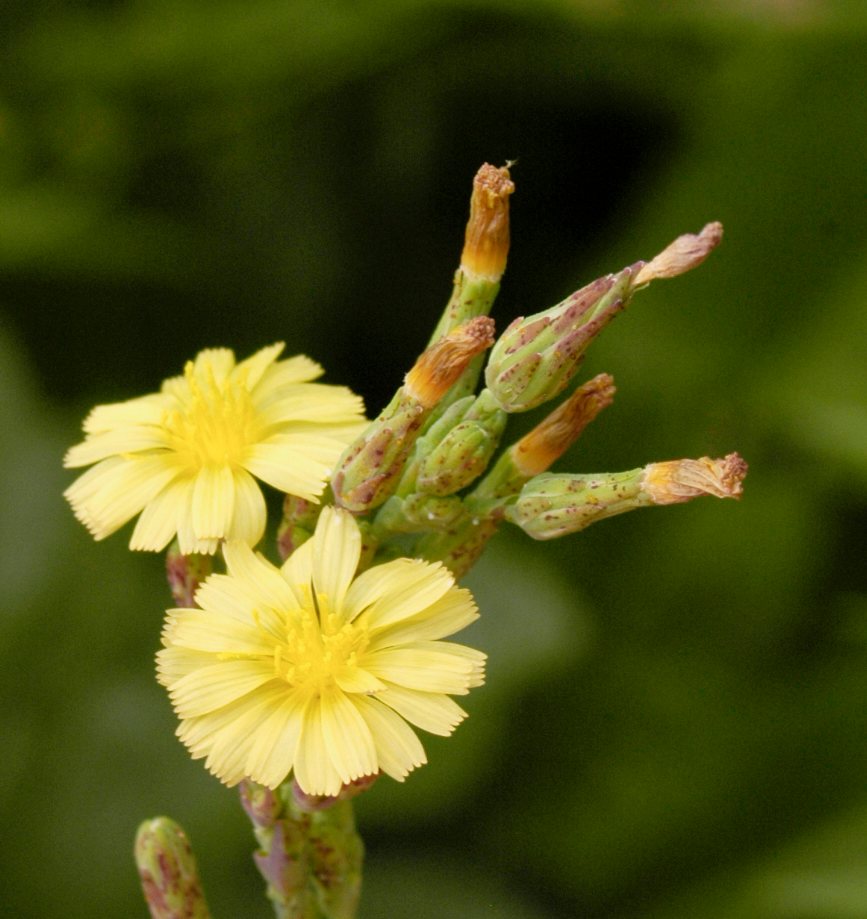
'Buttercrunch' is a butterhead lettuce grown as an annual for its tender green leaves and loosely folded, pale heart. It makes compact heads for salads and tolerates warm weather better than some butterheads, but sustained heat still causes bitterness and bolting.
At a glance
- Sun
- Full sun in cool weather; afternoon shade in warm weather.
- Water
- Keep the root zone evenly moist, not waterlogged; shallow roots dry out quickly.
- Soil
- Fertile, moisture-retentive but well-drained soil, ideally pH 6.0-7.0.
- Height
- 0.5-0.75 ft (0.15-0.23 m) before bolting
- Spread
- 0.5-1 ft (0.15-0.3 m)
- Foliage
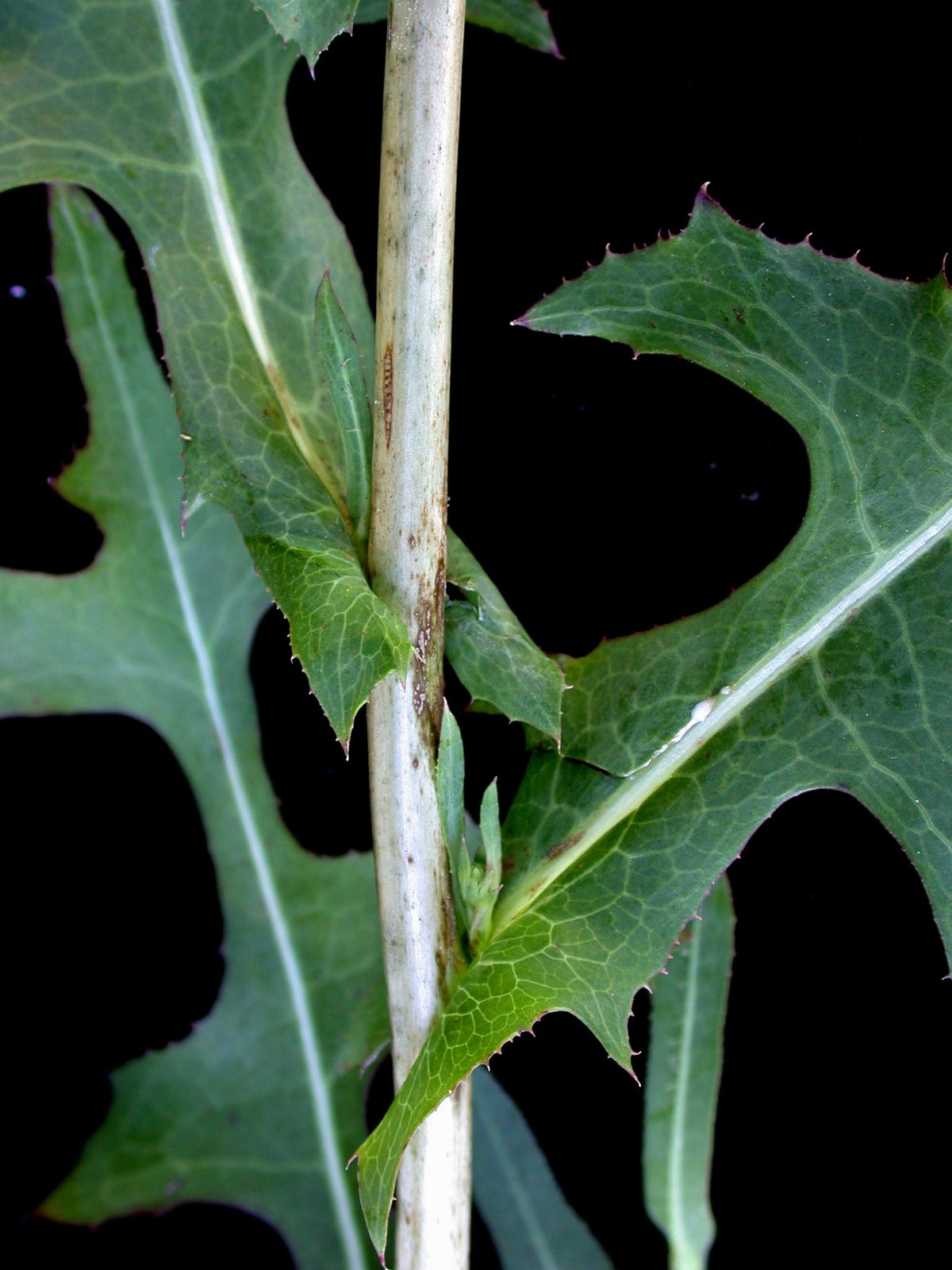
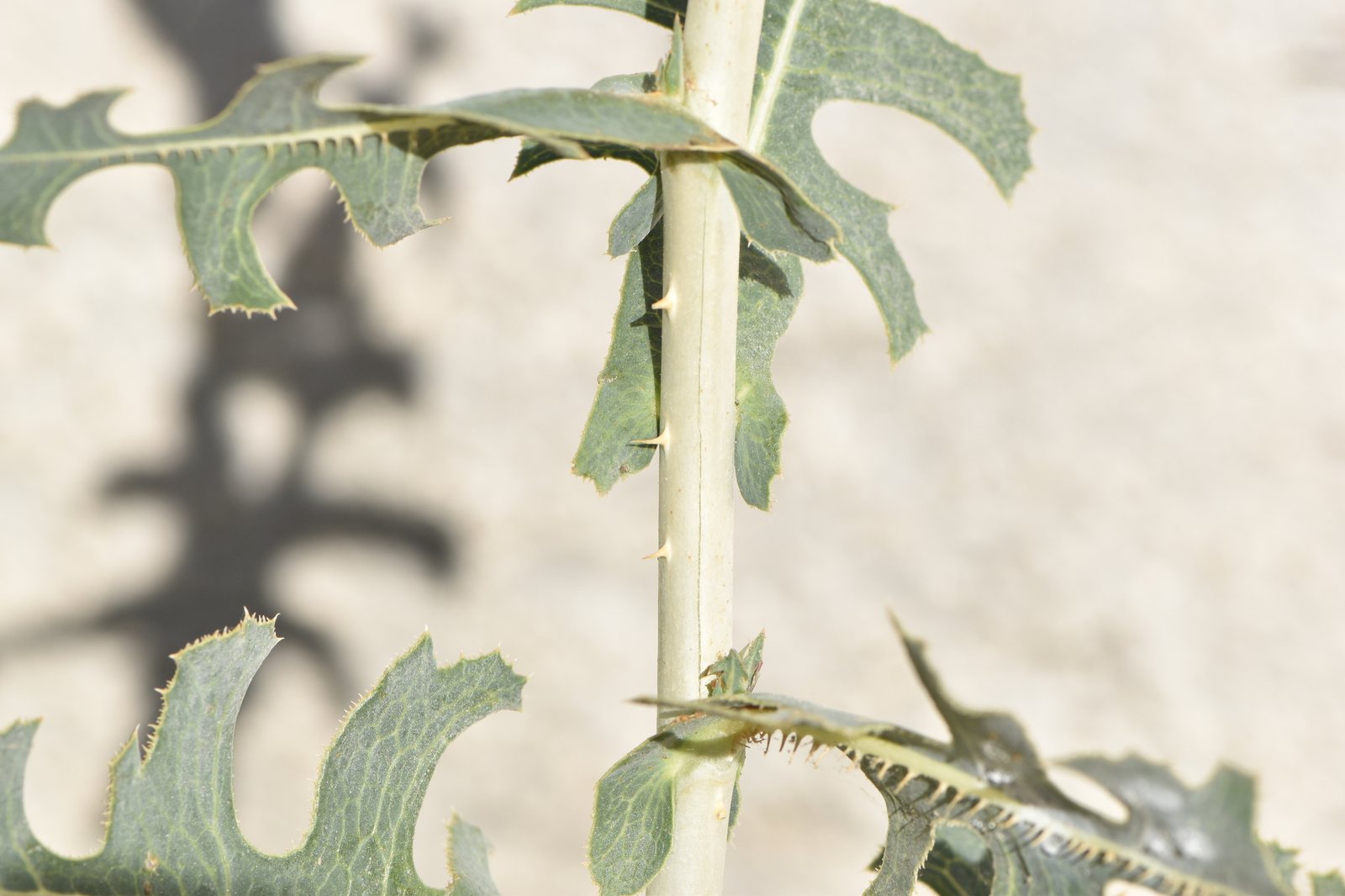
- Soft, slightly crinkled green outer leaves surround a loosely folded, pale yellow-green heart; leaves have thick, crisp midribs.
- Growth
- Fast; heads are usually ready about 55-75 days from sowing, depending on conditions.
- Care needed
- Low
The year at a glance
- Low allergen
- Edible
| J | F | M | A | M | J | J | A | S | O | N | D | |
|---|---|---|---|---|---|---|---|---|---|---|---|---|
| Fruit | ||||||||||||
| Plant |
Northern hemisphere months. In Australia, shift them by six.
- Difficulty
- Easy
- Toughness
- Needs looking after
Will it suit your garden?
Pick your zone, country, light and whether you have pets.
Full sun is 6 or more hours of direct sun a day, part shade 3 to 6 hours, shade under 3.
How it grows
Planting day
0.5 ft (0.15 m)
After 1 year
0.6 ft (0.19 m)
full size
Full size in one season.
From a typical nursery size, at an average rate for this kind of plant. A rule of thumb, not a forecast.
Good to know
- Cats and dogs
- Safe
- Growth rate
- Fast
Care
Jobs through the year
- WaterMar–May, Sep–Oct, every 3 days
- For established outdoor crops, water at soil level as the surface dries; seedlings need closer checks.
- WaterJun–Aug, every 2 days
- Check moisture daily and water as needed to keep shallow roots evenly moist; account for rainfall.
- MulchApr–May, Aug–Sep
- Apply a thin mulch after seedlings establish, leaving crowns clear.
- ProtectMar–Apr, Oct
- Cover young or autumn crops with fleece during hard frosts.
- ProtectJun–Aug
- Provide afternoon shade during warm spells and pause sowing in persistent heat.
- HarvestMay–Oct
- Pick outer leaves or cut filled, loose heads in the cool morning before bolting.
- Thin or transplant seedlings to 0.75-1 ft (0.23-0.3 m) apart for full heads.
- Water at soil level whenever the surface begins to dry; avoid repeated drying and soaking.
- Mix mature compost into the bed before planting; feed container plants lightly with a balanced liquid fertiliser.
- Apply a thin mulch once seedlings are established, keeping it away from their crowns.
- Use afternoon shade or shade cloth during warm spells.
- Sow small batches every two to three weeks during suitable cool weather.
Pruning. No pruning is needed. Remove damaged or decaying outer leaves, and pull up plants once they bolt or become bitter.
Harvest
Pick a few outer leaves once they are large enough to use, leaving the central growing point intact. For whole heads, cut at soil level when the heart has filled out but still feels loose rather than hard, usually about 55-75 days after sowing. Harvest in the cool morning before a central flower stalk develops.
Through the year
- Early spring
- Sow under cover or directly into workable soil; use these seasons according to your local hemisphere and climate.
- Spring
- Harden off indoor-raised seedlings and plant out; protect young plants from hard frost.
- Late spring
- Harvest leaves or heads and continue small sowings while temperatures remain mild.
- Summer
- Provide afternoon shade, monitor moisture daily, and pause sowing during persistent heat.
- Late summer
- Sow an autumn crop as temperatures begin to fall; start seed somewhere cool if outdoor soil is hot.
- Autumn
- Harvest remaining heads and use fleece or a cold frame against light frosts; in mild climates, continue growing through winter.
In the garden
- Plant in repeated blocks in a potager for orderly patches of fresh green foliage.
- Edge vegetable beds with compact heads beside upright spring onions or carrots.
- Grow in patio containers or window boxes with drainage holes for convenient picking.
- Tuck into sunny gaps in edible borders for a short-season crop before larger plants fill out.
Garden styles it suits: Potager (kitchen garden), Edible landscape, Small-space, Cottage garden, Homestead and Family-friendly.
Plant it with: Carrots, Radishes, Spring onions, Beetroot and Calendula.
Wildlife: Leaves attract slugs, snails, rabbits and deer. Plants left to flower can provide food for small visiting insects, although flowering ends their useful salad harvest.
Problems to watch for
- Slugs and snails chew seedlings and leaves: check after dark, remove hiding places, and use a labelled iron phosphate bait if needed.
- Aphids gather inside folded leaves: inspect young plants, rinse colonies off with water, and encourage natural predators.
- Downy mildew causes yellow patches with pale growth beneath leaves: improve spacing, water at soil level, and remove badly affected plants.
- Heat and drought cause bolting and bitter leaves: keep moisture steady, provide afternoon shade, and grow mainly in cooler seasons.
Safety
Not known to be toxic to people, cats, dogs or horses. The leaves are edible; large amounts of unfamiliar greens can still cause digestive upset in pets or livestock.
Easily confused with
Crisphead or iceberg lettuce (Lactuca sativa (Crisphead Group))
Forms a much firmer, tightly packed head with brittle, crisp leaves; 'Buttercrunch' has softer leaves and a loose heart.
Little Gem lettuce (Lactuca sativa 'Little Gem')
Forms a more upright, elongated head with firmer leaves and prominent ribs; 'Buttercrunch' is broader and rounder with softer foliage.
The name
Lactuca comes from the Latin word for milk, referring to the plant's milky sap, while sativa means cultivated.
Propagation. Grow from seed, sown shallowly about 0.125-0.25 in (3-6 mm) deep. Germination is best in cool conditions and can be poor above about 25°C (77°F); start seeds in a cooler place during hot weather.
Checked against open data
- Accepted botanical name
- Lactuca sativa
- In the US and Canada
- Introduced in the lower 48 states, Pacific Basin, Puerto Rico and US Virgin Islands.
- Native range
- Iraq.
- Measured
- Average height 42 cm.
Sources: GBIF (CC BY 4.0), USDA PLANTS and Trefle (CC BY 4.0). The care and design notes are LandscapeGPT's own.
See it in your own yard.
Upload a photo of your yard and see it redesigned with plants that suit your climate, each checked against your zone.