Calamondin
Citrus × microcarpa. Family Rutaceae. Tree.
Also called Calamansi, Philippine lime, Calamondin orange.
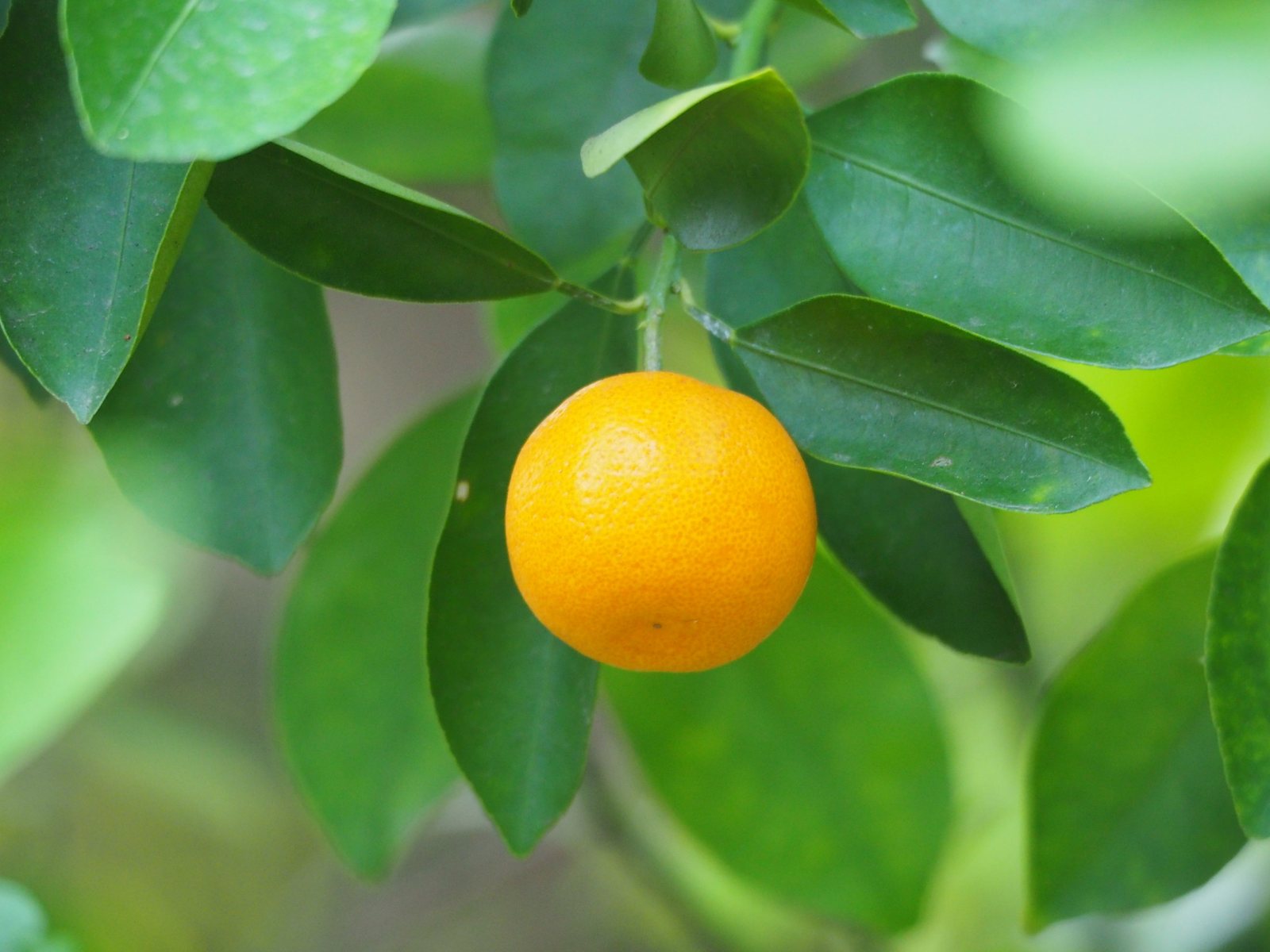
Calamondin is a small evergreen citrus tree grown for fragrant white flowers and small orange fruits with sharply acidic juice. It suits warm gardens and containers; in colder regions, grow it in a pot and overwinter it in a bright, frost-free place. It is self-fertile, so one tree can produce fruit.
At a glance
- Sun
- Full sun outdoors; indoors, give it your brightest sunny window or supplemental grow lighting.
- Water
- Water thoroughly when the surface soil begins to dry, then let excess water drain. Water less during cool weather, but do not let the root ball dry out completely.
- Soil
- Well-drained, slightly acidic soil. In containers, use an open, free-draining citrus potting mix and a pot with drainage holes.
- Height
- 10-20 ft (3-6 m) in the ground; usually 3-6 ft (0.9-1.8 m) in containers
- Spread
- 8-12 ft (2.4-3.7 m) in the ground; usually 2-4 ft (0.6-1.2 m) in containers
- Flowers
- Fragrant white flowers, mainly in spring and summer, with further flushes possible in warm conditions.
- Foliage
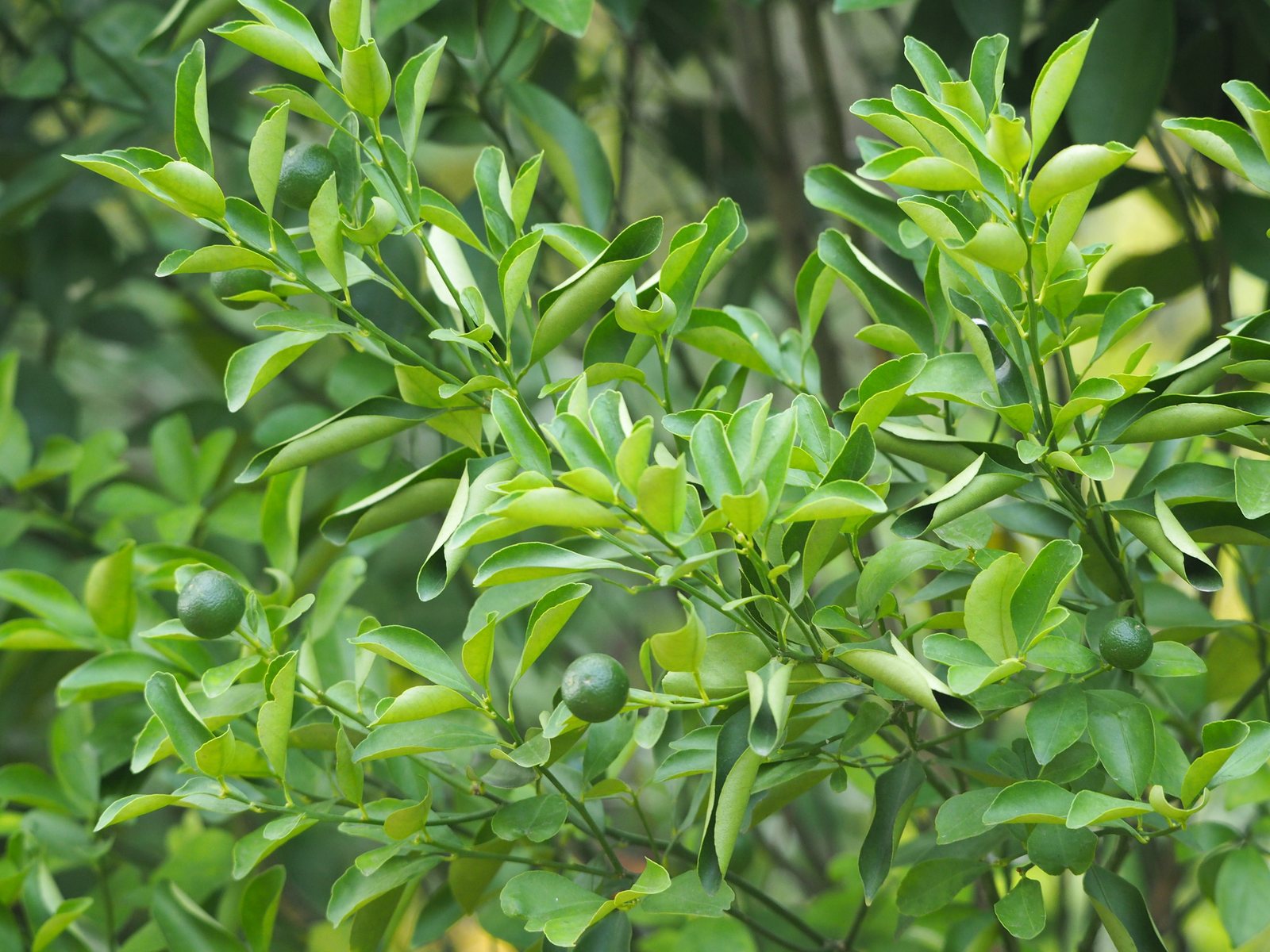
- Evergreen. Small, glossy, dark green leaves with a citrus scent when crushed.
- Growth
- Moderate in warm conditions; slower in containers or cool climates.
- Care needed
- Medium
The year at a glance
- Pollinators
- Heat tolerant
- Low allergen
- Fragrant
- Edible
| J | F | M | A | M | J | J | A | S | O | N | D | |
|---|---|---|---|---|---|---|---|---|---|---|---|---|
| Flowers | ||||||||||||
| Fruit | ||||||||||||
| Plant |
Northern hemisphere months. In Australia, shift them by six.
- Difficulty
- Moderate
- Toughness
- Fairly tough
Will it suit your garden?
Pick your zone, country, light and whether you have pets.
Full sun is 6 or more hours of direct sun a day, part shade 3 to 6 hours, shade under 3.
How it grows
Planting day
7 ft (2 m)
After 1 year
7 ft (2.1 m)
After 2 years
7 ft (2.2 m)
After 3 years
8 ft (2.3 m)
After 5 years
8 ft (2.5 m)
About 26 years to full size.
From a typical nursery size, at an average rate for this kind of plant. A rule of thumb, not a forecast.
Good to know
- Cats and dogs
- Toxic
- Growth rate
- Slow
Care
Jobs through the year
- WaterApr–May, Sep–Oct, every 7 days
- For established ground-grown trees in suitable climates, water as upper soil dries; containers need closer checks.
- WaterJun–Aug, every 5 days
- Water deeply when upper soil starts drying; young trees and containers may need more frequent watering.
- WaterJan–Mar, Nov–Dec, every 14 days
- Check sheltered containers, letting the surface start drying before watering; empty saucers.
- FeedMar–Sep, every 28 days
- Apply citrus fertilizer with trace elements during active growth, following the product interval.
- PruneApr–May
- Prune lightly after frost risk, preserving fruiting wood; remove rootstock suckers whenever they appear.
- ProtectJan–May, Oct–Dec
- Overwinter in bright, frost-free shelter; acclimatize gradually before returning outdoors.
- HarvestJan–Mar, Sep–Dec, every 7 days
- Snip full-sized green or orange fruit; sheltered plants may produce outside these months.
- Water the whole root ball thoroughly, and empty any saucer or decorative outer pot afterward.
- Feed with a citrus fertilizer containing trace elements during active growth, following the label; reduce or stop feeding during cool, inactive periods.
- Keep mulch away from the trunk and leave the graft union above soil level.
- Move container plants under cover before frost; return them outdoors gradually once nights are reliably frost-free.
- Check leaf undersides and stems regularly for scale insects and spider mites.
Pruning. Prune lightly in spring once frost risk has passed, removing dead, crossing or crowded branches and shortening shoots only where needed. Remove suckers below the graft union whenever they appear, and avoid hard pruning that removes flowering and fruiting wood.
Harvest
Snip off full-sized fruit with scissors rather than pulling it; fruit can be used green once fully developed, or left until the skin turns orange, although the juice remains sour. Harvest may extend over several months or recur through the year in warm conditions. A healthy grafted nursery tree commonly gives its first worthwhile crop within 1-3 years of planting; seedlings take longer and are less predictable.
Through the year
- Early spring
- Inspect roots and repot if crowded, using a slightly larger container and fresh citrus mix.
- Spring
- Begin regular feeding as growth starts; prune lightly after frost risk has passed.
- Late spring
- Acclimatize overwintered plants to outdoor sun over one to two weeks after frost risk ends.
- Summer
- Check container moisture frequently and inspect new growth for pests.
- Autumn
- Harvest developed fruit as needed and bring container plants under cover before frost.
- Winter
- Keep sheltered plants in strong light, away from heaters; water less but do not allow complete drying.
In the garden
- Use a container-grown tree as a scented focal point beside a sunny patio or sheltered entrance.
- Place matching pots on either side of a path or doorway for a formal arrangement.
- Include it in a warm-climate edible garden with herbs and other citrus.
- Grow it against a sunny courtyard wall, where evergreen leaves and orange fruit provide year-round structure.
Garden styles it suits: Modern courtyard, Mediterranean, Potager (kitchen garden), Edible landscape, Sensory garden and Small-space.
Plant it with: Basil, Parsley, Chives, Sweet alyssum and Marigolds.
Wildlife: The fragrant flowers provide nectar and pollen for bees and other insects. Outdoors, insect visits help pollination; indoors, gently moving pollen between flowers with a soft brush can improve fruit set.
Problems to watch for
- Scale insects: inspect stems and leaf undersides; wipe off small infestations and use a labelled horticultural oil if needed, avoiding hot sun and drought-stressed plants.
- Spider mites indoors: look for fine webbing and stippled leaves; rinse foliage thoroughly and use an appropriate labelled treatment if they persist.
- Root rot and leaf drop from waterlogged compost: improve drainage, empty saucers and allow the surface to begin drying between waterings.
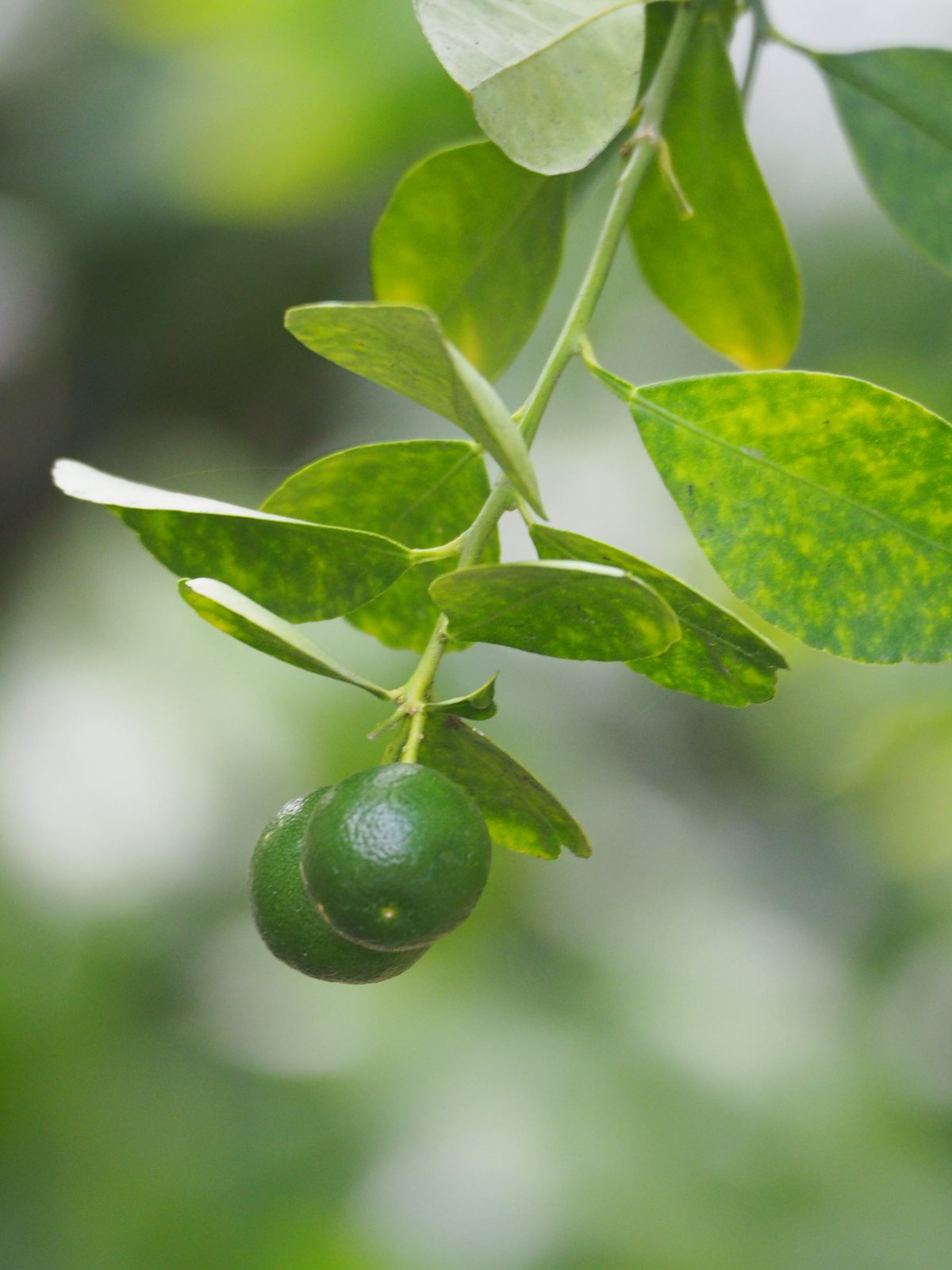
- Citrus greening disease in affected regions: blotchy, uneven leaf yellowing and misshapen bitter fruit need assessment by your local plant-health authority; there is no cure, so buy certified healthy stock and follow local movement restrictions.
Safety
The fruit is edible for people, including the peel, though the juice is very acidic. Citrus leaves, peel and peel oils contain compounds toxic to cats, dogs and horses; ingestion can cause vomiting, diarrhoea or skin irritation, with concentrated oils posing a greater risk. Keep pets from chewing the plant and seek veterinary advice if symptoms occur.
Easily confused with
Kumquat (Citrus japonica)
Kumquat fruit generally has a noticeably sweet peel and is often oval, although some forms are round; calamondin fruit is usually round with very sour juice.
Mandarin (Citrus reticulata)
Mandarins generally have larger, sweeter fruit with looser, easily removed skin; calamondin fruit is small and sharply acidic.
Chinotto (Citrus myrtifolia)
Chinotto has very small, pointed, myrtle-like leaves packed closely along the shoots; calamondin leaves are generally larger and less densely arranged.
The name
The botanical name microcarpa comes from Greek words meaning 'small-fruited', referring to its little citrus fruits.
Propagation. Usually propagated by grafting or budding onto a suitable citrus rootstock; semi-ripe cuttings can also root with warmth and humidity. Seed propagation is possible, but seedlings take longer to crop and their performance is less predictable. Use healthy propagation material and follow local citrus biosecurity rules.
Checked against open data
- Accepted botanical name
- Citrus microcarpa
Sources: GBIF (CC BY 4.0). The care and design notes are LandscapeGPT's own.
See it in your own yard.
Upload a photo of your yard and see it redesigned with plants that suit your climate, each checked against your zone.