Californian lilac 'Puget Blue'
Ceanothus 'Puget Blue'. Family Rhamnaceae. Shrub.
Also called California lilac 'Puget Blue', Ceanothus impressus 'Puget Blue'.
'Puget Blue' is a large evergreen shrub grown for its dense display of deep blue flowers in late spring and its small, dark green leaves. It makes a useful flowering screen or wall shrub in mild climates, but needs excellent drainage and protection from cold, drying winds.
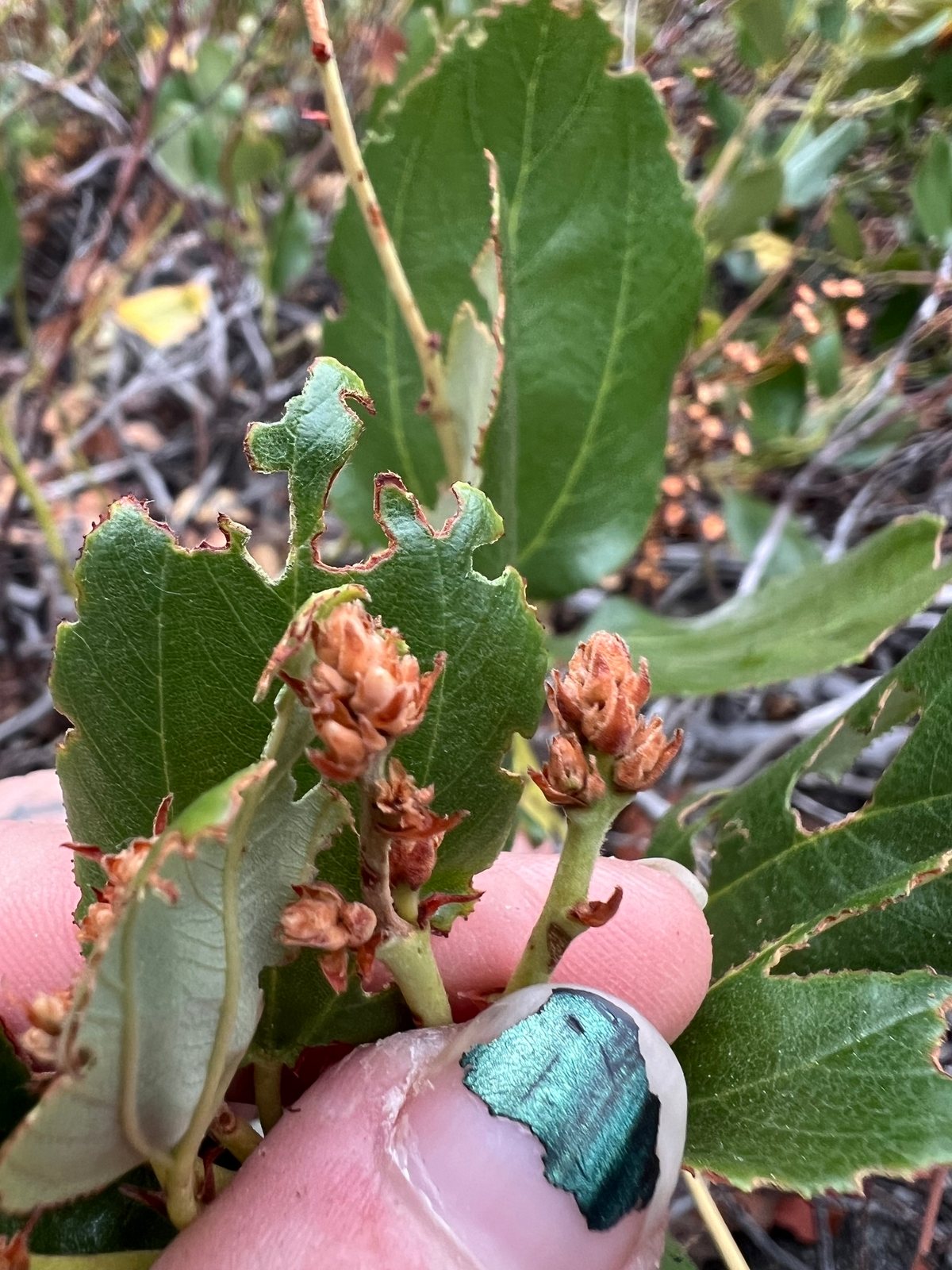
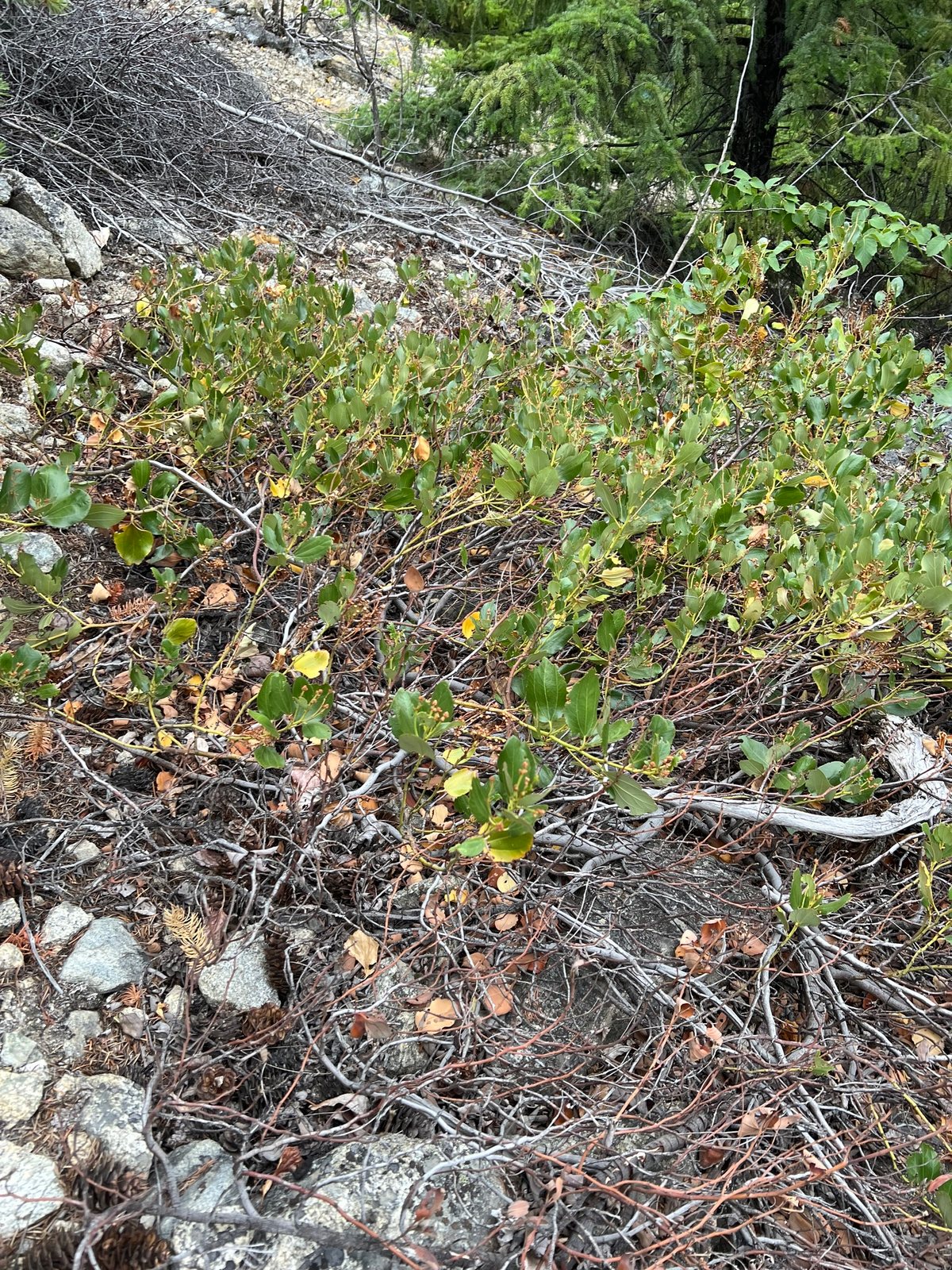
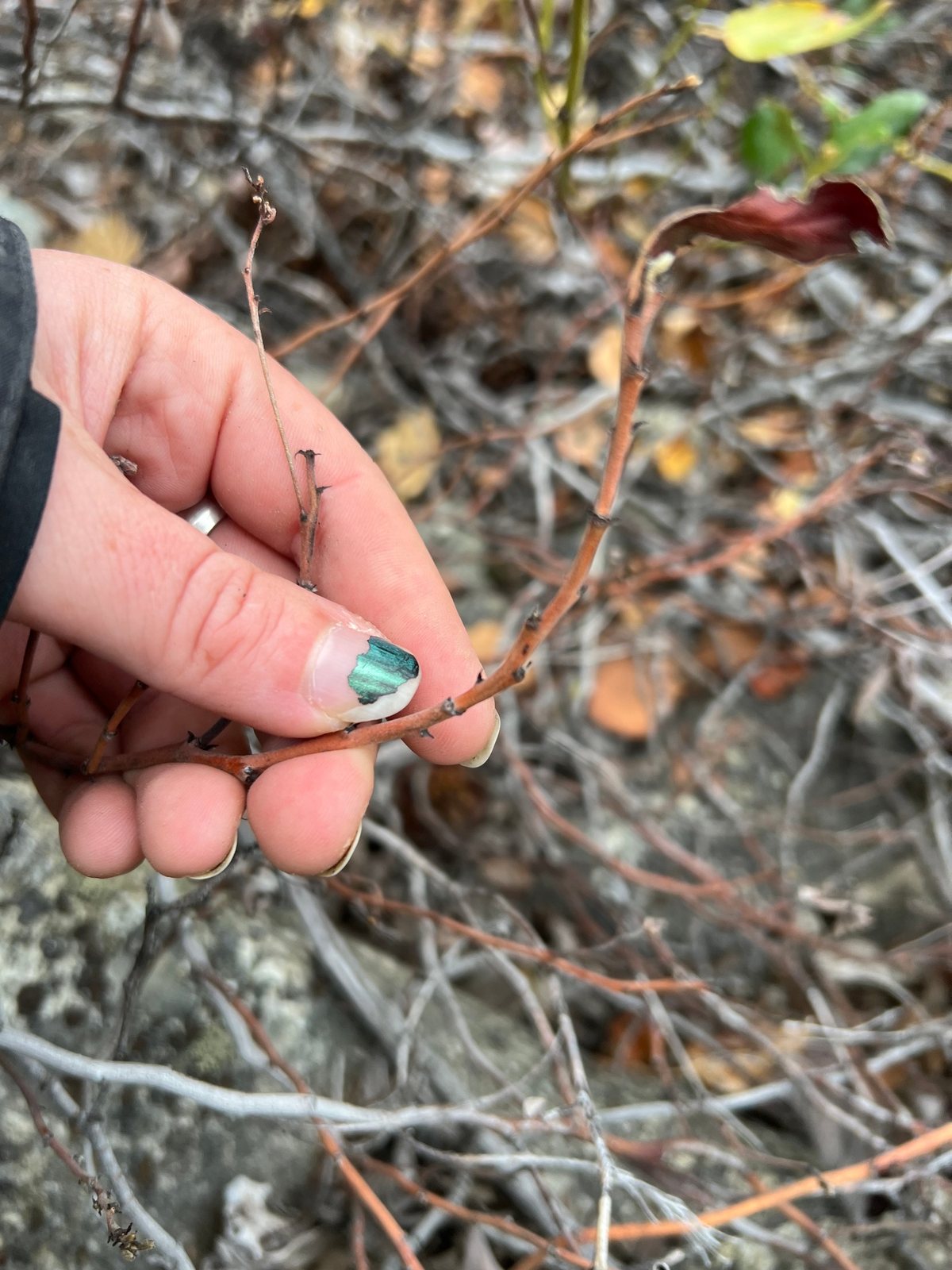
At a glance
- Sun
- Full sun; tolerates light shade, but flowers less freely.
- Water
- Water regularly during establishment, allowing the soil surface to dry between waterings. Once established, it tolerates drought and usually needs little extra water; avoid frequent summer irrigation.
- Soil
- Well-drained, moderately fertile soil, from slightly acidic to alkaline. Avoid waterlogged clay and very chalky soils.
- Height
- 8-12 ft (2.4-3.7 m)
- Spread
- 8-12 ft (2.4-3.7 m)
- Flowers
- Dense clusters of deep blue flowers in late spring to early summer; usually May-June in the Northern Hemisphere and October-November in Australia.
- Foliage
- Small, evergreen, dark green leaves with a deeply impressed, puckered surface.
- Growth
- Fast when young, slowing as it matures.
- Care needed
- Low
The year at a glance
- Pollinators
- Drought tolerant
- Heat tolerant
- Wildlife
- Low allergen
| J | F | M | A | M | J | J | A | S | O | N | D | |
|---|---|---|---|---|---|---|---|---|---|---|---|---|
| Flowers | ||||||||||||
| Plant |
Northern hemisphere months. In Australia, shift them by six.
- Difficulty
- Moderate
- Toughness
- Fairly tough
Will it suit your garden?
Pick your zone, country, light and whether you have pets.
Full sun is 6 or more hours of direct sun a day, part shade 3 to 6 hours, shade under 3.
How it grows
Planting day
1.6 ft (0.5 m)
After 1 year
3 ft (1 m)
After 2 years
5 ft (1.5 m)
After 3 years
7 ft (2 m)
After 5 years
10 ft (3.1 m)
full size
About 5 years to full size.
From a typical nursery size, at an average rate for this kind of plant. A rule of thumb, not a forecast.
Good to know
- Cats and dogs
- Safe
- Growth rate
- Moderate
Care
Jobs through the year
- WaterApr–May, Sep, every 21 days
- Established in-ground shrubs rarely need water; soak only during prolonged drought, watering young plants more often.
- WaterJun–Aug, every 21 days
- Water established shrubs only in exceptional drought; avoid frequent summer irrigation and water young plants as needed.
- MulchApr
- Apply a thin mulch over the root area, leaving the stem base clear.
- PruneJun
- Immediately after flowering, lightly shorten wayward leafy shoots; never cut hard into bare wood.
- PruneApr–May
- Once growth resumes, remove clearly dead or frost-damaged shoots.
- ProtectJan–Apr, Oct–Dec
- Not reliably hardy in zones 6–7; use a movable container with bright frost-free winter shelter or choose a hardier shrub.
- Plant in spring in colder areas, or autumn where winters are mild, leaving room for its mature width.
- Water deeply during the first growing season, then reduce watering as roots establish.
- Avoid routine feeding, especially high-nitrogen lawn fertiliser near the roots.
- Apply a thin mulch over the root area, keeping it clear of the stem base.
- Choose a sheltered site away from frost pockets, and avoid disturbing established roots.
Pruning. Immediately after flowering, lightly shorten long shoots within the leafy growth to keep the shrub dense. Remove dead or damaged branches, but do not cut hard into bare old wood, which often fails to regrow.
Through the year
- Early spring
- Check for frost damage; wait until growth resumes before removing clearly dead shoots.
- Spring
- Plant in colder districts and water thoroughly while the roots establish.
- Late spring
- Enjoy the flowers and check young shoots for aphids.
- Early summer
- After flowering, lightly trim wayward shoots without cutting into bare wood.
- Summer
- Water young plants during dry spells; keep established plants out of frequently irrigated beds.
- Autumn
- Plant in mild-winter districts where soil drains freely; avoid pruning before winter.
In the garden
- Use as an informal evergreen screen, allowing enough space to avoid repeated hard clipping.
- Train against a sunny, sheltered wall, tying in young branches while they are flexible.
- Place at the back of a sunny border with lavender, rock roses and ornamental grasses.
- Use as a large flowering anchor in a gravel garden or mild coastal garden.
Garden styles it suits: Mediterranean, Coastal, Dry gravel garden, English country, Pollinator garden and Pacific Northwest woodland.
Plant it with: Lavender, Rock rose, Rosemary, Santolina, Bearded iris and Blue oat grass.
Wildlife: The flowers attract bees and other pollinating insects. Dense evergreen branches provide shelter for small birds.
Problems to watch for
- Root rot and sudden collapse in wet soil: improve drainage before planting and avoid frequent irrigation; replace badly affected plants in a better-drained position.
- Frost and cold-wind damage: choose a sheltered site and remove dead growth in spring once the extent of damage is clear.
- Yellow leaves on strongly alkaline soil: check drainage and soil conditions; use an iron treatment labelled for lime-induced chlorosis if needed.
- Scale insects or aphids: inspect stems and young growth; remove small infestations by hand or with water, and avoid spraying open flowers.
Safety
Not known to be toxic to people, cats, dogs or horses. No part is generally recognised as poisonous, although cultivar-specific information is limited; it is not an edible plant.
Easily confused with
Common lilac (Syringa vulgaris)
Common lilac loses its leaves in winter and has much larger, heart-shaped leaves and strongly scented flower panicles.
Blueblossom (Ceanothus thyrsiflorus)
Typical blueblossom has larger, flatter leaves; 'Puget Blue' has notably small leaves with a puckered surface. Named ceanothus cultivars can be difficult to identify without a label.
Californian lilac 'Gloire de Versailles' (Ceanothus × delilianus 'Gloire de Versailles')
This deciduous shrub has larger leaves and loose clusters of paler blue flowers in summer and early autumn, rather than the dense spring display of 'Puget Blue'.
The name
The common name Californian lilac refers to its Californian relatives and lilac-like blue flower clusters, although it is not related to true lilacs.
Propagation. Take semi-ripe cuttings from healthy, non-flowering shoots in late summer and root them in a free-draining medium under cover. Seed will not reliably produce plants identical to 'Puget Blue'.
Checked against open data
- Accepted botanical name
- Ceanothus
Sources: GBIF (CC BY 4.0). The care and design notes are LandscapeGPT's own.
See it in your own yard.
Upload a photo of your yard and see it redesigned with plants that suit your climate, each checked against your zone.