Carolina allspice
Calycanthus floridus. Family Calycanthaceae. Shrub.
Also called Carolina sweetshrub, Sweetshrub, Strawberry bush.
Carolina allspice is a deciduous shrub native to the southeastern United States, grown for its unusual reddish-brown flowers, aromatic foliage and yellow autumn colour. Flower fragrance varies considerably between plants, from fruity and spicy to faint, so smell a flowering plant before buying if scent matters to you.
At a glance
- Sun
- Full sun to partial shade; afternoon shade is useful in hot climates. Plants grow more openly and flower less in deeper shade.
- Water
- Keep the soil evenly moist while establishing. Once established, water deeply during prolonged dry spells; avoid waterlogged ground.
- Soil
- Moist, well-drained soil enriched with organic matter; tolerates clay and a range of soil pH levels.
- Height
- 6-9 ft (1.8-2.7 m)
- Spread
- 6-12 ft (1.8-3.7 m), potentially wider through suckering
- Flowers
- Late spring to early summer, sometimes with scattered later flowers; deep reddish-brown to maroon, with narrow, strap-shaped petals.
- Foliage
- Opposite, oval, dark green leaves with paler, often softly hairy undersides; aromatic when crushed and usually yellow in autumn.
- Growth
- Moderate
- Care needed
- Low
The year at a glance
- Pollinators
- Deer resistant
- Cold hardy
- Heat tolerant
- Disease resistant
- Wildlife
- Low allergen
- Fragrant
| J | F | M | A | M | J | J | A | S | O | N | D | |
|---|---|---|---|---|---|---|---|---|---|---|---|---|
| Flowers | ||||||||||||
| Fruit | ||||||||||||
| Plant |
Northern hemisphere months. In Australia, shift them by six.
- Difficulty
- Easy
- Toughness
- Very tough
Will it suit your garden?
Pick your zone, country, light and whether you have pets.
Full sun is 6 or more hours of direct sun a day, part shade 3 to 6 hours, shade under 3.
How it grows
Planting day
1.6 ft (0.5 m)
After 1 year
2.8 ft (0.85 m)
After 2 years
4 ft (1.2 m)
After 3 years
5 ft (1.6 m)
After 5 years
7 ft (2.3 m)
full size
About 5 years to full size.
From a typical nursery size, at an average rate for this kind of plant. A rule of thumb, not a forecast.
Good to know
- Cats and dogs
- Toxic
- Native to
- the US
- In the garden
- Spreads vigorously: plan to contain it.
- Growth rate
- Moderate
Care
Jobs through the year
- WaterApr–May, Sep–Oct, every 21 days
- Water established shrubs only during extended dry spells; young plants need more frequent checks.
- WaterJun–Aug, every 14 days
- Water deeply during prolonged drought; keep new plants evenly moist for their first two seasons.
- MulchMar, Oct
- Maintain 5–8 cm of organic mulch clear of stems; include a thin spring compost top-dressing.
- PruneJun–Jul
- Prune after the main flowering; remove crossing wood and a few old stems if renewal is needed.
- PruneApr, Jul, Oct
- Remove unwanted suckers at their point of origin to contain the shrub.
- Water deeply during the first two growing seasons whenever the root zone starts to dry.
- Apply 2-3 in (5-8 cm) of organic mulch, keeping it clear of the stems.
- Top-dress with compost in spring; routine fertiliser is unnecessary in reasonably fertile soil.
- Remove unwanted suckers at their point of origin to keep the shrub within its allotted space.
- Give it room to develop naturally rather than repeatedly clipping it into a tight shape.
Pruning. Prune immediately after flowering, removing dead or crossing stems and shortening branches only where needed. To renew an older shrub, cut a few of the oldest stems to ground level each year rather than shearing the whole plant.
Through the year
- Early spring
- Plant while dormant where the ground is workable, water thoroughly and mulch.
- Spring
- Top-dress established plants with compost and remove any winter-damaged wood.
- Late spring
- Check flower fragrance before choosing a new plant; scent differs between seedlings.
- Early summer
- Prune after the main flowering period and remove unwanted suckers.
- Summer
- Water during extended dry weather, especially young plants and those in full sun.
- Autumn
- Plant in mild regions while the soil is still warm, and refresh mulch before winter.
In the garden
- Place beside a path or seating area where a fragrant specimen's flowers can be smelled at close range.
- Use in a mixed shrub border with spring-flowering shrubs and shade-tolerant perennials.
- Plant along a woodland edge, allowing its broad, informal shape to develop.
- Allow suckering in a roomy informal screen or native shrub planting.
Garden styles it suits: Woodland, Sensory garden, Southern, Cottage garden, Wildlife garden and Traditional.
Plant it with: Oakleaf hydrangea, Virginia sweetspire, Summersweet, Christmas fern, Foamflower and Solomon's seal.
Wildlife: The flowers are pollinated mainly by small beetles. A mature shrub or colony provides shelter for birds and other small wildlife; deer often leave the aromatic foliage alone, though browsing is still possible.
Problems to watch for
- Unwanted suckering: remove shoots at their origin, or allow a wider planting area where a colony is welcome.
- Few flowers: move to a brighter position if heavily shaded, and avoid pruning before flowering.
- Leaf scorch or wilting in hot, dry weather: water deeply, mulch and provide afternoon shade in hot regions.
- Root decline in persistently wet soil: improve drainage or replant on higher ground; do not keep the root zone saturated.
Safety
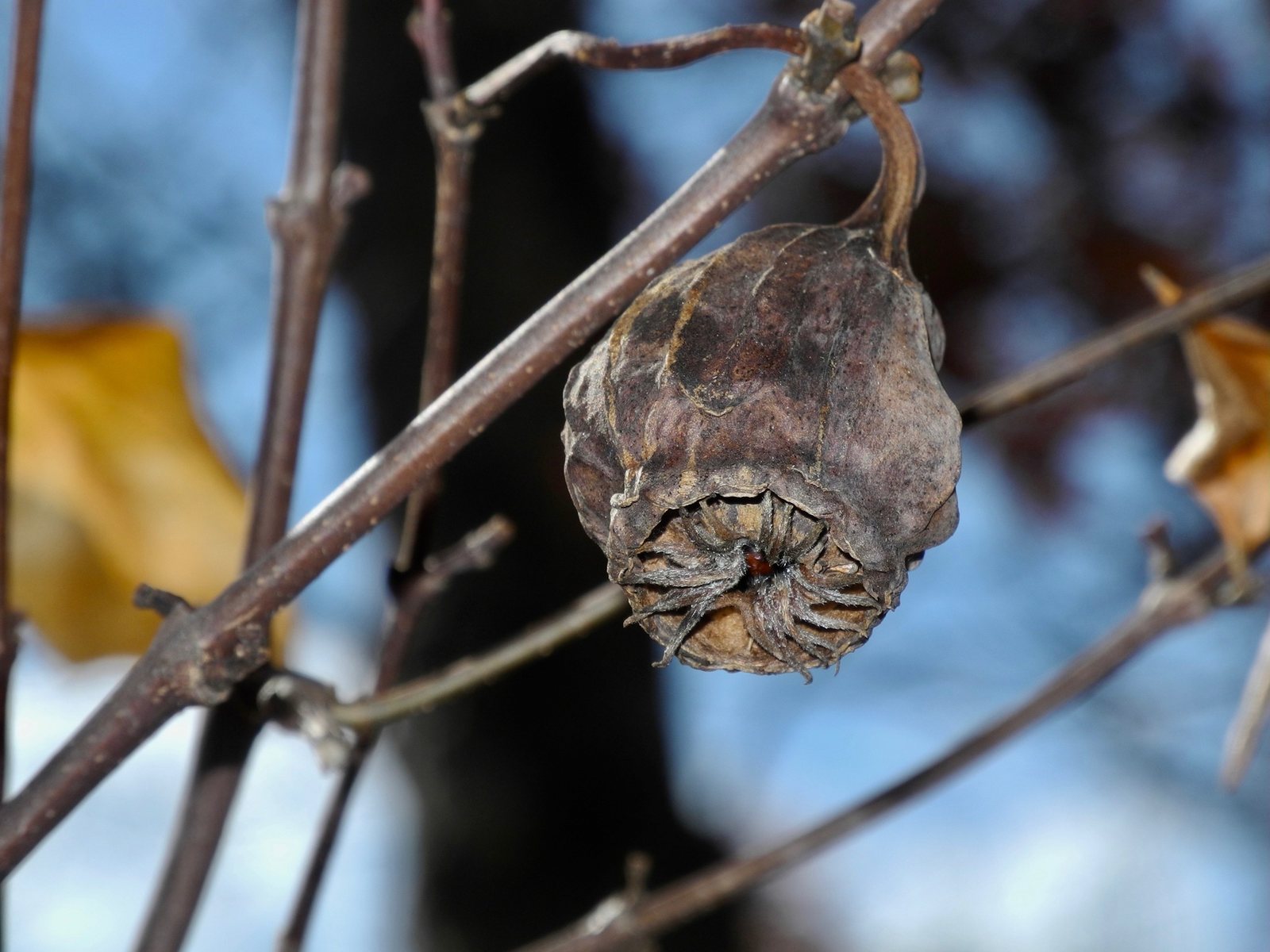
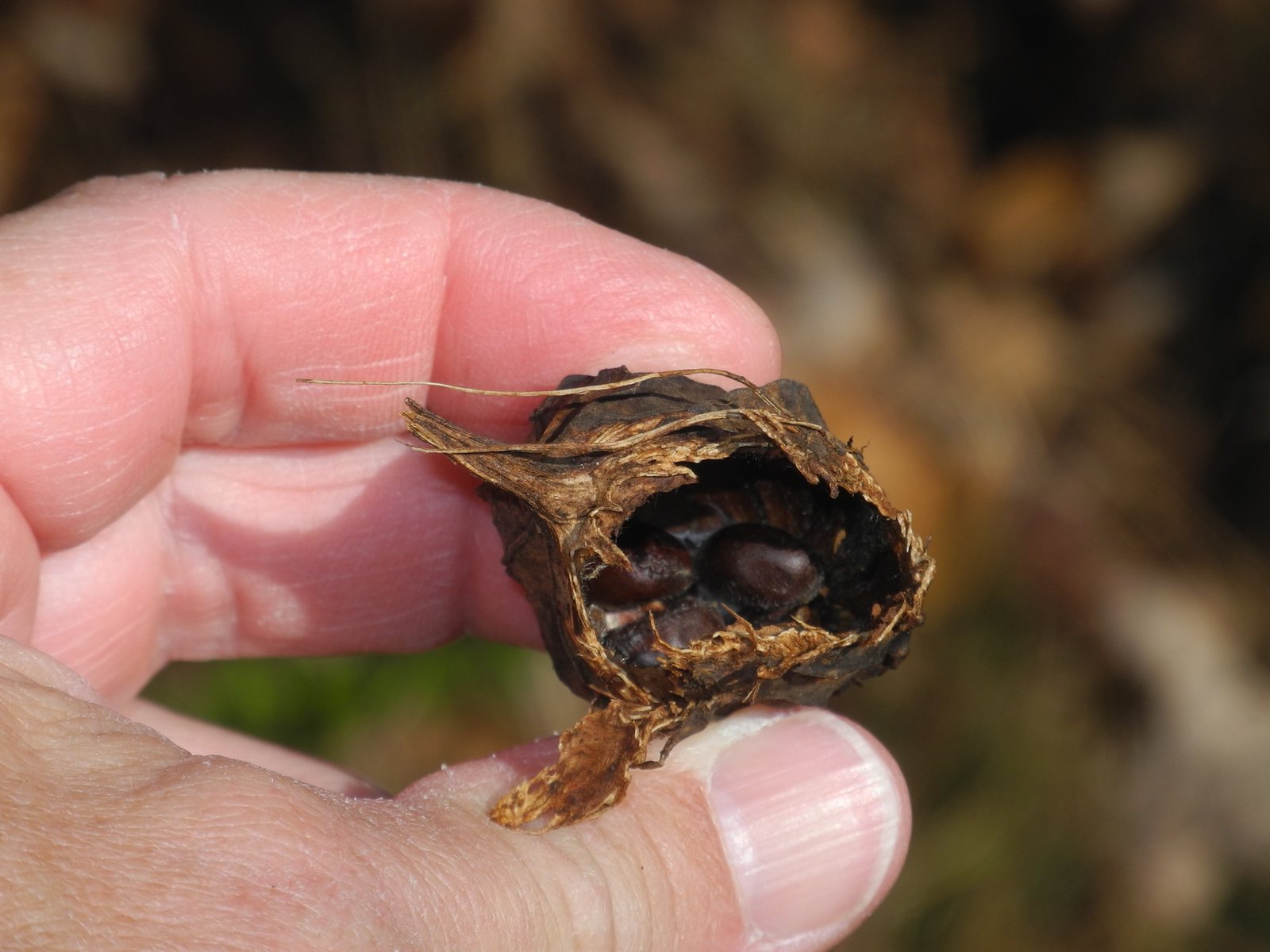
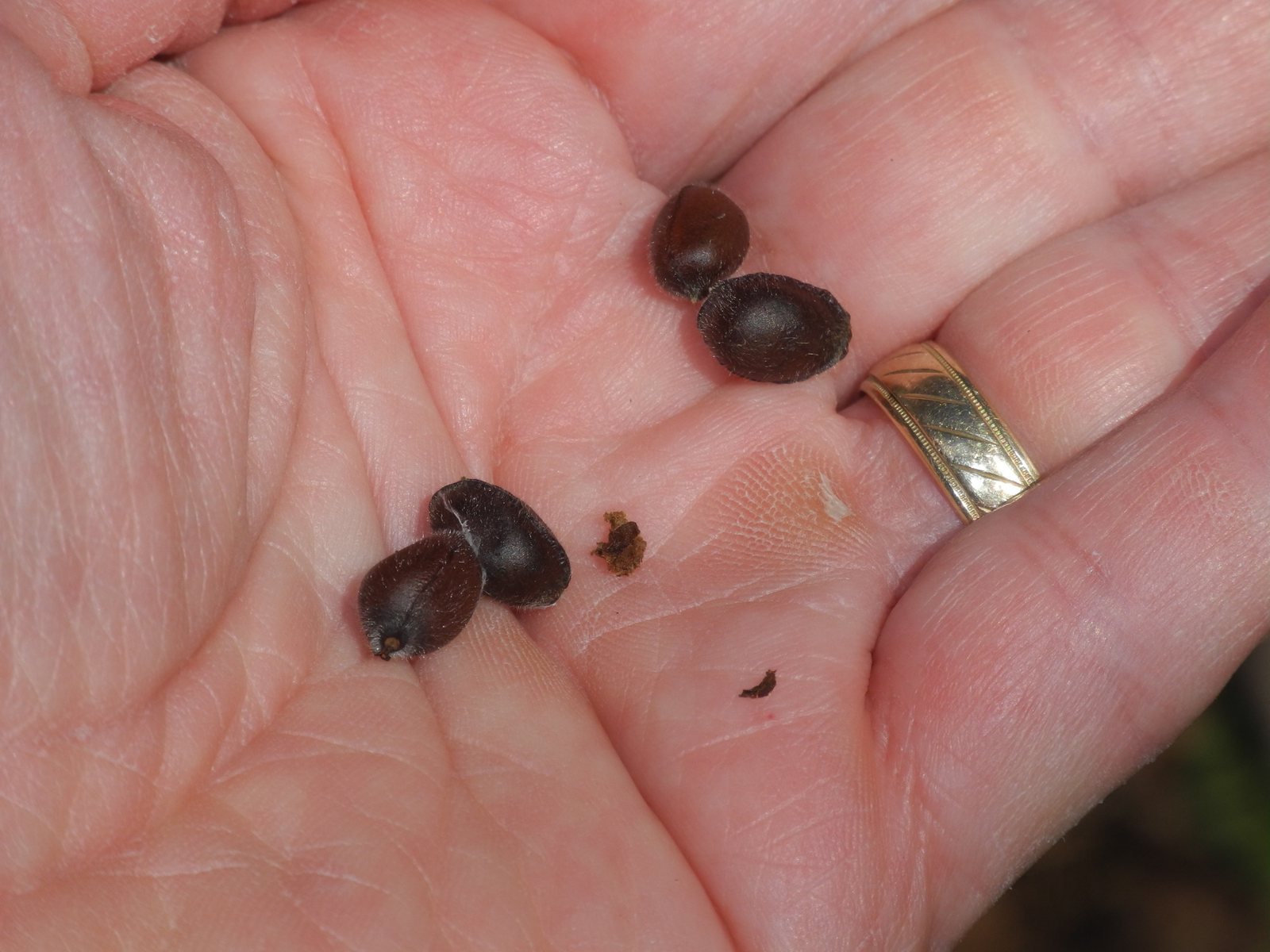
Not edible and not a substitute for culinary allspice. Seeds contain poisonous alkaloids, including calycanthine, and bark and other parts should also not be eaten. Ingestion can cause serious poisoning, including seizures; keep seeds away from children, cats, dogs and horses, although species-specific information for pets is limited.
Easily confused with
California sweetshrub (Calycanthus occidentalis)
Usually has larger leaves and larger, more openly shaped red flowers; flower scent is often less pleasant than that of fragrant Carolina allspice plants.
Chinese sweetshrub (Calycanthus chinensis)
Has much larger, broad-petalled white to pale pink flowers with contrasting yellow inner parts, rather than narrow maroon petals.
Wintersweet (Chimonanthus praecox)
Flowers on bare stems in winter, with small translucent yellow blooms often marked purple inside.
The name
Calycanthus comes from Greek words for calyx and flower, floridus means flowering or floriferous, and Carolina allspice refers to its southeastern US origins and spicy aroma.
Propagation. Separate rooted suckers while dormant, or take softwood cuttings in early summer. Seed can be sown fresh or given a cold, moist period before spring sowing; seedlings vary in flower fragrance and other traits.
Checked against open data
- Accepted botanical name
- Calycanthus floridus
- In the US and Canada
- Native in the lower 48 states.
- Native range
- Alabama, Florida, Georgia, Kentucky, Mississippi, North Carolina, Pennsylvania, South Carolina, Tennessee, Virginia and West Virginia.
- Measured
- Average height 220 cm.
Sources: GBIF (CC BY 4.0), USDA PLANTS and Trefle (CC BY 4.0). The care and design notes are LandscapeGPT's own.
See it in your own yard.
Upload a photo of your yard and see it redesigned with plants that suit your climate, each checked against your zone.