Carpathian bellflower
Campanula carpatica. Family Campanulaceae. Perennial.
Also called Carpathian harebell, Tussock bellflower.
Carpathian bellflower (Campanula carpatica) is a low, clump-forming perennial with upward-facing, cup-shaped flowers in blue, violet-blue or white. Gardeners grow it along path edges, in rock gardens and in containers where its summer flowers can be seen closely. It does best in cool summers and dislikes hot, humid conditions and waterlogged soil.
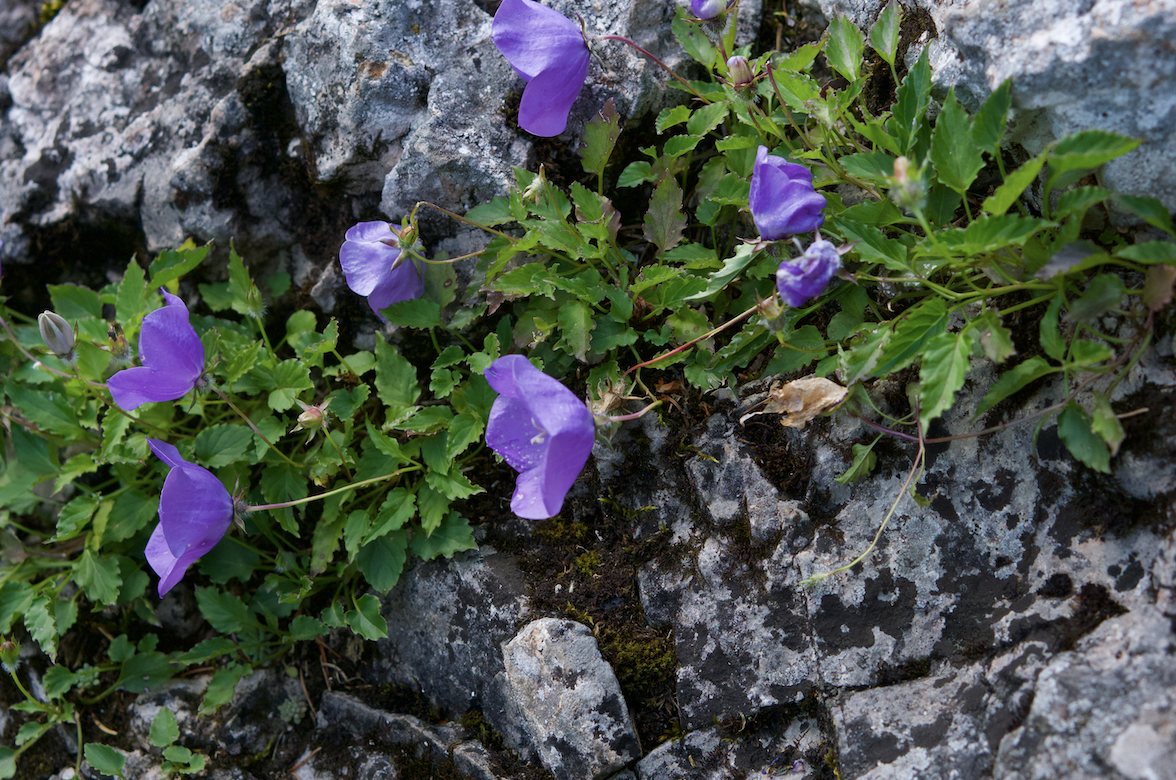
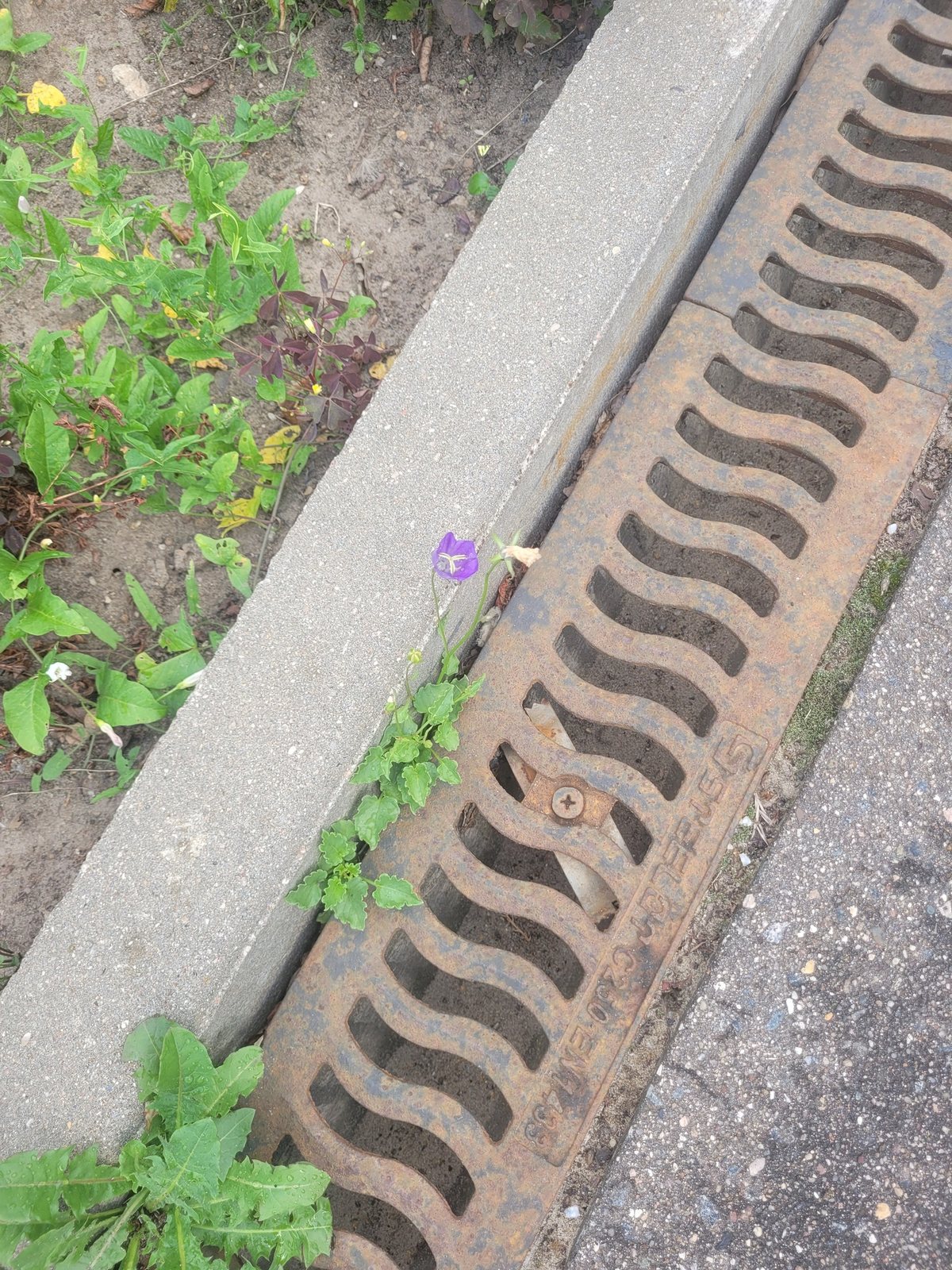
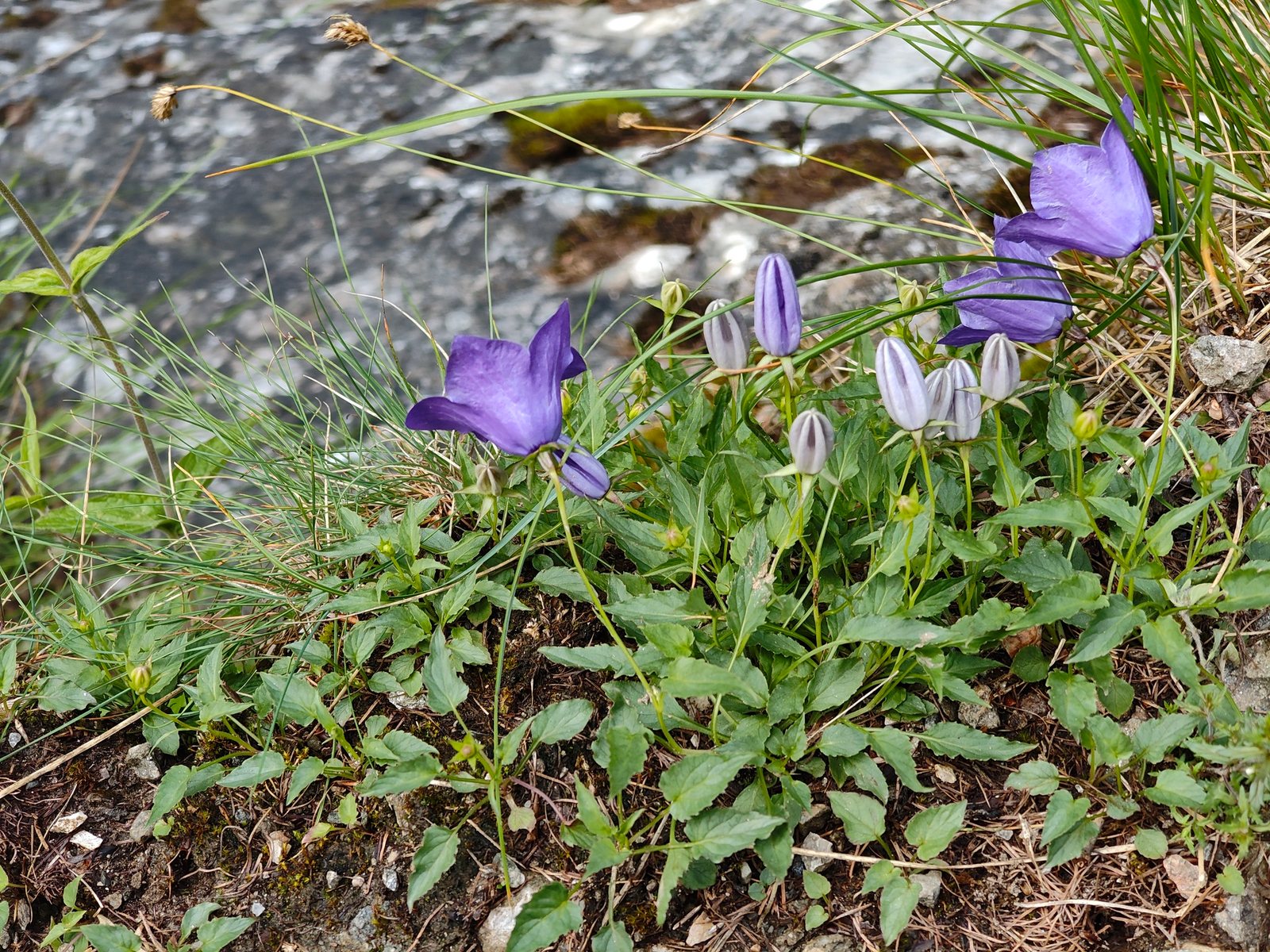
At a glance
- Sun
- Full sun in cool climates; light afternoon shade where summers are hot.
- Water
- Keep moderately moist during active growth, watering when the soil surface begins to dry. Avoid prolonged drought and winter waterlogging.
- Soil
- Well-drained, moderately fertile soil, preferably neutral to alkaline. Improve heavy soil drainage or grow in a raised bed.
- Height
- 0.5-1 ft (0.15-0.3 m)
- Spread
- 1-1.5 ft (0.3-0.45 m)
- Flowers
- Early to late summer, sometimes repeating into early autumn after trimming; blue, violet-blue or white.
- Foliage
- Small, rounded to heart-shaped green leaves with toothed edges, forming a low mound. Foliage usually dies back in winter.
- Growth
- Moderate; forms a compact clump rather than a rapidly spreading carpet.
- Care needed
- Low
The year at a glance
- Pollinators
- Cold hardy
- Low allergen
| J | F | M | A | M | J | J | A | S | O | N | D | |
|---|---|---|---|---|---|---|---|---|---|---|---|---|
| Flowers | ||||||||||||
| Plant |
Northern hemisphere months. In Australia, shift them by six.
- Difficulty
- Easy
- Toughness
- Fairly tough
Will it suit your garden?
Pick your zone, country, light and whether you have pets.
Full sun is 6 or more hours of direct sun a day, part shade 3 to 6 hours, shade under 3.
How it grows
Planting day
0.7 ft (0.22 m)
full size
About 2 years to full size.
From a typical nursery size, at an average rate for this kind of plant. A rule of thumb, not a forecast.
Good to know
- Cats and dogs
- Safe
- Growth rate
- Fast
Care
Jobs through the year
- WaterApr–May, Sep, every 14 days
- Water established clumps during dry spells; water new plants more often until rooted.
- WaterJun–Aug, every 7 days
- Water when the soil surface dries, skipping watering when rain keeps roots moist.
- MulchApr
- Top-dress lightly with compost, keeping the crown uncovered.
- DivideMar–Apr
- Divide crowded or declining clumps every three to four years.
- ProtectMar–May, every 7 days
- Check young growth for slugs and snails and control damage promptly.
- DeadheadJun–Sep, every 7 days
- Remove faded flowers, or lightly shear after the main flush to encourage repeat bloom.
- PruneNov
- Remove collapsed growth and clear wet leaves away from the crown.
- Water newly planted clumps regularly until rooted, then water during dry spells.
- Apply a thin layer of compost in spring; avoid heavy feeding that encourages floppy growth.
- Keep mulch away from the crown, especially where winters are wet.
- Divide crowded or declining clumps in spring, usually every three to four years.
- Check young growth for slugs and snails.
Pruning. Remove faded flowers regularly, or lightly shear the mound after the main flush to encourage another flowering. Cut dead stems and leaves back to the crown in late autumn or early spring.
Through the year
- Early spring
- Remove dead foliage and check that winter debris is not covering the crown.
- Spring
- Plant or divide clumps and water them in well.
- Mid-spring
- Top-dress lightly with compost and inspect new shoots for slug damage.
- Summer
- Water during dry spells and remove spent flowers.
- Late summer
- Lightly shear finished flower stems; keep soil moderately moist to support repeat flowering.
- Late autumn
- Remove collapsed growth and clear wet leaves from around the crown.
In the garden
- Edge sunny paths or small borders with repeated low mounds of blue or white flowers.
- Plant in rock gardens or raised alpine beds with pinks and low-growing saxifrages.
- Use in shallow containers with good drainage, where the upward-facing flowers are easy to see.
- Place at the front of cottage borders with catmint and hardy geraniums for a soft, cool-coloured planting.
Garden styles it suits: Alpine rock garden, Cottage garden, Blues and silvers, Dry gravel garden, Small-space and Pollinator garden.
Plant it with: Pinks, Creeping thyme, Saxifrage, Catmint, Hardy geranium and Creeping phlox.
Wildlife: The open flowers provide pollen and nectar for bees, including small solitary bees.
Problems to watch for
- Slugs and snails can eat young leaves and flowers; remove hiding places, hand-pick at dusk or use labelled iron-phosphate bait.
- Root and crown rot can develop in wet soil; improve drainage, keep the crown clear and replace badly rotted plants.
- Rust may cause orange-brown pustules on leaves; remove affected foliage, clear fallen leaves and improve air circulation.
- Heat and drought can stop flowering or scorch foliage; provide afternoon shade in hot climates and water before the root zone dries completely.
Safety
Not known to be toxic to cats, dogs, horses or people, and no poisonous parts are recognized. Species-specific toxicity information is limited; eating large amounts of any garden plant may cause stomach upset.
Easily confused with
Dalmatian bellflower (Campanula portenschlagiana)
Forms a spreading, often evergreen mat with smaller, more funnel-shaped purple flowers; Carpathian bellflower forms a distinct mound with broader, upward-facing cups.
Serbian bellflower (Campanula poscharskyana)
Has trailing stems and deeply split, star-shaped flowers rather than the broad cups of Carpathian bellflower.
Peach-leaved bellflower (Campanula persicifolia)
Grows much taller, with narrow leaves and flowers arranged along upright stems rather than just above a low mound.
The name
Campanula means 'little bell' in Latin, while carpatica refers to the Carpathian Mountains of central and eastern Europe, where the species is native.
Propagation. Divide established clumps in spring or take basal cuttings from young shoots in spring. Sow seed in spring on the surface of moist seed compost without burying it deeply; named cultivars may not come true from seed.
Checked against open data
- Accepted botanical name
- Campanula carpatica
- In the US and Canada
- Introduced in the lower 48 states.
- Native range
- Czechoslovakia, Romania and Ukraine.
- Measured
- Average height 30 cm.
Sources: GBIF (CC BY 4.0), USDA PLANTS and Trefle (CC BY 4.0). The care and design notes are LandscapeGPT's own.
See it in your own yard.
Upload a photo of your yard and see it redesigned with plants that suit your climate, each checked against your zone.