Catmint 'Six Hills Giant'
Nepeta 'Six Hills Giant'. Family Lamiaceae. Perennial.
Also called Nepeta 'Six Hills Giant', Nepeta × faassenii 'Six Hills Giant'.
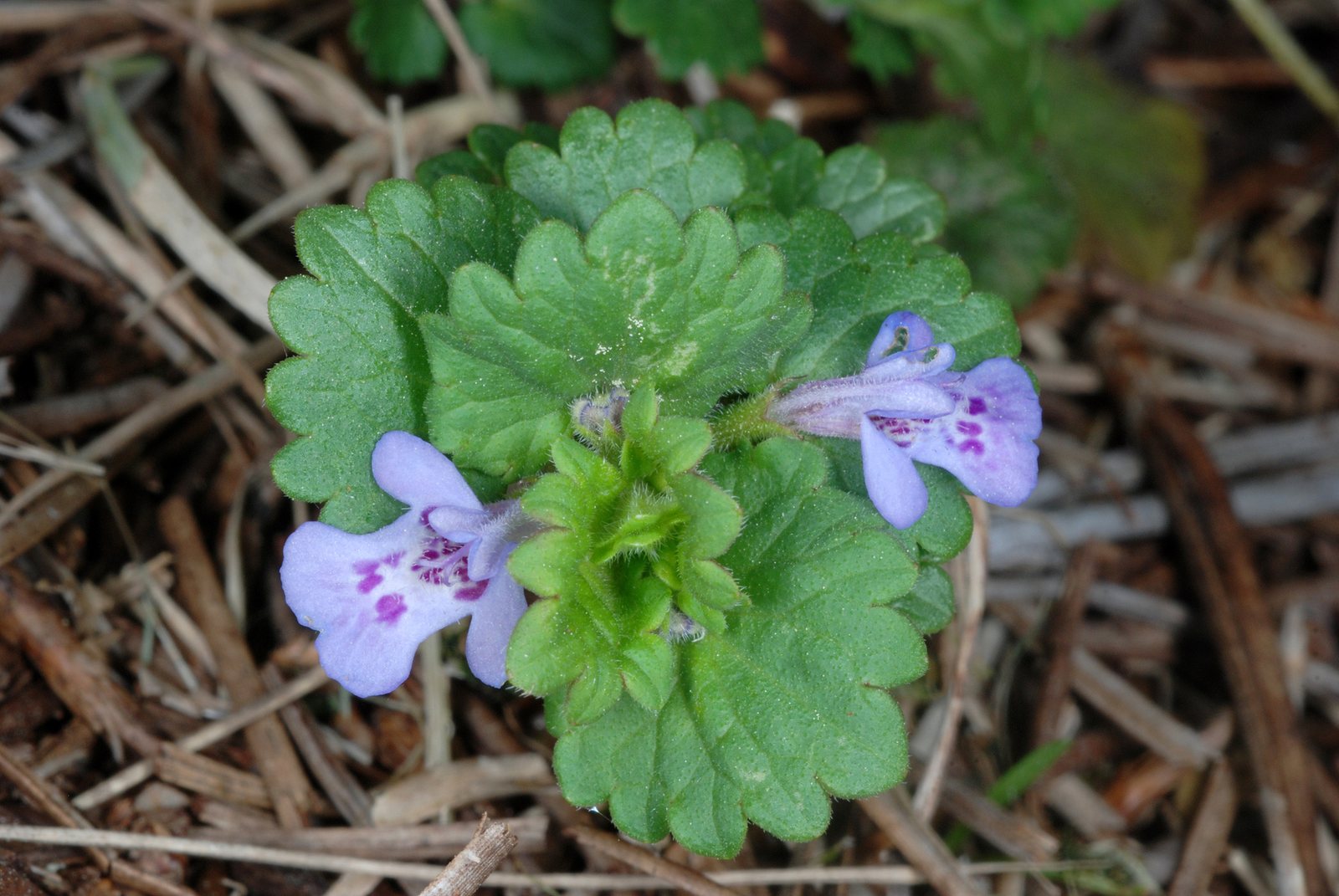
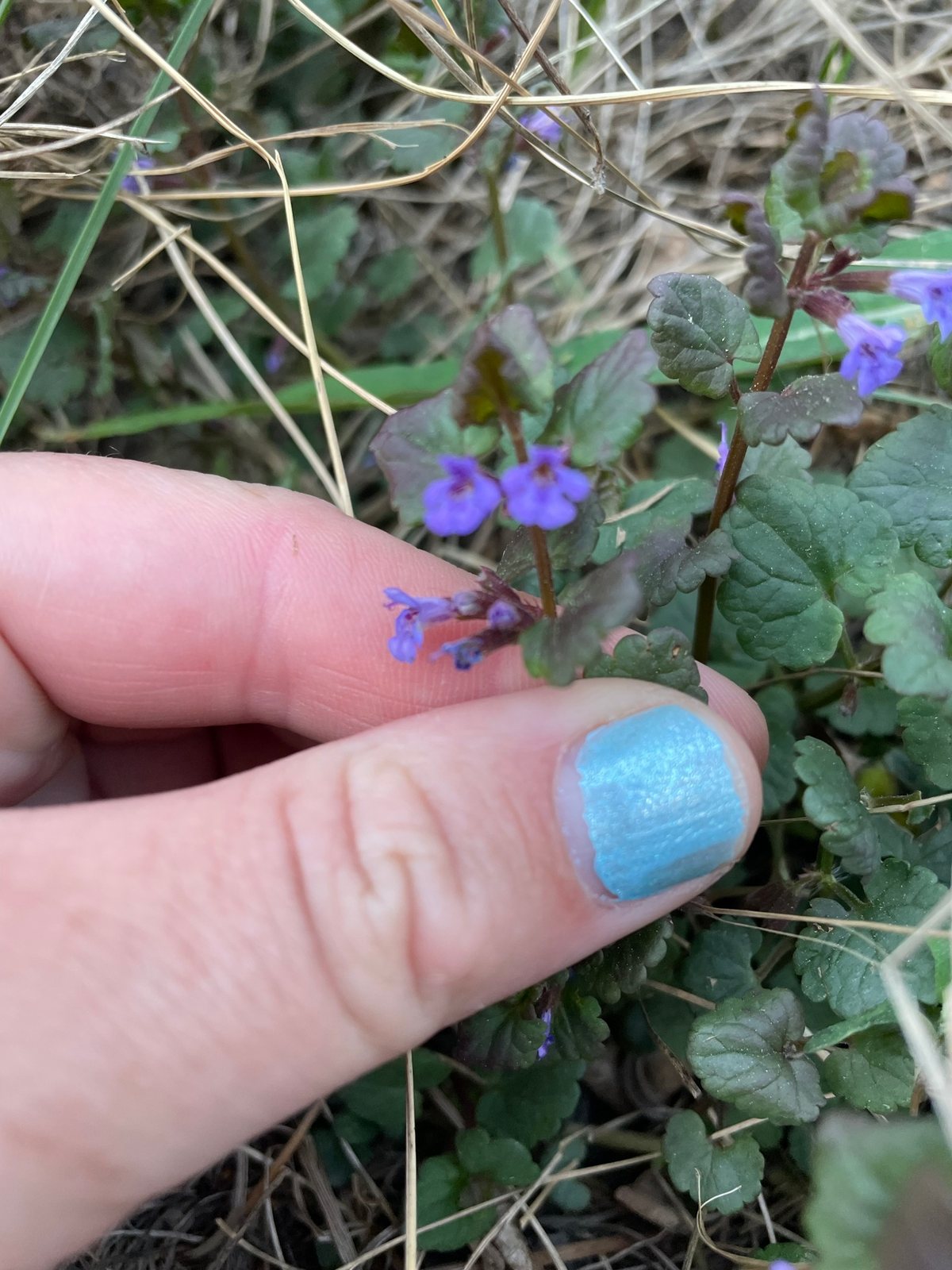
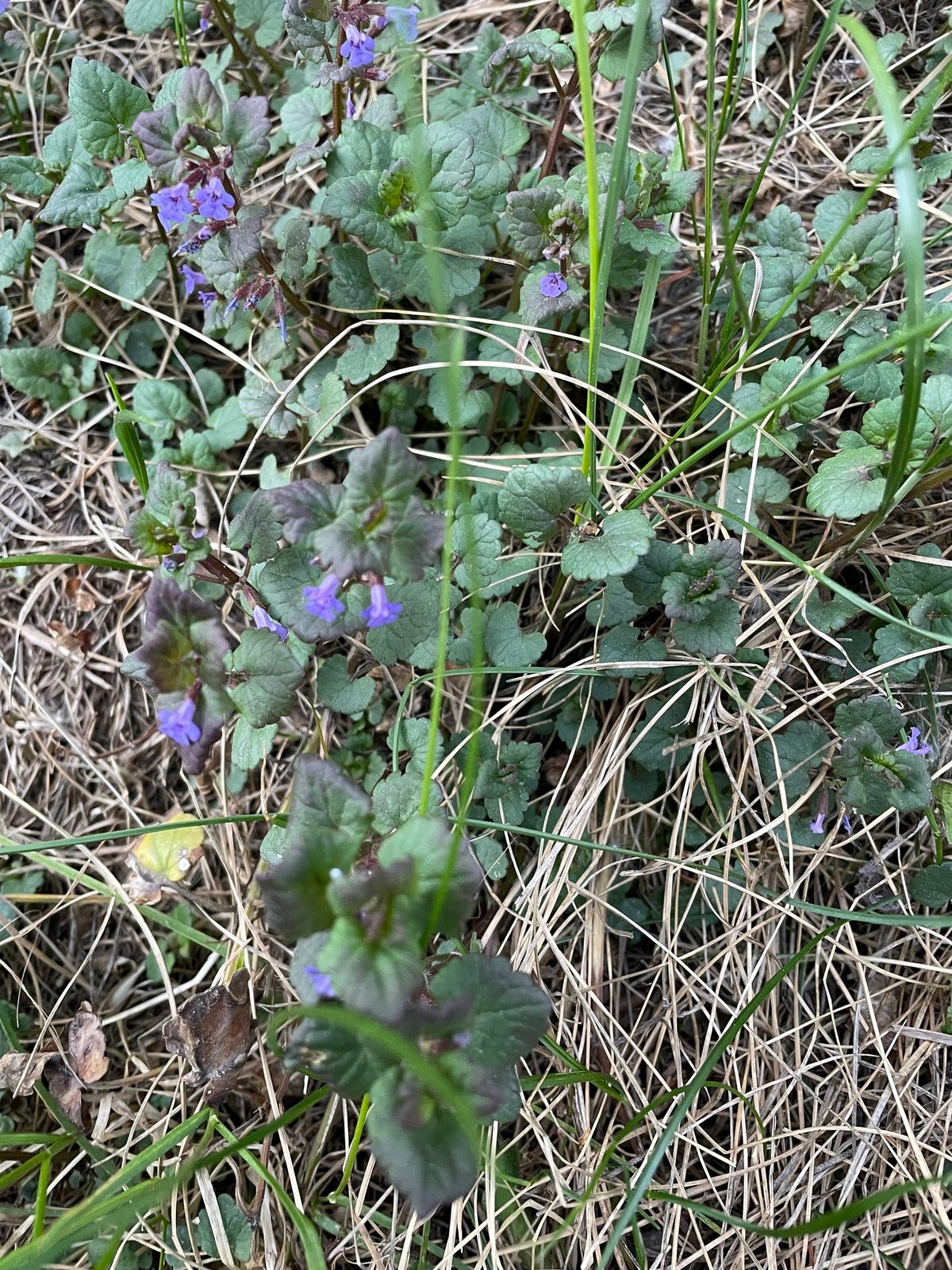
'Six Hills Giant' is a vigorous, clump-forming perennial with aromatic grey-green leaves and loose spikes of lavender-blue flowers. Gardeners grow it for its long flowering season, appeal to bees and soft, billowing shape along sunny borders.
At a glance
- Sun
- Full sun; tolerates light shade but flowers less and may flop.
- Water
- Water regularly during establishment; once established, water during prolonged drought. Avoid persistently wet soil.
- Soil
- Well-drained soil, including sandy, chalky or gravelly ground; tolerates a broad pH range. Avoid heavy, waterlogged soil.
- Height
- 2-3 ft (0.6-0.9 m)
- Spread
- 2-3 ft (0.6-0.9 m)
- Flowers
- Lavender-blue flowers from late spring through summer, with a further flush into early autumn after shearing.
- Foliage
- Small, opposite, softly hairy grey-green leaves with toothed edges and a minty scent when brushed or crushed.
- Growth
- Fast; usually forms a substantial clump within two growing seasons.
- Care needed
- Low
The year at a glance
- Pollinators
- Deer resistant
- Drought tolerant
- Cold hardy
- Low allergen
- Fragrant
| J | F | M | A | M | J | J | A | S | O | N | D | |
|---|---|---|---|---|---|---|---|---|---|---|---|---|
| Flowers | ||||||||||||
| Plant |
Northern hemisphere months. In Australia, shift them by six.
- Difficulty
- Easy
- Toughness
- Very tough
Will it suit your garden?
Pick your zone, country, light and whether you have pets.
Full sun is 6 or more hours of direct sun a day, part shade 3 to 6 hours, shade under 3.
How it grows
Planting day
1 ft (0.3 m)
After 1 year
1.7 ft (0.53 m)
After 2 years
2.5 ft (0.75 m)
full size
About 2 years to full size.
From a typical nursery size, at an average rate for this kind of plant. A rule of thumb, not a forecast.
Good to know
- Cats and dogs
- Mildly toxic: may upset a stomach
- Growth rate
- Fast
Care
Jobs through the year
- WaterApr–May, Sep, every 21 days
- Water established clumps only during prolonged drought; water new plants more often.
- WaterJun–Aug, every 14 days
- Water deeply during prolonged dry weather, especially after shearing.
- PruneFeb–Mar
- Cut old stems close to the ground before new shoots lengthen.
- PruneJun–Jul
- After the main flush, shear stems back by half, retaining leafy growth for repeat bloom.
- DivideMar–Apr
- Divide crowded or thinning clumps every three to four years.
- ProtectMar–May
- Use a temporary wire guard if cats flatten newly planted clumps.
- ProtectJan–Feb, Nov–Dec
- Clear wet leaves from the crown and prevent standing water.
- Water newly planted clumps deeply when the surrounding soil begins to dry.
- Plant in full sun with enough space for the stems to arch outward.
- Avoid rich feeding; excess nitrogen produces loose growth and fewer flowers.
- Keep mulch clear of the crown, especially in wet-winter climates.
- Divide crowded or thinning clumps in spring, usually every three to four years.
Pruning. After the main flower flush fades, shear stems back by about half, keeping some leafy growth, to encourage fresh foliage and more flowers. Cut remaining dead stems close to the ground in late winter or early spring before new shoots lengthen.
Through the year
- Early spring
- Cut down old stems before new growth develops; divide established clumps if needed.
- Spring
- Plant in well-drained soil and water regularly while roots establish.
- Late spring
- Check that neighbouring plants are not shading or crowding the developing clump.
- Summer
- Shear after the main flowering flush and water if the soil is very dry.
- Early autumn
- Enjoy repeat flowers; avoid feeding or hard pruning as cold weather approaches.
- Winter
- Keep the crown free of wet leaves and check that water is not pooling around it.
In the garden
- Repeat broad clumps along a sunny path for a soft edge; set plants back so stems do not block the walkway.
- Plant beneath shrub roses to cover bare lower stems and contrast lavender-blue flowers with rose blooms.
- Combine with ornamental grasses and upright perennials for contrasting shapes in a naturalistic border.
- Use in sunny gravel gardens with other drought-tolerant plants, allowing room for its spreading mound.
Garden styles it suits: Cottage garden, English country, New perennial (prairie), Pollinator garden, Dry gravel garden and Mediterranean.
Plant it with: Shrub roses, Salvia, Yarrow, Purple coneflower, Bearded iris and Feather reed grass.
Wildlife: Flowers provide nectar for bees and attract butterflies. Deer and rabbits usually leave the aromatic foliage alone, although no plant is completely browsing-proof.
Problems to watch for
- Flopping stems: provide full sun, avoid nitrogen-rich fertiliser and shear after the first flower flush.
- Crown or root rot: improve drainage or move the plant to a raised position; do not leave the crown under wet mulch.
- Powdery mildew: allow more airflow, avoid crowding and remove badly affected growth.
- Cats flattening young plants: protect new clumps with a temporary wire guard until established.
Safety
This cultivar is not known to be toxic to people, cats, dogs or horses, but cultivar-specific safety information is limited. It is not a food plant; eating large amounts of leaves or stems may cause digestive upset. Some cats are attracted to the foliage.
Easily confused with
Catnip (Nepeta cataria)
Catnip has coarser, greener, more triangular leaves and mostly whitish flowers with purple markings, rather than the lavender-blue flower spikes of 'Six Hills Giant'.
Catmint 'Walker's Low' (Nepeta 'Walker's Low')
It has very similar foliage and flowers but generally makes a somewhat lower mound. Size overlaps, so a reliable label is the best way to confirm the cultivar.
Russian sage (Salvia yangii)
Russian sage has woody lower stems, more finely divided silvery leaves and an airier framework, usually flowering later in summer.
The name
The common name catmint refers to its mint-family foliage and the attraction some cats show to its scent.
Propagation. Divide clumps in spring or take softwood cuttings in late spring or early summer. This cultivar is generally sterile; division and cuttings preserve its characteristics.
Checked against open data
- Accepted botanical name
- Nepeta
Sources: GBIF (CC BY 4.0). The care and design notes are LandscapeGPT's own.
See it in your own yard.
Upload a photo of your yard and see it redesigned with plants that suit your climate, each checked against your zone.