Catnip
Nepeta cataria. Family Lamiaceae. Perennial.
Also called Catmint, Catswort.
Catnip is a hardy, short-lived perennial herb with aromatic grey-green leaves and loose spikes of small flowers. Gardeners grow it for cats, herbal tea and visiting bees, although its upright, sometimes floppy growth is less tidy than ornamental catmints.
At a glance
- Sun
- Full sun to partial shade; flowers best and stays more compact in full sun.
- Water
- Water regularly while establishing, then during prolonged dry spells. Established plants tolerate moderately dry soil but not persistent waterlogging.
- Soil
- Well-drained sandy, loamy or gravelly soil, including moderately poor soil; tolerates a broad pH range.
- Height
- 2-3 ft (0.6-0.9 m)
- Spread
- 1-2 ft (0.3-0.6 m)
- Flowers
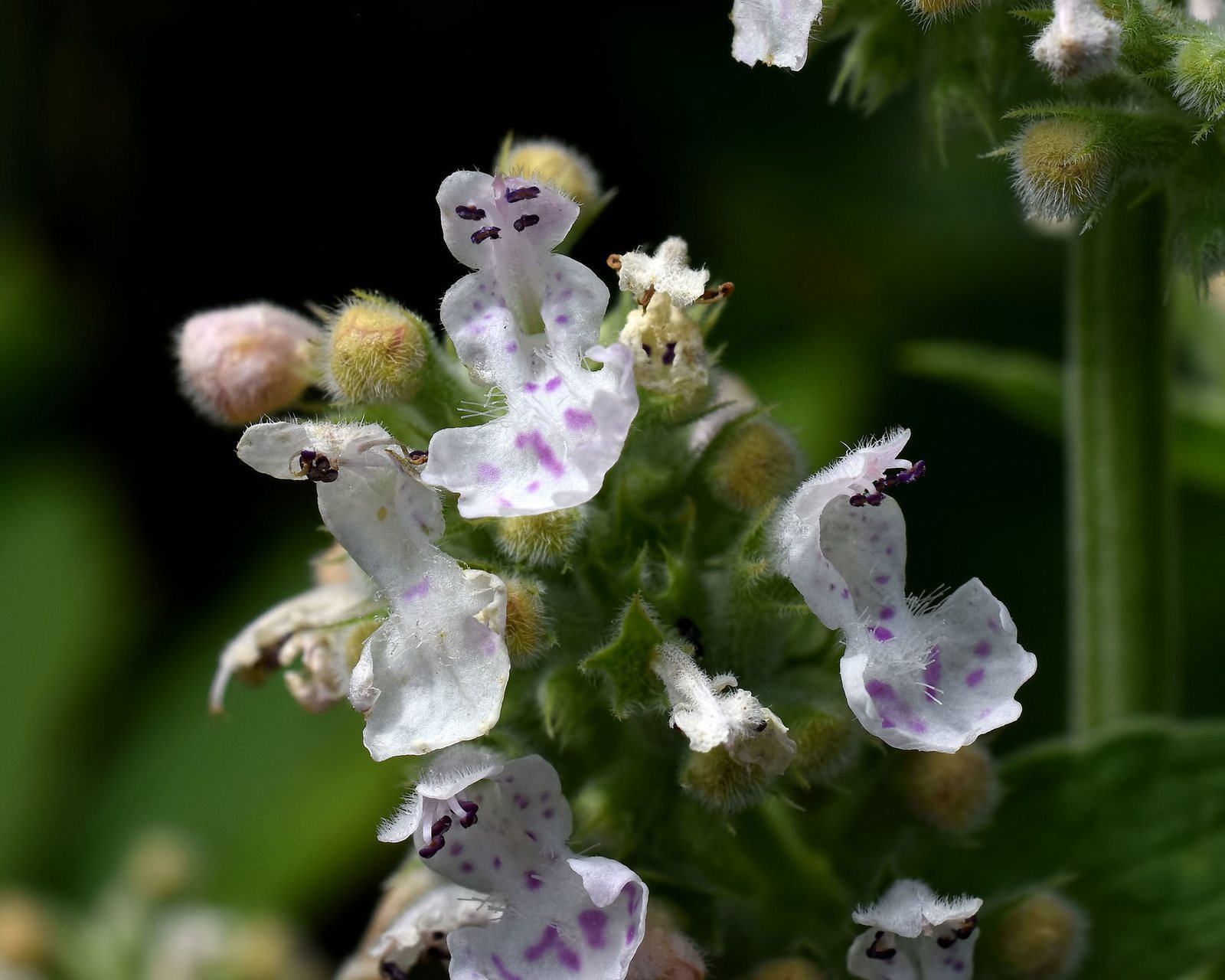
- Summer to early autumn; small white to pale pink flowers with purple spotting.
- Foliage
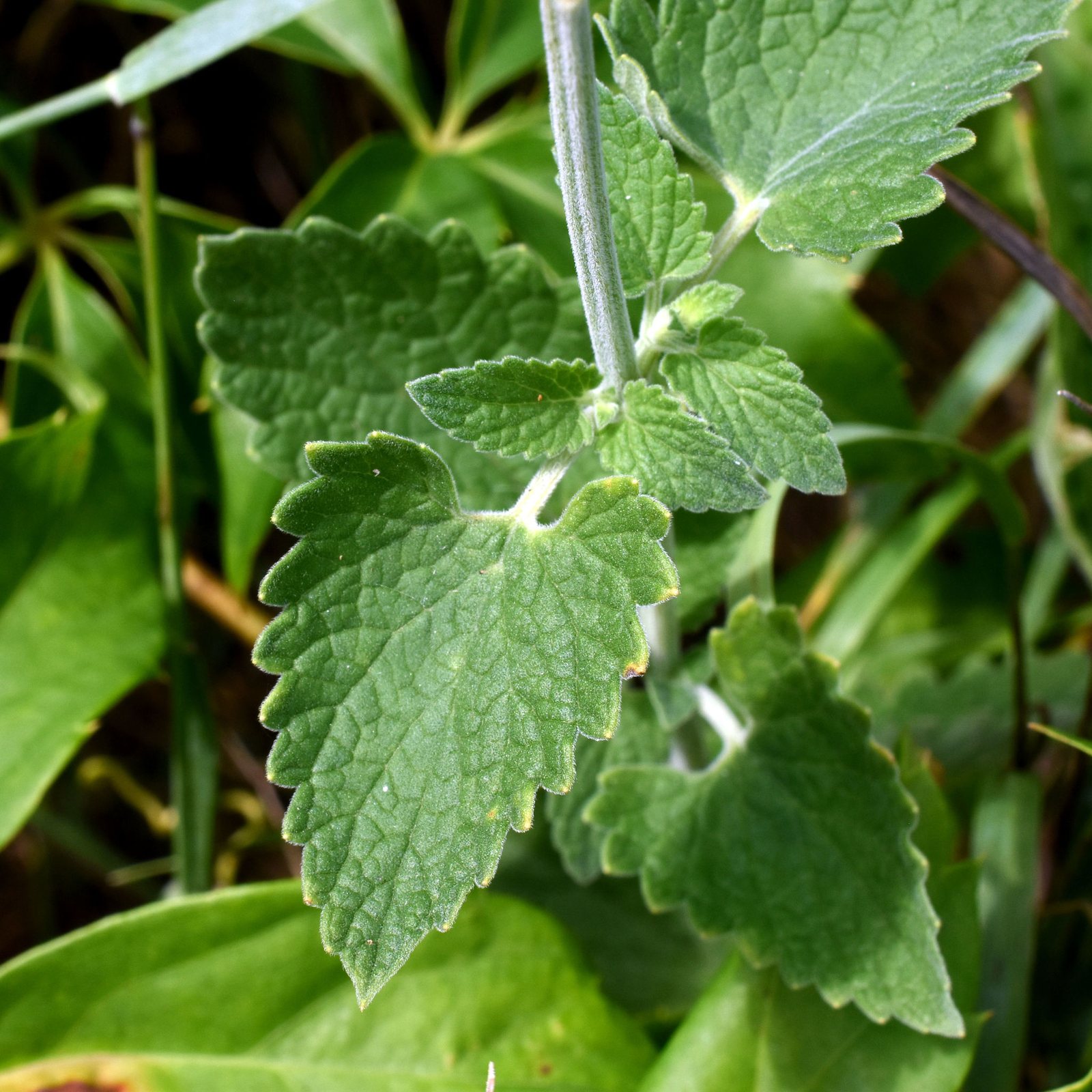
- Opposite, softly hairy, grey-green leaves with toothed edges and a pungent mint-like scent when crushed.
- Growth
- Fast
- Care needed
- Low
The year at a glance
- Pollinators
- Deer resistant
- Drought tolerant
- Cold hardy
- Low allergen
- Fragrant
| J | F | M | A | M | J | J | A | S | O | N | D | |
|---|---|---|---|---|---|---|---|---|---|---|---|---|
| Flowers | ||||||||||||
| Plant |
Northern hemisphere months. In Australia, shift them by six.
- Difficulty
- Easy
- Toughness
- Very tough
Will it suit your garden?
Pick your zone, country, light and whether you have pets.
Full sun is 6 or more hours of direct sun a day, part shade 3 to 6 hours, shade under 3.
How it grows
Planting day
1 ft (0.3 m)
After 1 year
1.7 ft (0.53 m)
After 2 years
2.5 ft (0.75 m)
full size
About 2 years to full size.
From a typical nursery size, at an average rate for this kind of plant. A rule of thumb, not a forecast.
Good to know
- Cats and dogs
- Mildly toxic: may upset a stomach
- Invasive in
- Australia
- In the garden
- Spreads vigorously: plan to contain it.
- Growth rate
- Fast
Care
Jobs through the year
- WaterApr–May, Sep–Oct, every 21 days
- Water established plants only if soil is dry and rain absent; water young plants more often.
- WaterJun–Aug, every 14 days
- Water deeply during prolonged dry spells, allowing soil to dry between waterings.
- PruneFeb–Mar
- Cut dead stems just above ground before new shoots develop.
- ProtectMar–May
- Surround young plants with a sturdy wire cage where cats may damage them.
- PruneJul
- Cut stems back by half after the main flowering flush.
- DeadheadJul–Sep, every 14 days
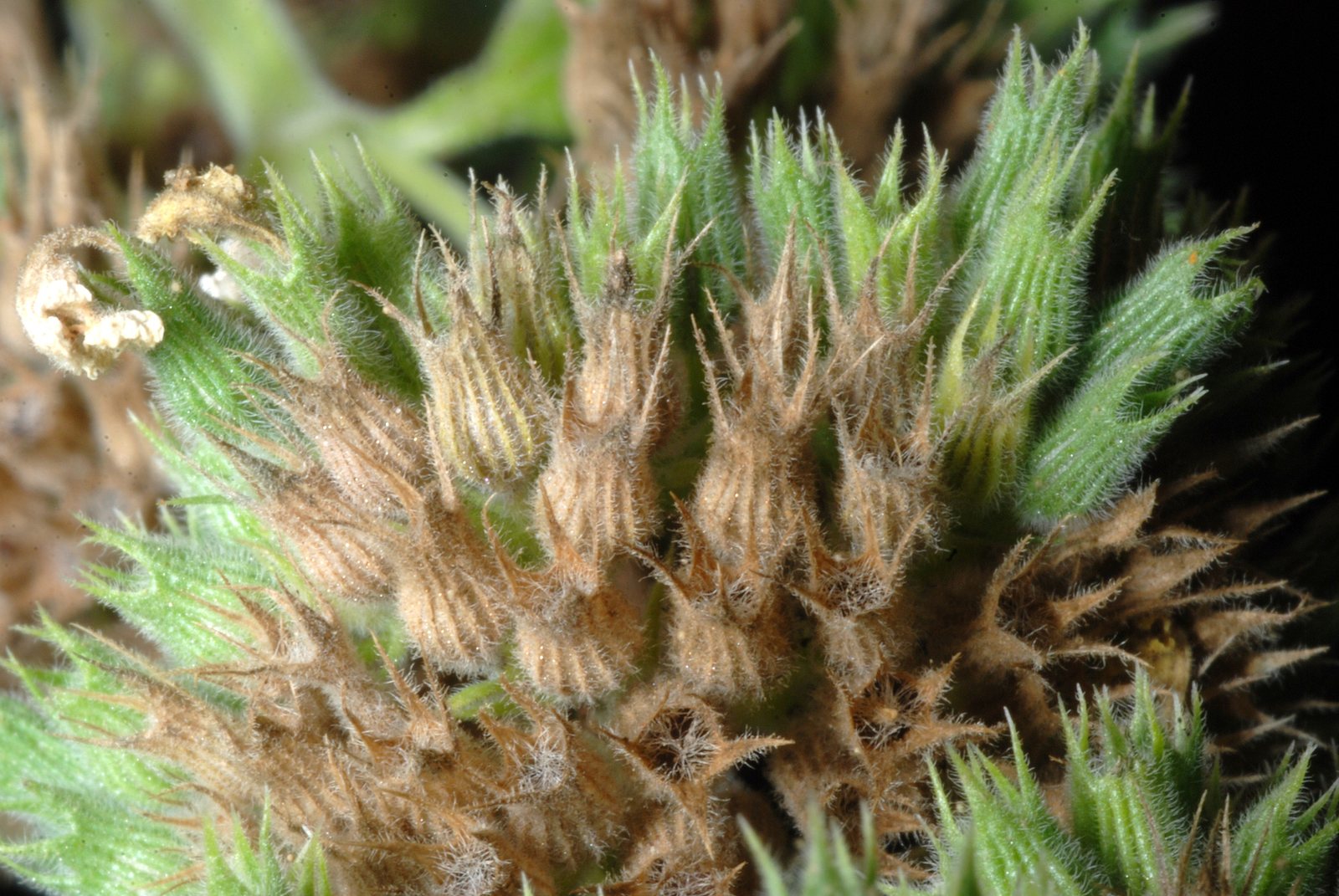
- Remove fading spikes before seeds ripen to limit self-sowing.
- Water newly planted catnip whenever the surface soil dries; reduce watering once established.
- Avoid rich feeding, which encourages soft, floppy stems; most garden soils need no fertiliser.
- Keep mulch away from the crown, especially in wet winter climates.
- Protect young plants with a wire cage if cats roll on or chew them.
- Remove unwanted seedlings while small and cut off fading flower spikes before seeds ripen.
Pruning. After the first main flush of flowers, cut stems back by about half to encourage fresh growth and possible repeat flowering. Cut dead stems to just above ground level in late winter or early spring.
Harvest
Pick healthy leaves and tender shoot tips once the plant is well established, preferably just before or as flowering begins for drying. Harvest after the dew has dried, leaving plenty of leafy growth, and dry the stems in a shaded, airy place for herbal tea.
Through the year
- Late winter
- Cut away dead stems before new shoots develop.
- Spring
- Sow seed or plant young plants after the soil is workable; protect them from cats.
- Late spring
- Pinch out shoot tips if you want a bushier plant, and remove surplus seedlings.
- Early summer
- Harvest leafy stems for drying as the first flowers open.
- Midsummer
- Cut back after the main flowering flush and water during prolonged drought.
- Early autumn
- Remove remaining seed heads if you do not want self-sown plants.
In the garden
- Plant in an informal herb garden alongside thyme, sage and oregano for contrasting leaf shapes and useful harvests.
- Use in a sunny pollinator border, where its small flowers provide forage for bees.
- Place behind lower-growing plants in a cottage border to soften its sometimes bare lower stems.
- Grow in a large, well-drained container near a seating area where its scented leaves are easy to reach.
Garden styles it suits: Cottage garden, Pollinator garden, Sensory garden, Potager (kitchen garden), Homestead and Herb parterre.
Plant it with: Common sage, Thyme, Oregano, Yarrow, Purple coneflower and Lavender.
Wildlife: Flowers attract bees and other pollinating insects. Many, but not all, cats respond to the aromatic foliage by rubbing, rolling or chewing.
Problems to watch for
- Cats can flatten or uproot young plants: surround them with a sturdy wire cage until established.
- Root and crown rot in wet soil: improve drainage, avoid overwatering and keep mulch away from the crown.
- Powdery mildew can coat leaves in crowded conditions: improve airflow and remove badly affected growth.
- Floppy stems in shade or rich soil: provide more sun, avoid nitrogen-rich feeding and cut back after flowering.
Safety
Leaves and flowering stems contain aromatic compounds that affect cats; eating too much can cause vomiting or diarrhoea, so do not allow unrestricted consumption. Catnip is not known to be toxic to dogs, horses or people in ordinary small amounts. Concentrated essential oil is not equivalent to the fresh herb and should not be given to pets.
Where it spreads. Readily self-seeds and can become weedy. It is widely naturalised in the northeastern and midwestern United States and southern Canada, and is regarded as an environmental weed in parts of southeastern Australia, including Victoria. Prevent seed set near natural areas and check local weed guidance before planting.
Easily confused with
Garden catmint (Nepeta × faassenii)
Usually forms a lower, broader mound with smaller, narrower leaves and lavender-blue flowers; catnip is more upright with broader leaves and mainly whitish flowers.
Lemon balm (Melissa officinalis)
Has greener, more wrinkled leaves with a clear lemon scent; its flowers sit in small clusters at leaf joints rather than conspicuous terminal spikes.
White dead-nettle (Lamium album)
Has larger, hooded white flowers arranged in rings around the stem and greener, nettle-like leaves without catnip's characteristic scent.
The name
The species name cataria means 'of cats', referring to the attraction that also gives catnip its common name.
Propagation. Sow seed in spring, pressing it onto the surface and covering only lightly; germination can be uneven. Divide established clumps in spring, or root soft shoot-tip cuttings in late spring or early summer.
Checked against open data
- Accepted botanical name
- Nepeta cataria
- In the US and Canada
- Introduced in Alaska, Canada and the lower 48 states.
- Native range
- Afghanistan, Albania, Altay, Baleares, Baltic States, Belarus, Bulgaria, Central European Rus, China North-Central, China South-Central, Corse and East European Russia.
- Measured
- Soil pH 7 to 7.5. Average height 69 cm.
Sources: GBIF (CC BY 4.0), USDA PLANTS and Trefle (CC BY 4.0). The care and design notes are LandscapeGPT's own.
See it in your own yard.
Upload a photo of your yard and see it redesigned with plants that suit your climate, each checked against your zone.