Celery
Apium graveolens. Family Apiaceae. Annual.
Also called Stalk celery, Garden celery.
Celery is a biennial vegetable grown as an annual for its crisp, aromatic leaf stalks and edible leaves. It needs a long, mild growing season, rich soil and steady moisture; heat, drought or prolonged cold while young can spoil the crop.
At a glance
- Sun
- Full sun in cool climates; light afternoon shade where summers are hot.
- Water
- Keep the root zone consistently moist but not waterlogged. Water deeply whenever the soil surface starts to dry.
- Soil
- Fertile, moisture-retentive soil with good drainage and plenty of compost; pH 6.0-7.0.
- Height
- 1-2 ft (0.3-0.6 m); flowering plants can reach 3 ft (0.9 m)
- Spread
- 0.75-1 ft (0.23-0.3 m)
- Foliage
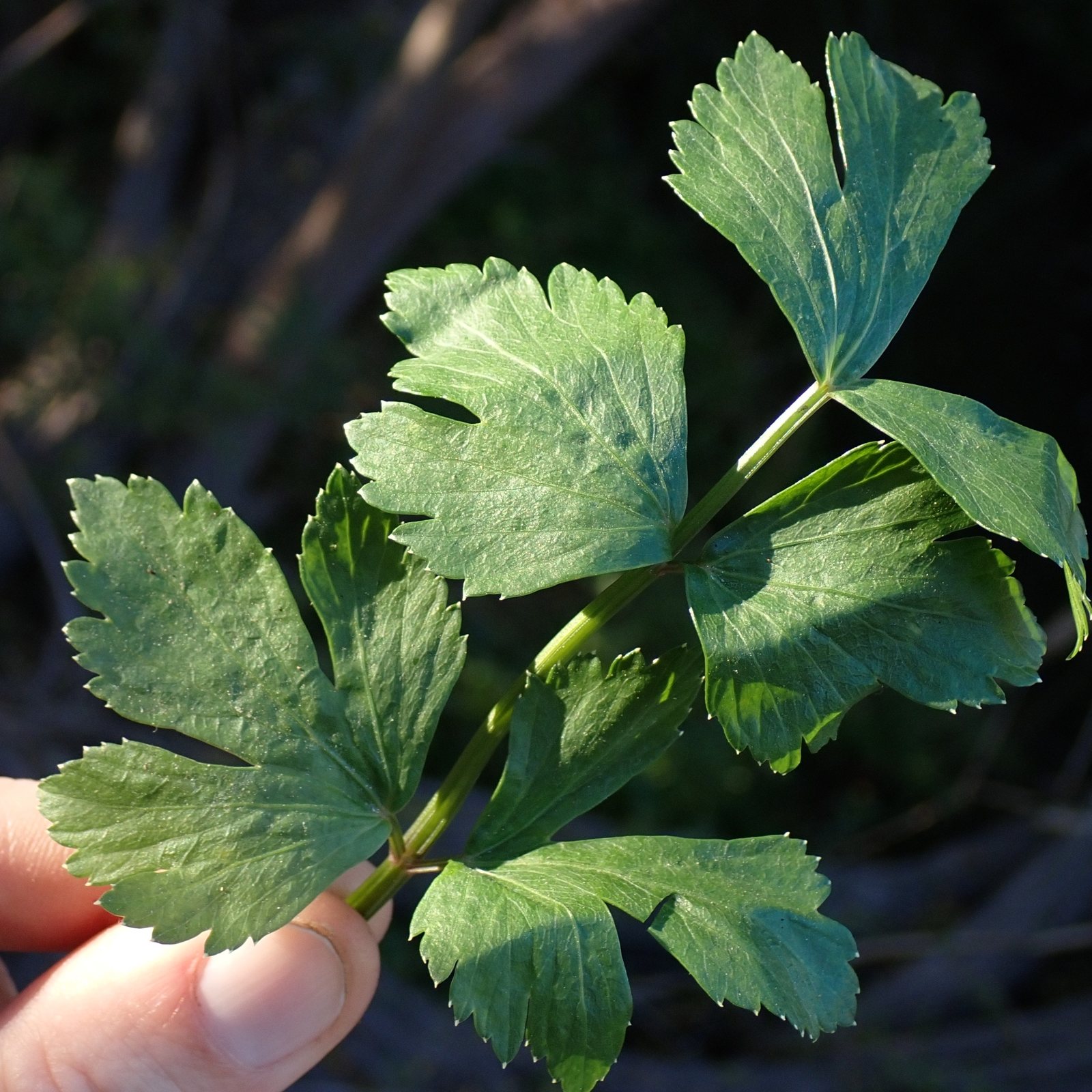
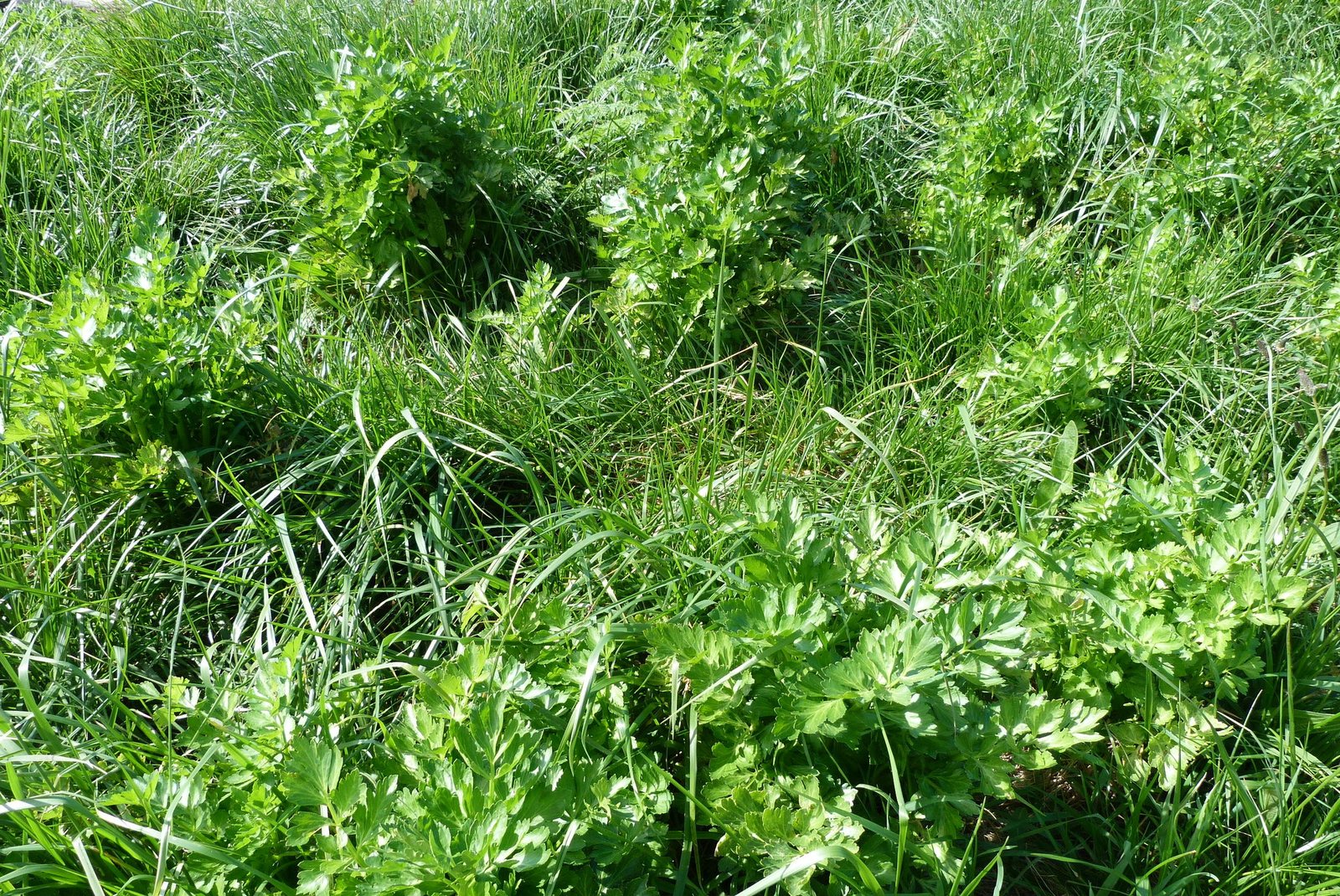
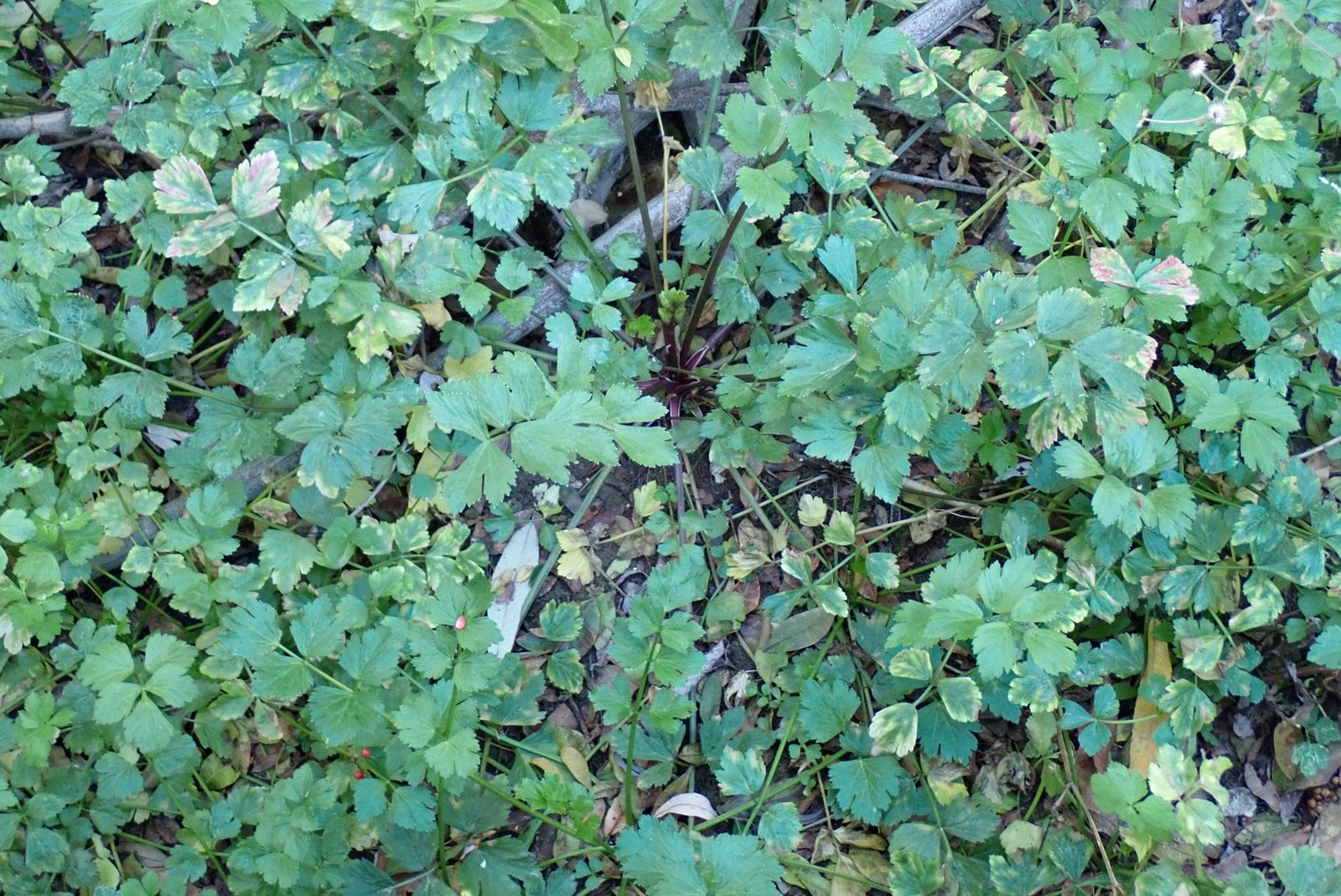
- Upright clusters of thick, ribbed green or pale green leaf stalks topped with divided, toothed, aromatic leaves.
- Growth
- Moderate; slow from seed.
- Care needed
- High
The year at a glance
- Edible
| J | F | M | A | M | J | J | A | S | O | N | D | |
|---|---|---|---|---|---|---|---|---|---|---|---|---|
| Fruit | ||||||||||||
| Plant |
Northern hemisphere months. In Australia, shift them by six.
- Difficulty
- Hard
- Toughness
- Needs looking after
Will it suit your garden?
Pick your zone, country, light and whether you have pets.
Full sun is 6 or more hours of direct sun a day, part shade 3 to 6 hours, shade under 3.
How it grows
Planting day
0.5 ft (0.15 m)
After 1 year
1.5 ft (0.45 m)
full size
Full size in one season.
From a typical nursery size, at an average rate for this kind of plant. A rule of thumb, not a forecast.
Good to know
- Cats and dogs
- Safe
- Native to
- Canada and the UK
- Growth rate
- Slow
Care
Jobs through the year
- WaterMay, Sep–Nov, every 3 days
- Keep established plants evenly moist, adjusting for rain; new transplants need closer attention.
- WaterJun–Aug, every 2 days
- Water deeply before the surface dries; check daily in hot weather.
- FeedMay–Sep, every 21 days
- Apply balanced vegetable fertilizer at the label rate; avoid feeding dry soil.
- MulchMay–Jun
- Mulch after planting to conserve moisture, leaving the crowns clear.
- ProtectMay–Jun
- Harden off before planting after frost; protect seedlings from slugs and prolonged cold.
- ProtectAug–Oct
- For varieties needing blanching, sleeve lower stalks for the final 2–3 weeks.
- HarvestAug–Nov, every 7 days
- Cut usable outer stalks or whole plants; finish harvesting before severe frost.
- Mix well-rotted compost into the bed before planting, and space plants 8-12 in (20-30 cm) apart.
- Water regularly; do not let the soil dry out between waterings.
- Mulch around established plants to conserve moisture, keeping mulch clear of the crown.
- Feed with a balanced vegetable fertilizer according to its label, especially in containers.
- Harden seedlings off gradually and avoid planting them into prolonged cold, which can trigger premature flowering.
- For varieties that need blanching, exclude light from the lower stalks with clean cardboard sleeves for the final 2-3 weeks; keep the leaves exposed.
Pruning. No routine pruning is needed. Remove damaged or yellowing outer stalks at their base without injuring the central growing point.
Harvest
Harvest when the stalks are thick, firm and large enough to use, commonly 3-5 months after transplanting, depending on variety and conditions. Cut individual outer stalks at the base for repeated picking, or cut the whole plant at soil level before severe frost; the leaves are also edible.
Through the year
- Late winter
- For a spring-planted crop, sow indoors 10-12 weeks before planting out; surface-sow and keep evenly moist.
- Spring
- Prepare a compost-rich bed and harden seedlings off gradually.
- Late spring
- Plant out after frost risk has passed and prolonged cold is unlikely; water well and mulch.
- Summer
- Maintain steady moisture, feed as needed and inspect the crowns for slugs.
- Late summer
- Begin harvesting usable outer stalks; blanch varieties that require it shortly before the main harvest.
- Autumn
- Harvest remaining plants before severe frost. In mild, hot-summer regions, establish a cool-season crop instead.
In the garden
- Plant in orderly rows in a potager, where the upright foliage gives structure among lower vegetables.
- Use along accessible vegetable-bed edges for frequent picking of outer stalks.
- Grow in large, moisture-retentive containers near the kitchen, with reliable watering.
- Combine with lettuce and beetroot in edible borders for contrasting leaf shapes and colours.
Garden styles it suits: Potager (kitchen garden), Edible landscape, Homestead, Cottage garden, Family-friendly and Green on green.
Plant it with: Lettuce, Leeks, Beetroot, Kale, Dwarf French beans and Calendula.
Wildlife: Plants left to flower produce small umbels visited by hoverflies, small bees and parasitic wasps. Flowering usually occurs in the second year and reduces stalk quality.
Problems to watch for
- Slugs and snails chew seedlings and stalks: remove hiding places, hand-pick after dark and use labelled iron-phosphate bait if needed.
- Celery leaf spot causes brown spotting and declining foliage: remove affected material, water at soil level, rotate crops and use clean seed.
- Dry soil causes tough, stringy stalks: mulch and maintain even moisture throughout growth.
- Premature flowering follows prolonged cold in young plants or other stress: delay planting into cold conditions and keep plants watered; harvest bolting plants promptly.
Safety
Celery is not known to be toxic to cats, dogs or horses in ordinary food amounts. Stalks and leaves are edible for people, but celery can cause serious allergic reactions in susceptible individuals. Sap on skin followed by sunlight can cause irritation or blistering, particularly when handling diseased plants.
Easily confused with
Lovage (Levisticum officinale)
Lovage has a similar celery scent but forms a much taller perennial clump, with larger leaves and hollow flowering stems.
Celeriac (Apium graveolens var. rapaceum)
Celeriac is a cultivated form of the same species, selected for a swollen, knobbly stem base rather than thick edible stalks.
Poison hemlock (Conium maculatum)
Poison hemlock has finely divided, fern-like leaves and usually purple-blotched stems, unlike celery's broader leaf segments and thick ribbed stalks. It is deadly poisonous;
The name
The species name graveolens means strong-smelling, referring to celery's distinctive aroma.
Propagation. Grow from seed, usually started indoors. Press the tiny seeds onto moist seed compost without burying them deeply; germination can take 2-3 weeks. A cut celery base may regrow leaves but is not a reliable way to produce another full head.
Checked against open data
- Accepted botanical name
- Apium graveolens
- In the US and Canada
- Native in Canada. Introduced in the lower 48 states.
- Native range
- Afghanistan, Albania, Algeria, Austria, Azores, Baleares, Belgium, Bulgaria, Canary Is., Corse, Cyprus and Denmark.
- Measured
- Soil pH 6.5 to 7. Average height 58 cm.
Sources: GBIF (CC BY 4.0), USDA PLANTS and Trefle (CC BY 4.0). The care and design notes are LandscapeGPT's own.
See it in your own yard.
Upload a photo of your yard and see it redesigned with plants that suit your climate, each checked against your zone.