Cherokee Chief dogwood
Cornus florida 'Cherokee Chief'. Family Cornaceae. Tree.
Also called Cherokee Chief flowering dogwood, Red flowering dogwood.
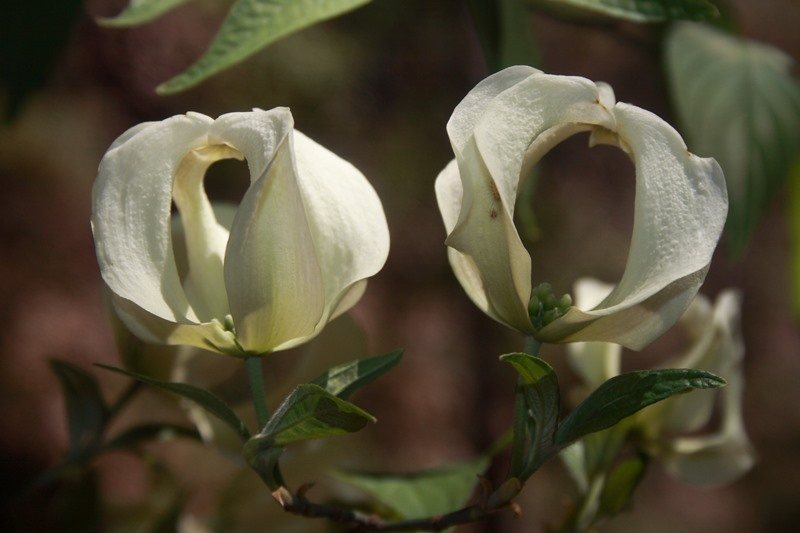
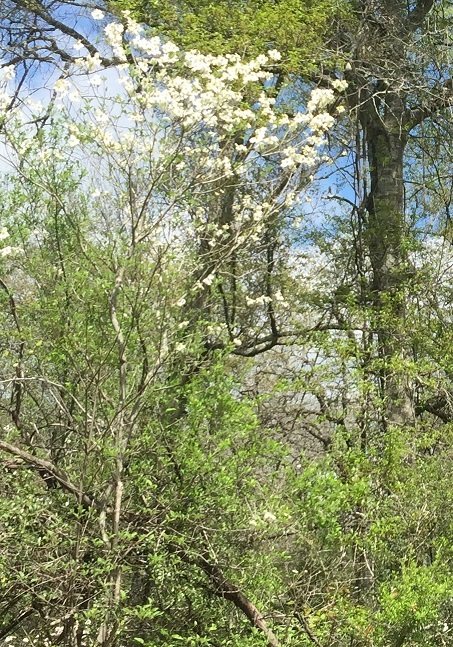
Cherokee Chief is a small, deciduous flowering dogwood with spreading branches and deep rose-red flower bracts in spring. Gardeners grow it for its spring display, red autumn foliage and bright red fruits that attract birds. It does best in temperate gardens with moist, well-drained soil and protection from intense afternoon heat.
At a glance
- Sun
- Partial shade, ideally morning sun and afternoon shade; full sun is suitable in cooler climates if soil stays moist.
- Water
- Keep the root zone evenly moist but never waterlogged; water deeply during dry spells, especially while establishing.
- Soil
- Humus-rich, well-drained, acidic to neutral soil; avoid chalky, strongly alkaline or poorly drained ground.
- Height
- 15-25 ft (4.6-7.6 m)
- Spread
- 15-25 ft (4.6-7.6 m)
- Flowers
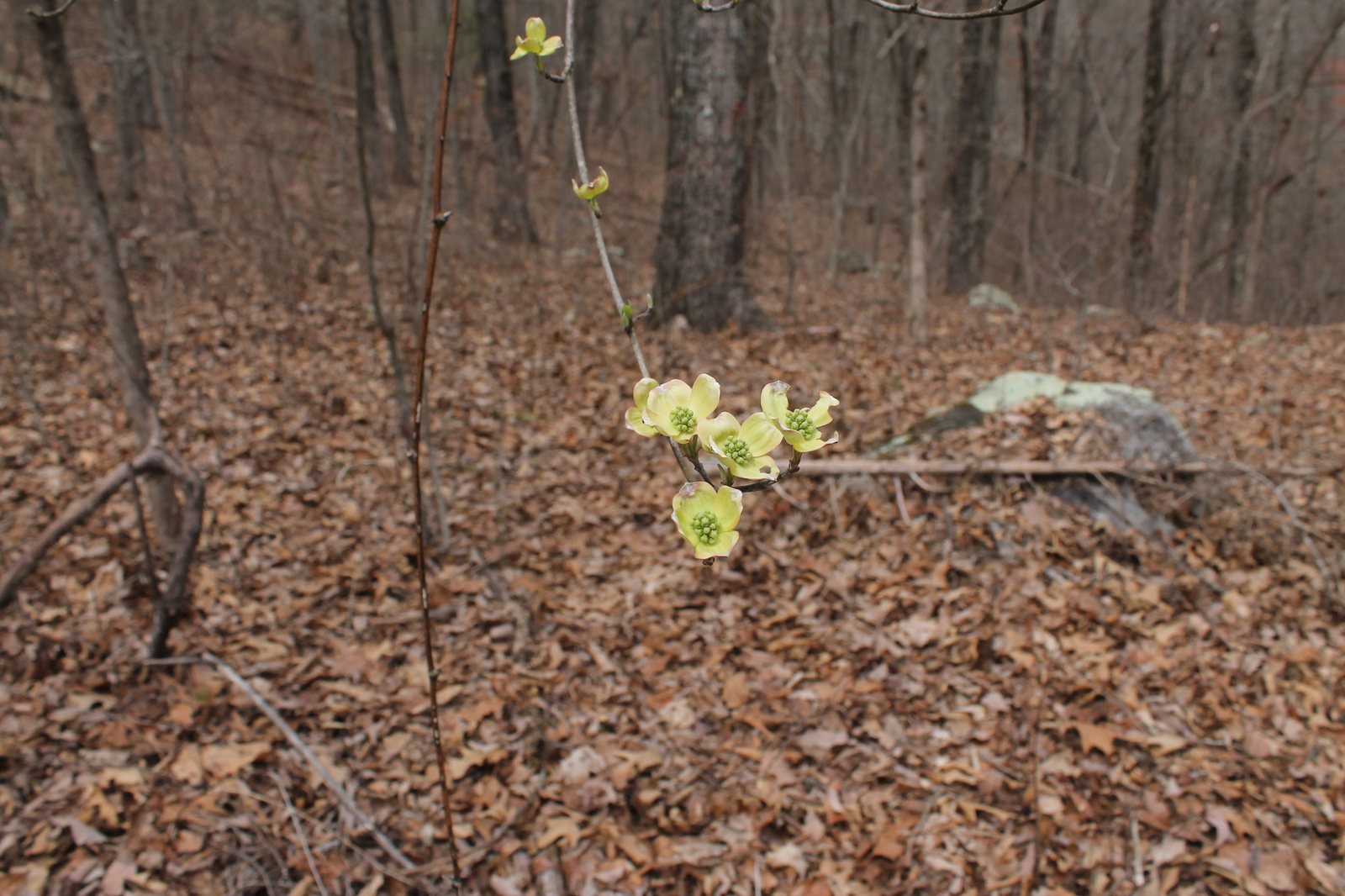
- Mid- to late spring, usually before or as leaves open; deep rose-red bracts surround small, greenish-yellow true flowers.
- Foliage
- Oval green leaves with curved veins; young growth may be reddish, and autumn foliage turns red to burgundy.
- Growth
- Slow to moderate
- Care needed
- Medium
The year at a glance
- Pollinators
- Wildlife
- Low allergen
| J | F | M | A | M | J | J | A | S | O | N | D | |
|---|---|---|---|---|---|---|---|---|---|---|---|---|
| Flowers | ||||||||||||
| Fruit | ||||||||||||
| Plant |
Northern hemisphere months. In Australia, shift them by six.
- Difficulty
- Moderate
- Toughness
- Fairly tough
Will it suit your garden?
Pick your zone, country, light and whether you have pets.
Full sun is 6 or more hours of direct sun a day, part shade 3 to 6 hours, shade under 3.
How it grows
Planting day
7 ft (2 m)
After 1 year
7 ft (2.2 m)
After 2 years
8 ft (2.3 m)
After 3 years
8 ft (2.5 m)
After 5 years
9 ft (2.8 m)
About 26 years to full size.
From a typical nursery size, at an average rate for this kind of plant. A rule of thumb, not a forecast.
Good to know
- Cats and dogs
- Safe
- Native to
- the US and Canada
- Growth rate
- Slow
Care
Jobs through the year
- WaterApr–May, Sep–Oct, every 14 days
- Water established ground plants if soil is drying; maintain steadier moisture during the first two years.
- WaterJun–Aug, every 7 days
- Water deeply during dry spells, keeping shallow roots moist but never waterlogged.
- MulchMar–Apr
- Apply 5–8 cm of organic mulch over the root zone, keeping the trunk and root flare clear.
- FeedMar–Apr
- Feed lightly only if growth is weak or a soil test identifies a deficiency.
- PruneMay–Jun
- Prune sparingly after flowering; remove diseased wood promptly in dry weather and disinfect tools.
- ProtectOct–Nov
- Collect diseased fallen leaves to reduce overwintering infection.
- ProtectJan–Feb, Nov–Dec
- Check young trunks for animal damage and keep any trunk guard loose and ventilated.
- Plant with the root flare at soil level, leaving room for the branches to spread.
- Water deeply through the first two growing seasons and during prolonged dry weather thereafter.
- Apply 2-3 in (5-8 cm) of organic mulch over the root zone, keeping it clear of the trunk.
- Feed lightly in spring only if growth is weak or a soil test indicates a deficiency; avoid heavy nitrogen feeding.
- Keep lawn equipment away from the trunk and avoid digging beneath the shallow roots.
Pruning. Prune sparingly just after flowering, removing dead, damaged or crossing branches while preserving the natural layered shape. Remove diseased wood promptly in dry weather and disinfect tools between cuts.
Through the year
- Early spring
- Check soil moisture, refresh mulch and feed lightly only if needed.
- Spring
- Watch new leaves and bracts for spotting or dieback, especially in cool, wet weather.
- Late spring
- After flowering, remove crossing or damaged branches if necessary.
- Summer
- Water deeply during dry spells and check for leaf scorch or powdery mildew.
- Autumn
- Plant in mild regions while the soil is workable; collect fallen leaves if disease has been present.
- Winter
- Check young trunks for animal damage and ensure any tree guard is loose and ventilated.
In the garden
- Use as a specimen in a sheltered front garden where the spreading branches can develop naturally.
- Plant at a woodland edge above ferns and other shade-tolerant perennials.
- Place near a terrace or window for close views of spring bracts and autumn colour.
- Combine with rhododendrons and azaleas in an acidic-soil border, allowing space and airflow around the tree.
Garden styles it suits: Woodland, Traditional, Southern, Wildlife garden, Autumn colour and English country.
Plant it with: Azaleas, Rhododendrons, Christmas fern, Foamflower, Solomon's seal and Hostas.
Wildlife: The red fruits feed birds, and the branches provide shelter and nesting sites. In its native eastern North American range, flowering dogwood also supports specialist insects and other wildlife.
Problems to watch for
- Dogwood anthracnose causes leaf blotches, twig dieback and sometimes trunk cankers. This cultivar is susceptible: improve airflow, avoid overhead watering, remove infected debris and seek an arborist's advice if dieback spreads.
- Powdery mildew produces a white coating and distorted young leaves. Reduce drought stress, avoid crowding and excess nitrogen, and use a locally approved treatment if repeated severe infection warrants it.
- Dogwood borers attack stressed or wounded trunks. Prevent mower and strimmer damage, keep mulch off the bark and seek advice if you see frass or loose bark.
- Leaf scorch develops in hot sun, drought or drying winds. Water the root zone thoroughly, maintain mulch and provide afternoon shade; check drainage before adding more water.
Safety
Not known to be toxic to cats, dogs, horses or people. The fruits are not considered edible for people and may cause stomach upset if eaten in quantity; discourage pets and children from eating them.
Easily confused with
Kousa dogwood (Cornus kousa)
Usually flowers after the leaves have expanded, has more pointed bracts and develops rounded, strawberry-like fruits rather than clusters of separate red fruits.
Pacific dogwood (Cornus nuttallii)
Usually has six white bracts, though the number varies, rather than the four rose-red, notched bracts typical of Cherokee Chief.
Cherokee Brave dogwood (Cornus florida 'Comco No. 1')
Its reddish-pink bracts typically have conspicuous pale or white centres; Cherokee Chief generally has more evenly coloured deep rose-red bracts. Colour varies with conditions, so check the nursery label.
The name
Cornus comes from the Latin for horn, referring to the hard wood, and florida means flowering or floriferous.
Propagation. Named plants are usually propagated by budding or grafting onto dogwood rootstock. Softwood cuttings can be difficult to root; seedlings will not reliably retain the cultivar's red bracts or other characteristics.
Checked against open data
- Accepted botanical name
- Cornus florida
- In the US and Canada
- Native in Canada and the lower 48 states.
- Native range
- Alabama, Arkansas, Connecticut, Delaware, District of Columbia, Florida, Georgia, Illinois, Indiana, Kansas, Kentucky and Louisiana.
- Measured
- Average height 700 cm.
Sources: GBIF (CC BY 4.0), USDA PLANTS and Trefle (CC BY 4.0). The care and design notes are LandscapeGPT's own.
See it in your own yard.
Upload a photo of your yard and see it redesigned with plants that suit your climate, each checked against your zone.