Chindo viburnum
Viburnum awabuki 'Chindo'. Family Viburnaceae. Shrub.
Also called Chindo sweet viburnum, Viburnum odoratissimum var. awabuki 'Chindo'.
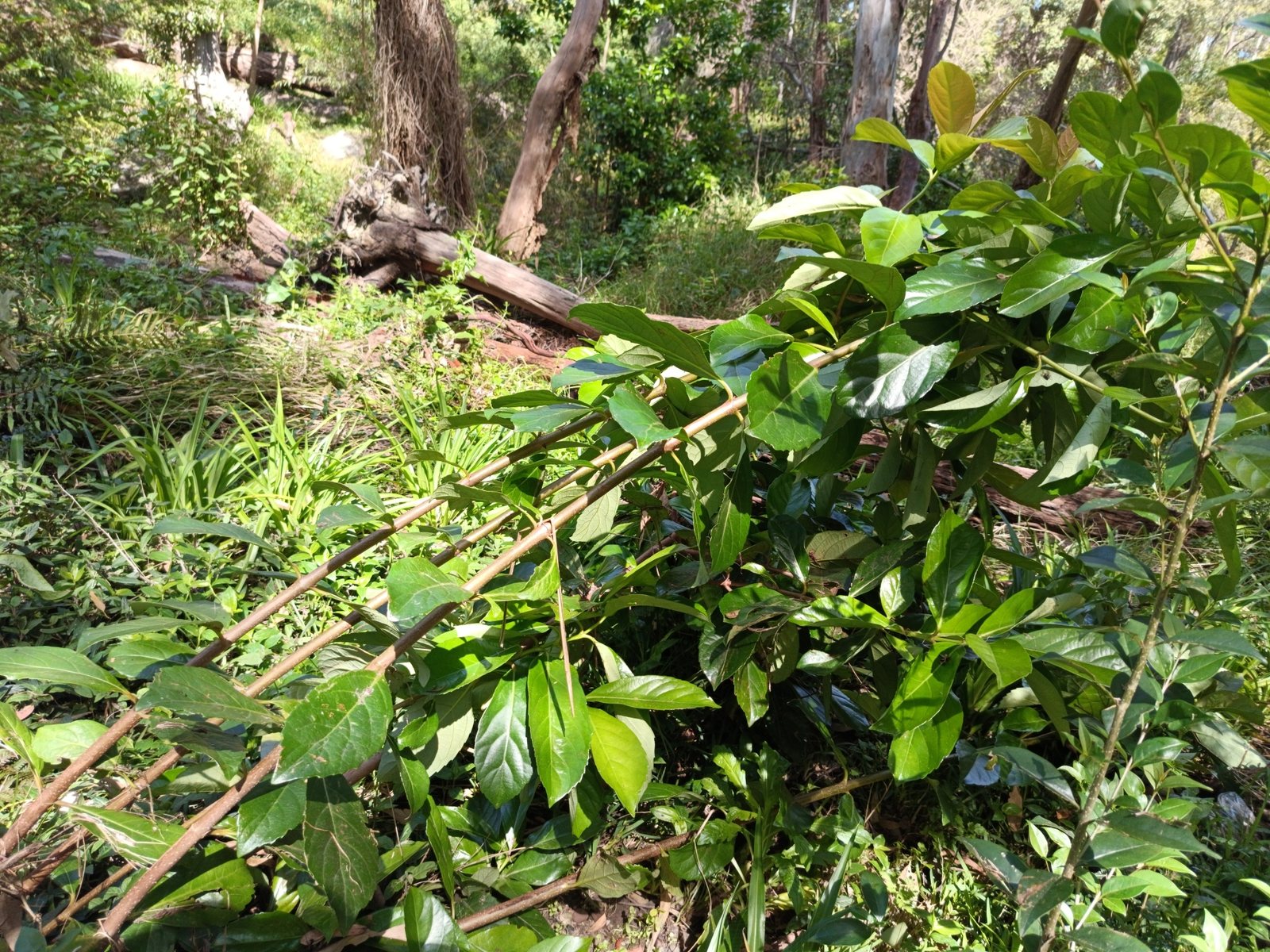
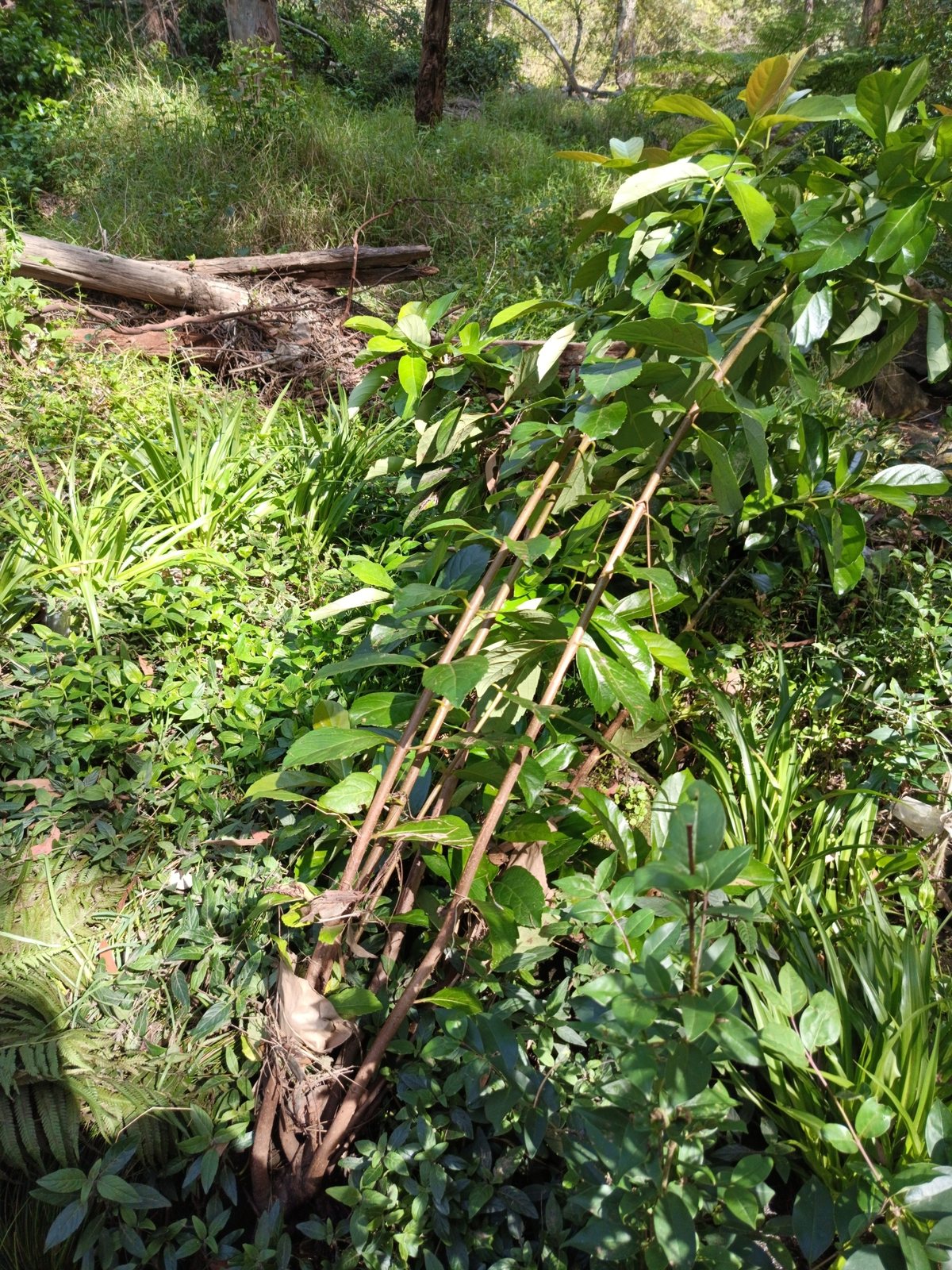
Chindo viburnum is a large evergreen shrub grown for its glossy leaves and dense, upright growth. It makes a substantial privacy screen or clipped hedge in warm-temperate gardens, but needs room and shelter from cold, drying winds. White flower clusters may be followed by red berries that ripen black, although fruiting is often sparse.
At a glance
- Sun
- Full sun to partial shade; provide afternoon shade in very hot, dry sites.
- Water
- Water deeply during establishment and prolonged dry spells; established plants tolerate some drought but grow best with moderate moisture.
- Soil
- Moist, well-drained soil, preferably slightly acidic to neutral; tolerates clay if drainage is good.
- Height
- 12-20 ft (3.7-6.1 m), occasionally taller if left unpruned
- Spread
- 8-12 ft (2.4-3.7 m)
- Flowers
- Small, creamy-white flowers in broad clusters in late spring to early summer; flowering varies with climate and pruning.
- Foliage
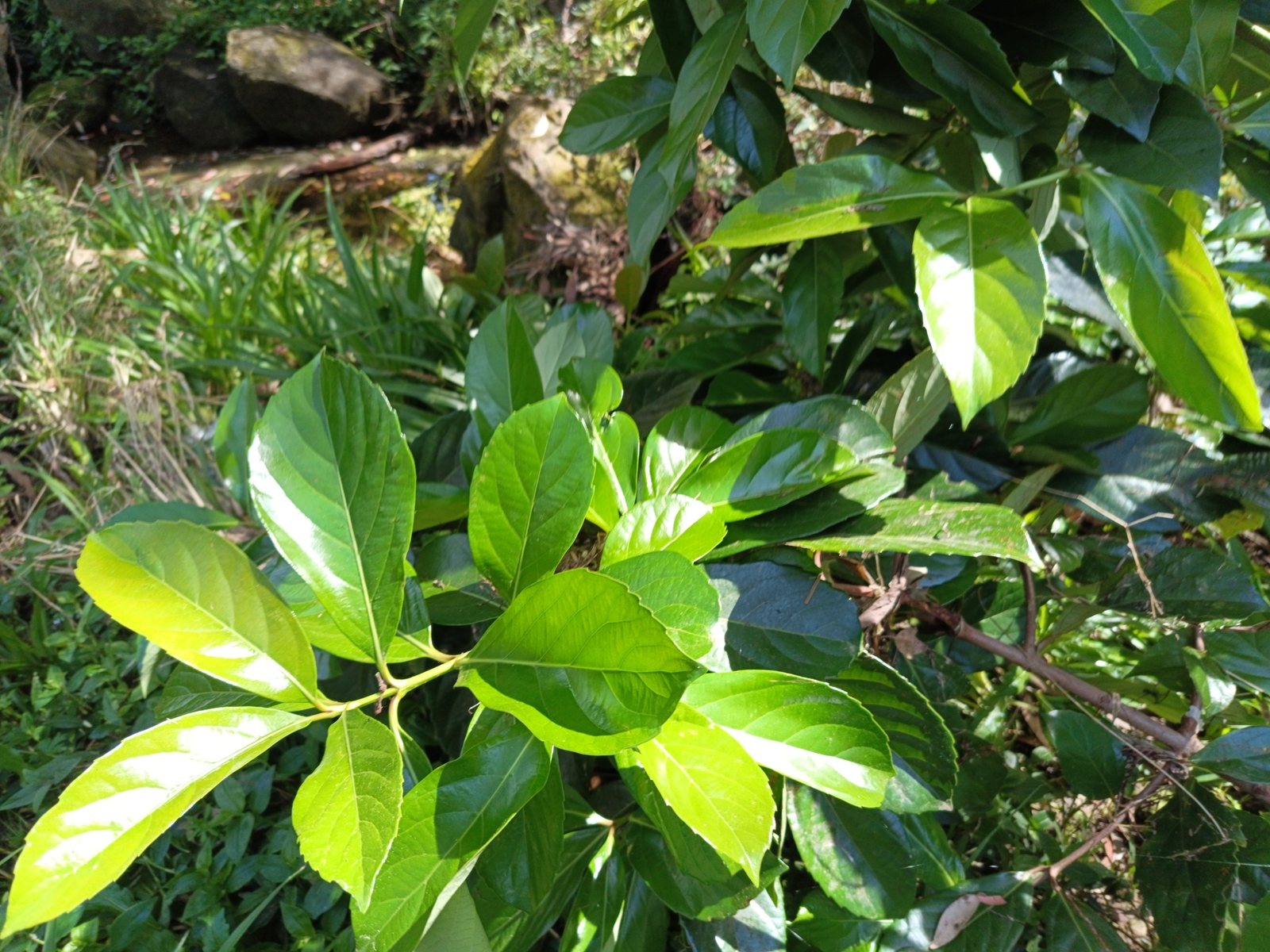
- Evergreen. Large, leathery, glossy dark-green leaves; new growth often has a bronze tint.
- Growth
- Fast in warm conditions with adequate moisture.
- Care needed
- Medium
The year at a glance
- Pollinators
- Heat tolerant
- Wildlife
- Low allergen
| J | F | M | A | M | J | J | A | S | O | N | D | |
|---|---|---|---|---|---|---|---|---|---|---|---|---|
| Flowers | ||||||||||||
| Fruit | ||||||||||||
| Plant |
Northern hemisphere months. In Australia, shift them by six.
- Difficulty
- Moderate
- Toughness
- Fairly tough
Will it suit your garden?
Pick your zone, country, light and whether you have pets.
Full sun is 6 or more hours of direct sun a day, part shade 3 to 6 hours, shade under 3.
How it grows
Planting day
1.9 ft (0.59 m)
After 1 year
6 ft (1.9 m)
After 2 years
11 ft (3.2 m)
After 3 years
15 ft (4.6 m)
After 5 years
16 ft (4.9 m)
full size
About 3 years to full size.
From a typical nursery size, at an average rate for this kind of plant. A rule of thumb, not a forecast.
Good to know
- Cats and dogs
- Safe
- Growth rate
- Fast
Care
Jobs through the year
- WaterApr–May, Sep–Oct, every 14 days
- Water established shrubs deeply if the root zone is dry; check young plants more often for two years.
- WaterJun–Aug, every 7 days
- Water deeply during extended dry weather, allowing the soil surface to dry between soakings.
- WaterJan–Mar, Nov–Dec, every 21 days
- During dry winter spells, water only if soil is dry and unfrozen.
- FeedApr
- Apply a modest slow-release shrub fertilizer only if growth is weak or soil is poor.
- MulchApr, Oct
- Maintain 5–8 cm of organic mulch over the roots, clear of the stems.
- PruneJun–Jul
- Prune immediately after flowering, shortening long shoots and thinning crowded branches.
- ProtectJan–Mar, Nov–Dec
- Provide winter wind shelter; protection cannot make this zone 7b shrub reliably hardy in zone 6.
- ProtectMay–Jun, every 14 days
- Inspect shoots and leaf undersides for scale and aphids; remove heavily infested shoots.
- Water deeply through the first two growing seasons, letting the soil surface begin to dry between waterings.
- Spread 2-3 in (5-8 cm) of organic mulch over the root area, keeping it clear of the stems.
- Apply a modest amount of slow-release shrub fertilizer in spring only if growth is weak or the soil is poor.
- Allow space for its mature width rather than planting close to paths, windows or walls.
- In colder gardens, choose a sheltered position away from drying winter winds and frost pockets.
Pruning. Prune after flowering, shortening long shoots and removing selected crowded branches to retain a leafy framework. Keep clipped hedges slightly wider at the base than the top, and avoid heavy pruning late in the growing season.
Through the year
- Late winter
- Check for wind or frost damage; wait until new growth begins before deciding which damaged branches need removal.
- Spring
- Plant in colder parts of its range, refresh mulch and feed lightly if needed.
- Late spring
- Inspect new shoots and leaf undersides for aphids and scale insects.
- Early summer
- Prune after flowering to control size or shape a hedge.
- Summer
- Water deeply during extended dry weather, particularly around recently planted shrubs.
- Early autumn
- Plant in mild-winter areas while the soil is warm; avoid feeding or hard pruning.
In the garden
- Plant as a tall evergreen boundary screen where its mature width will not crowd neighbouring spaces.
- Clip into a broad hedge for a formal backdrop to lawns and terraces.
- Use behind hydrangeas and shade-tolerant perennials to provide a dark, glossy background.
- Train a mature specimen as a small, multi-stemmed tree by gradually removing selected lower branches.
Garden styles it suits: Formal, Southern, Traditional, Architectural minimal, Green on green and Modern tropical.
Plant it with: Camellias, Oakleaf hydrangeas, Japanese maples, Cast-iron plants, Liriope and Autumn ferns.
Wildlife: Flowers attract visiting insects. Birds may eat the berries when fruit is produced, and dense foliage provides shelter; frequent clipping reduces flowers and fruit.
Problems to watch for
- Root rot in waterlogged soil: improve drainage or replant in a better-drained position; do not keep the root zone constantly saturated.
- Scale insects and associated sooty mould: inspect stems and leaf undersides, prune heavily infested shoots and use a labelled horticultural oil when appropriate.
- Leaf spots in humid conditions: remove fallen affected leaves, avoid overhead watering and improve airflow.
- Winter leaf scorch or shoot dieback: provide wind shelter, maintain moisture during dry winters and prune dead growth after spring growth reveals the extent of damage.
Safety
Not known to be toxic to cats, dogs, horses or people. The berries are ornamental rather than food, and eating substantial amounts may cause stomach upset.
Easily confused with
Sweet viburnum (Viburnum odoratissimum)
Very closely related and often sold under overlapping names; typical sweet viburnum has less thick, less highly polished leaves. Check the cultivar label because leaf appearance alone is not a reliable identification.
Cherry laurel (Prunus laurocerasus)
Has alternate leaves rather than opposite pairs, and upright, narrow flower spikes rather than broad flower clusters.
Red-tip photinia (Photinia × fraseri)
Has alternate, more distinctly toothed leaves and usually much brighter red new growth; Chindo viburnum has opposite leaves and typically bronze-tinted new growth.
The name
The cultivar name refers to Jindo, formerly commonly romanized as Chindo, the South Korean island where the original plant material was collected.
Propagation. Root semi-ripe cuttings in summer under humid conditions. Cuttings preserve the cultivar; seedlings do not reliably come true to type.
Checked against open data
- Accepted botanical name
- Viburnum odoratissimum awabuki Viburnum awabuki 'Chindo' is an older name for Viburnum odoratissimum awabuki.
Sources: GBIF (CC BY 4.0). The care and design notes are LandscapeGPT's own.
See it in your own yard.
Upload a photo of your yard and see it redesigned with plants that suit your climate, each checked against your zone.