Chinese pistache
Pistacia chinensis. Family Anacardiaceae. Tree.
Also called Chinese pistachio.
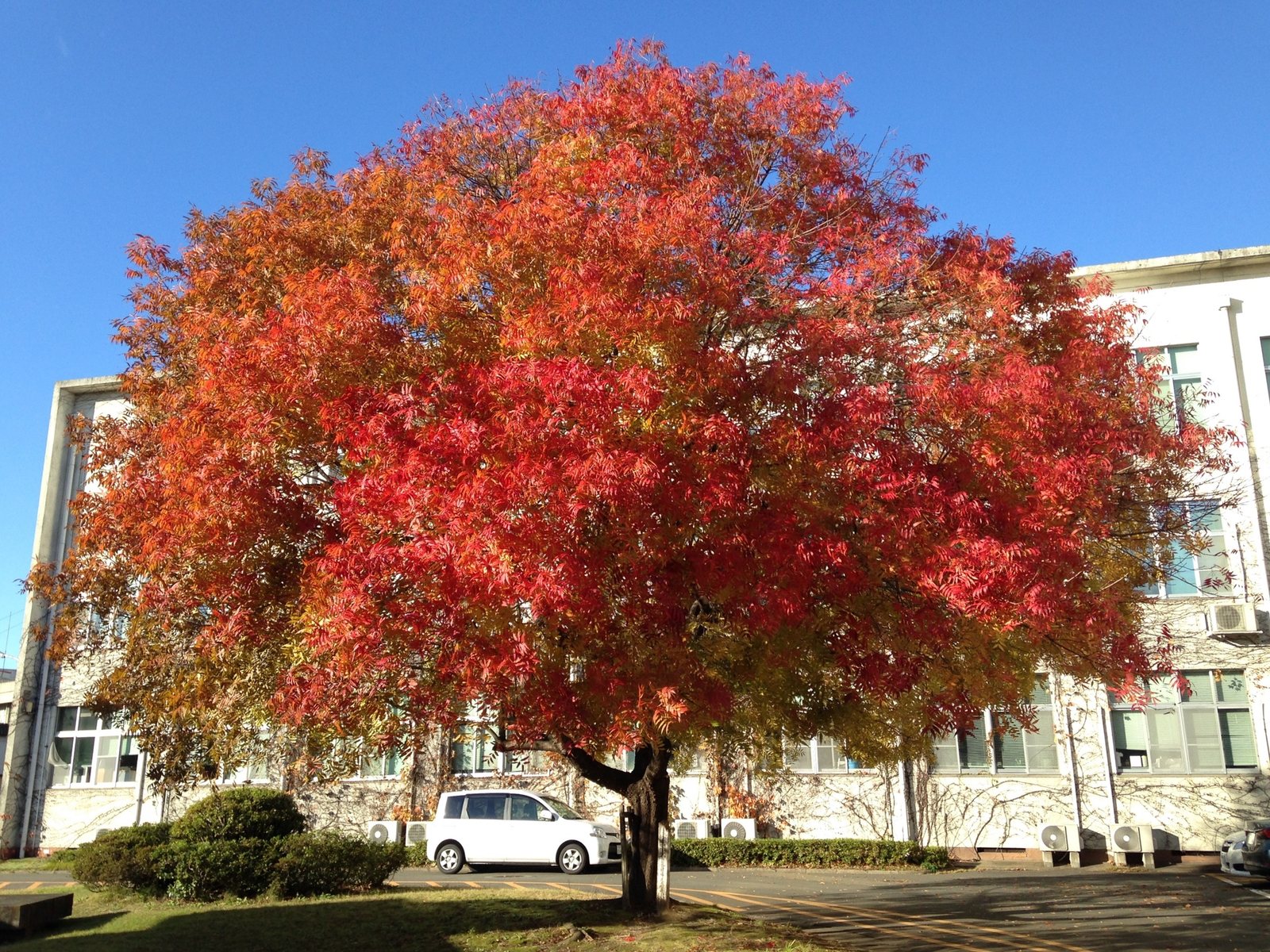
Chinese pistache is a deciduous shade tree grown for its rounded crown and yellow, orange and red autumn foliage. It tolerates heat, urban conditions and drought once established, but develops best where summers are warm. Female trees can produce colourful berries when a male tree grows nearby; these are not edible pistachio nuts.
At a glance
- Sun
- Full sun; autumn colour and crown development are best in an open position.
- Water
- Water regularly while establishing; drought-tolerant once established, with occasional deep watering during prolonged dry weather.
- Soil
- Well-drained soil, including clay, loam, sand and alkaline soils; avoid waterlogged ground.
- Height
- 30-50 ft (9-15 m)
- Spread
- 25-35 ft (7.5-10.5 m)
- Flowers
- Small, inconspicuous greenish to reddish flowers in spring, with male and female flowers usually on separate trees.
- Foliage
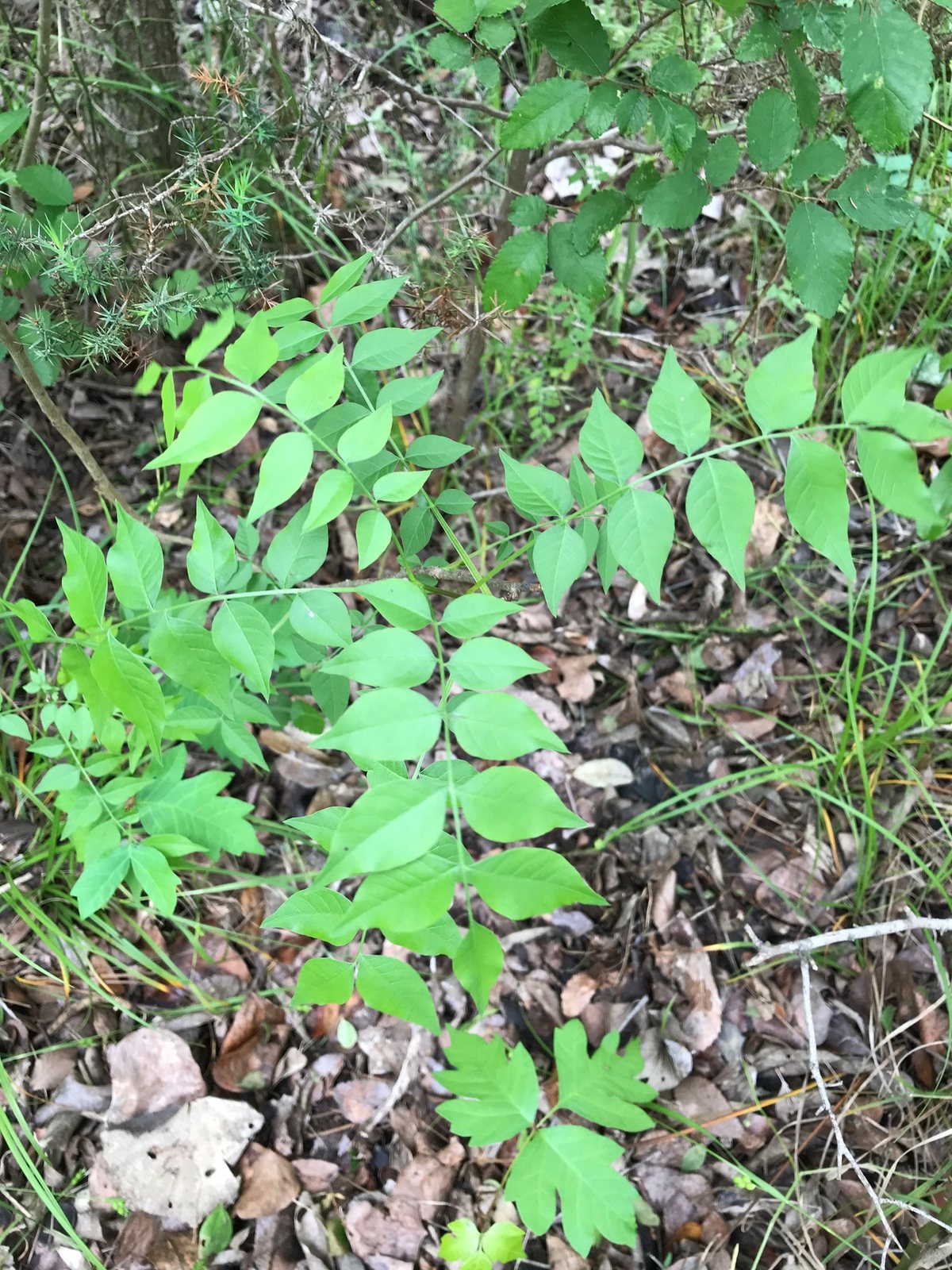
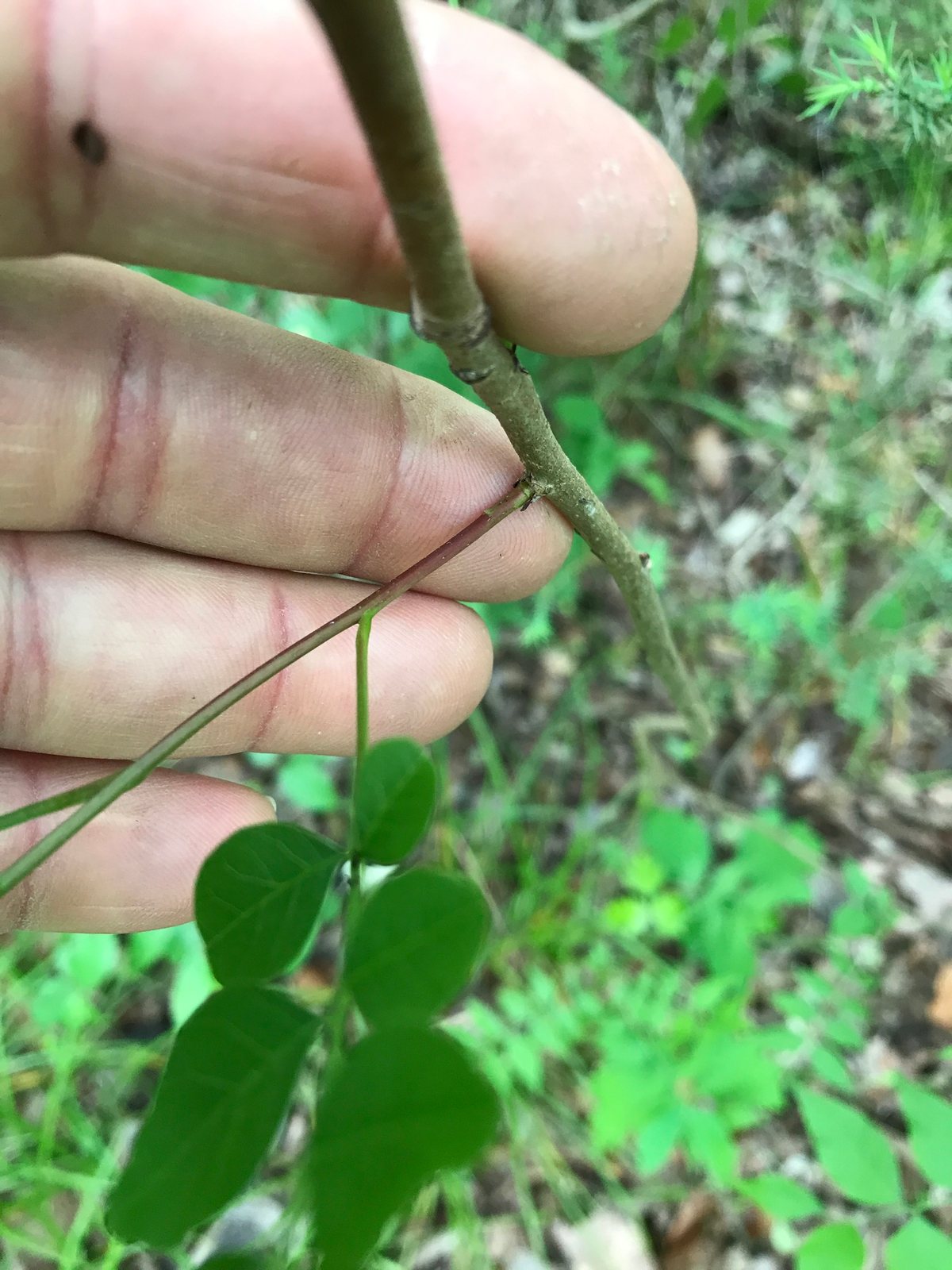
- Compound leaves with narrow, pointed leaflets; dark green in summer, turning yellow, orange or red in autumn. Colour varies with the individual tree and growing conditions.
- Growth
- Moderate once established; young trees may grow slowly at first.
- Care needed
- Low
The year at a glance
- Deer resistant
- Drought tolerant
- Heat tolerant
- Wildlife
| J | F | M | A | M | J | J | A | S | O | N | D | |
|---|---|---|---|---|---|---|---|---|---|---|---|---|
| Flowers | ||||||||||||
| Fruit | ||||||||||||
| Plant |
Northern hemisphere months. In Australia, shift them by six.
- Difficulty
- Easy
- Toughness
- Very tough
Will it suit your garden?
Pick your zone, country, light and whether you have pets.
Full sun is 6 or more hours of direct sun a day, part shade 3 to 6 hours, shade under 3.
How it grows
Planting day
7 ft (2 m)
After 1 year
8 ft (2.4 m)
After 2 years
9 ft (2.8 m)
After 3 years
10 ft (3.2 m)
After 5 years
13 ft (3.9 m)
About 26 years to full size.
From a typical nursery size, at an average rate for this kind of plant. A rule of thumb, not a forecast.
Good to know
- Cats and dogs
- Safe
- Invasive in
- the US and Australia
- In the garden
- Spreads vigorously: plan to contain it.
- Growth rate
- Slow
Care
Jobs through the year
- WaterApr–May, Sep–Oct, every 28 days
- Water established trees only during prolonged dry weather; young trees need regular deep watering for two to three years.
- WaterJun–Aug, every 21 days
- Give established trees an occasional deep soaking during prolonged drought, allowing soil to dry between waterings.
- MulchMar–Apr
- Spread 5-8 cm of organic mulch over the root area, keeping it away from the trunk.
- PruneFeb–Mar
- While dormant, remove damaged or crossing branches and gradually correct weak forks in young trees.
- ProtectOct–Nov
- Clear fallen fruit and unwanted seedlings where present; male trees do not bear fruit.
- Water deeply through the first two or three growing seasons, allowing the soil surface to dry between soakings.
- Spread mulch 2-3 in (5-8 cm) deep over the root area, keeping it away from the trunk.
- Feed only if growth is poor and soil testing indicates a deficiency; established trees rarely need routine fertiliser.
- Stake only if the root ball moves in wind, and remove supports after the tree becomes anchored.
- Choose a reliably male cultivar if you want to avoid fruit litter and seedlings.
Pruning. Prune in late winter while dormant, removing dead, damaged or crossing branches. Train young trees gradually to a sound framework with well-spaced branches, and avoid topping or removing large limbs unnecessarily.
Through the year
- Autumn
- Plant in mild climates while the soil is still warm; water thoroughly after planting.
- Late winter
- Check young trees for competing leaders and poorly attached branches, and prune lightly.
- Spring
- Plant in colder climates and renew mulch without piling it against the trunk.
- Spring
- Check stakes and ties; loosen or remove them as soon as the tree is stable.
- Summer
- Water young trees deeply during dry spells; check soil moisture before watering again.
- Late autumn
- Clear fallen fruit from paving and remove unwanted seedlings, especially near natural vegetation.
In the garden
- Use as a lawn shade tree where its mature crown can develop without repeated pruning.
- Place west of a patio or sitting area for summer shade and winter sunlight.
- Repeat along a broad driveway or street frontage for a consistent canopy and autumn colour.
- Combine with drought-tolerant grasses and flowering perennials around the sunny edge of its canopy.
Garden styles it suits: Urban city garden, Traditional, Mediterranean, Desert / xeriscape, Autumn colour and Low-maintenance.
Plant it with: Lavender, Catmint, Yarrow, Autumn sage, Little bluestem and Purple coneflower.
Wildlife: Birds eat the fruit and can carry seeds into surrounding land. The mature crown provides shelter and nesting sites; its wind-pollinated flowers offer little value to pollinating insects.
Problems to watch for
- Verticillium wilt can cause sudden branch dieback: remove affected wood, maintain steady soil moisture and obtain a diagnosis; there is no reliable curative treatment.
- Poor drainage can cause root decline: avoid low, wet planting sites and correct drainage rather than adding more irrigation.
- Young trees can develop crossing branches or weak forks: use light, staged structural pruning rather than waiting until branches are large.
- Female trees can drop fruit and produce unwanted seedlings: choose a verified male cultivar where litter or escape into nearby vegetation would be a problem.
Safety
Not known to be toxic to cats, dogs or people, but the fruit is not an edible pistachio and should not be eaten. Pistacia foliage and seeds have been associated with serious poisoning in horses, including damage to red blood cells; keep horses away from the tree, fallen material and prunings.
Where it spreads. Escapes cultivation and is considered invasive in parts of Texas, particularly central and northern Texas. It is also an environmental weed in parts of New South Wales and the Australian Capital Territory, where birds spread its seeds into bushland; check local planting guidance.
Easily confused with
Tree of heaven (Ailanthus altissima)
Its leaflets usually have gland-tipped teeth near their bases and an unpleasant smell when crushed; Chinese pistache leaflets have smooth margins. Tree of heaven bears winged seeds rather than rounded berries.
Edible pistachio (Pistacia vera)
It usually has only three to five broader leaflets per leaf and produces the familiar edible nuts; Chinese pistache has many narrower leaflets and small, inedible fruits.
Common ash (Fraxinus excelsior)
Ash has opposite leaves, toothed leaflets, black buds and winged seeds; Chinese pistache has alternate leaves, smooth-edged leaflets and rounded fruits.
The name
Pistacia comes from the ancient Greek name for the pistachio tree, while chinensis means 'from China'.
Propagation. Grow the species from cleaned seed, usually after a period of moist chilling. Seedlings vary in sex and autumn colour; named cultivars are generally propagated by budding or grafting to retain their characteristics.
Checked against open data
- Accepted botanical name
- Pistacia chinensis
- In the US and Canada
- Introduced in the lower 48 states.
- Native range
- Afghanistan, China North-Central, China South-Central, China Southeast, East Himalaya, Hainan, India, Myanmar, Nepal, Pakistan, Philippines and Taiwan.
- Measured
- Average height 990 cm.
Sources: GBIF (CC BY 4.0), USDA PLANTS and Trefle (CC BY 4.0). The care and design notes are LandscapeGPT's own.
See it in your own yard.
Upload a photo of your yard and see it redesigned with plants that suit your climate, each checked against your zone.