Chinese wild ginger
Asarum splendens. Family Aristolochiaceae. Groundcover.
Also called Showy Sichuan ginger.
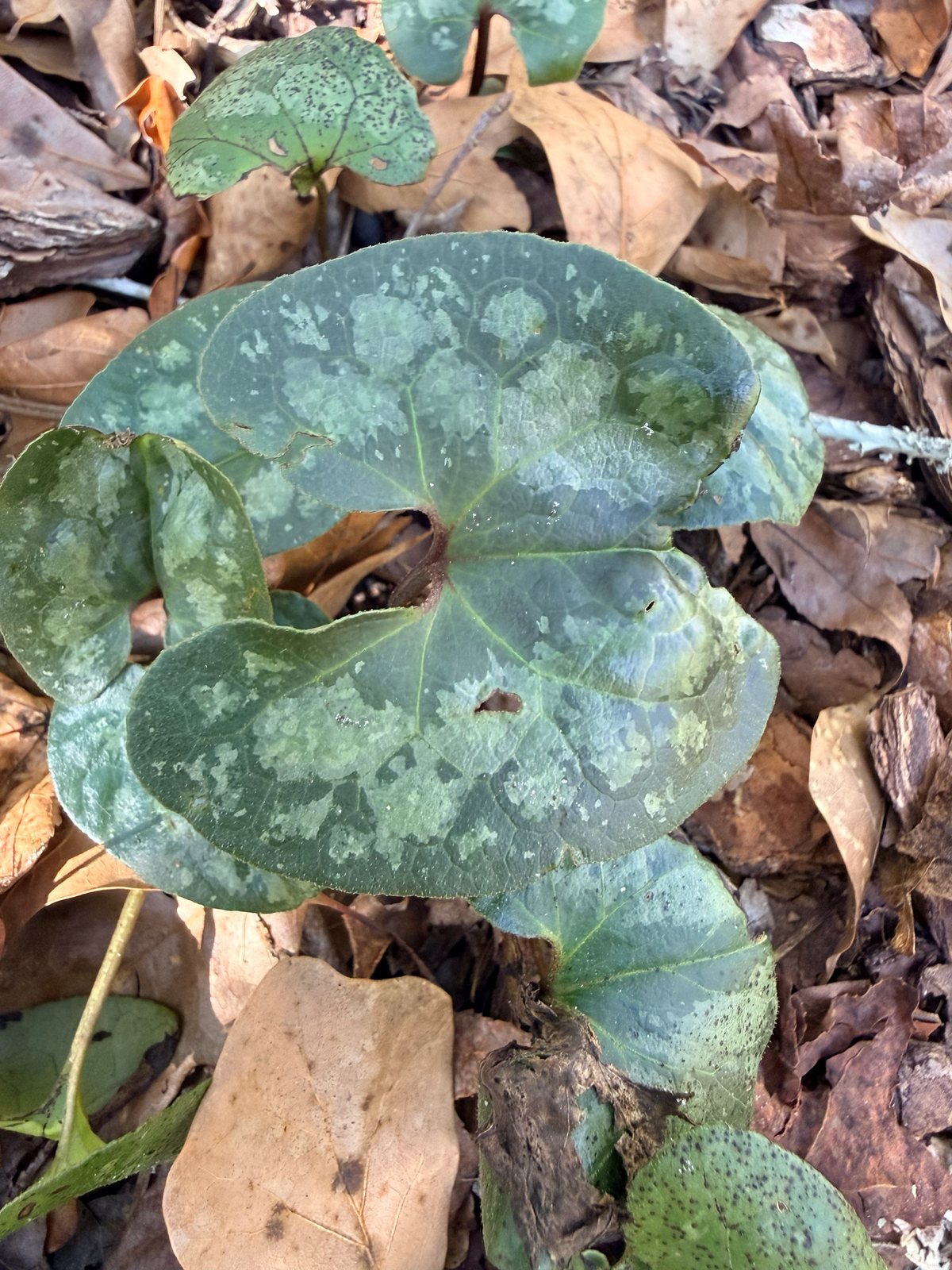
Chinese wild ginger is a low, spreading woodland perennial grown for its glossy, silver-mottled leaves. It makes an attractive groundcover in moist shade, remaining evergreen in mild winters but sometimes losing its foliage in colder gardens. Despite its name, it is not culinary ginger and must not be eaten.
At a glance
- Sun
- Partial to full shade; protect from strong afternoon sun.
- Water
- Keep evenly moist but not waterlogged; water during dry spells, especially beneath trees.
- Soil
- Humus-rich, well-drained soil, preferably slightly acidic to neutral.
- Height
- 0.5-1 ft (0.15-0.3 m)
- Spread
- 1-1.5 ft (0.3-0.45 m), eventually wider through creeping rhizomes
- Flowers
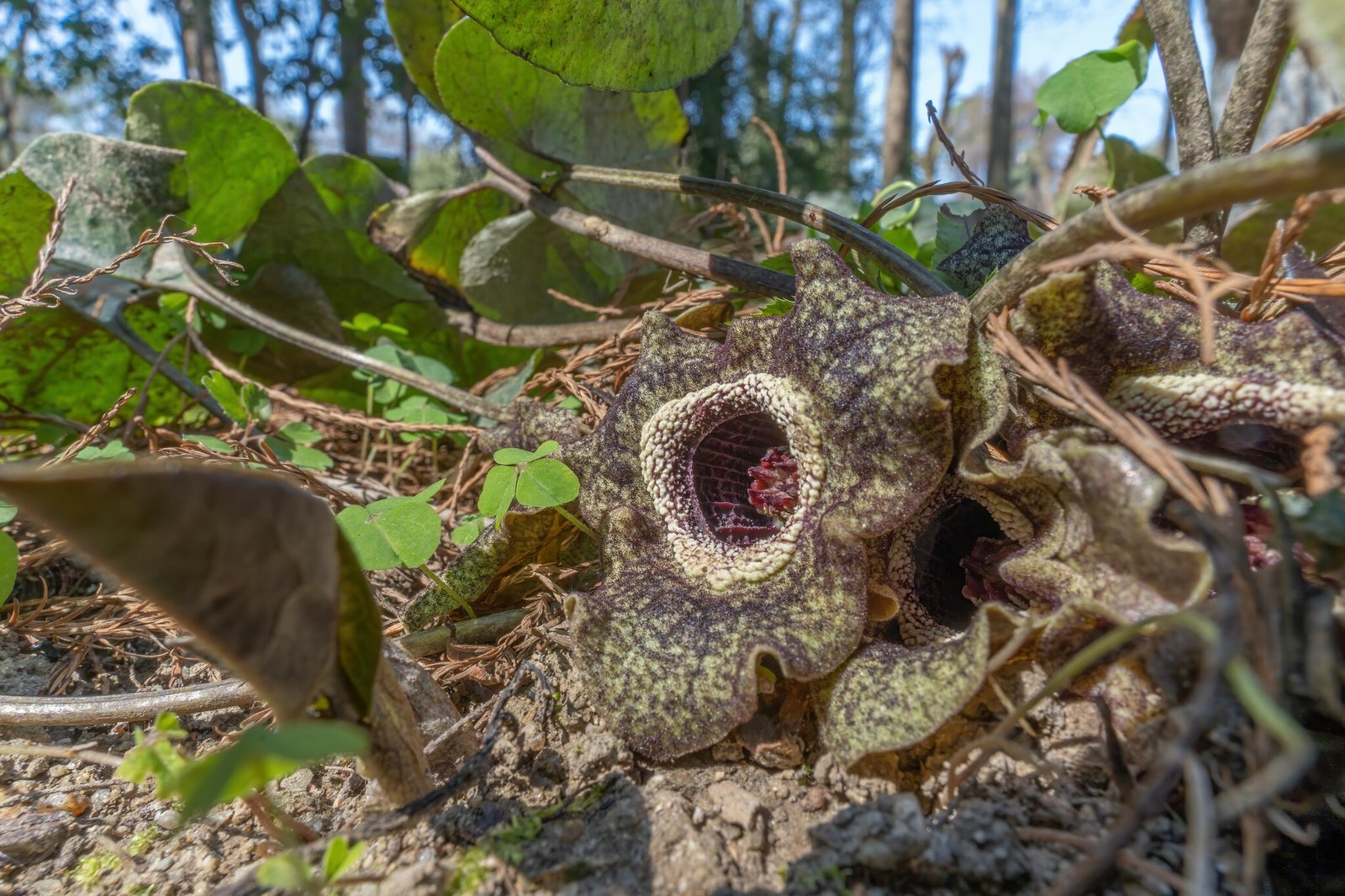
- Spring; small, dark purple-brown flowers sit at ground level, usually hidden beneath the leaves.
- Foliage
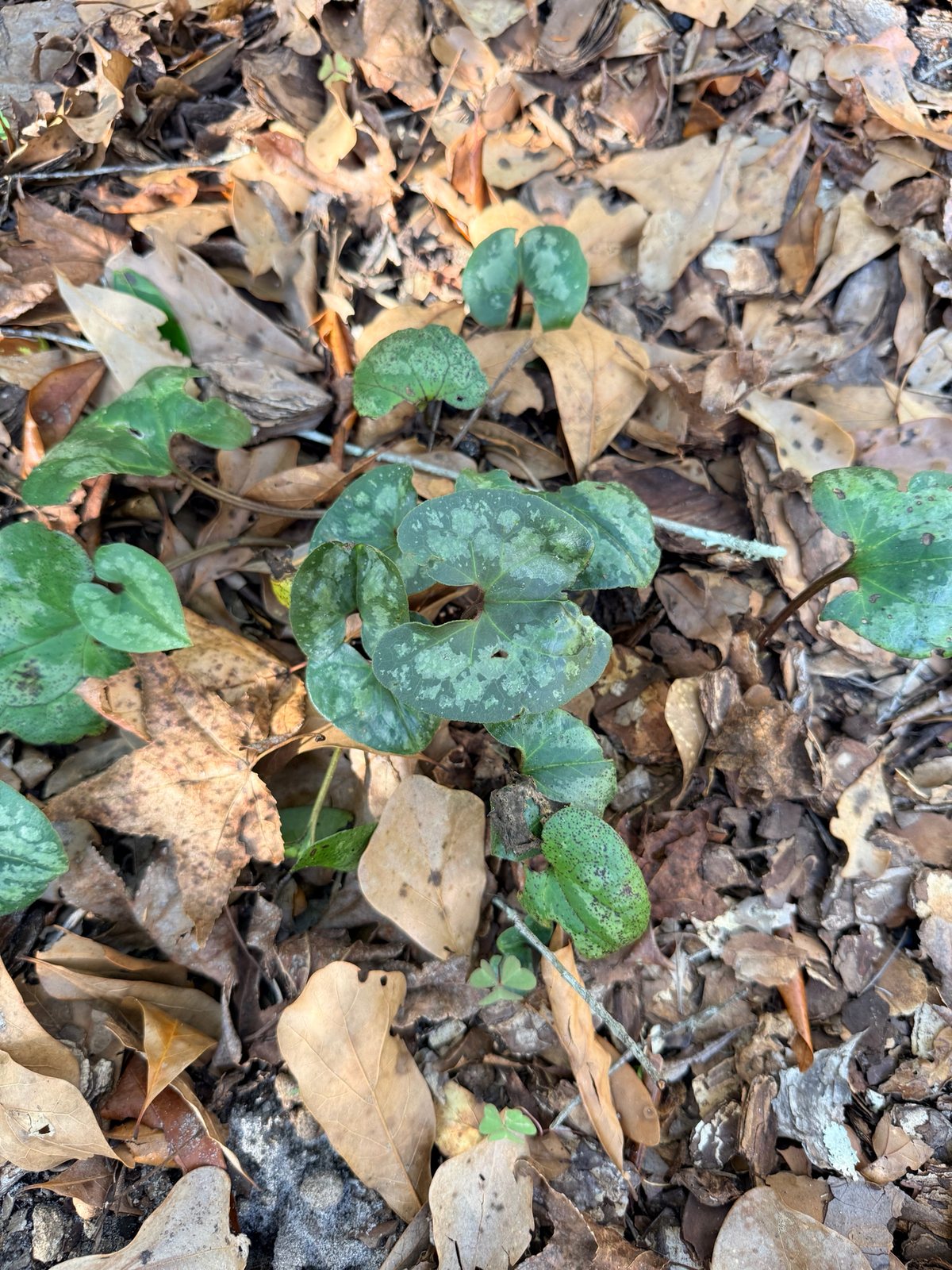
- Glossy, pointed, heart-shaped leaves, dark green with irregular silver-grey mottling; evergreen to semi-evergreen depending on winter conditions.
- Growth
- Slow to moderate; spreads more steadily once established.
- Care needed
- Low
The year at a glance
- Deer resistant
- Wildlife
- Low allergen
| J | F | M | A | M | J | J | A | S | O | N | D | |
|---|---|---|---|---|---|---|---|---|---|---|---|---|
| Plant |
Northern hemisphere months. In Australia, shift them by six.
- Difficulty
- Easy
- Toughness
- Fairly tough
Will it suit your garden?
Pick your zone, country, light and whether you have pets.
Full sun is 6 or more hours of direct sun a day, part shade 3 to 6 hours, shade under 3.
How it grows
Planting day
0.2 ft (0.06 m)
After 1 year
0.4 ft (0.11 m)
After 2 years
0.5 ft (0.16 m)
After 3 years
0.7 ft (0.21 m)
After 5 years
0.7 ft (0.22 m)
full size
About 3 years to full size.
From a typical nursery size, at an average rate for this kind of plant. A rule of thumb, not a forecast.
Good to know
- Cats and dogs
- Toxic
- In the garden
- Spreads vigorously: plan to contain it.
- Growth rate
- Slow
Care
Jobs through the year
- WaterMar–May, Sep–Oct, every 7 days
- Water established patches when surface soil begins drying; new plants must not dry out.
- WaterJun–Aug, every 4 days
- Water deeply in dry weather, especially beneath trees; keep moist but never waterlogged.
- PruneFeb–Mar
- Snip off frost-damaged or tatty leaves without damaging emerging shoots.
- MulchApr–May
- Top-dress with compost or leaf mould, leaving crowns uncovered; extra feed is usually unnecessary.
- DivideMar–Apr
- Divide established patches only to propagate or limit their spread.
- ProtectMar–May
- Check young foliage for slugs and hand-pick or use labelled iron-phosphate bait if needed.
- ProtectOct–Dec
- Remove smothering leaf piles and keep winter drainage clear.
- Water deeply when the surface soil begins to dry; do not let new plants dry out.
- Mulch with leaf mould or compost, keeping it clear of the crowns.
- Top-dress with compost in spring; rich soil rarely needs additional fertiliser.
- Protect from afternoon sun and drying winds.
- Divide established patches in spring if you need more plants or want to limit their spread.
Pruning. In late winter or early spring, snip off frost-damaged or tatty leaves at their bases without damaging emerging shoots. No routine cutting back is needed.
Through the year
- Early spring
- Remove damaged foliage and check emerging shoots for slug damage.
- Spring
- Plant or divide into moist, compost-enriched soil and water thoroughly.
- Late spring
- Apply a light mulch of leaf mould, leaving the crowns exposed.
- Summer
- Water during dry spells, particularly where tree roots compete for moisture.
- Autumn
- Remove heavy accumulations of fallen leaves that could smother the foliage.
- Winter
- Check that the planting area drains freely and avoid disturbing frozen foliage.
In the garden
- Use as a low groundcover beneath deciduous shrubs where the soil stays moist.
- Edge shaded paths where the silver markings can be seen close up.
- Combine with ferns and hostas for contrasting leaf shapes and textures.
- Plant in sheltered courtyard shade with other moisture-loving woodland perennials.
Garden styles it suits: Woodland, Japanese, Chinese scholar garden, Secret garden, Green on green and Small-space.
Plant it with: Hostas, Epimediums, Japanese painted ferns, Hellebores, Solomon's seal and Foamflowers.
Wildlife: Dense foliage provides shelter for small invertebrates. The inconspicuous flowers are associated with small ground-level insects rather than providing a conspicuous nectar source for bees or butterflies.
Problems to watch for
- Slugs and snails can chew young leaves; remove hiding places, hand-pick at dusk or use iron-phosphate bait according to the label.
- Crown and rhizome rot can develop in waterlogged soil; improve drainage and remove rotten plants.
- Strong sun can scorch foliage; move plants into deeper shade and maintain soil moisture.
- Dry soil causes wilting and poor establishment; water deeply and mulch, especially beneath trees.
Safety
Do not eat any part. Asarum plants can contain aristolochic acids, which can cause serious kidney damage and cancer if ingested. Keep leaves, roots and rhizomes away from children and prevent cats, dogs and horses from eating them; species-specific poisoning information for these animals is limited.
Easily confused with
European wild ginger (Asarum europaeum)
Usually has rounded, kidney-shaped, glossy green leaves without the conspicuous silver mottling.
Canadian wild ginger (Asarum canadense)
Has softer, hairy, unmarked green leaves and dies back completely in winter.
Cyclamen-leaved wild ginger (Asarum maximum)
Can have similarly marked foliage, but its much larger flowers have conspicuous pale interiors contrasting with dark purple-brown lobes.
The name
The epithet splendens means shining or splendid, while wild ginger refers to the ginger-like scent of the rhizomes, not to any culinary use.
Propagation. Divide established clumps in spring, keeping roots and at least one growing point on each section. Replant promptly at the original depth and keep moist while new roots establish.
Checked against open data
- Accepted botanical name
- Asarum splendens
- Native range
- China South-Central.
Sources: GBIF (CC BY 4.0) and Trefle (CC BY 4.0). The care and design notes are LandscapeGPT's own.
See it in your own yard.
Upload a photo of your yard and see it redesigned with plants that suit your climate, each checked against your zone.