Cinquefoil 'Gibson's Scarlet'
Potentilla 'Gibson's Scarlet'. Family Rosaceae. Perennial.
Also called Potentilla 'Gibson's Scarlet', Herbaceous cinquefoil 'Gibson's Scarlet'.
This clump-forming herbaceous perennial produces scarlet flowers with dark centres above strawberry-like foliage in summer. Grow it for bright colour near the front of a sunny border; its loose flowering stems weave among neighbouring plants, and its top growth dies back in winter.
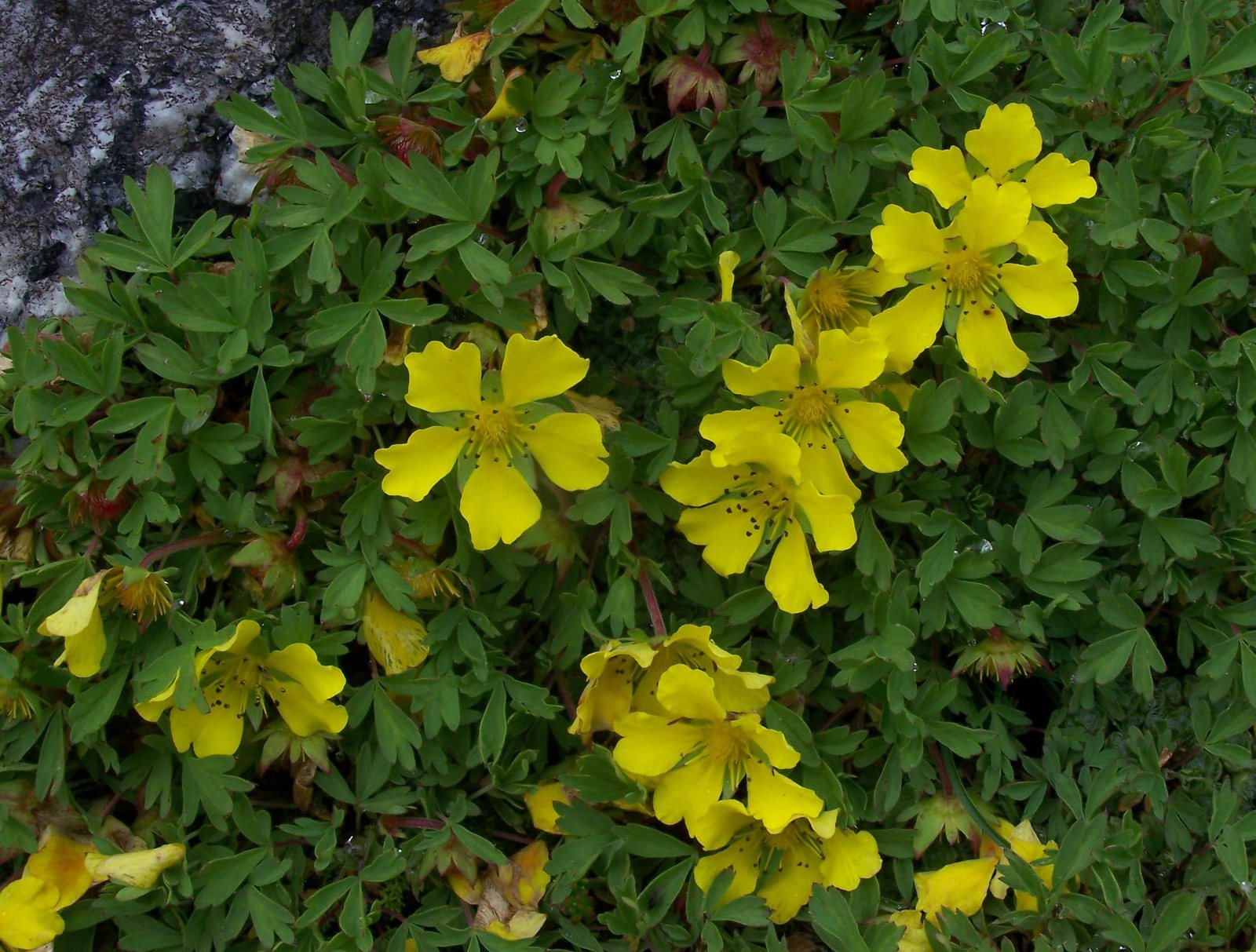
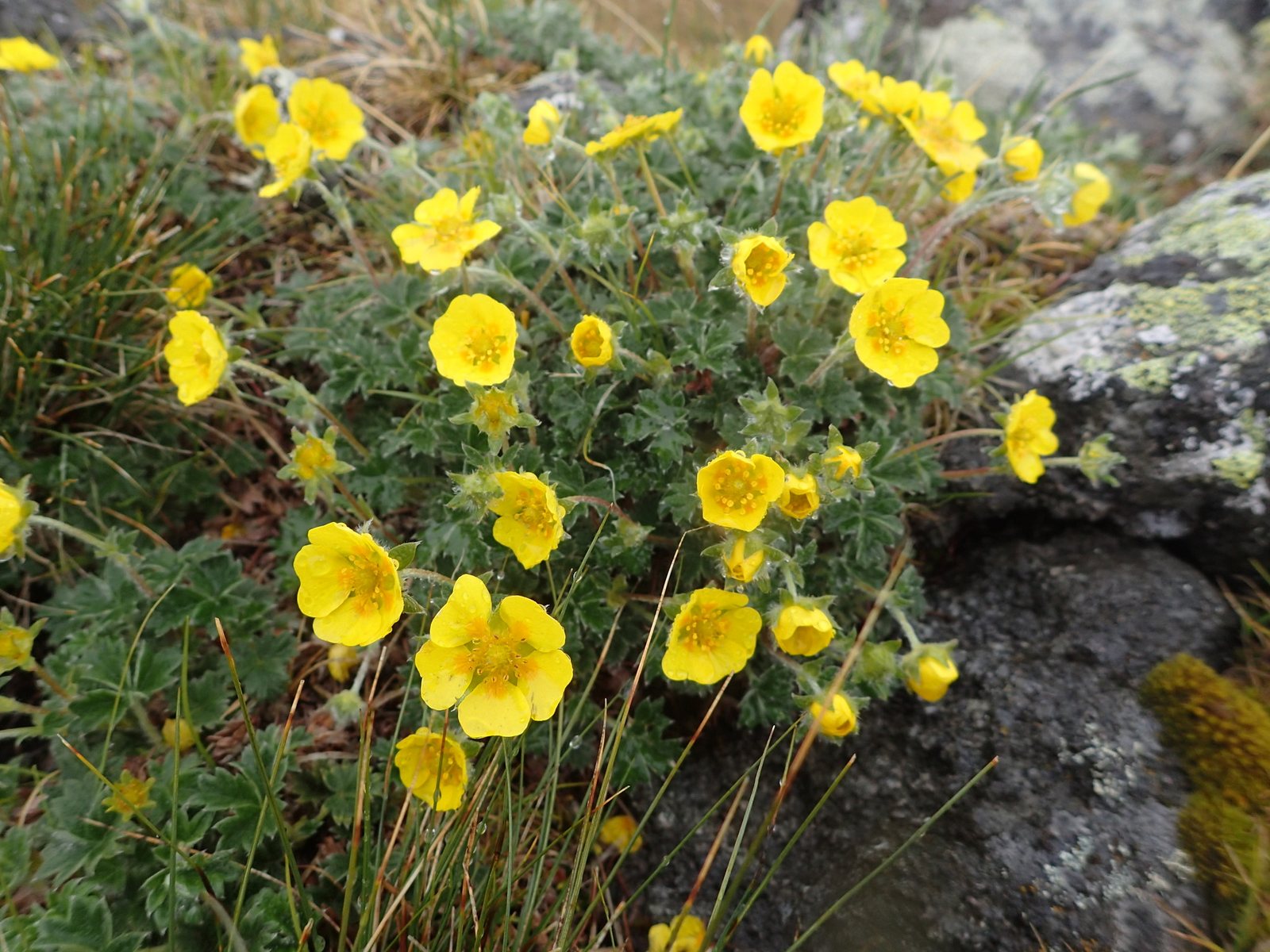
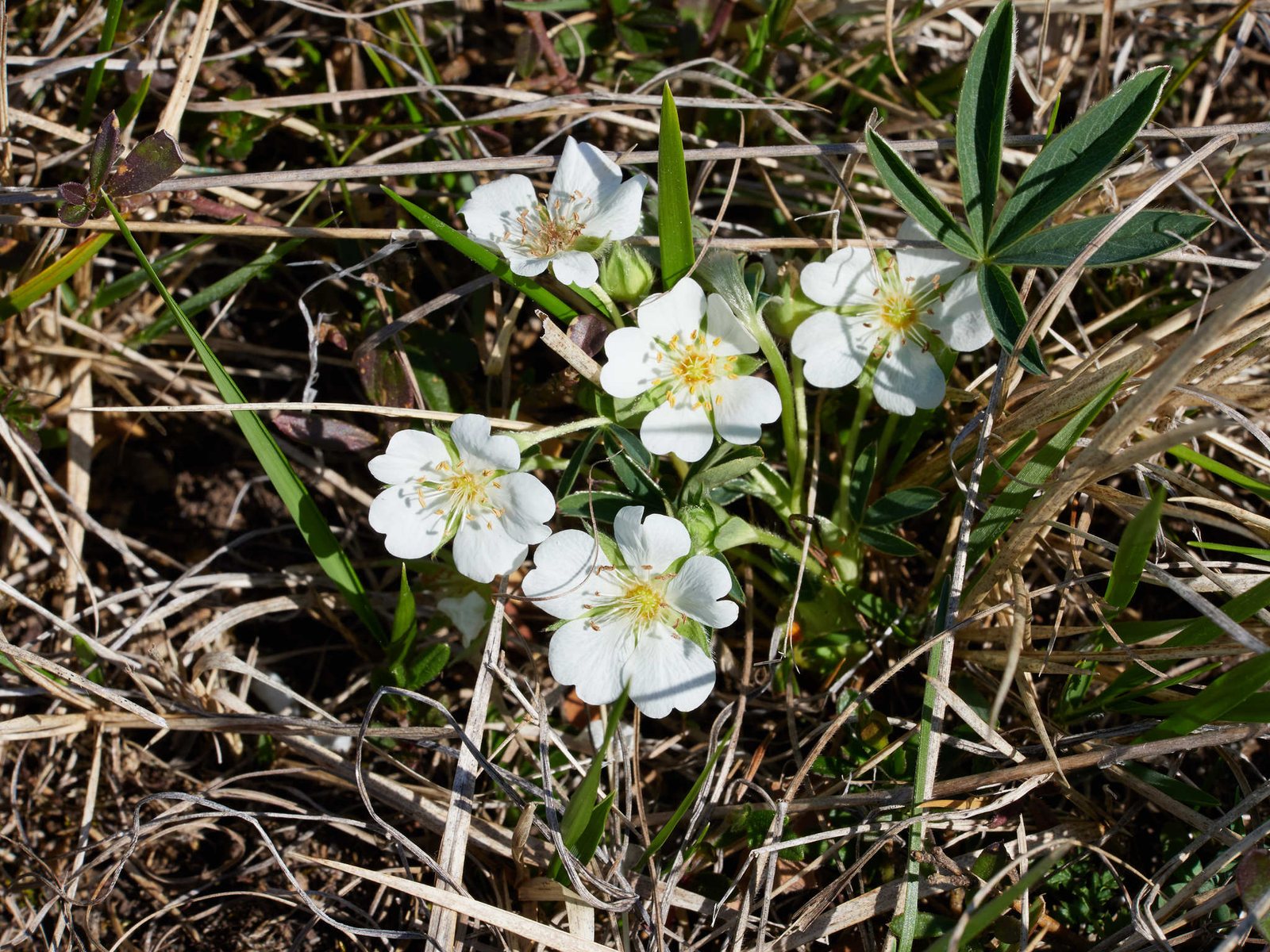
At a glance
- Sun
- Full sun gives the best flowering; light afternoon shade can help in hot gardens.
- Water
- Water regularly while establishing, then during prolonged dry spells. Avoid soil that stays wet, especially in winter.
- Soil
- Average, well-drained soil, from sandy loam to clay improved for drainage; tolerates a broad range of soil pH.
- Height
- 1.5-2 ft (0.45-0.6 m)
- Spread
- 1.5-2 ft (0.45-0.6 m)
- Flowers
- Early to late summer, sometimes continuing into early autumn; scarlet-red flowers with dark centres.
- Foliage
- Green, toothed, divided leaves resembling strawberry foliage; deciduous.
- Growth
- Moderate; usually forms a substantial flowering clump within two to three growing seasons.
- Care needed
- Low
The year at a glance
- Pollinators
- Deer resistant
- Drought tolerant
- Low allergen
| J | F | M | A | M | J | J | A | S | O | N | D | |
|---|---|---|---|---|---|---|---|---|---|---|---|---|
| Flowers | ||||||||||||
| Plant |
Northern hemisphere months. In Australia, shift them by six.
- Difficulty
- Easy
- Toughness
- Very tough
Will it suit your garden?
Pick your zone, country, light and whether you have pets.
Full sun is 6 or more hours of direct sun a day, part shade 3 to 6 hours, shade under 3.
How it grows
Planting day
1 ft (0.3 m)
After 1 year
1.2 ft (0.37 m)
After 2 years
1.5 ft (0.45 m)
After 3 years
1.7 ft (0.53 m)
full size
About 3 years to full size.
From a typical nursery size, at an average rate for this kind of plant. A rule of thumb, not a forecast.
Good to know
- Cats and dogs
- Safe
- Growth rate
- Moderate
Care
Jobs through the year
- WaterApr–May, Sep, every 14 days
- Water established clumps only during prolonged dry spells; water new plants more often.
- WaterJun–Aug, every 10 days
- Water deeply during extended drought, allowing the surface to dry between waterings.
- MulchMar–Apr
- Top-dress lightly with compost, leaving the crown clear.
- PruneFeb–Mar
- Cut remaining dead stems back to the crown before new growth.
- DeadheadJun–Sep, every 7 days
- Remove spent flower stems to encourage further flowering.
- DivideMar–Apr
- Divide clumps when congested or declining.
- Plant with the crown at soil level and leave room for the flowering stems to spread.
- Water deeply during establishment and extended summer drought.
- Apply a thin layer of compost in spring; avoid heavy feeding, which encourages floppy growth.
- Keep mulch away from the crown and improve drainage where winter water collects.
- Use low twiggy supports if stems flop over paths or neighbouring plants.
- Divide congested or declining clumps in spring.
Pruning. Remove spent flower stems to encourage further flowering and keep the clump tidy. Cut dead stems back to the crown in late autumn or late winter, before new growth starts.
Through the year
- Early spring
- Remove remaining dead stems and check that the crown is not buried under wet mulch.
- Spring
- Plant or divide clumps, water them in and top-dress lightly with compost.
- Late spring
- Add discreet supports before the flowering stems become tangled.
- Summer
- Remove faded flower stems and water during prolonged dry weather.
- Early autumn
- Plant in mild regions where the soil drains freely; allow time for roots to establish before winter.
- Late autumn
- Cut back collapsed growth if desired and clear wet debris from the crown.
In the garden
- Plant small groups near the front of a cottage border for repeated patches of scarlet.
- Combine with blue catmint or purple salvia for a strong summer colour contrast.
- Let the loose stems weave through low ornamental grasses in an informal perennial border.
- Use beside a sunny path, set back far enough that the flowering stems do not obstruct it.
Garden styles it suits: Cottage garden, English country, Hot border, New perennial (prairie), Pollinator garden and Traditional.
Plant it with: Catmint, Perennial salvia, Cranesbill, Yarrow, Lady's mantle and Tufted hair grass.
Wildlife: The open flowers provide pollen and nectar for visiting bees and other insects.
Problems to watch for
- Crown or root rot in waterlogged soil: improve drainage or move the plant to a raised planting area; keep the crown clear of mulch.
- Powdery mildew in dry, crowded conditions: allow more airflow, water the root zone during drought and remove badly affected foliage.
- Slugs and snails on emerging shoots: inspect new growth and use hand-picking or locally approved iron-based slug bait if necessary.
- Floppy stems and poor flowering in shade or rich soil: move to a sunnier position, reduce feeding and provide low supports.
Safety
Not known to be toxic to people, cats, dogs or horses. No part is recognised as a significant poisoning hazard, but this ornamental cultivar is not grown as food.
Easily confused with
Nepalese cinquefoil 'Miss Willmott' (Potentilla nepalensis 'Miss Willmott')
Has pink flowers with darker reddish centres rather than the scarlet flowers of 'Gibson's Scarlet'.
Dark-flowered cinquefoil (Potentilla atrosanguinea)
Can have similar red flowers, but typically has conspicuously silvery, hairy leaf undersides; flower colour alone is not a reliable distinction.
Shrubby cinquefoil (Dasiphora fruticosa)
Forms a permanent woody shrub with small leaflets, rather than a soft-stemmed perennial that dies back in winter.
The name
Cinquefoil comes from the French for 'five leaves', referring to the five leaflets typical of many plants in this group.
Propagation. Divide established clumps in spring, keeping healthy roots and shoots on each section. Seed-grown plants may differ from the parent, so use division to preserve the cultivar.
Checked against open data
- Accepted botanical name
- Potentilla
Sources: GBIF (CC BY 4.0). The care and design notes are LandscapeGPT's own.
See it in your own yard.
Upload a photo of your yard and see it redesigned with plants that suit your climate, each checked against your zone.