Clematis 'Bill MacKenzie'
Clematis 'Bill MacKenzie'. Family Ranunculaceae. Climber.
Also called 'Bill MacKenzie' clematis, Tangutica Group clematis 'Bill MacKenzie'.
This vigorous deciduous clematis carries nodding yellow bells from summer into autumn, followed by silky seedheads that often remain into winter. Grow it over a substantial pergola, fence or large shrub where its long stems have room to spread.
At a glance
- Sun
- Full sun to partial shade; flowering is best with several hours of direct sun. In hot climates, provide afternoon shade and keep the root zone cool.
- Water
- Water deeply during establishment and prolonged dry spells. Established plants tolerate some dryness, but flower better with consistent moisture and good drainage.
- Soil
- Well-drained soil enriched with compost; tolerates chalk and a broad pH range. Avoid waterlogged ground.
- Height
- 15-25 ft (4.6-7.6 m)
- Spread
- 8-12 ft (2.4-3.7 m)
- Flowers
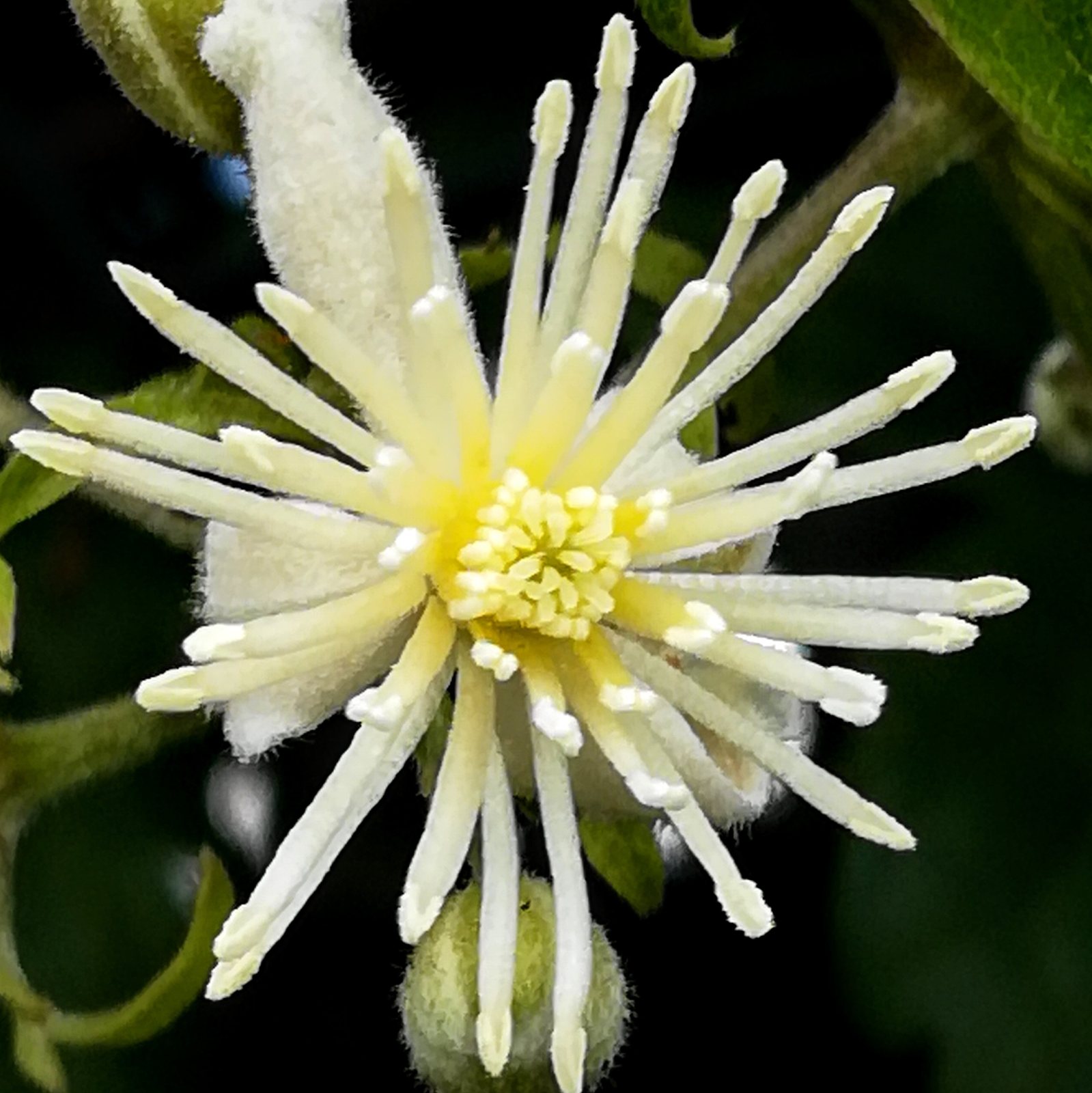
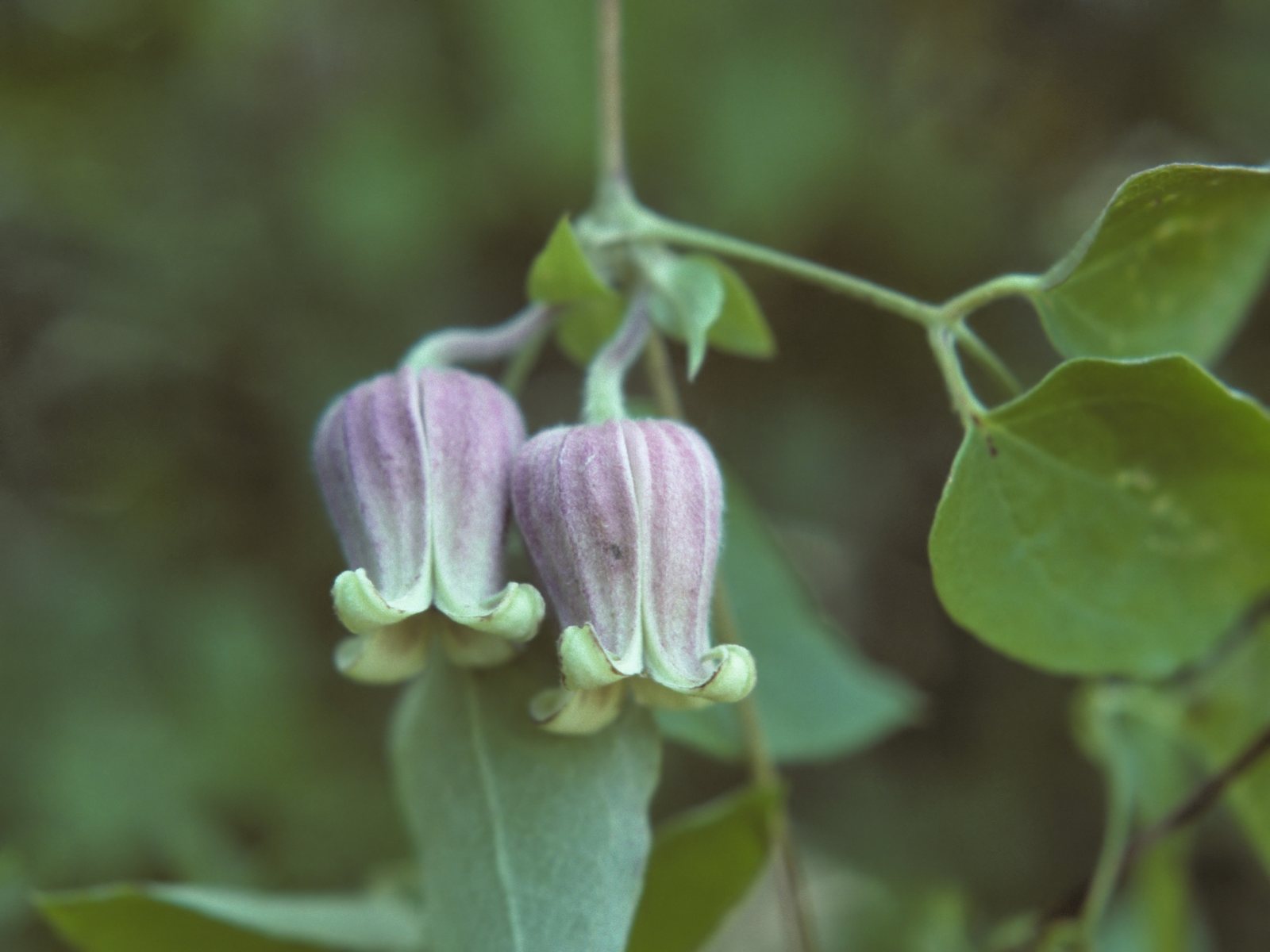
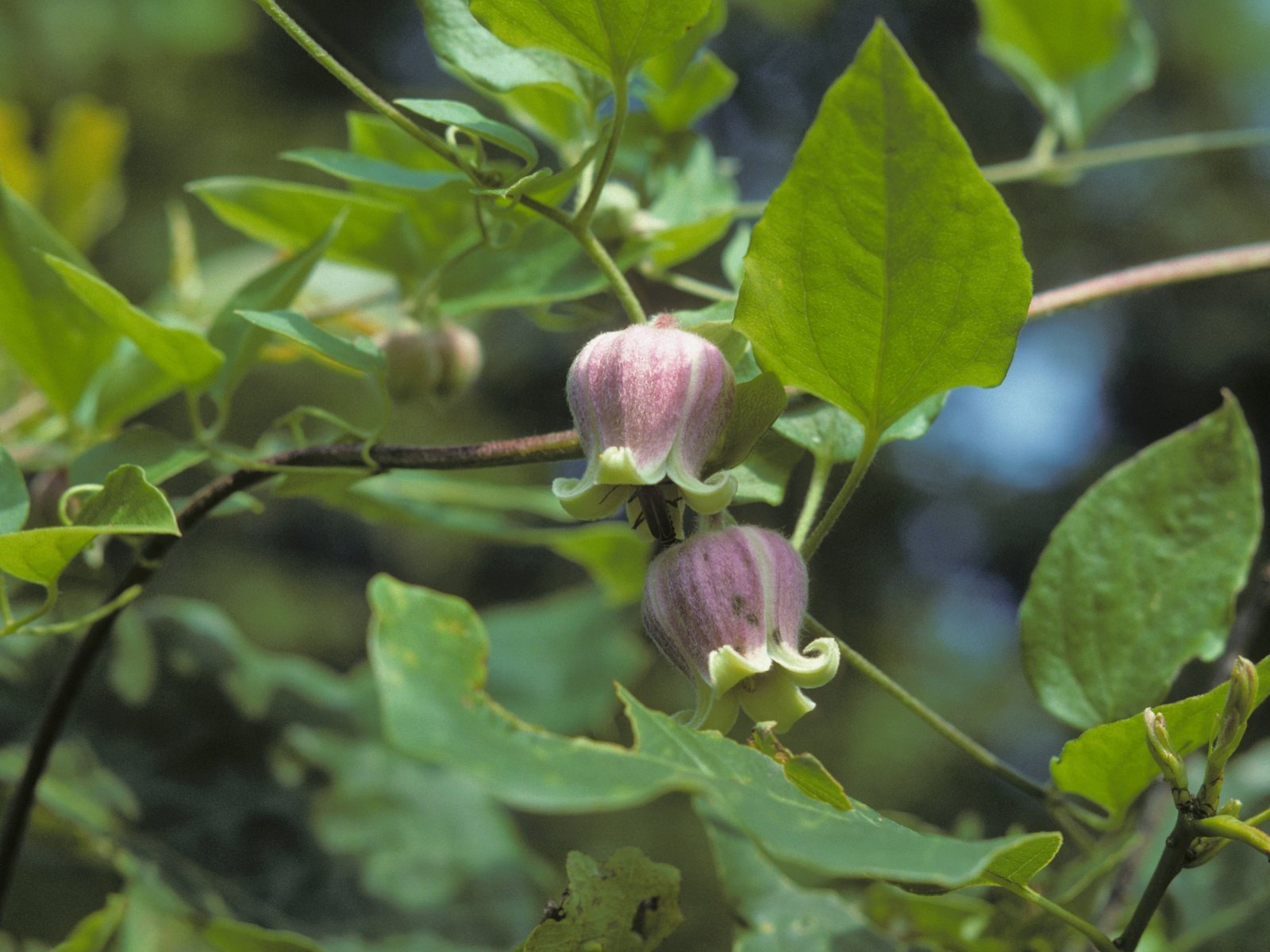
- Summer to autumn; nodding, lantern-shaped yellow flowers with four thick sepals and dark stamens.
- Foliage
- Divided green leaves with relatively small, toothed leaflets; leaf stalks curl around supports.
- Growth
- Fast once established
- Care needed
- Medium
The year at a glance
- Pollinators
- Cold hardy
- Heat tolerant
- Wildlife
- Low allergen
| J | F | M | A | M | J | J | A | S | O | N | D | |
|---|---|---|---|---|---|---|---|---|---|---|---|---|
| Flowers | ||||||||||||
| Fruit | ||||||||||||
| Plant |
Northern hemisphere months. In Australia, shift them by six.
- Difficulty
- Moderate
- Toughness
- Very tough
Will it suit your garden?
Pick your zone, country, light and whether you have pets.
Full sun is 6 or more hours of direct sun a day, part shade 3 to 6 hours, shade under 3.
How it grows
Planting day
2 ft (0.6 m)
After 1 year
3 ft (1.1 m)
After 2 years
5 ft (1.5 m)
After 3 years
6 ft (1.8 m)
full size
About 3 years to full size.
From a typical nursery size, at an average rate for this kind of plant. A rule of thumb, not a forecast.
Good to know
- Cats and dogs
- Toxic
- In the garden
- Spreads vigorously: plan to contain it.
- Growth rate
- Fast
Care
Jobs through the year
- WaterApr–May, Sep–Oct, every 14 days
- Water established plants deeply if soil is dry; newly planted vines need more frequent watering.
- WaterJun–Aug, every 7 days
- Water deeply during dry weather to support flowering; skip when rainfall keeps soil moist.
- PruneFeb–Mar
- Cut all stems to strong buds 30–45 cm above ground before new growth.
- FeedMar–Apr
- Give one spring application of balanced fertilizer at the labelled rate.
- MulchMar–Apr
- Apply compost or leaf mould over the root zone, keeping stems clear.
- ProtectApr–Jun, every 14 days
- Guide and loosely tie young shoots onto strong supports; watch emerging shoots for slugs.
- DeadheadSep–Oct
- Remove seedheads before dispersal only if unwanted seedlings are a concern.
- ProtectDec
- Inspect and repair trellis, wires and fixings.
- Provide a strong pergola, trellis or fence fitted with thin wires or mesh that the leaf stalks can grip.
- Water deeply through the first growing season and during extended dry weather.
- Mulch with compost or leaf mould in spring, keeping mulch clear of the stems.
- Apply a balanced fertiliser in spring according to the label; avoid heavy nitrogen feeding.
- Guide and loosely tie young stems before they become tangled.
- Remove seedheads before seed dispersal where unwanted seedlings are a concern.
Pruning. Pruning group 3: in late winter or early spring, cut all stems back to strong buds about 12-18 in (30-45 cm) above ground. Flowers form on the current season's growth.
Through the year
- Late winter
- Cut back the previous year's stems and remove tangled growth from the support.
- Spring
- Apply compost mulch and a balanced fertiliser as new growth begins.
- Late spring
- Guide new shoots across wires or trellis and tie them loosely where needed.
- Summer
- Water deeply during dry spells and check that vigorous shoots are not smothering nearby plants.
- Autumn
- Enjoy the silky seedheads, or remove them before dispersal if self-seeding is a concern.
- Winter
- Check supports and fixings while the deciduous framework is visible.
In the garden
- Cover a substantial pergola or arch with yellow summer flowers and autumn seedheads.
- Train along a long fence with wires to soften its outline without taking up much ground space.
- Let it scramble through a large, sturdy shrub, keeping it away from small or slow-growing plants.
- Pair with purple-flowered shrubs or perennials for a clear yellow-and-purple contrast.
Garden styles it suits: English country, Cottage garden, Romantic rose garden, Arts and Crafts, Autumn colour and Winter interest.
Plant it with: Shrub roses, Butterfly bush, Russian sage, Catmint, Hardy geraniums and Purple coneflower.
Wildlife: Flowers are visited by bees and other insects. Dense growth provides shelter, but its vigour can overwhelm smaller neighbouring plants.
Problems to watch for
- Slugs and snails can destroy emerging shoots: inspect new growth regularly, remove hiding places and use iron-phosphate bait if needed.
- Aphids may cluster on soft tips: wash them off with water and encourage ladybirds and other predators.
- Powdery mildew can develop on crowded, drought-stressed growth: water the root zone, improve airflow and remove badly affected leaves.
- Poor flowering usually follows excessive shade or hard pruning during the growing season: provide more light and restrict the main pruning to late winter or early spring.
Safety
Toxic to people, cats, dogs and horses if eaten. Fresh leaves, stems and flowers contain irritant compounds that can cause mouth irritation, drooling, vomiting or diarrhoea; serious poisoning is uncommon because the plant tastes acrid. Sap can irritate skin, so wear gloves when pruning.
Where it spreads. Can self-seed beyond the planting site. Related yellow-flowered clematis, particularly Clematis tangutica and C. orientalis, are invasive in parts of western North America, including Colorado; the status of 'Bill MacKenzie' itself is not consistently distinguished. Check local restrictions and remove seedheads near natural areas.
Easily confused with
Golden clematis (Clematis tangutica)
Also has yellow bells and silky seedheads. 'Bill MacKenzie' is generally more vigorous, with larger, more open flowers and a long flowering season, but identification from flowers alone is not always reliable.
'Lambton Park' clematis (Clematis 'Lambton Park')
Has similar yellow flowers and vigorous growth, but its flowers are generally larger, more elongated and noticeably scented.
The name
The cultivar honours Bill MacKenzie, a former curator of London's Chelsea Physic Garden.
Propagation. Layer a healthy stem or take softwood to semi-ripe cuttings from late spring to summer. Seedlings will not reliably retain the cultivar's characteristics.
Checked against open data
- Accepted botanical name
- Clematis
Sources: GBIF (CC BY 4.0). The care and design notes are LandscapeGPT's own.
See it in your own yard.
Upload a photo of your yard and see it redesigned with plants that suit your climate, each checked against your zone.