Clematis 'The President'
Clematis 'The President'. Family Ranunculaceae. Climber.
Also called 'The President' clematis.
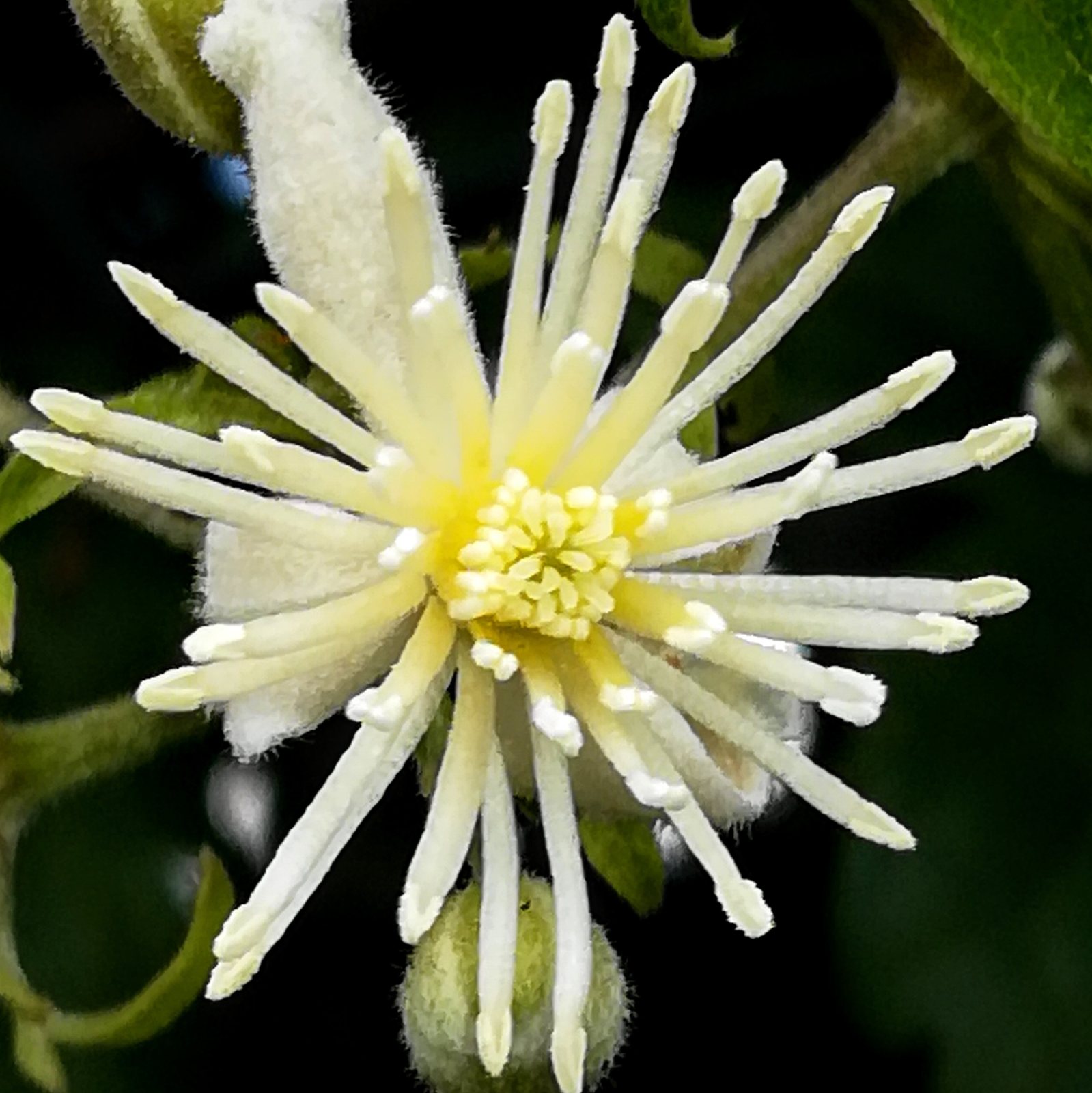
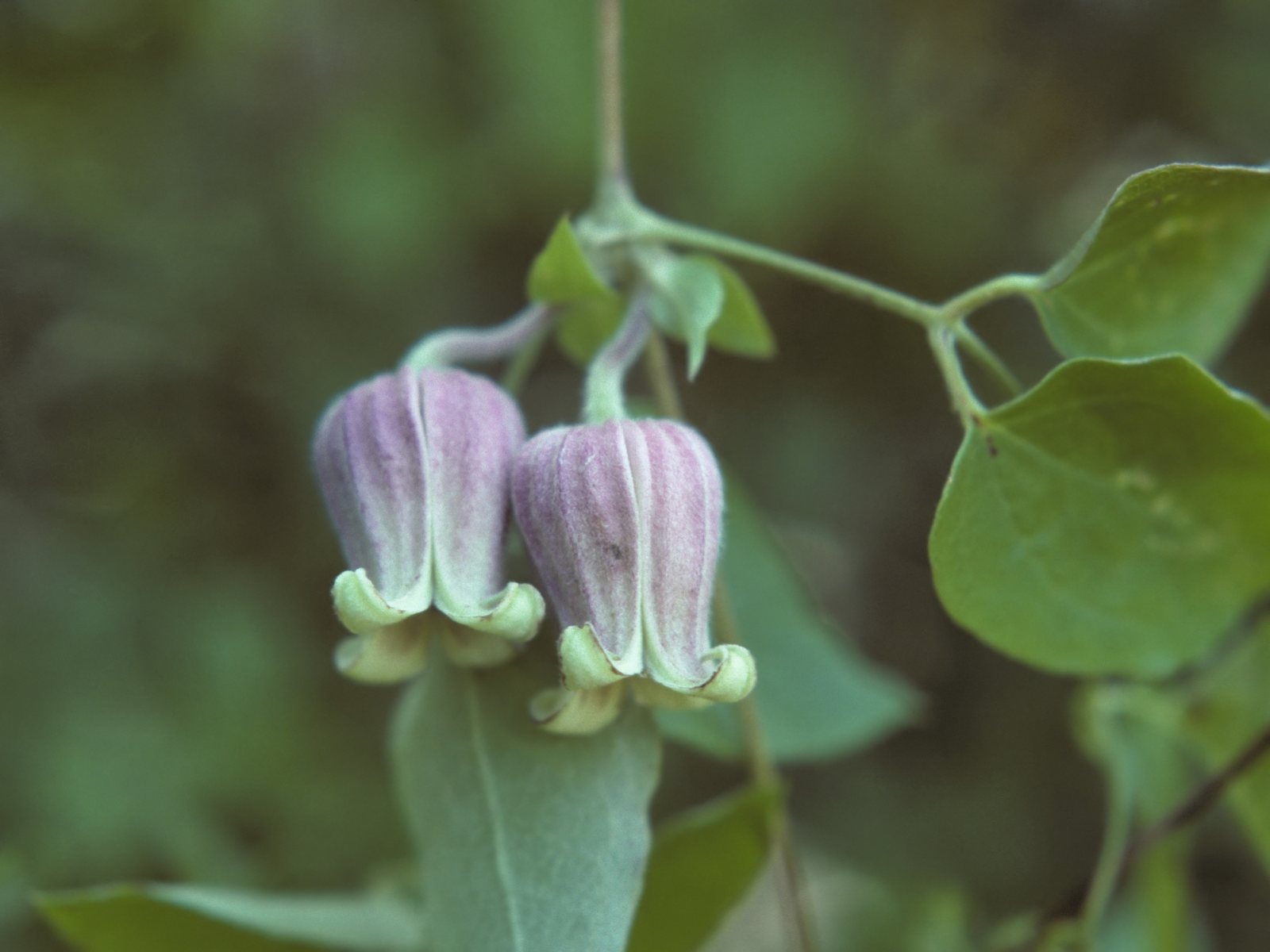
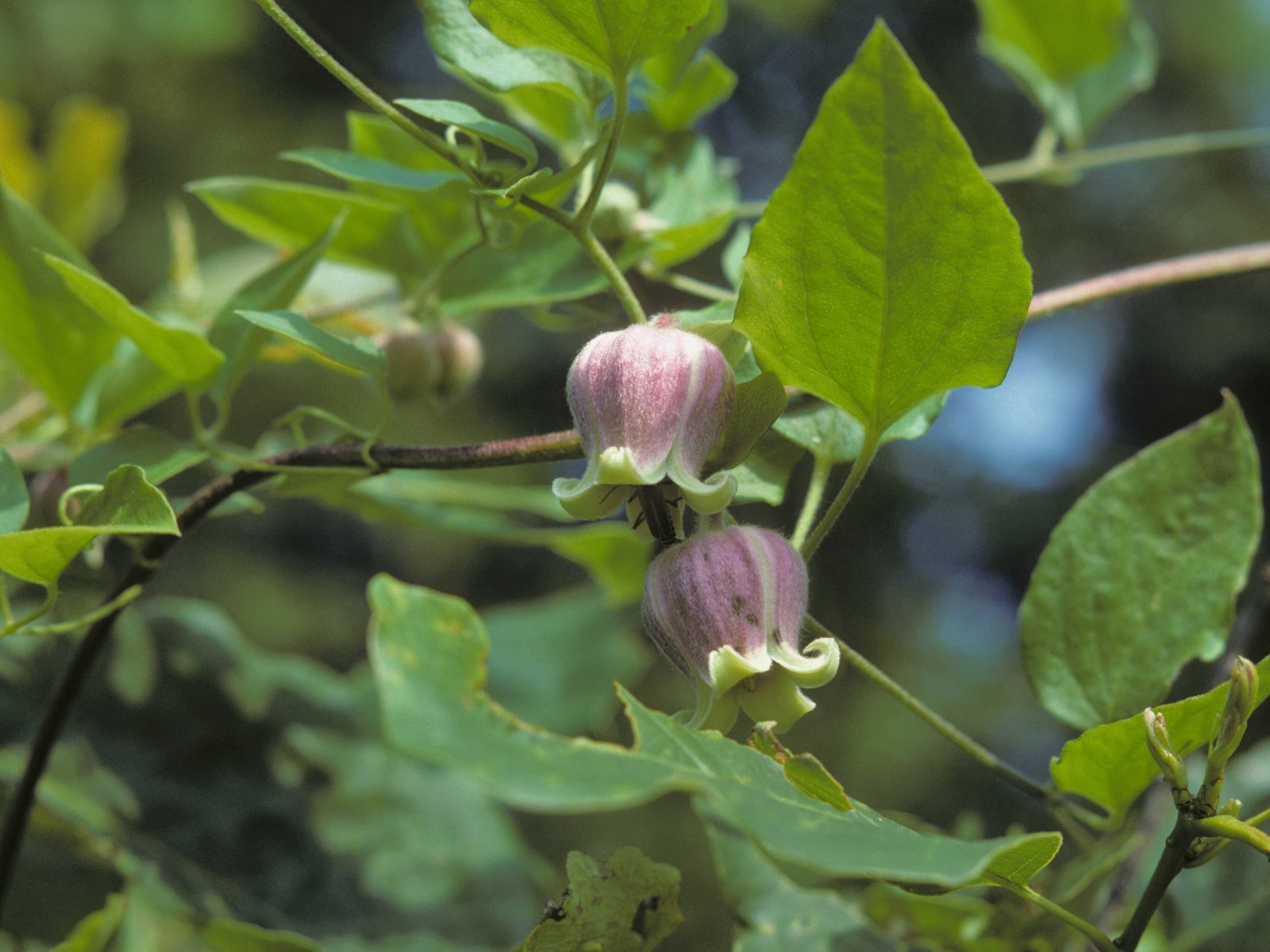
A deciduous climber with large violet-blue flowers and reddish-purple anthers, grown for its early display and later repeat flowering. It climbs by curling its leaf stalks around slender supports, making it useful for trellises, obelisks and growing through shrubs.
At a glance
- Sun
- Full sun to partial shade; afternoon shade helps in hot climates. Keep the root area cool without deeply shading the climbing stems.
- Water
- Keep the soil evenly moist but not waterlogged. Water deeply during dry spells, especially during establishment; containers need more frequent checks.
- Soil
- Fertile, moisture-retentive, well-drained soil, from slightly acidic to alkaline. Avoid sites that remain wet in winter.
- Height
- 6-10 ft (1.8-3 m)
- Spread
- 3-4 ft (0.9-1.2 m)
- Flowers
- Large violet-blue flowers in late spring to early summer, often followed by a smaller flush in late summer to early autumn.
- Foliage
- Deciduous green leaves divided into pointed leaflets; the leaf stalks curl around supports.
- Growth
- Moderate to fast once established
- Care needed
- Medium
The year at a glance
- Pollinators
- Cold hardy
- Low allergen
| J | F | M | A | M | J | J | A | S | O | N | D | |
|---|---|---|---|---|---|---|---|---|---|---|---|---|
| Flowers | ||||||||||||
| Fruit | ||||||||||||
| Plant |
Northern hemisphere months. In Australia, shift them by six.
- Difficulty
- Moderate
- Toughness
- Fairly tough
Will it suit your garden?
Pick your zone, country, light and whether you have pets.
Full sun is 6 or more hours of direct sun a day, part shade 3 to 6 hours, shade under 3.
How it grows
Planting day
2 ft (0.6 m)
After 1 year
3 ft (0.98 m)
After 2 years
4 ft (1.4 m)
After 3 years
6 ft (1.7 m)
After 5 years
6 ft (1.8 m)
full size
About 3 years to full size.
From a typical nursery size, at an average rate for this kind of plant. A rule of thumb, not a forecast.
Good to know
- Cats and dogs
- Toxic
- Growth rate
- Fast
Care
Jobs through the year
- WaterMar–Apr, Oct, every 14 days
- Water established plants deeply if the root zone is drying; young plants need more frequent checks.
- WaterMay–Sep, every 7 days
- Water established plants deeply in dry weather to keep roots evenly moist, not waterlogged.
- FeedMar–Apr
- Apply a balanced fertiliser at the labelled rate; avoid excessive nitrogen.
- MulchMar–Apr
- Mulch with compost or well-rotted organic matter to cool roots, keeping stems clear.
- PruneFeb–Mar
- Use group 2 pruning: remove dead and weak stems, then trim healthy stems to the highest strong bud pair.
- PruneJun–Jul
- After the first flush, shorten selected flowered shoots to strong buds to encourage repeat flowering.
- ProtectMar–May
- Protect tender shoots from slugs and loosely tie stems onto slender supports.
- ProtectOct–Nov
- Remove fallen diseased foliage and secure ties and supports before winter.
- Plant with the crown about 2-3 in (5-8 cm) below the soil surface in well-drained ground.
- Provide a trellis, wires or mesh with slender sections that the leaf stalks can grip; tie young shoots in loosely.
- Water deeply when the root zone starts to dry, rather than giving frequent light sprinklings.
- Apply a balanced fertiliser in spring according to the label; avoid excessive nitrogen.
- Mulch each spring with compost or well-rotted organic matter, keeping it clear of the stems.
Pruning. Pruning group 2: in late winter or early spring, remove dead and weak stems, then shorten remaining stems to the highest strong pair of buds. After the first flowering, shorten some flowered shoots to strong buds to encourage another flush; hard annual pruning sacrifices the early flowers.
Through the year
- Late winter
- Inspect the framework and remove dead or weak stems, preserving healthy growth for the early flowers.
- Early spring
- Feed, renew the mulch and tie emerging shoots to their supports.
- Late spring
- Check young shoots for slugs and snails, and guide stems before they become tangled.
- Early summer
- After the first flowers fade, lightly shorten selected flowered shoots to encourage repeat flowering.
- Summer
- Water deeply during dry weather and check containers frequently for drying out.
- Autumn
- Remove fallen diseased foliage and check that ties and supports are secure before winter.
In the garden
- Train over a narrow trellis beside a doorway to bring flowers to eye level.
- Grow through a sturdy climbing rose for contrasting flowers and a longer season of interest.
- Use on an obelisk in a mixed border to add height without a broad woody shrub.
- Grow in a large, frost-resistant container with a fixed trellis for a patio or small courtyard.
Garden styles it suits: English country, Cottage garden, Romantic rose garden, Traditional, Blues and silvers and Small-space.
Plant it with: Climbing roses, Hardy geraniums, Catmint, Lady's mantle and Hostas.
Wildlife: Bees may visit the flowers for pollen, though this large-flowered cultivar is not a particularly rich nectar source. Established stems and foliage provide some shelter for small garden animals.
Problems to watch for
- Clematis wilt can cause individual shoots to collapse suddenly. Cut affected stems back to healthy tissue, removing them at ground level if necessary, and dispose of the debris; established roots may send up new shoots.
- Slugs and snails eat tender spring shoots. Inspect at dusk, remove pests and use wildlife-conscious controls where needed.
- Powdery mildew can coat leaves in dry, crowded conditions. Keep roots evenly moist, improve air circulation and remove badly affected foliage.
- Few early flowers often follow hard winter pruning. Retain healthy older stems and use light group 2 pruning instead.
Safety
Toxic to cats, dogs, horses and people if eaten. All parts, particularly fresh leaves and stems, contain irritant compounds that can cause mouth irritation, drooling, vomiting or diarrhoea; serious poisoning is uncommon, but seek medical or veterinary advice after ingestion. Sap can irritate skin, so wear gloves when pruning.
Easily confused with
Jackman's clematis (Clematis 'Jackmanii')
Usually has deeper purple flowers with four broad sepals and flowers mainly in summer on new growth; 'The President' usually has six to eight sepals and an earlier main flush.
'Multi Blue' clematis (Clematis 'Multi Blue')
Has a conspicuous raised centre of narrow, petal-like segments, giving a double or semi-double flower; 'The President' has single flowers with exposed anthers.
The name
Clematis comes from the Greek word klema, meaning a vine branch or shoot.
Propagation. Take softwood cuttings in late spring or semi-ripe cuttings in summer, or layer a low stem into a pot of compost. Seed will not reliably produce plants identical to 'The President'.
Checked against open data
- Accepted botanical name
- Clematis
Sources: GBIF (CC BY 4.0). The care and design notes are LandscapeGPT's own.
See it in your own yard.
Upload a photo of your yard and see it redesigned with plants that suit your climate, each checked against your zone.