Clementine
Citrus × clementina. Family Rutaceae. Tree.
Also called Clementine mandarin.
Clementine is a small evergreen citrus tree grown for sweet, easy-peeling fruit and fragrant white flowers. It needs a warm, sheltered position; in most of the United Kingdom and Canada, grow it in a container and overwinter it in a bright, frost-free space. Trees can fruit without another citrus nearby, and fruit is usually seedless unless cross-pollinated by a compatible citrus.
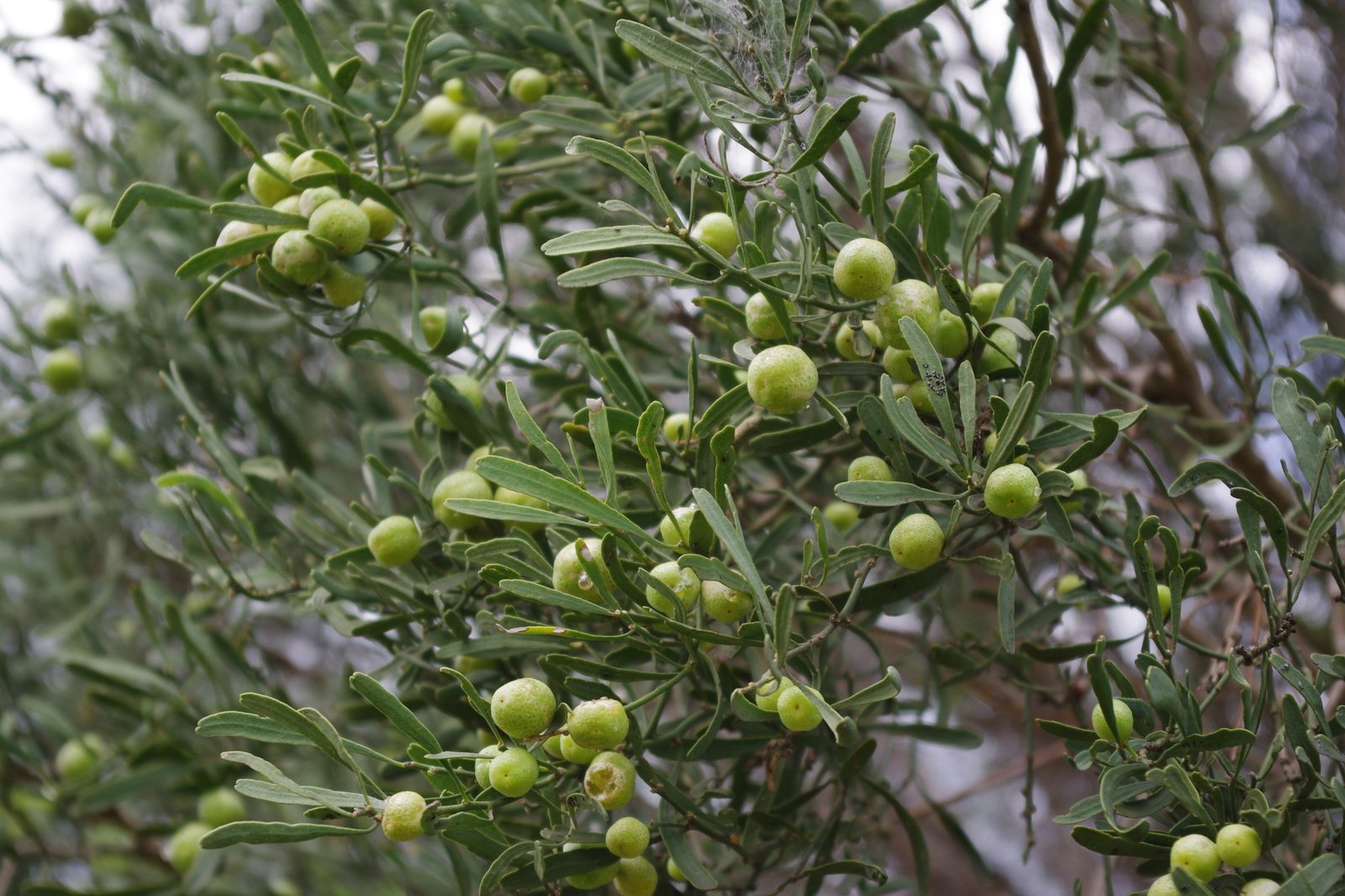
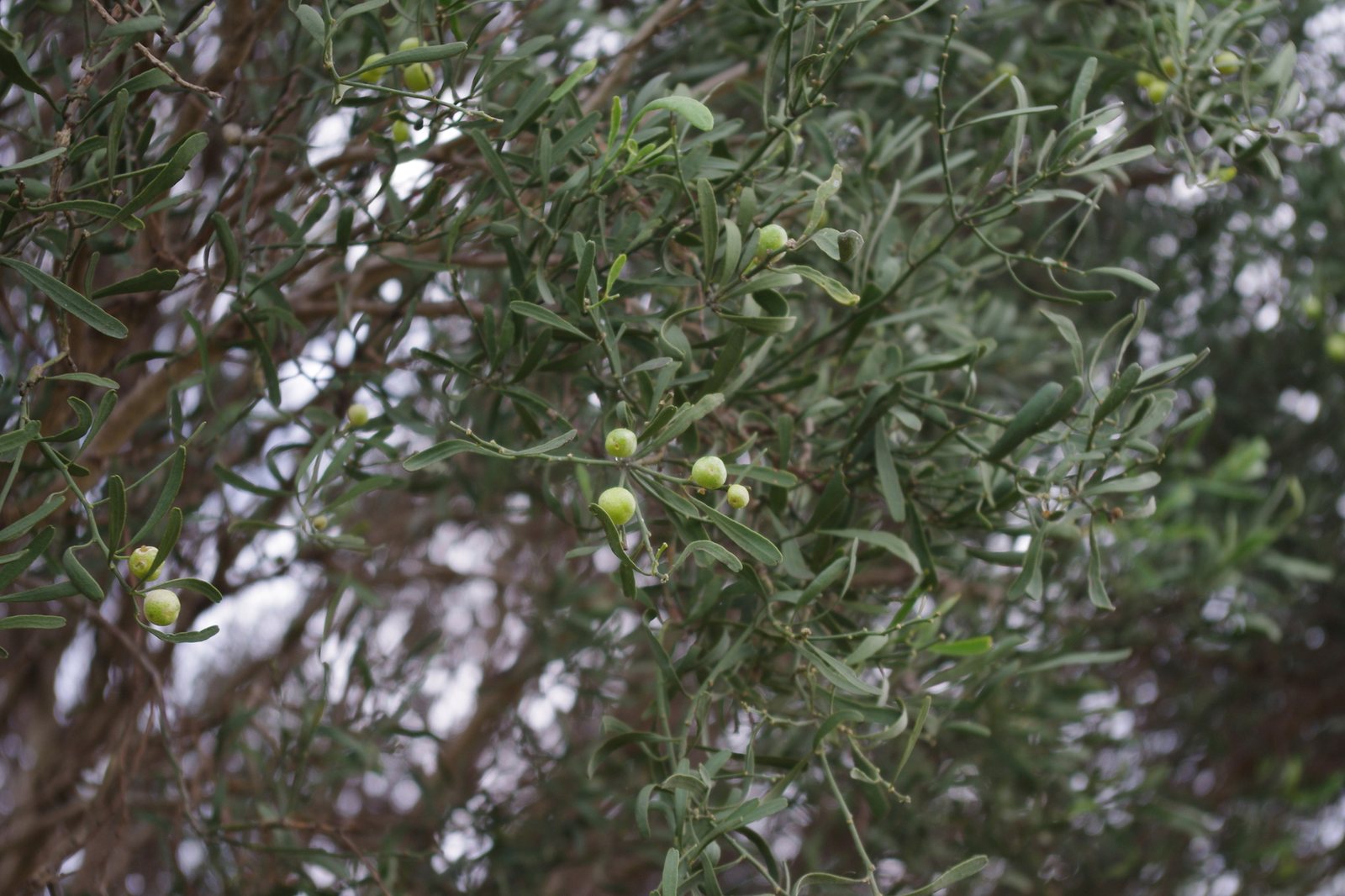
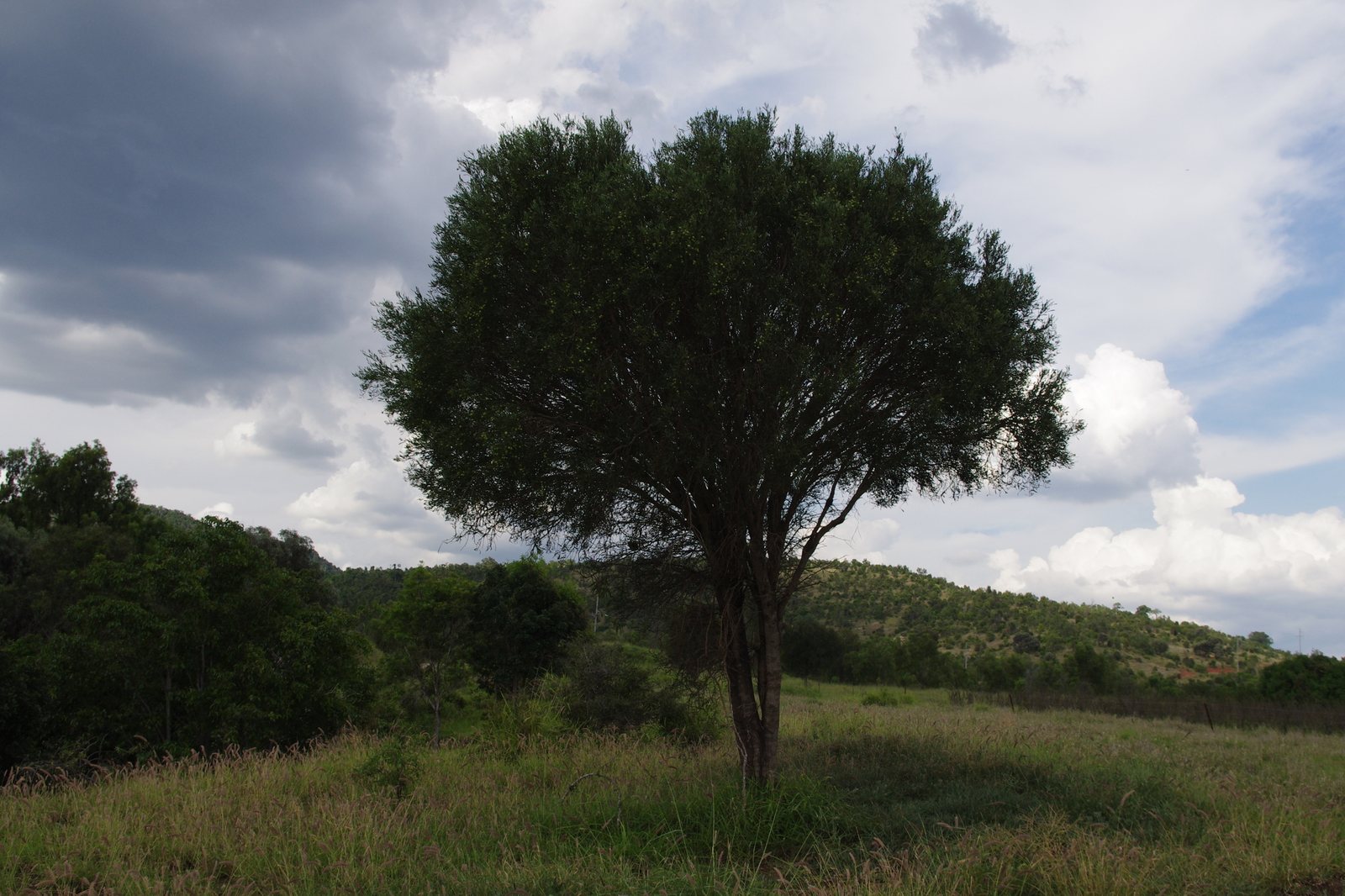
At a glance
- Sun
- Full sun, ideally at least 6-8 hours daily; shelter from cold and drying winds.
- Water
- Water deeply, then let the upper soil begin to dry before watering again. Containers need more frequent checks, but roots must never sit in water.
- Soil
- Free-draining, fertile soil, preferably slightly acidic. Use a well-aerated citrus potting mix in containers; avoid heavy, waterlogged ground.
- Height
- 10-20 ft (3-6 m); smaller on dwarfing rootstocks or in containers
- Spread
- 8-15 ft (2.4-4.6 m)
- Flowers
- Mainly spring; fragrant white flowers, sometimes with smaller repeat flushes.
- Foliage
- Evergreen. Glossy, dark green, oval to lance-shaped leaves with an aromatic scent when crushed.
- Growth
- Moderate
- Care needed
- Medium
The year at a glance
- Pollinators
- Heat tolerant
- Low allergen
- Fragrant
- Edible
| J | F | M | A | M | J | J | A | S | O | N | D | |
|---|---|---|---|---|---|---|---|---|---|---|---|---|
| Flowers | ||||||||||||
| Fruit | ||||||||||||
| Plant |
Northern hemisphere months. In Australia, shift them by six.
- Difficulty
- Hard
- Toughness
- Needs looking after
Will it suit your garden?
Pick your zone, country, light and whether you have pets.
Full sun is 6 or more hours of direct sun a day, part shade 3 to 6 hours, shade under 3.
How it grows
Planting day
7 ft (2 m)
After 1 year
7 ft (2.1 m)
After 2 years
7 ft (2.3 m)
After 3 years
8 ft (2.4 m)
After 5 years
9 ft (2.6 m)
About 20 years to full size.
From a typical nursery size, at an average rate for this kind of plant. A rule of thumb, not a forecast.
Good to know
- Cats and dogs
- Mildly toxic: may upset a stomach
- Growth rate
- Moderate
Care
Jobs through the year
- ProtectSep–Oct
- Not winter-hardy in zones 6–7: grow in a movable pot and shelter before frost.
- ProtectJan–Apr, Nov–Dec
- Keep in bright, frost-free shelter, protected from drying heat.
- ProtectMay–Jun
- Gradually return outdoors once nights are reliably frost-free.
- WaterJan–Feb, Nov–Dec, every 14 days
- For a cool sheltered pot, water as the upper soil dries without drying the root ball completely.
- WaterMar–May, Sep–Oct, every 7 days
- For container culture, soak when upper soil starts drying and let excess water drain.
- WaterJun–Aug, every 3 days
- For container culture, check daily in heat and water as needed, especially during fruit swelling.
- FeedMar–Aug, every 14 days
- Apply citrus fertilizer during active growth at the product's recommended interval.
- PruneMay–Jun
- Prune lightly after frost risk passes; spare fruiting branches and remove crossing growth.
- PruneMar–Sep, every 30 days
- Remove shoots arising below the graft union.
- HarvestJan–Feb, Nov–Dec, every 14 days
- Taste-test for sweetness and clip ripe fruit; it will not sweeten after picking.
- Water the root zone deeply during dry weather, especially while fruit is swelling.
- Apply citrus fertiliser according to its label during spring and summer; avoid heavy feeding in autumn.
- Mulch over the root zone, keeping mulch clear of the trunk and graft union.
- Remove shoots arising below the graft union as soon as they appear.
- Move container trees into bright, frost-free shelter before frost; water less in winter without letting the root ball dry out completely.
Pruning. Prune lightly in spring after frost risk has passed, avoiding branches still carrying fruit. Remove dead, damaged and crossing growth, and shorten only what is needed to maintain a manageable, open crown.
Harvest
Pick fruit from late autumn through winter, with timing varying by cultivar and climate; taste a sample because orange skin alone does not prove ripeness, and ripe fruit may remain partly green in warm climates. Clip fruit from the tree when sweet and juicy, since it will not become sweeter after picking.
Through the year
- Early spring
- After frost risk passes, remove damaged growth and begin feeding as active growth starts.
- Spring
- Repot container trees if root-bound, using fresh, free-draining citrus mix.
- Late spring
- Gradually acclimatise overwintered container trees to outdoor sun once nights are reliably frost-free.
- Summer
- Check soil moisture frequently and inspect young shoots and leaf undersides for pests.
- Autumn
- Reduce feeding and move container trees under frost-free cover before cold weather.
- Late autumn to winter
- Taste-test and harvest ripe fruit; keep sheltered trees in strong light and water sparingly.
In the garden
- Use a dwarf-rootstock tree in a large pot as a productive courtyard focal point.
- Plant in a sheltered edible garden with other citrus, allowing space for the mature canopy.
- Set matching container trees beside a sunny entrance for evergreen structure and seasonal fragrance.
- Combine with low Mediterranean herbs outside the main watering basin, where their roots can remain drier.
Garden styles it suits: Mediterranean, Modern Mediterranean, Modern courtyard, Potager (kitchen garden), Backyard orchard and Edible landscape.
Plant it with: Thyme, Oregano, Lavender, Sweet alyssum and Calendula.
Wildlife: Flowers attract bees and other pollinating insects. Pollination from compatible citrus can increase seed numbers in the fruit.
Problems to watch for
- Scale insects and mealybugs: inspect stems and leaf undersides; wipe off small infestations or use a labelled horticultural oil, avoiding hot sun and drought-stressed trees.
- Spider mites, especially indoors: look for stippled leaves and fine webbing; rinse leaf undersides regularly and use a labelled treatment if they persist.
- Root and collar rot: improve drainage, keep the trunk base exposed and stop leaving pots in water-filled saucers.
- Citrus greening disease: uneven blotchy yellowing, misshapen fruit and dieback need prompt assessment; there is no cure, so contact your local plant-health authority where the disease or its insect vectors are a concern.
Safety
Fruit flesh is not known to be toxic to people or pets in small food amounts. Peel, leaves and other aromatic parts contain citrus oils that can cause digestive upset in cats, dogs and horses; concentrated oils pose a greater risk, particularly to cats. Sap and peel oils can irritate sensitive human skin.
Easily confused with
Satsuma (Citrus unshiu)
Usually has looser, puffier skin and more flattened fruit; it generally ripens earlier and tolerates more cold than clementine.
Tangerine (Citrus reticulata)
Tangerine is a broad name for mandarins, often with deeper orange-red skins. Fruit and leaves overlap considerably with clementine, so a reliable cultivar label is the best guide.
Sweet orange (Citrus × sinensis)
Usually bears larger fruit with a more firmly attached rind that is harder to peel by hand.
The name
Clementine is named after Brother Clément Rodier, who grew the fruit in Algeria in the late nineteenth century.
Propagation. Usually propagated by budding or grafting onto a suitable citrus rootstock. Seedlings are slow to crop and may not match the parent; buy certified, disease-free grafted plants and observe local restrictions on moving citrus plants and budwood.
Checked against open data
- Accepted botanical name
- Citrus aurantium Citrus × clementina is an older name for Citrus aurantium.
Sources: GBIF (CC BY 4.0). The care and design notes are LandscapeGPT's own.
See it in your own yard.
Upload a photo of your yard and see it redesigned with plants that suit your climate, each checked against your zone.