Climbing Iceberg rose
Rosa 'Climbing Iceberg'. Family Rosaceae. Climber.
Also called Iceberg Climbing.
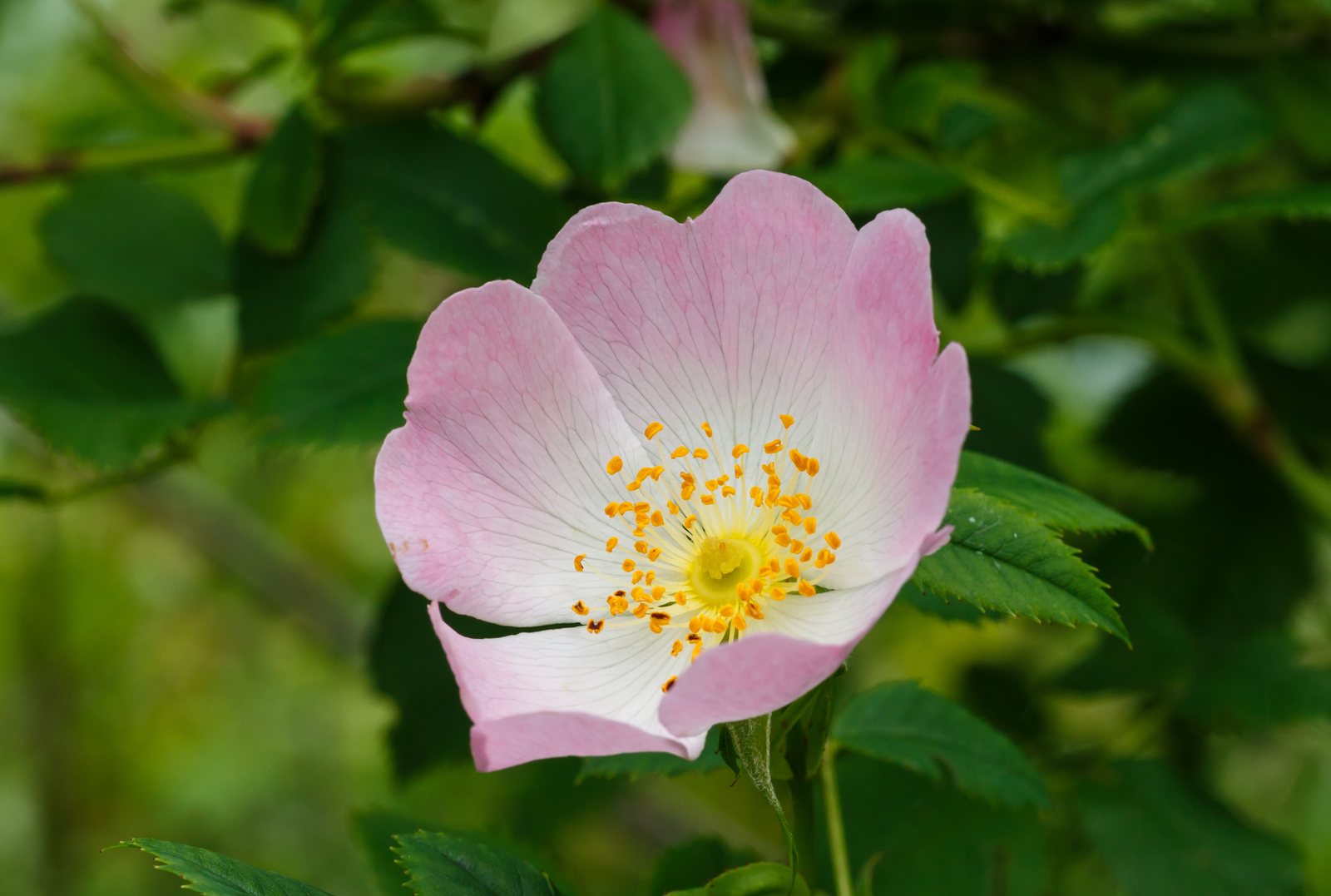
Climbing Iceberg is a climbing sport of the familiar Iceberg shrub rose, grown for clusters of lightly scented, double white flowers. Its long, flexible canes need tying to a support, and established plants can cover a substantial wall, fence or pergola. Repeat flowering varies with climate and pruning, and can be less continuous than on the shrub form.
At a glance
- Sun
- Full sun is best; tolerates light partial shade, but flowers less freely. Aim for at least 6 hours of direct sun.
- Water
- Water deeply during establishment and dry spells, allowing the surface soil to dry slightly between waterings. Avoid keeping the roots waterlogged.
- Soil
- Fertile, moisture-retentive but well-drained soil; slightly acidic to neutral is ideal. Improve very sandy or compacted soil with compost.
- Height
- 10-15 ft (3-4.5 m), sometimes taller in mild climates
- Spread
- 6-10 ft (1.8-3 m), depending on training
- Flowers
- A main flush in late spring or early summer, often followed by further flowers into autumn; double white blooms, sometimes with a pale pink blush in cool weather.
- Foliage
- Glossy, mid-green leaves divided into toothed leaflets; usually deciduous, though some leaves may persist in mild winters.
- Growth
- Vigorous once established
- Care needed
- Medium
The year at a glance
- Heat tolerant
- Wildlife
- Low allergen
| J | F | M | A | M | J | J | A | S | O | N | D | |
|---|---|---|---|---|---|---|---|---|---|---|---|---|
| Flowers | ||||||||||||
| Plant |
Northern hemisphere months. In Australia, shift them by six.
- Difficulty
- Moderate
- Toughness
- Fairly tough
Will it suit your garden?
Pick your zone, country, light and whether you have pets.
Full sun is 6 or more hours of direct sun a day, part shade 3 to 6 hours, shade under 3.
How it grows
Planting day
2 ft (0.6 m)
After 1 year
3 ft (1.1 m)
After 2 years
5 ft (1.5 m)
After 3 years
6 ft (1.8 m)
full size
About 3 years to full size.
From a typical nursery size, at an average rate for this kind of plant. A rule of thumb, not a forecast.
Good to know
- Cats and dogs
- Safe
- Growth rate
- Fast
Care
Jobs through the year
- WaterApr–May, Sep–Oct, every 14 days
- Water established roses deeply in dry weather; young plants need more.
- WaterJun–Aug, every 7 days
- Soak soil during dry spells, especially beside walls; avoid wetting foliage.
- FeedMar–Apr
- Apply rose fertilizer at the label rate as spring growth begins.
- FeedJun–Jul
- Feed once after the first flush if needed; avoid late-season nitrogen.
- MulchMar–Apr
- Apply 5–8 cm of organic mulch without covering the stems.
- PruneFeb–Mar
- Retain main canes, remove damaged wood and lightly shorten flowering side shoots.
- PruneJun–Jul
- After the main flush, shorten spent shoots and remove an old cane only if crowded.
- DeadheadJun–Oct, every 7 days
- Remove spent flower clusters to encourage repeat bloom.
- ProtectApr–Oct, every 14 days
- Check for aphids and leaf disease; remove diseased leaves and tie new canes loosely.
- ProtectOct–Nov
- Clear diseased fallen leaves and secure long canes against winter winds.
- Provide a sturdy trellis, wires, arch or pergola; tie canes loosely because roses do not cling by themselves.
- Train main canes horizontally or in a broad fan to encourage flowering shoots along their length.
- Water at soil level during dry spells, especially beside walls where rain may not reach the roots.
- Feed with a rose fertiliser in spring and, if needed, after the first flush; avoid nitrogen-rich feeding late in the growing season.
- Apply 2-3 in (5-8 cm) of organic mulch in spring, keeping it clear of the stems.
- Remove spent flower clusters to encourage further bloom, and clear fallen diseased leaves.
Pruning. In late winter, remove dead, damaged and crossing wood, retaining the long main canes and lightly shortening established flowering side shoots. After the main flush, shorten spent shoots and, on crowded mature plants, remove an old cane at the base; avoid cutting the whole plant hard each year, as this can greatly reduce flowering.
Through the year
- Late winter
- Prune lightly, inspect supports and replace tight or damaged ties.
- Early spring
- Apply rose fertiliser and mulch, then tie main canes into a fan or near-horizontal framework.
- Spring
- Check soft new growth for aphids and inspect lower leaves for black spot.
- Early summer
- After the main flush, deadhead and prune spent flowering shoots without removing the main framework.
- Summer
- Water deeply in dry weather and tie in new canes before they become stiff.
- Autumn
- Collect diseased leaves and secure long canes against winter winds.
In the garden
- Train over an arch or pergola to frame a path with hanging clusters of white flowers.
- Fan across a sunny wall or fence to provide a flowering backdrop to a mixed border.
- Pair with purple catmint or lavender at the base for contrasting colour and a softer lower edge.
- Use on a strong trellis in a white garden, where the flowers remain conspicuous towards dusk.
Garden styles it suits: English country, Cottage garden, Romantic rose garden, White garden, Formal and Moon garden.
Plant it with: Catmint, Lavender, Hardy geranium, Lady's mantle, Salvia and Clematis.
Wildlife: The double flowers offer less accessible pollen than single roses, though insects may visit open blooms. Dense trained growth can provide shelter and nesting cover for small birds.
Problems to watch for
- Black spot: remove affected and fallen leaves, water at the base and improve airflow; choose a locally approved rose fungicide only if necessary.
- Powdery mildew: prevent drought stress, thin congested growth and avoid excessive nitrogen feeding.
- Aphids: wash colonies from soft shoots with water and encourage ladybirds and other predators.
- Poor flowering: provide more sun and train canes sideways; stop hard annual pruning, which removes established flowering wood.
Safety
Not known to be toxic to cats, dogs, horses or people. Flowers, leaves and hips are not considered poisonous, but eating large amounts may cause stomach upset; prickles can puncture skin, mouths or paws. Do not eat material treated with garden chemicals unless the product label permits that use.
Easily confused with
Iceberg shrub rose (Rosa 'Iceberg')
Its flowers are very similar, but it forms a freestanding shrub rather than producing the long framework canes of Climbing Iceberg.
White New Dawn rose (Rosa 'White New Dawn')
Another repeat-flowering white climber, usually with larger, more loosely formed flowers and a more noticeable fragrance; flower appearance alone may not confirm identity.
Rambling Rector rose (Rosa 'Rambling Rector')
A much larger rambler with huge clusters of small, semi-double creamy-white flowers, usually in one main summer display rather than repeated flushes.
The name
The name Iceberg refers to the flowers' predominantly white colour, while Climbing identifies the long-caned sport of the original shrub rose.
Propagation. Take semi-ripe cuttings in summer or hardwood cuttings during the dormant season. Plants grown from seed will not reliably retain the cultivar's characteristics; remove shoots arising from below the graft union on grafted plants.
Checked against open data
- Accepted botanical name
- Rosa
Sources: GBIF (CC BY 4.0). The care and design notes are LandscapeGPT's own.
See it in your own yard.
Upload a photo of your yard and see it redesigned with plants that suit your climate, each checked against your zone.