Climbing rose 'Don Juan'
Rosa 'Don Juan'. Family Rosaceae. Climber.
Also called 'Don Juan' rose.
'Don Juan' is a repeat-flowering climbing rose grown for its large, velvety dark red flowers and strong fragrance. Its stiff, thorny canes need tying to a sturdy support, making it useful for sunny walls, fences and arches. In colder gardens, the roots may survive winters that damage the flowering canes.
At a glance
- Sun
- Full sun, ideally at least 6 hours daily; good air circulation helps reduce leaf disease.
- Water
- Water deeply during establishment and dry spells, keeping the root zone evenly moist but not waterlogged. Direct water onto the soil rather than the leaves.
- Soil
- Fertile, well-drained loam enriched with compost; slightly acidic to neutral soil is ideal. Avoid persistently wet ground.
- Height
- 10-12 ft (3-3.7 m)
- Spread
- 3-6 ft (0.9-1.8 m)
- Flowers
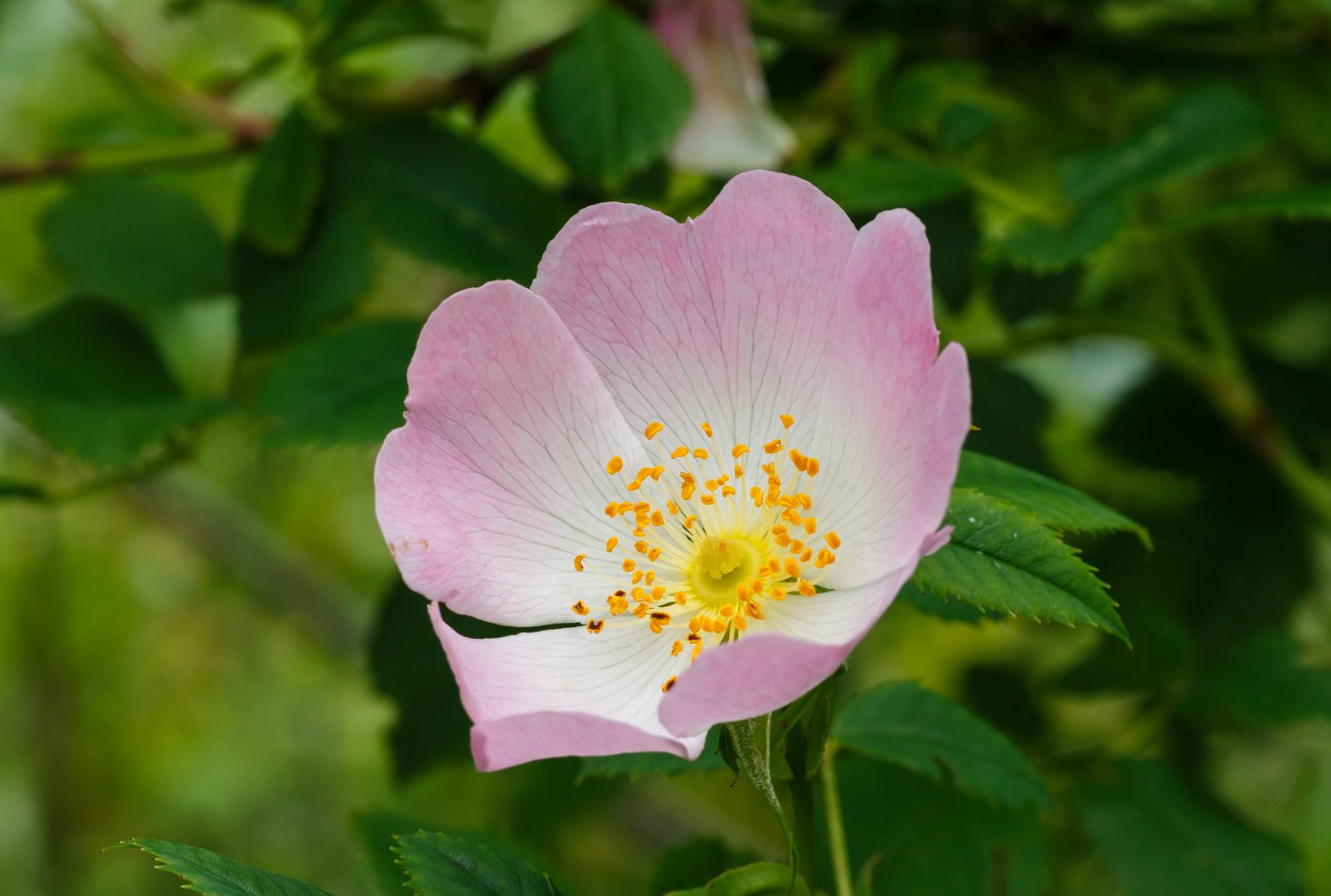
- Large, double, deep crimson-red, strongly fragrant flowers from late spring or early summer, repeating into autumn in suitable conditions.
- Foliage
- Glossy, dark green, divided leaves on thorny canes; normally deciduous, though some leaves may persist in mild winters.
- Growth
- Moderate to fast once established.
- Care needed
- High
The year at a glance
- Heat tolerant
- Wildlife
- Low allergen
- Fragrant
| J | F | M | A | M | J | J | A | S | O | N | D | |
|---|---|---|---|---|---|---|---|---|---|---|---|---|
| Flowers | ||||||||||||
| Plant |
Northern hemisphere months. In Australia, shift them by six.
- Difficulty
- Hard
- Toughness
- Fairly tough
Will it suit your garden?
Pick your zone, country, light and whether you have pets.
Full sun is 6 or more hours of direct sun a day, part shade 3 to 6 hours, shade under 3.
How it grows
Planting day
2 ft (0.6 m)
After 1 year
3 ft (0.98 m)
After 2 years
4 ft (1.4 m)
After 3 years
6 ft (1.7 m)
After 5 years
6 ft (1.8 m)
full size
About 3 years to full size.
From a typical nursery size, at an average rate for this kind of plant. A rule of thumb, not a forecast.
Good to know
- Cats and dogs
- Safe
- Growth rate
- Fast
Care
Jobs through the year
- WaterApr–May, Sep–Oct, every 14 days
- Water established roses deeply during dry spells; young plants need more.
- WaterJun–Aug, every 7 days
- Soak the root zone if rainfall is inadequate, keeping foliage dry.
- FeedMar–Apr
- Apply rose fertilizer once as spring growth starts, following the label.
- FeedJun–Jul
- Feed once after the first main flush; stop before late summer.
- MulchMar–Apr
- Apply 5–8 cm of organic mulch, keeping stems clear.
- PruneFeb–Mar
- Keep healthy main canes, remove damaged wood and shorten side shoots to 2–3 buds.
- DeadheadJun–Oct, every 7 days
- Remove spent flowers to encourage further flowering.
- ProtectApr–Oct, every 7 days
- Check for aphids and leaf disease; remove affected leaves and secure new canes.
- ProtectNov–Dec
- After dormancy, mound soil or compost over the crown in exposed zone 6 gardens.
- ProtectOct–Nov
- Collect diseased fallen leaves and secure canes against drying winter winds.
- Install a strong trellis or wires before planting; allow space between a wall and the canes for airflow.
- Tie main canes loosely and fan them out as horizontally as practical to encourage flowering side shoots.
- Water deeply in dry weather, especially during the first two growing seasons.
- Apply rose fertilizer in spring and again after the first main flush, following the label; stop feeding by late summer in cold climates.
- Spread 2-3 in (5-8 cm) of organic mulch over the root zone, keeping it clear of the stems.
- In zone 5 and exposed zone 6 gardens, protect the crown and graft union after dormancy and shelter canes from drying winter winds.
Pruning. In late winter or early spring, remove dead, damaged and crossing growth, retain healthy main canes, and shorten their flowering side shoots to two or three buds. Deadhead spent flowers through the flowering season, and remove an old main cane at the base when a strong replacement is available.
Through the year
- Late winter
- Prune before strong new growth begins and check supports and ties.
- Spring
- Plant while conditions are cool, apply rose fertilizer and renew mulch.
- Late spring
- Tie in new shoots and inspect young growth for aphids and early leaf disease.
- Summer
- Water during dry spells, deadhead regularly and feed after the first main flush.
- Autumn
- Collect diseased fallen leaves and secure long canes against wind.
- Late autumn
- Once dormant, add winter protection around the crown in cold regions.
In the garden
- Train across a sunny wall or fence, spreading the canes to create a broad display of red flowers.
- Cover a sturdy arch or pergola near a seating area where the fragrance can be enjoyed.
- Pair with pale blue catmint or hardy geraniums to contrast with the dark red blooms.
- Use on an obelisk as a vertical focal point in a traditional mixed border, keeping thorny stems clear of paths.
Garden styles it suits: English country, Cottage garden, Romantic rose garden, Traditional, Formal and Sensory garden.
Plant it with: Catmint, Lavender, Hardy geranium, Lady's mantle, Salvia and Clematis.
Wildlife: The dense, double flowers offer less accessible pollen than single roses, so this is not a leading pollinator plant. Established growth can provide shelter for small birds, and aphids on the shoots feed beneficial insects.
Problems to watch for
- Black spot: remove affected and fallen leaves, water at soil level and improve airflow; if severe, use a rose fungicide approved locally and follow its label.
- Powdery mildew: prevent drought stress, thin crowded growth and remove badly affected shoots; use an approved treatment if needed.
- Aphids: squash small colonies or wash them off with water; encourage ladybirds and other predators.
- Winter cane dieback: protect the crown in cold regions, secure canes against wind and prune back to healthy wood in spring.
Safety
Roses are not known to be toxic to cats, dogs, horses or people. Thorns can puncture skin or injure mouths, and swallowed plant material may cause mild stomach upset; garden chemical residues are a separate hazard.
Easily confused with
'Blaze' climbing rose (Rosa 'Blaze')
'Blaze' usually carries smaller, brighter red flowers in larger clusters and has much less fragrance than 'Don Juan'.
'Altissimo' climbing rose (Rosa 'Altissimo')
'Altissimo' has open, single red flowers with conspicuous yellow stamens, unlike the densely double flowers of 'Don Juan'.
The name
Rosa is the Latin word for rose, and the cultivar name refers to Don Juan, the legendary romantic seducer.
Propagation. Take semi-ripe cuttings in summer or hardwood cuttings during dormancy; rooting success varies. Seedlings will not reliably retain the cultivar's characteristics, and suckers arising below a graft belong to the rootstock rather than 'Don Juan'.
Checked against open data
- Accepted botanical name
- Rosa
Sources: GBIF (CC BY 4.0). The care and design notes are LandscapeGPT's own.
See it in your own yard.
Upload a photo of your yard and see it redesigned with plants that suit your climate, each checked against your zone.