Common polypody
Polypodium vulgare. Family Polypodiaceae. Fern.
Also called Common polypody fern.
Common polypody is a small, creeping fern with leathery green fronds that often remain attractive through winter. Grow it for year-round texture beneath trees, among shaded rocks or along a woodland path; established plants tolerate dry shade better than many ferns.
At a glance
- Sun
- Partial shade to full shade; tolerates some sun in cool climates if the roots remain moist.
- Water
- Water regularly while establishing. Once rooted, it tolerates short dry spells, but prolonged drought can cause fronds to curl or die back.
- Soil
- Humus-rich, well-drained soil, preferably acidic to neutral. Also grows in mossy rock crevices and pockets of leaf mould; avoid waterlogged ground.
- Height
- 0.5-1 ft (0.15-0.3 m)
- Spread
- 1-2 ft (0.3-0.6 m), gradually spreading farther by creeping rhizomes
- Foliage
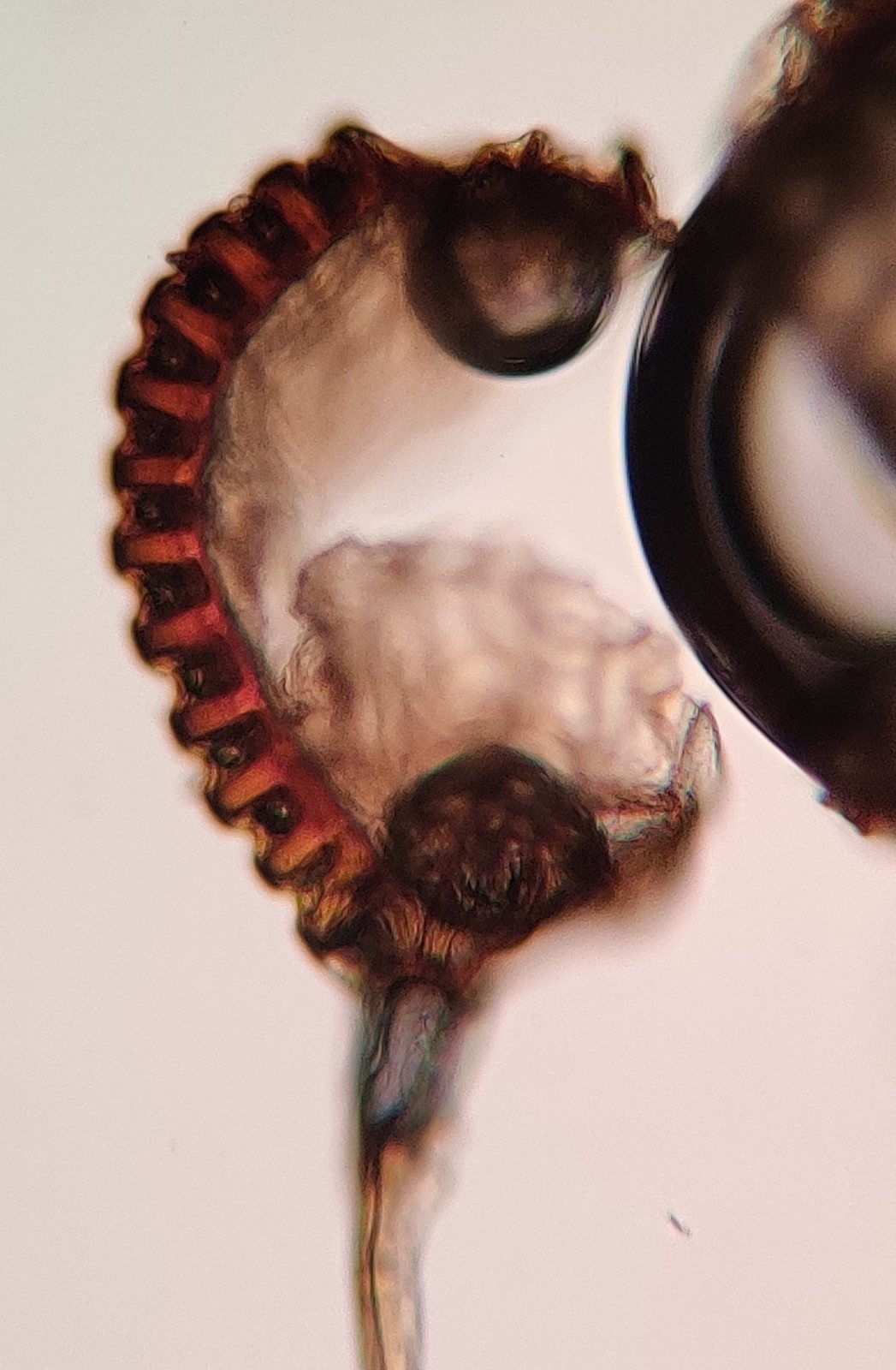
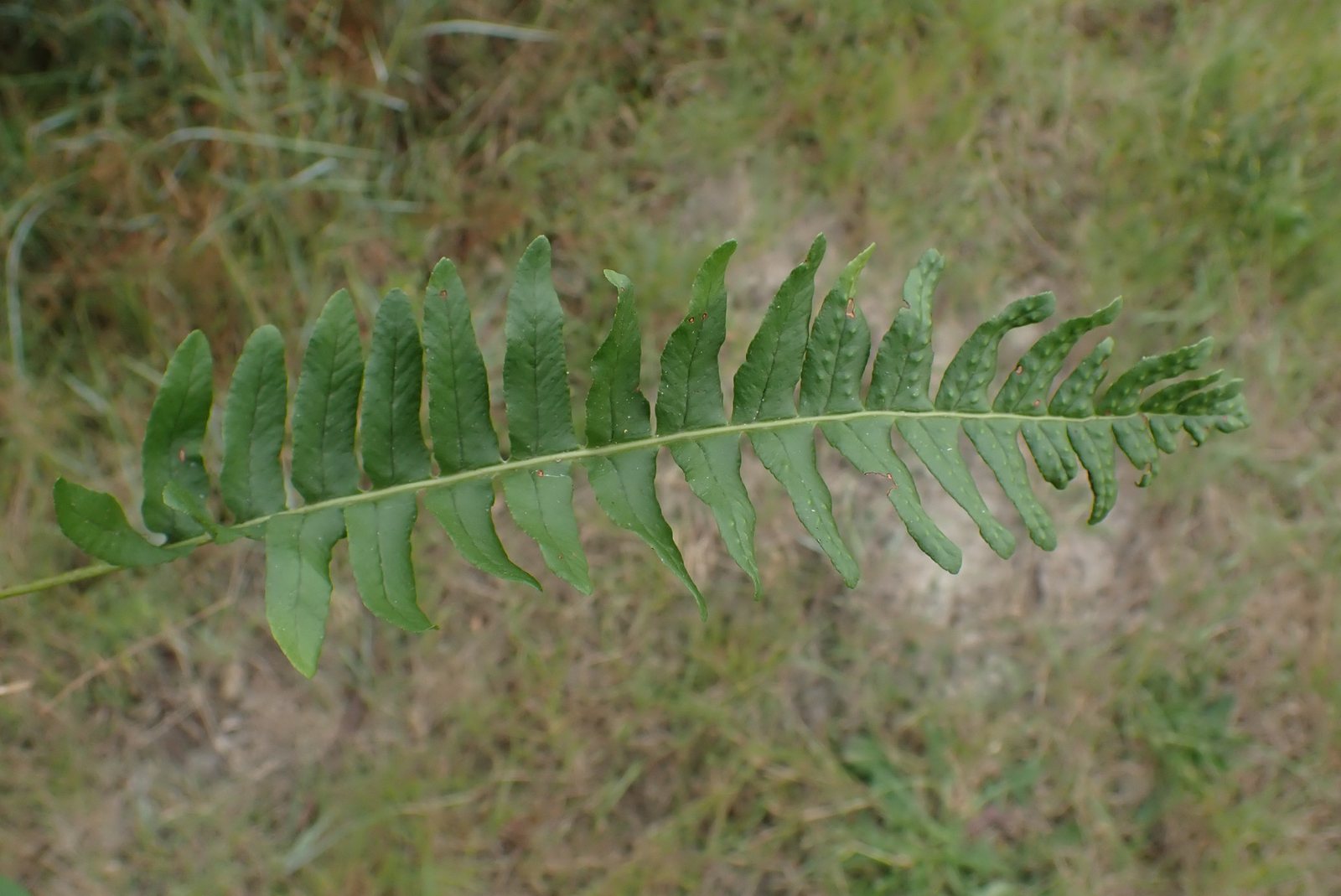
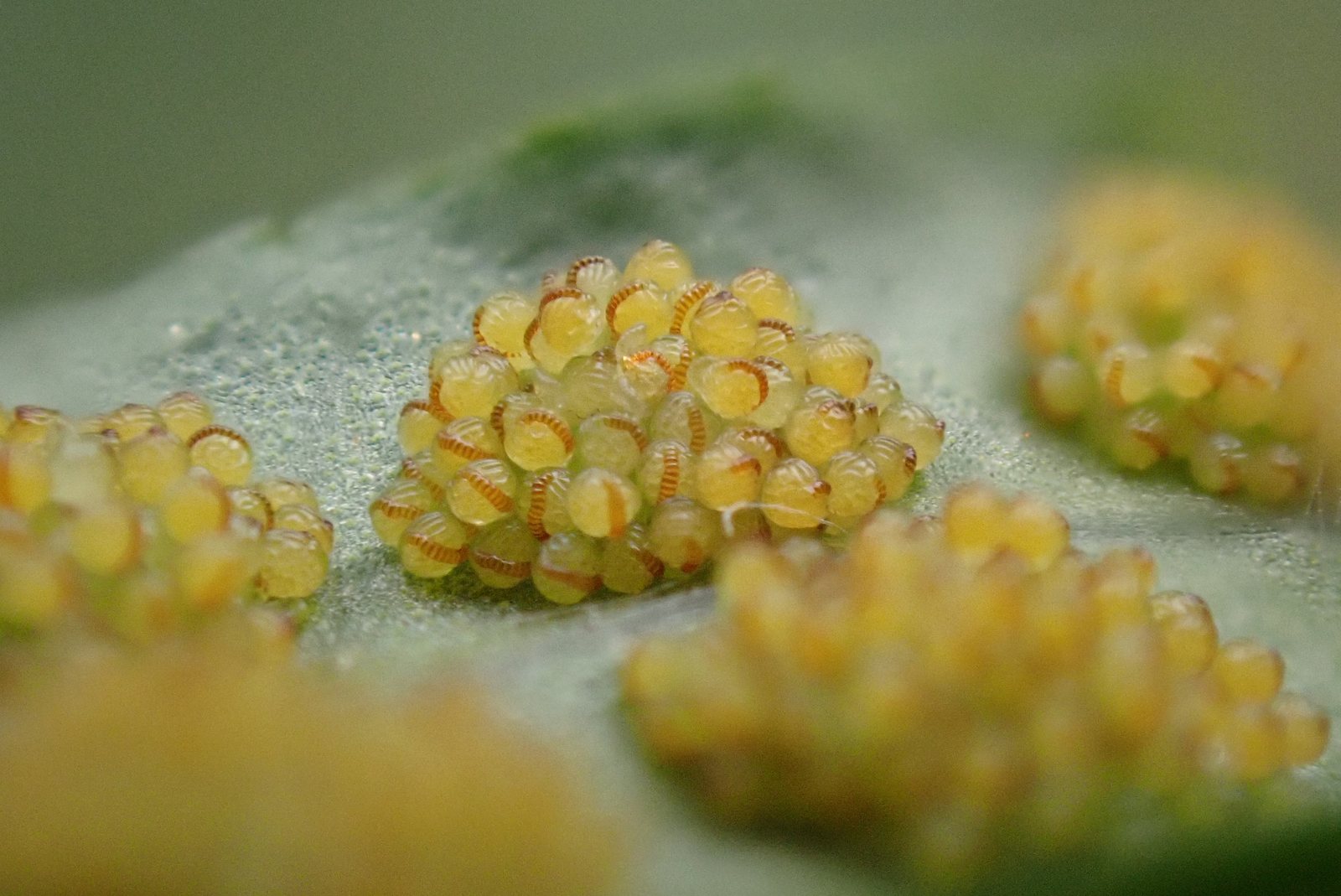
- Evergreen. Narrow, leathery green fronds divided into rounded or pointed lobes. Round, golden-brown spore clusters form in rows on the undersides of mature fronds.
- Growth
- Slow to moderate
- Care needed
- Low
The year at a glance
- Deer resistant
- Cold hardy
- Wildlife
- Low allergen
| J | F | M | A | M | J | J | A | S | O | N | D | |
|---|---|---|---|---|---|---|---|---|---|---|---|---|
| Plant |
Northern hemisphere months. In Australia, shift them by six.
- Difficulty
- Easy
- Toughness
- Very tough
Will it suit your garden?
Pick your zone, country, light and whether you have pets.
Full sun is 6 or more hours of direct sun a day, part shade 3 to 6 hours, shade under 3.
How it grows
Planting day
0.7 ft (0.22 m)
full size
About 4 years to full size.
From a typical nursery size, at an average rate for this kind of plant. A rule of thumb, not a forecast.
Good to know
- Cats and dogs
- Mildly toxic: may upset a stomach
- Native to
- the UK
- Growth rate
- Slow
Care
Jobs through the year
- WaterApr–May, Sep–Oct, every 14 days
- Water established ground patches only if soil is drying; water new plants more regularly.
- WaterJun–Aug, every 7 days
- Water established ground patches during prolonged dry spells, especially if fronds stay curled.
- PruneMar–Apr
- Remove dead or badly damaged fronds at their bases, retaining healthy green growth.
- DivideMar–May
- Divide crowded patches, retaining roots and healthy fronds and keeping rhizomes at the surface.
- MulchOct–Nov
- Add a thin layer of leaf mould around plants without covering creeping rhizomes.
- Plant with the creeping rhizome at the surface rather than burying it deeply.
- Water during dry spells through the first growing season.
- Add a light layer of leaf mould around the plant each year, keeping the rhizomes uncovered.
- Avoid heavy feeding; established plants usually need no fertilizer.
- Divide crowded patches in spring, leaving several healthy fronds and roots on each piece.
Pruning. In spring, cut off dead or badly damaged fronds at their bases before new growth develops. Keep healthy green fronds rather than cutting the whole plant back each year.
Through the year
- Spring
- Remove dead fronds and check that fallen leaves have not buried the rhizomes.
- Spring
- Plant or divide clumps and water them thoroughly.
- Summer
- Water young plants during dry weather; check established patches if fronds curl persistently.
- Autumn
- Add a thin layer of leaf mould around, rather than over, the rhizomes.
- Winter
- Leave green fronds intact and check that containers or planting pockets drain freely.
In the garden
- Plant beneath deciduous trees with epimediums for a low, textured woodland layer.
- Tuck into shaded rock crevices or suitable pockets in old stone walls.
- Edge a shaded path with repeated small patches for evergreen structure.
- Grow in a shallow, freely draining container in a sheltered courtyard.
Garden styles it suits: Woodland, Moss and fern garden, Japanese, Secret garden, Low-maintenance and Winter interest.
Plant it with: Epimedium, Snowdrops, Hardy cyclamen, Hellebores, Wood anemones and Hart's-tongue fern.
Wildlife: Dense patches provide shelter for small invertebrates. As a fern, it produces no flowers, nectar or pollen.
Problems to watch for
- Waterlogged soil can rot rhizomes: improve drainage or move the plant to a raised planting pocket.
- Prolonged drought can curl and brown fronds: water deeply and add leaf mould around the roots.
- Strong sun and drying winds can scorch foliage: move the plant to a more sheltered, shaded position.
- Slugs and snails may damage emerging fronds: inspect new growth and remove pests by hand.
Safety
Not known to be toxic to people, cats, dogs or horses. No part is generally recognized as a serious poisoning hazard, but it is an ornamental fern, not a food plant, and eating it may cause digestive upset.
Easily confused with
Intermediate polypody (Polypodium interjectum)
Often has larger, broader fronds and somewhat oval spore clusters, compared with the usually round clusters of common polypody. These features overlap, and confident identification may require microscopic examination.
Southern polypody (Polypodium cambricum)
Usually has broader, more triangular fronds and commonly makes fresh growth in autumn, with a summer resting period in dry conditions. Hybrids and variable frond shapes can make identification difficult.
The name
Polypodium comes from Greek words meaning 'many feet', referring to the creeping, branching rhizome, while vulgare means 'common'.
Propagation. Divide creeping rhizomes in spring, keeping roots and several healthy fronds on each section. It can also be raised from ripe spores, though this is slow and requires clean, consistently humid conditions.
Checked against open data
- Accepted botanical name
- Polypodium vulgare
- Native range
- Albania, Altay, Austria, Baltic States, Belarus, Belgium, Bulgaria, Buryatiya, Cape Provinces, Central European Rus, Corse and Cyprus.
- Measured
- Average height 9 cm.
Sources: GBIF (CC BY 4.0) and Trefle (CC BY 4.0). The care and design notes are LandscapeGPT's own.
See it in your own yard.
Upload a photo of your yard and see it redesigned with plants that suit your climate, each checked against your zone.