Comtesse de Bouchaud clematis
Clematis 'Comtesse de Bouchaud'. Family Ranunculaceae. Climber.
Also called Clematis 'Comtesse de Bouchaud'.
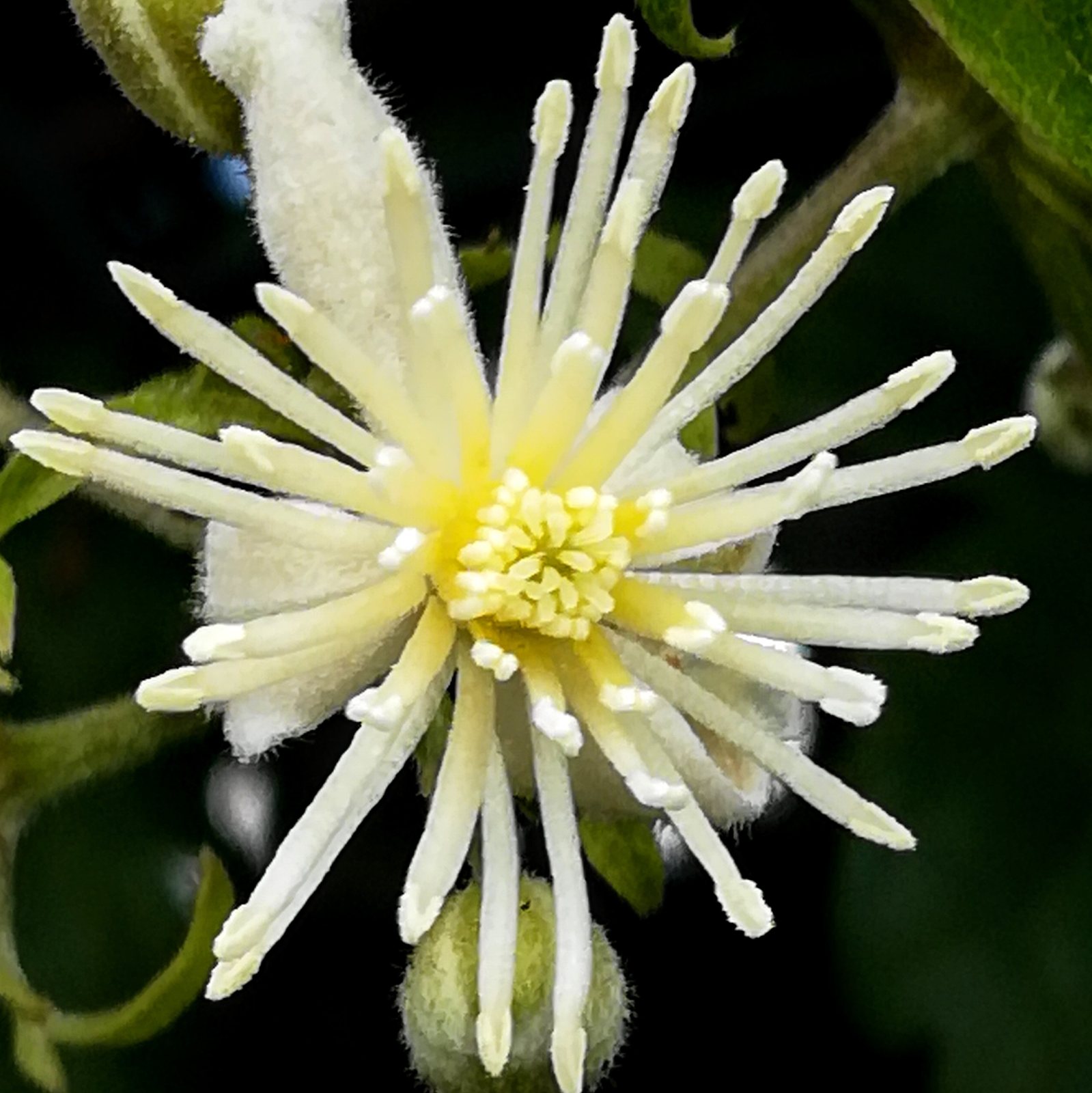
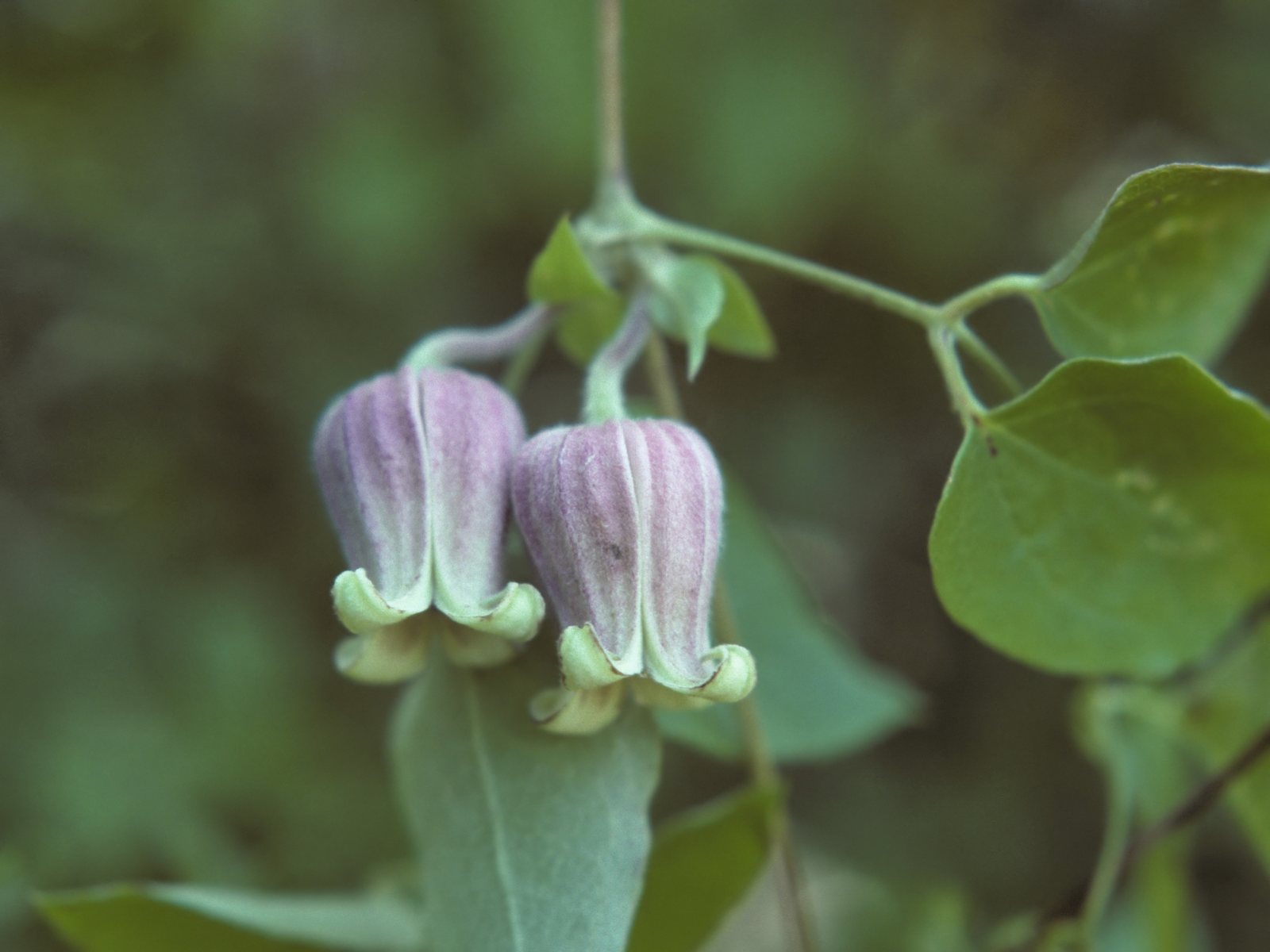
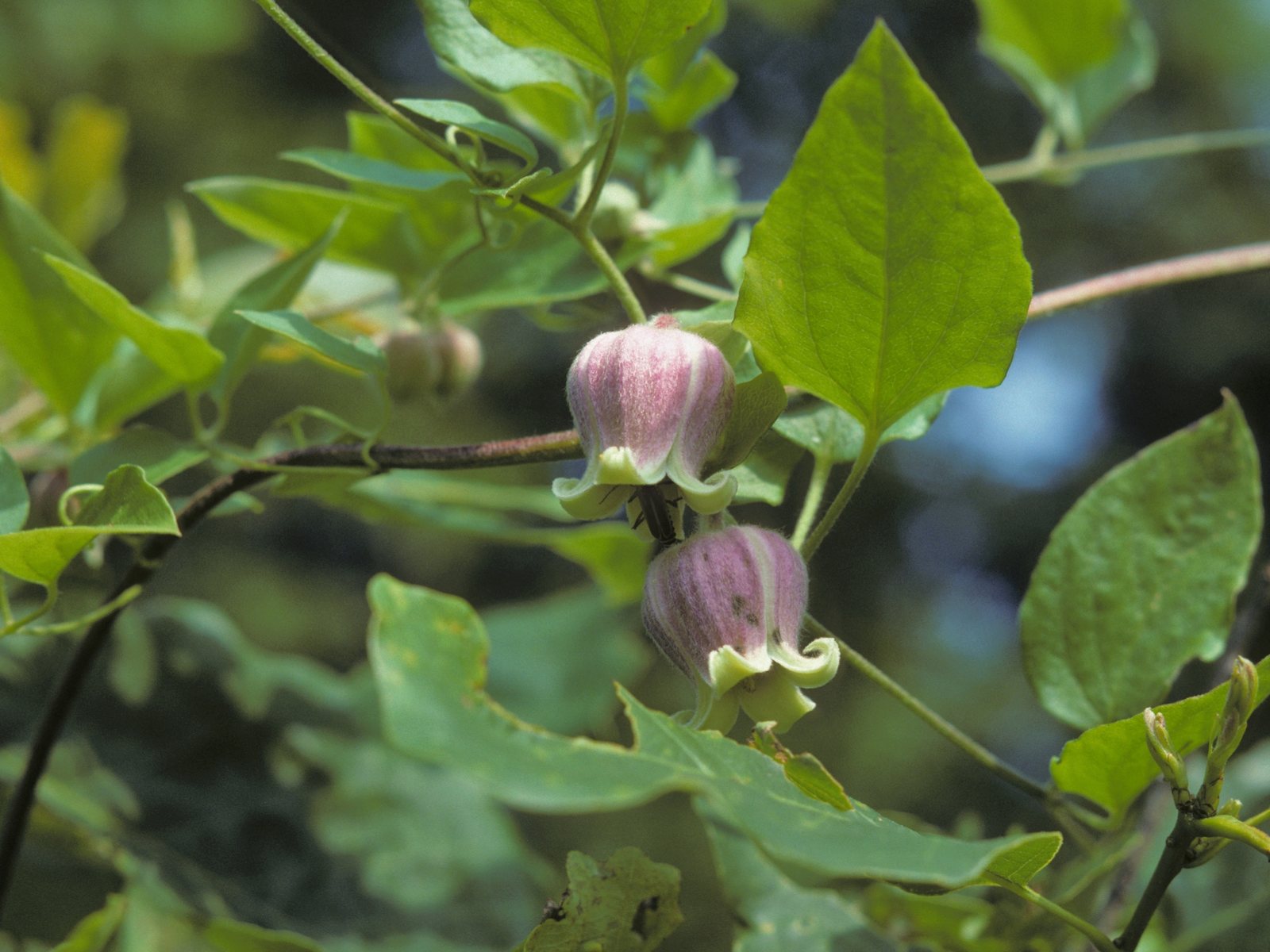
A deciduous climbing clematis grown for its broad, rosy-pink flowers with cream-yellow stamens from midsummer into early autumn. It climbs by curling its leaf stalks around slender supports and suits trellises, arches and planting through open shrubs.
At a glance
- Sun
- Full sun to partial shade; afternoon shade is helpful in hot climates.
- Water
- Keep the root zone evenly moist but not waterlogged; water deeply during dry spells, especially in the first two growing seasons.
- Soil
- Fertile, moisture-retentive, well-drained soil; tolerates mildly acidic to alkaline conditions.
- Height
- 8-12 ft (2.4-3.7 m)
- Spread
- 3-4 ft (0.9-1.2 m)
- Flowers
- Midsummer to early autumn; large rosy-pink flowers with slightly rippled petals and cream-yellow stamens.
- Foliage
- Green, divided leaves on slender climbing stems; loses its leaves in autumn.
- Growth
- Moderate to fast once established.
- Care needed
- Medium
The year at a glance
- Pollinators
- Cold hardy
- Low allergen
| J | F | M | A | M | J | J | A | S | O | N | D | |
|---|---|---|---|---|---|---|---|---|---|---|---|---|
| Flowers | ||||||||||||
| Fruit | ||||||||||||
| Plant |
Northern hemisphere months. In Australia, shift them by six.
- Difficulty
- Moderate
- Toughness
- Fairly tough
Will it suit your garden?
Pick your zone, country, light and whether you have pets.
Full sun is 6 or more hours of direct sun a day, part shade 3 to 6 hours, shade under 3.
How it grows
Planting day
2 ft (0.6 m)
After 1 year
3 ft (0.98 m)
After 2 years
4 ft (1.4 m)
After 3 years
6 ft (1.7 m)
After 5 years
6 ft (1.8 m)
full size
About 3 years to full size.
From a typical nursery size, at an average rate for this kind of plant. A rule of thumb, not a forecast.
Good to know
- Cats and dogs
- Toxic
- Growth rate
- Fast
Care
Jobs through the year
- WaterApr–May, Sep–Oct, every 14 days
- Water established plants deeply if soil is drying; young plants need more frequent watering.
- WaterJun–Aug, every 7 days
- Water deeply during dry spells to keep roots evenly moist, not waterlogged.
- FeedMar–Apr
- Apply a balanced fertiliser at the label rate as growth begins.
- MulchMar–Apr
- Mulch with compost to shade and cool roots, keeping stems clear.
- PruneFeb–Mar
- Group 3: cut all stems to strong buds 30–45 cm above ground.
- ProtectMar–May
- Protect emerging shoots from slugs and guide them onto slender supports.
- DeadheadJul–Sep, every 14 days
- Optionally remove spent flowers, or leave them for decorative seed heads.
- Provide a trellis, wires or mesh with slender elements that the leaf stalks can grip; tie young shoots in loosely.
- Plant the crown about 2-3 in (5-8 cm) below the finished soil surface in well-drained ground.
- Water deeply during dry weather rather than giving frequent light sprinklings.
- Apply compost and a balanced fertiliser in spring, following the product label.
- Mulch the root area each spring, keeping mulch away from the stems; use nearby low plants to shade the soil without crowding the crown.
Pruning. Pruning group 3: in late winter or early spring, cut all stems back to a pair of strong buds about 12-18 in (30-45 cm) above ground. It flowers on the new growth produced that season.
Through the year
- Late winter
- Cut back last year's stems to strong low buds and remove dead growth.
- Early spring
- Apply compost, balanced fertiliser and a fresh mulch.
- Spring
- Guide new shoots onto supports and protect tender growth from slugs and snails.
- Summer
- Water deeply in dry spells and tie in wandering stems.
- Late summer
- Remove spent flowers if practical, or leave the developing seedheads for texture.
- Autumn
- Clear fallen diseased leaves and check that supports remain secure.
In the garden
- Train over a narrow trellis beside a doorway to bring summer flowers to eye level.
- Grow through an open climbing rose for a second layer of pink flowers.
- Cover an arch or obelisk in a mixed border without the bulk of a woody climber.
- Combine with purple-flowered perennials and silver foliage for a soft pink-and-purple scheme.
Garden styles it suits: English country, Cottage garden, Romantic rose garden, Traditional, Pastel border and Small-space.
Plant it with: Climbing roses, Hardy geraniums, Catmint, Salvia, Lady's mantle and Lamb's ears.
Wildlife: Open flowers can provide pollen for visiting insects, although this large-flowered garden hybrid is not a major wildlife food plant. Dense growth offers some shelter for small garden animals.
Problems to watch for
- Clematis wilt can cause sudden stem collapse: cut affected stems back to healthy tissue or ground level, dispose of them and keep the root zone well cared for; established plants may regrow.
- Slugs and snails eat emerging shoots: inspect young growth regularly and use barriers, hand removal or locally approved controls.
- Powdery mildew may coat leaves in dry, crowded conditions: maintain soil moisture, improve airflow and remove badly affected foliage.
- Poor flowering often follows deep shade or drought: give the upper growth more light and keep roots consistently moist.
Safety
All parts are toxic if chewed by people, cats, dogs or horses. The irritant sap can cause mouth irritation, drooling, vomiting or diarrhoea, and skin contact may cause dermatitis; serious poisoning is uncommon, but seek medical or veterinary advice after ingestion.
Easily confused with
Hagley Hybrid clematis (Clematis 'Hagley Hybrid')
Usually has paler shell-pink flowers with contrasting reddish-brown anthers; 'Comtesse de Bouchaud' has cream-yellow stamens.
Nelly Moser clematis (Clematis 'Nelly Moser')
Has a conspicuous dark pink stripe down each pale petal and a main flowering flush in late spring or early summer.
The name
The French cultivar name means 'Countess of Bouchaud'; Clematis comes from the Greek word for a climbing or vine-like plant.
Propagation. Take softwood or semi-ripe cuttings from healthy non-flowering shoots in late spring or summer, or layer a low stem. Seedlings will not reliably retain the cultivar's characteristics.
Checked against open data
- Accepted botanical name
- Clematis
Sources: GBIF (CC BY 4.0). The care and design notes are LandscapeGPT's own.
See it in your own yard.
Upload a photo of your yard and see it redesigned with plants that suit your climate, each checked against your zone.