Concha ceanothus
Ceanothus 'Concha'. Family Rhamnaceae. Shrub.
Also called California lilac 'Concha', Concha California lilac.
An evergreen shrub with arching branches, small dark leaves and dense clusters of deep blue flowers in spring. Gardeners grow it for its strong flower colour, bee value and drought tolerance once established. It performs best in sunny, well-drained gardens with relatively dry summers; cold winds and wet winter soil can shorten its life.
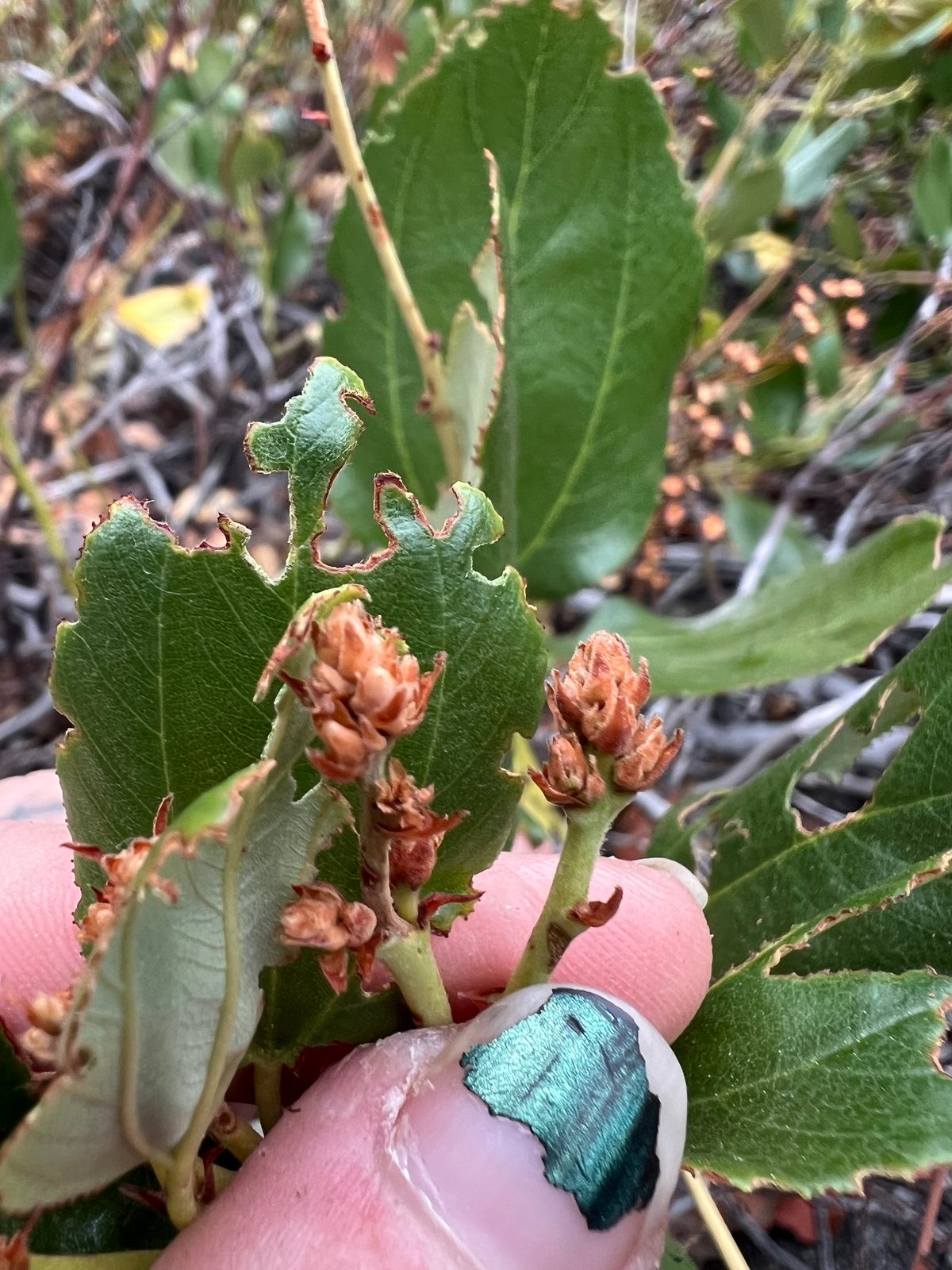
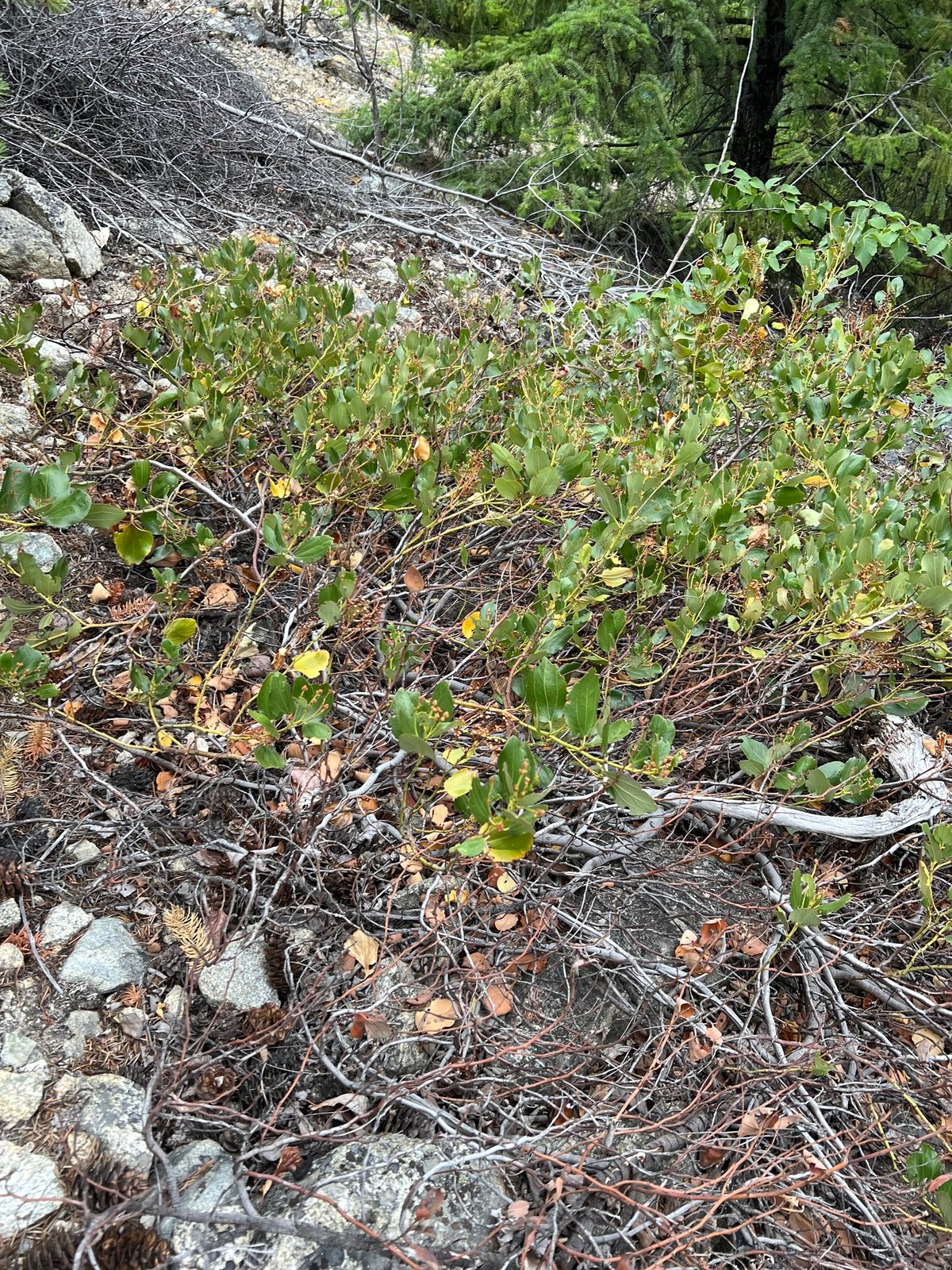
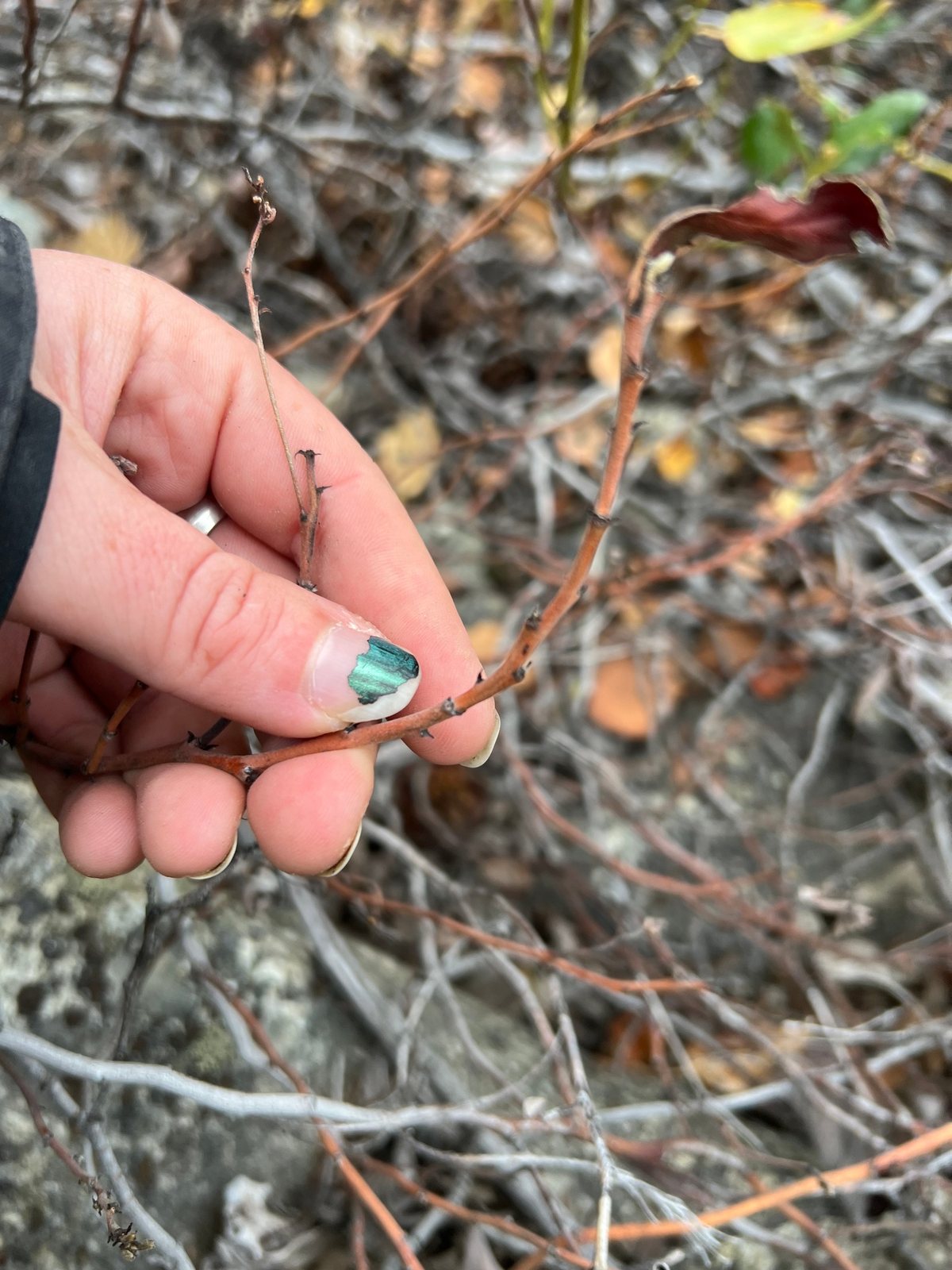
At a glance
- Sun
- Full sun; choose a sheltered position away from cold, drying winds.
- Water
- Water regularly during establishment, allowing the soil surface to dry between waterings. Once established, water only during prolonged drought; frequent summer irrigation can cause root problems.
- Soil
- Well-drained, moderately fertile soil, including sandy or gravelly ground. Avoid waterlogged soil and heavy clay that stays wet through winter.
- Height
- 6-10 ft (1.8-3 m)
- Spread
- 6-12 ft (1.8-3.7 m)
- Flowers
- Deep cobalt-blue flower clusters in mid- to late spring, sometimes continuing into early summer; timing varies with climate.
- Foliage
- Evergreen. Small, oval, glossy dark green leaves with a slightly textured surface.
- Growth
- Fast when young, slowing as it matures.
- Care needed
- Low
The year at a glance
- Pollinators
- Drought tolerant
- Heat tolerant
- Wildlife
- Low allergen
| J | F | M | A | M | J | J | A | S | O | N | D | |
|---|---|---|---|---|---|---|---|---|---|---|---|---|
| Flowers | ||||||||||||
| Plant |
Northern hemisphere months. In Australia, shift them by six.
- Difficulty
- Moderate
- Toughness
- Fairly tough
Will it suit your garden?
Pick your zone, country, light and whether you have pets.
Full sun is 6 or more hours of direct sun a day, part shade 3 to 6 hours, shade under 3.
How it grows
Planting day
1.6 ft (0.5 m)
After 1 year
2.9 ft (0.88 m)
After 2 years
4 ft (1.3 m)
After 3 years
5 ft (1.6 m)
After 5 years
8 ft (2.4 m)
full size
About 5 years to full size.
From a typical nursery size, at an average rate for this kind of plant. A rule of thumb, not a forecast.
Good to know
- Cats and dogs
- Safe
- Growth rate
- Moderate
Care
Jobs through the year
- WaterApr–May, Sep, every 28 days
- Water established shrubs only during prolonged drought; water first-year shrubs more often.
- WaterJun–Aug, every 21 days
- Water established shrubs only if the root zone is dry during prolonged drought; avoid routine irrigation.
- PruneApr
- Remove confirmed winter-killed shoots once new growth shows what has survived.
- PruneMay–Jun
- Immediately after flowering, lightly trim wayward leafy shoots; never cut into bare old wood.
- ProtectJan–Mar, Nov–Dec
- Shelter young shrubs from severe frost and cold winds; zone 6 requires frost-free container overwintering.
- Plant in spring in colder districts; autumn planting suits mild-winter areas with freely draining soil.
- Water deeply through the first growing season, then gradually reduce watering as roots establish.
- Do not routinely feed; rich soil and high-nitrogen fertiliser encourage soft growth.
- Keep mulch clear of the stem base and avoid moisture-retentive mulch on already damp soil.
- Give it room to reach its natural width rather than relying on repeated hard pruning.
- In colder gardens, use a sheltered, sun-facing wall and protect young plants during severe frosts.
Pruning. Immediately after flowering, lightly shorten long shoots within the leafy growth to maintain shape. Avoid cutting into old, bare wood, which often fails to regrow, and remove dead or damaged branches as needed.
Through the year
- Spring
- Plant in colder districts once severe frost has passed, keeping the rootball intact.
- Spring
- Check for winter damage and remove clearly dead growth once new shoots reveal what has survived.
- Late spring to early summer
- After flowering, lightly trim wayward shoots without cutting into bare wood.
- Summer
- Check newly planted shrubs during dry spells and water deeply when the root zone begins to dry.
- Late summer
- Take semi-ripe cuttings from healthy, non-flowering shoots.
- Autumn
- Plant in mild-winter gardens with good drainage; keep fallen debris away from the stem base.
- Winter
- Check for standing water and protect young shrubs from severe frost and cold winds.
In the garden
- Use as a broad evergreen specimen in a sunny border, allowing space for its arching branches.
- Train against a sheltered, sun-facing wall to bring blue flowers and evergreen cover to a courtyard.
- Combine with silver-leaved shrubs and drought-tolerant perennials in a gravel or Mediterranean garden.
- Plant as a loose informal screen in mild climates rather than clipping it as a tight hedge.
- Place near paths or seating where spring-flowering plants can support visiting bees.
Garden styles it suits: Mediterranean, California native, Coastal, Dry gravel garden, Pollinator garden and Desert / xeriscape.
Plant it with: Lavender, Rosemary, Rockrose, Santolina, California poppy and Bearded iris.
Wildlife: The flowers attract bees and other pollinating insects. Dense evergreen branches provide shelter for small birds.
Problems to watch for
- Root or crown rot: yellowing, wilting or sudden collapse can follow poor drainage or frequent irrigation. Improve drainage before planting, keep the crown clear and avoid watering established shrubs routinely.
- Frost and wind scorch: exposed leaves and shoots may brown after cold weather. Choose shelter, protect young plants and wait until spring growth starts before removing damaged shoots.
- Scale insects: inspect stems and leaf undersides if growth weakens or sticky deposits appear. Remove small infestations by hand; use a locally approved horticultural oil if necessary, following the label.
- Poor recovery after hard pruning: bare branches may not reshoot. Keep pruning light and replace a badly overgrown shrub rather than cutting it back severely.
Safety
Not known to be toxic to people, cats, dogs or horses. No part is recognised as seriously poisonous, but it is not an edible plant and eating foliage may cause digestive upset.
Easily confused with
Common lilac (Syringa vulgaris)
Common lilac loses its leaves in winter and has much larger, usually heart-shaped leaves and strongly scented flower panicles; 'Concha' has small evergreen leaves.
Gloire de Versailles ceanothus (Ceanothus × delileanus 'Gloire de Versailles')
It is deciduous, with larger leaves and loose clusters of pale blue flowers mainly in summer and early autumn; 'Concha' is evergreen with denser, deeper blue spring flowers.
The name
The common name California lilac refers to its Californian origins and lilac-like blue flower clusters, although ceanothus is not closely related to true lilacs.
Propagation. Take semi-ripe cuttings in late summer and root them in a free-draining medium with gentle humidity. Cuttings preserve the cultivar; seedlings will not reliably match 'Concha'. Avoid disturbing established roots.
Checked against open data
- Accepted botanical name
- Ceanothus
Sources: GBIF (CC BY 4.0). The care and design notes are LandscapeGPT's own.
See it in your own yard.
Upload a photo of your yard and see it redesigned with plants that suit your climate, each checked against your zone.